
 If you live in North Carolina, then you may be familiar with the term “centipede grass.” This term frequently comes up when discussing North Carolina’s soil problems. Upon first glance, centipede grass appears to be the same as any other grass: it’s green, coarse, and always looks relatively healthy. However, what makes it different from other grasses is the environment it thrives in – highly acidic soils with a pH value of 5 or above. North Carolina is known for an abundance centipede grass, meaning it is also known for having very acidic soil. North Carolina residents love centipede grass because it is very easy to maintain. It does not have to be mowed very frequently, and it doesn’t grow too fast. However, the acidic soil it thrives in causes many problems, particularly around your home, and especially if you live near the coastline.
Having highly acidic soil can cause the grass around your home to turn yellow, which is anything but attractive. North Carolina homes near the coast are most prone to this problem since the soil also contains traces of shells, which are made of calcium carbonate and have many of the same properties as limestone. The calcium carbonate reacts with the acids in the soil to turn it basic – and basic soil turns centipede grass yellow because it causes iron deficiency.
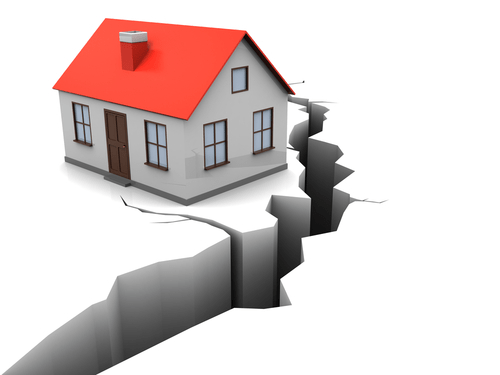
Another problem that North Carolina homeowners experience is cracks in their foundation. It may seem strange, but the highly acidic soil in North Carolina may actually be contributing to problems with your home’s foundation. The reason is this: highly acidic soil is more prone to expanding than soil that has a lower pH value. Soil contains clay that expands in acidic environments, especially when it rains. If your home rests on this soil, the expansion can cause damage to your home.
Many North Carolina residents have expressed their concerns over the issue of centipede grass and acidic soil over the years. While it may be a wise idea for the state to regulate the growth of centipede grass and work to eliminate the amount of acidic soil, this notion could take many years to come to fruition. Chances are good that your home will be susceptible to damage long before any issues with the soil are completely resolved. Fortunately, there are options available should your home become damaged. Powerlift Foundation repair offers some of the best foundation repair methods, including the use of steel piers, helical piers, pre-construction piers, and more! We call it our own special PowerLift System! Call us today at 800-562-5438 or fill out our contact form today for a free estimate!