There are different types of foundations best suited for specific site conditions. Before the foundation construction project begins, it’s essential to assess the conditions and characteristics of the ground you plan to build your structure. By choosing the right foundation based on environmental factors and ground conditions, you can ensure that your foundation can sufficiently support your building or house for years to come.
At Powerlift Foundation Repair, we have a long history of successful construction projects. As pros in the foundation industry, we’ll help you pick the best foundation for your structures based on various site conditions.
Related Article: How to Assess the Structural Integrity of My Building’s Foundation
Let’s get started!
So How Do I Choose the Right Foundation for My Construction Project?
1. Soil Type and Bearing Capacity
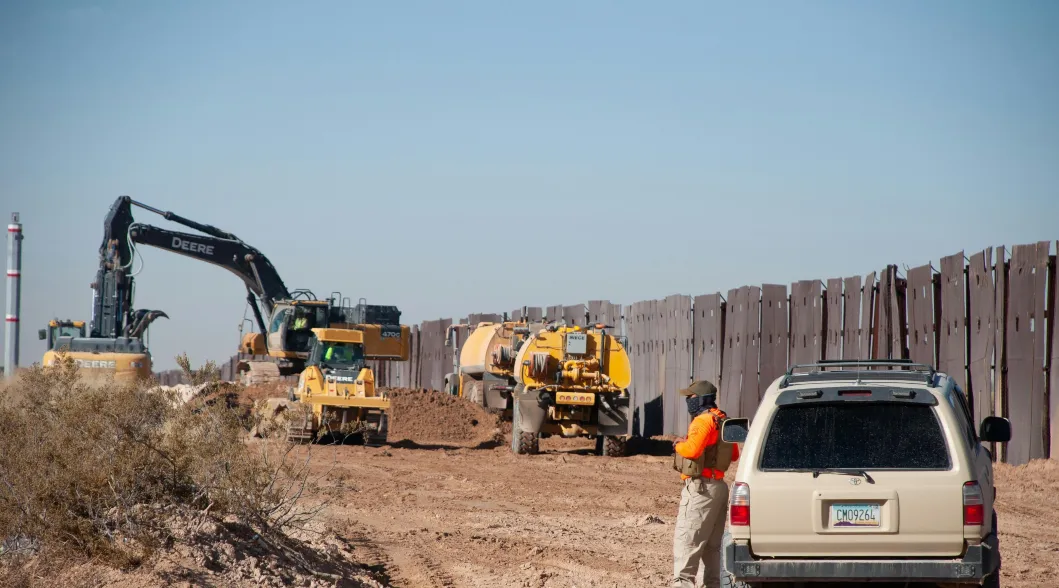
For your construction project, evaluate the type of soil that the building will sit on. In the US, you can often find soil types like clay, gravel, sand, and silt. Each type has different characteristics that influence how well the foundation holds up over time. Additionally, soil types also determine the bearing capacity they can support, or how light or heavy the building can be.
- Clay: Clay is soft and prone to expanding or shrinking based on moisture levels, making it vulnerable to instability and differential settlement after foundation construction. This type of soil generally has low bearing capacity.
- Sand: Sand is typically stable and drains well but heavy loads may cause shifting. That said, sand generally has a moderate bearing capacity.
- Gravel: Gravel is stable with high bearing capacity. It can support tall and heavy structures and is less prone to shifting and settling compared to the two previous types.
- Silt: Compared to sandy soil, silt is composed of even finer mineral particles and rocks. It can be soft when wet, which gives it a lower bearing capacity due to its proneness to compression and shifting under heavy loads and pressure.
2. Water Table Level
The water table level refers to the depth at which the soil is wet or damp. Its two types are high and low water table levels. A high water table means the water or moisture is closer to the surface, making the soil weak and increasing the risk of flooding. On the other hand, a low water table means the water is far from the surface. This allows the soil to better support structures and has a lower risk of being affected by moisture changes after foundation construction.
3. Frost Line Depth
To choose the right foundation, the frost line depth must be considered. It refers to how deep the ground freezes during winter. Warmer areas typically have shallow frost lines, while regions with colder climates have deep frost lines.
4. Earthquake Conditions
It’s also essential to be aware of how likely your site or area is to experience earthquakes. If your region has a history of frequent and strong earthquakes, your building requires more durable foundations that can withstand intense movement. Meanwhile, standard foundations may be sufficient for low-risk areas.
5. Natural Terrain
The slope, shape, and characteristics of the land you plan to build a structure on should also be considered. For example, areas with flat ground or terrain require simple foundations, while those with sloped or complicated terrain may require special foundations (e.g. stepped or retaining walls) for stability.
Optimal Site Conditions for Shallow Foundations
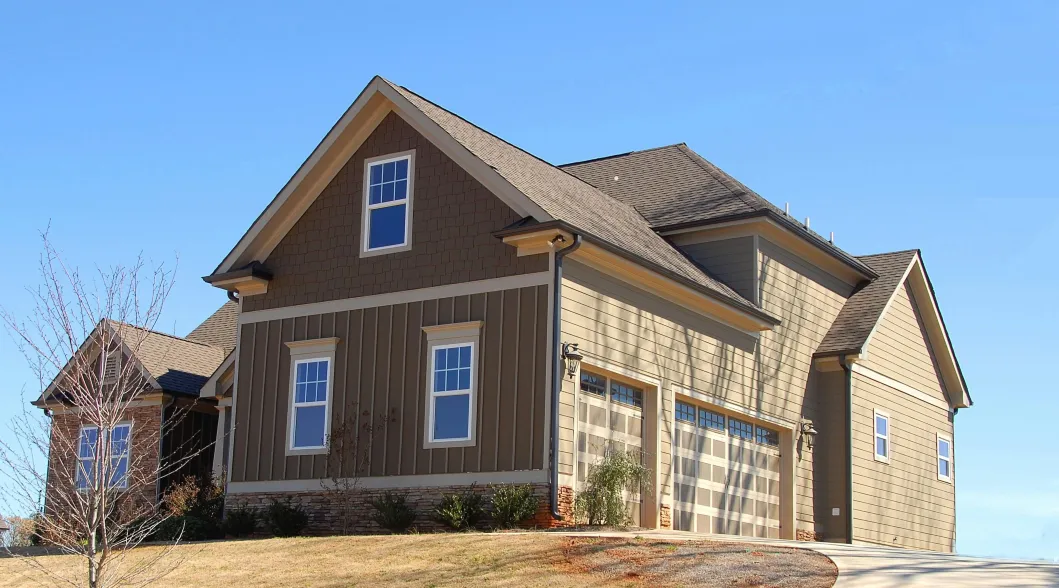
A shallow foundation is used to support small structures like a house by spreading the weight of the structure across the ground. During a construction project, the foundation is shallowly placed in the ground, typically no deeper than six feet. A shallow foundation is suitable for a building or structure that sits on stable soil.
Here are the different types of shallow foundations along with the site conditions that would be compatible with each type:
Slab-On-Grade Foundation
This is a common type of foundation made from concrete slabs and steel. The foundation construction is characterized by pouring flat concrete slabs directly on the ground, which support the weight and body of the building.
Suitable for: Well-drained, stable soils. Typically used in warmer regions with shallow or non-existent frost lines.
Basement Foundation
Basement foundations are made of concrete walls and a concrete floor. Commonly used for residential structures, the basement’s concrete walls support the building above. Basement foundations are a great choice for those looking for extra storage and living space.
Suitable for: Well-drained, stable soils. Best for areas with low water tables and little to no flooding.
Spread Footings
A spread footing is made of concrete (sometimes with steel reinforcements). Spread footings are placed under the columns or walls of a structure. The bottom end of the footing is wider, which spreads the load of the structure across the soil.
Suitable for: Stable soils with high bearing capacity. Spread footings can support buildings with moderate loads.
Continuous Footings
These footings take up the length of walls. Made of concrete, these footings provide support to a building and keep it from settling or shifting.
Suitable for: Flat terrain with stable soil and good drainage. This footing is effective for any structure or construction project with low to moderate weight.
Crawl Space Foundation
Crawl space foundations create a small gap between the ground and the floor of a building; the space is often used for plumbing, electrical wiring, and storage. This type of foundation elevates the building to keep it dry. Typically, crawl spaces are made of short concrete or cinder block walls. Additionally, crawl spaces usually have concrete floors.
Suitable for: Regions with high water tables. Crawl spaces are compatible with moderately sloped or uneven ground.
Raft (Mat) Foundation
Raft or mat foundations use a large, continuous concrete slab to evenly distribute the weight of a structure. This foundation serves as the base of a building and prevents settling and shifting.
Suitable for: Areas with weak or compressible soils.
Optimal Site Conditions for Deep Foundations
Unlike shallow foundations, deep foundations go deep into the ground to provide stability and structural support. These foundations reach past unstable soil and reach a stronger layer of rock or earth that can handle the pressure and weight of the structure. While residential properties typically use shallow foundations, taller and heavier commercial buildings use deep foundations to ensure stability.
Caisson Foundation
Caisson foundations support structures with strong columns placed deep in the ground. The construction process involves drilling a deep hole into the ground until it reaches a strong layer. Afterward, the drilled hole is filled with concrete. There are times when a bell-shaped footing is used to spread the weight over a large area.
Suitable for: High water table and heavy loads. It’s ideal in areas with a weak soil surface and deeper stable soil or rock.
Pile Foundation
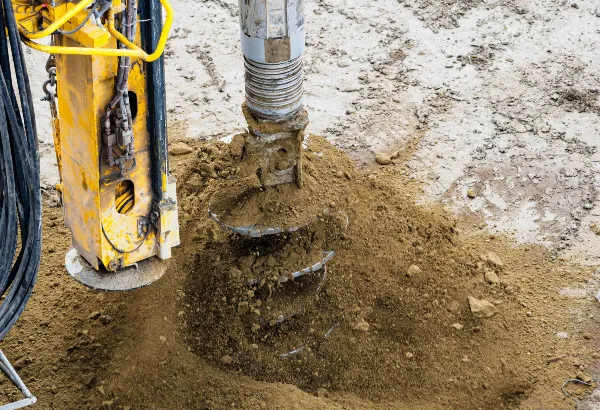
Pile foundations use long columns (piles) made of concrete, steel, or wood. These piles are inserted into the ground during construction until they rest on a more stable layer of earth. The piles take on the weight of the building and transfer it to the deeper, stronger layers through the piles and footings.
Suitable for: High water tables and heavy loads. Since it works like caisson foundations, the pile foundation is also effective in areas where the surface soil is weak but the deeper layers are more stable.
Powerlift Foundation Repair: Choose the Right Foundation Construction and Repair Experts
If you’re looking for professional assistance for your foundation construction project, don’t hesitate to reach out to our team at Powerlift Foundation Repair OKC! With years of industry experience and state-of-the-art equipment, you can trust our experts to address all your foundation issues and concerns!
Give us a call at 800-562-5438 and get a free quote today!