

When you think about your home, you picture the walls, the roof, the doors, and windows that protect you and your family. What most homeowners forget is the one part of the house that makes all of those possible: the foundation. A solid foundation is the backbone of any building. Without it, everything above can shift, crack, and even collapse over time. Poor foundation construction is one of the most common reasons homeowners deal with frustrating and costly repairs, and it often starts before they even move in. There are several factors that can lead to poor foundation construction, including soil conditions, improper soil preparation, and inadequate drainage.
At Powerlift, we see the effects of poor construction practices every day. From bowing walls to sloping floors, the signs are everywhere. Understanding how these issues happen and what can be done about them is the first step to protecting your home’s foundation and keeping your entire structure secure.
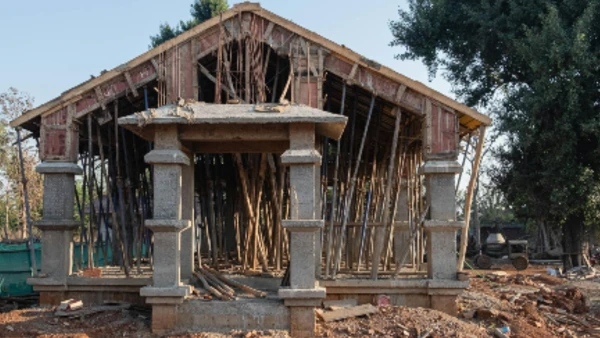
A foundation issue can range from minor cracks to major structural failures, all of which can compromise the stability and safety of your home.
Why Foundations Matter
Your building’s foundation supports the structure’s weight and keeps everything in place. Just like a towering skyscraper relies on a strong foundation to support its immense height and stability, your home also depends on a solid base for safety. When it is properly built, it distributes the load evenly into the soil beneath. When it is compromised, the house begins to settle unevenly. This leads to cracks, sticking doors, leaning chimneys, and sometimes even structural failure.
The long-term integrity of the entire house depends on this hidden support system. That is why poor construction has such a major impact. Once foundation damage begins, it can spread quickly and affect the security of your home.
Common Poor Construction Practices
So, what actually counts as poor construction when it comes to foundations? Here are a few mistakes that create significant foundation problems later on:
- Improper grading or poor drainage – If water cannot be diverted away from the house, hydrostatic pressure builds against foundation walls. Over time, water intrusion weakens concrete and leads to cracks.
- Using the wrong soil or ignoring soil conditions – Clay soil, for example, expands when wet and contracts when dry. Without proper knowledge, builders who pour concrete directly onto unstable ground are creating potential foundation issues from day one
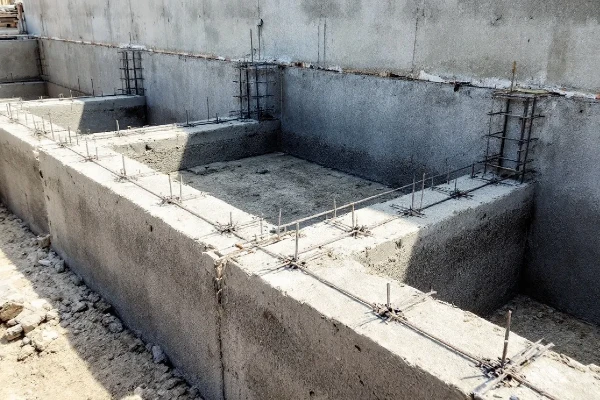
- Skipping professional inspection and verification – A structural engineer should confirm that the foundation design fits the soil type and the structure’s weight. When corners are cut, small mistakes turn into major failures.
- Ignoring crawl spaces or basements – Without proper waterproofing and ventilation, crawl spaces become a source of moisture issues, mold, and water damage that compromise the foundation.
- Not accounting for tree roots and water pressure – Large trees planted too close to the house can shift soil and leave gaps under the foundation. Combined with heavy rainfall, this can create significant damage.
These construction shortcuts may save money upfront, but they lead to costly repairs later.
Warning Signs of Poor Foundation Construction
Most homeowners do not see the foundation, so they rely on visible cracks and other warning signs to know when something is wrong. Here are some red flags that point to poor foundation construction or foundation failure:
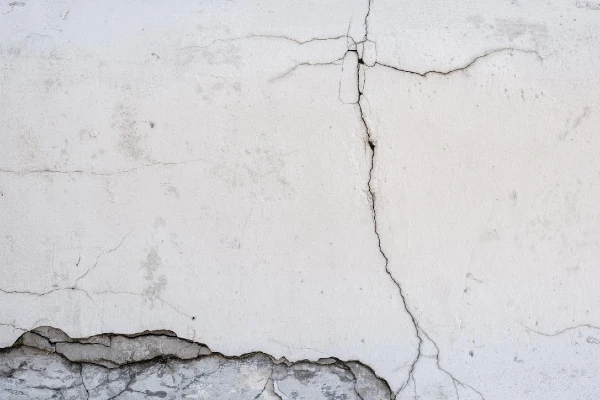
- Vertical cracks in foundation walls or basement walls
- Diagonal cracks near doors and windows
- Horizontal cracks caused by water pressure or bowing walls
- Large cracks in foundation walls or floors
- Bowed walls indicate significant structural issues
- Sticking doors and windows that do not close properly
- Uneven floors or sloping floors throughout the house
- Leaning chimney or separation between walls and the chimney
- Visible cracks in exterior walls, basement walls, or crawl spaces
- Gaps around doors and windows that were not there before
Early detection matters. Even minor foundation issues should be addressed promptly to prevent further damage.
The Role of Soil in Foundation Problems
The ground your house sits on is just as important as the construction itself. Soil type plays a crucial role in foundation performance. Clay soil, in particular, is notorious for expanding and contracting depending on moisture levels. That movement puts pressure on foundation walls and creates cracks.
Heavy rainfall, drought, or poor drainage can make soil settle unevenly, which shifts the foundation. Builders must pay particular attention to soil conditions before laying concrete. Without this step, the foundation may not hold up under the structure’s weight, leading to long-term structural issues.
Crawl Space and Foundation
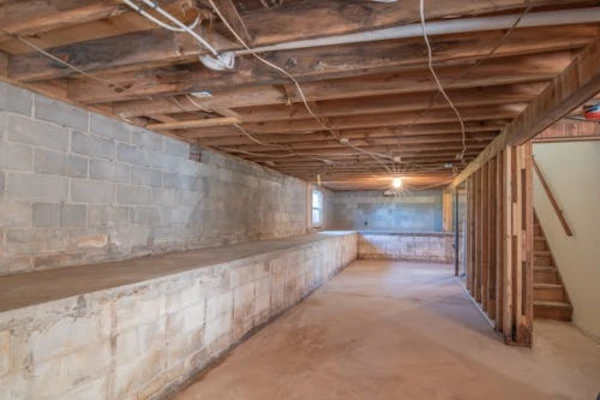
Crawl spaces are often out of sight and out of mind, but they play a crucial role in the structural integrity of your home’s foundation. When crawl spaces are neglected, they can quickly become a source of foundation issues. Poor drainage in these areas allows water to collect, leading to water intrusion, visible cracks, and even horizontal cracks along the foundation walls. Over time, this moisture can cause uneven floors and other signs of foundation problems that threaten the stability of your entire home.
Regularly inspecting your crawl space is essential for early detection of foundation damage. Look for warning signs such as sagging floors, water stains, or cracks in the foundation. Ensuring proper drainage and ventilation in crawl spaces helps prevent water damage and maintains the health of your foundation.
If you notice any signs of foundation trouble, consulting a structural engineer can help identify hidden vulnerabilities and lead to effective repairs. Taking these steps is crucial to protecting your home from costly foundation problems down the road.
Bowing Walls and Foundation
Bowing walls are a clear warning that your foundation is under stress and may be at risk of foundation failure. This serious issue is often the result of poor construction practices, shifting soil, or excessive water pressure building up against the foundation walls. When walls begin to bow inward, it can lead to further damage such as cracks, uneven floors, and in severe cases, even collapse.
Addressing bowing walls promptly is crucial to avoid significant damage and costly repairs. A professional inspection can determine the underlying cause—whether it’s related to construction, soil movement, or water pressure—and recommend the right solution. Repairs may include foundation underpinning or wall stabilization to restore structural integrity and prevent future problems. Ignoring bowing walls can lead to escalating structural issues, so early intervention is key to protecting your home’s foundation.
Doors and Windows: Tell-tale Signs of Foundation Trouble
If your doors and windows suddenly start to stick, jam, or won’t close properly, it could be more than just a minor annoyance; it may be a sign of foundation shifts. Foundation problems often cause the structure to move, leading to sticking doors, misaligned windows, and diagonal cracks around frames. These issues are often the first visible signs of foundation trouble, especially when accompanied by other symptoms like cracks in the walls or uneven floors.
Regularly checking your doors and windows for these warning signs can help catch foundation problems early. If you notice persistent sticking or see diagonal cracks, it’s important to have a structural engineer assess your foundation. Prompt repairs can prevent further damage and ensure your home’s foundation remains solid and secure. Don’t ignore these subtle clues—addressing them quickly can save you from more extensive foundation repairs in the future.
From Minor Issues to Major Structural Damage
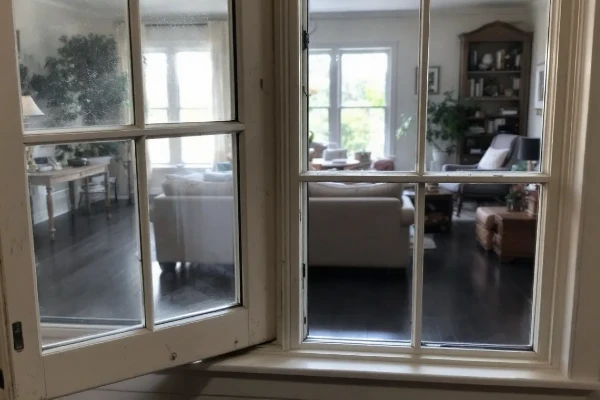
Foundation problems rarely start with a potential collapse. Instead, they begin with minor cracks, uneven floors, or doors that stick. If ignored, those small signs lead to structural issues that threaten the entire house.
Water intrusion worsens the problem. When water seeps into cracks, it not only damages concrete but also freezes and expands during cold weather. This process widens cracks, weakens walls, and allows more water inside. Over time, foundation shifts become so severe that walls bow, floors slope, and in extreme cases, a foundation failure can occur.
Why Professional Inspections Matter
When it comes to potential foundation issues, professional inspection is the first step in protecting your house. Foundation experts and structural engineers know how to identify the root causes of damage, whether it’s poor drainage, tree roots, hydrostatic pressure, or poor construction practices.
Regular inspections are an important part of home maintenance. They help catch warning signs early, verify the source of foundation damage, and provide homeowners with informed decisions about repairs. Without inspections, minor cracks can quickly lead to significant damage that threatens the security of the entire structure.
Repairing the Damage

Not all foundation repairs are created equal. Some methods simply patch over cracks, while others address the root causes. At Powerlift, we focus on long-term integrity rather than quick fixes.
When a compromised foundation has already shifted, one of the most effective repair methods involves helical piers. These deep steel supports are screwed into stable soil layers and used to lift and stabilize the foundation. Helical piers transfer the structure’s weight away from weak or shifting soil and anchor it into solid ground. This process restores stability and prevents further settlement.
For minor issues, polyurethane foam injections can fill gaps and support uneven areas. For severe foundation failure, a combination of piers, drainage improvements, and structural reinforcement may be needed. The right solution always depends on the specific root cause.
Cost of Foundation Repair: What to Expect
The cost of foundation repair can vary significantly depending on the severity of the foundation issues, the type of foundation, and the repair methods required. For most homeowners, foundation repairs typically range from $5,000 to $10,000. Minor foundation issues, such as small cracks or slight settling, may be resolved for as little as $500. However, if your home has significant damage or requires extensive repairs, costs can climb to $20,000 or more.
It’s essential to get a professional inspection to accurately assess the extent of your foundation problems and receive a detailed estimate. Investing in timely foundation repair can help you avoid even more costly repairs down the line. Remember, addressing minor foundation issues early is always more affordable than waiting until significant damage occurs.
How Poor Construction Affects Your Entire House
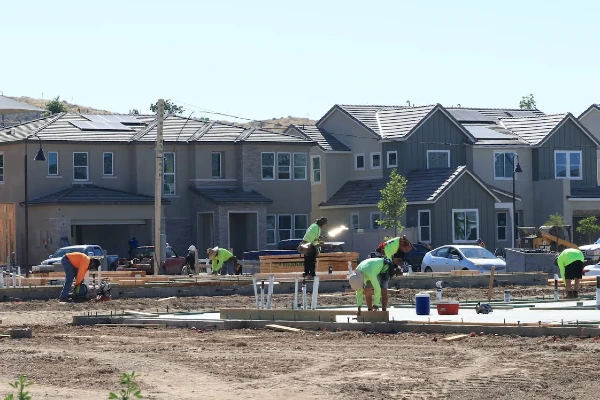
When the foundation is compromised, it impacts much more than the basement or crawl space. Poor foundation construction can cause:
- Cracks in the walls and ceilings throughout the entire house
- Sticking doors and exterior windows that no longer align
- Water damage in basements or crawl spaces from water intrusion
- Structural shifts that make floors slope and walls bow
- Gaps and separations where walls meet the roof or doors
- Potential collapse in extreme cases of long-term neglect
These issues are not just cosmetic. There are signs that the foundation is no longer supporting the house the way it should.
Importance of Foundation Maintenance
Regular foundation maintenance is crucial for preventing foundation problems and ensuring the long-term integrity of your home. Simple steps like scheduling regular inspections, maintaining proper drainage, and addressing any issues as soon as they arise can make a big difference. Foundation maintenance not only helps you avoid costly repairs but also reduces the risk of foundation failure and preserves your home’s structural integrity.
A structural engineer can provide expert guidance on maintaining your foundation, from recommending proper drainage solutions to identifying early warning signs of trouble. By making foundation maintenance a priority, you protect your investment and ensure your home remains safe and stable for years to come.
Taking Action as a Homeowner

Many homeowners feel overwhelmed when they see cracks or signs of foundation damage. The important thing to remember is that there are effective solutions available. Here are some smart steps:
- Watch for visible cracks, sloping floors, or other warning signs.
- Schedule professional inspections regularly.
- Make sure your property has proper grading and drainage to divert water.
- Avoid planting large trees close to the house.
- Address minor foundation issues before they turn into significant damage.
Being proactive protects your home and saves money in the long run.
Why Powerlift is the Right Choice
At Powerlift, we have years of experience helping homeowners deal with foundation problems caused by poor construction practices, soil issues, and water damage. We do more than repair cracks. We analyze root causes, provide professional inspection, and recommend solutions that restore structural integrity and protect your home for the future.
From helical piers to polyurethane foam and proper drainage systems, we use proven methods that deliver long-term results. Our goal is simple: to give you a solid foundation you can rely on, whether you are dealing with minor foundation issues or significant damage.
Protecting Your Home Starts Here
Poor construction can create foundation problems that spread throughout your entire house. From diagonal cracks to leaning chimneys, the warning signs are clear. The good news is that foundation repair is possible, and when handled with proper knowledge, your structure can be restored to long-term integrity.
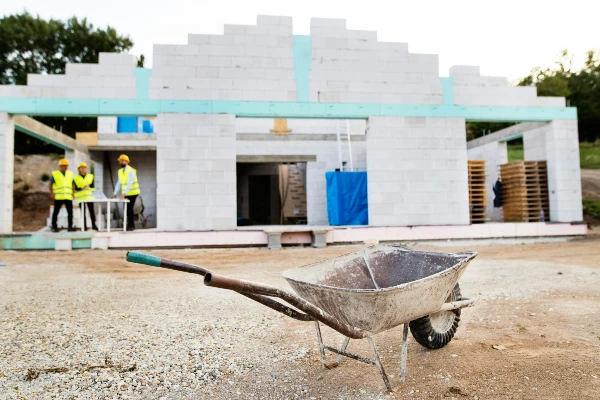
If you suspect foundation damage or see signs of poor construction, don’t wait until costly repairs are your only option. Contact Powerlift today. Our team has the tools, experience, and expertise to protect your home with solutions built to last.