

Foundation problems rarely announce themselves all at once. More often, they show up quietly—a hairline crack, a door that suddenly sticks, or a floor that feels slightly uneven. Understanding these early warning signs, along with the factors that influence repair costs, helps homeowners make informed decisions before minor issues turn into major structural problems.
Introduction to Foundation Repair
Foundation repair corrects movement and damage in the structure that supports your entire home. When a foundation begins to shift or settle, the effects often appear as sticking doors, cracked walls, or visible separation in concrete and surrounding concrete surfaces, such as slabs, walkways, or garage floors. While these symptoms may seem minor at first, unresolved foundation movement can spread through framing, flooring, and plumbing, eventually affecting both safety and resale value.

Homeowners in Oklahoma, Arkansas, North Carolina, Tennessee, and nearby regions often see a wide range of repair costs depending on the type of foundation and the severity of the issue. Foundation repair costs typically range from $2,200 to $8,100, with an average of $5,100. Very minor repairs may fall below the typical range, sometimes costing only a few hundred dollars, while more involved structural stabilization can climb into five figures on larger homes. Catching foundation problems early remains one of the most effective ways to control costs and limit the scope of repairs.
Assessing Foundation Issues
A proper assessment is the foundation of any effective repair plan. When signs such as wall cracks, sticking doors, or uneven floors appear, early evaluation helps determine whether the issue is cosmetic or structural before repair options become more invasive.
A professional soil report can provide valuable insight into the underlying causes of foundation problems, such as soil instability or poor drainage, which often lead to settling or shifting of the structure.
In many cases, foundation issues can also lead to water intrusion, further compromising the structure and increasing the risk of costly repairs. That’s why working with a contractor who takes the time to evaluate drainage, soil conditions, and structural movement—not just surface damage—can make a meaningful difference in the outcome.
Symptoms of Foundation Problems
Common foundation issues can arise over time due to factors like soil pressure, weather changes, or settling, often developing unexpectedly if not detected early. Homeowners across these states commonly report similar warning signs both inside and outside the home.
Interior Signs
- Water leaks from burst pipes
- Visible cracks in walls or ceilings
- Doors and windows that stick or won’t latch
- Uneven floors
Exterior Signs
- Cracks on cinder blocks, bricks, or masonry
- Gaps around doors or windows
- Soil pulling away from the foundation
Note: Issues involving structural movement or rapid changes should be addressed promptly to prevent future damage.
Factors That Affect Foundation Repair Cost
Two homes in the same neighborhood can receive very different repair estimates, even when the issues appear similar. That’s because foundation repair pricing depends on conditions both above and below the ground.
Let’s walk through the main factors that influence foundation repair cost:
- Foundation type and the construction style used
- Soil composition in the area and moisture behavior
- Severity and spread of damage and repair method required
- Accessibility around and beneath the home
- Permit requirements, which may apply when heavy equipment excavation or structural work is involved for extreme cases, can add modest administrative costs to the project.
Regional Considerations: Soil Conditions, Soil Stability, and Soil Reports
Differences in soil conditions, climate, and even local building codes play a huge role in repair cost. For example, housing built on expansive clay soils—common in parts of the South-Central and Southeast regions—often face higher repair costs because these soils are prone to swelling and shrinking, which can lead to more severe settling foundation issues. Meanwhile, in North Carolina and Tennessee, mixed soils and varying water tables can lead to uneven settlement.
When soil movement is significant or recurring, a soil or geotechnical report can be extremely valuable. These reports help determine whether repairs need to reach deeper, more stable soil layers.
Understanding the unique soil conditions in your region is essential for choosing the right solutions to prevent future issues and keep your whole house’s structure safe. Local climate also plays a role; frequent rainfall or drought can impact soil stability and increase the likelihood of foundation movement.
While not required for every repair, soil reports are often recommended for severe settlement, failed previous repairs, or large stabilization projects. These reports typically cost between $1,000 and $3,500, depending on the depth and complexity of the analysis.
Average Costs and Typical Ranges
While national averages provide a rough benchmark, regional conditions have a strong influence on pricing. Many factors influence foundation repair cost, including foundation type, severity of damage, materials, labor, and soil conditions. In the South‑Central and Southeast U.S., labor costs are often slightly lower than coastal markets, but soil conditions frequently demand more robust repair systems.
Foundation repair costs can vary widely, from as little as $300 for minor crack repairs to $30,000 or more for comprehensive solutions. When considering labor and material costs, labor costs are usually influenced by crew size, equipment needs, and site access rather than a flat hourly rate, which can vary from project to project.
Common Foundation Types and Repair Costs
1. Slab‑on‑grade foundations: Common throughout Oklahoma and parts of Arkansas, slab foundations are poured directly on the soil. Repairs range from $3,500 to $15,000.

2. Crawl space foundations: They are more prevalent in Tennessee and North Carolina and raise the home above ground level. Repairs range from $4,000 to $18,000.

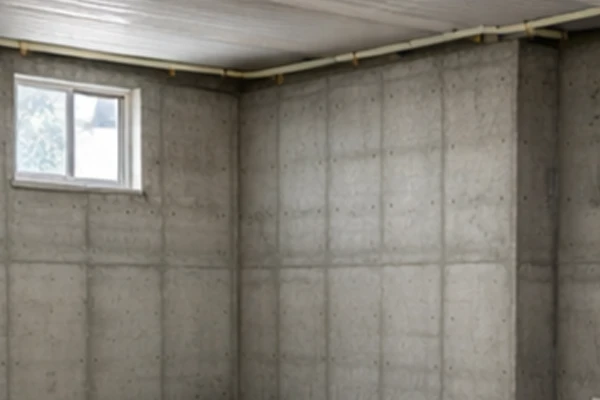
3. Basement foundations: Also widespread in Tennessee and North Carolina, basement foundations include full or partial below-grade walls. Repairs range from $5,000 to $25,000.
4. Pier and beam foundations: For Pier and beam foundations, the home sits on a system of vertical piers and horizontal beams. This design allows for targeted adjustments over time. Repairs range from $4,500 to $20,000.
On a square‑foot basis, homeowners usually pay:
- Minor repairs: $3–$10 per square foot
- Structural repairs: $10–$25+ per square foot
Based on contractor pricing data from 2024–2025, the median repair cost across these states remains close to $7,500, with modest increases expected in 2026 due to labor and material costs.
Repair Methods and Repair Costs
The effectiveness of a foundation repair depends heavily on using the right method for the specific problem. Soil conditions, foundation type, and the extent of movement all influence which solution will provide long-term stability rather than a temporary fix.
Common repair methods include pier systems, slabjacking, wall anchors, and crack repair, each designed to address different types of foundation movement.
Wall anchors are used to stabilize bowing walls in basements and can be a cost-effective solution for moderate foundation issues. Cost estimates for these repairs typically cover services such as helical pier installation, pressed pilings, polyurethane injection, and crack repair.
Repair methods such as pier systems and slabjacking are selected based on the type of foundation and the extent of movement.
Helical and Steel Piers
Piers transfer the weight of the home to stable soil below problem layers.
- Typical cost: $1,000 to $3,000 per pier
- Best for: Ongoing settlement, weak or expansive soils, long‑term stabilization
Slabjacking (Mudjacking)
A cement‑based slurry is pumped beneath the concrete slab to raise settled concrete.
- Typical cost: $500 to $1,500 per area
- Best for: Minor settlement without structural compromise
Polyurethane Injection
Polyurethane injections are a specialized, professional solution for fixing cracks, addressing sinking concrete, and restoring level surfaces quickly, with minimal invasiveness. Lightweight foam expands beneath the slab to lift and support it.
- Typical cost: $1,000 to $3,500
- Best for: Small voids, sealing cracks, quick lift, minimal disruption
Full Foundation Lifting and Stabilization
When major damage is widespread or structural integrity is compromised, full lifting and stabilization may be necessary.
- Typical cost: $15,000 to $30,000 or more
How to Choose the Right Repair Method
For significant foundation issues, consulting a licensed structural engineer with the right expertise helps ensure repairs address the root cause rather than surface symptoms. Experience matters when selecting a repair method, especially when soil conditions or structural movement are involved. Hiring a structural engineer for an unbiased evaluation can also help you get accurate quotes and avoid unnecessary repairs.
Homeowners should:
- Obtain at least three written estimates
- Compare materials and repair methods
- Review warranty coverage carefully
- Focus on addressing the most urgent structural issues first, rather than trying to cut corners on repairs that could allow movement or cause damage.
Long‑term solutions generally provide better value than short‑term fixes that may need repeating.
Severity, Accessibility, and Additional Expenses
The severity of foundation damage plays a major role in pricing. Hairline cracks are far less expensive to address than structural movement affecting walls, floors, or load‑bearing elements.
Accessibility also matters. Difficult repair situations, such as tight crawl spaces, limited yard access, or homes built on slopes, can significantly increase labor time and equipment costs.
Additional expenses homeowners often encounter include:
- Interior drywall and paint repairs
- Flooring removal or replacement
- Plumbing adjustments
- Drainage improvements
- Additional repairs, such as structural damage or drainage system updates, that may arise during the repair process and should be considered in your budget
Crawl Space Foundation Repairs
Crawl space repairs are especially common in Arkansas, Tennessee, and North Carolina.
Crawl space foundations present their own set of challenges that can lead to costly repairs if not managed proactively. Moisture buildup, soil erosion, and pest infestations are common issues in crawl spaces, and if left unchecked, they can cause significant water damage and compromise the entire foundation. Keeping a crawl space dry and properly ventilated helps reduce the risk of long-term damage and costly repairs.
Professional solutions such as crawl space encapsulation, drainage system installation, and polyurethane injections can effectively address cracks, leaks, and moisture problems. These repairs not only fix existing damage but also help prevent additional repairs down the line, saving you money and ensuring the stability of your entire foundation.
Limited access increases labor costs, while moisture issues often require additional solutions.
Crawl Space Encapsulation
Encapsulation seals the crawl space to control moisture and protect structural components.
- Typical cost: $5,000 to $15,000
Overall crawl space foundation repairs usually range from $4,000 to $18,000, depending on access, moisture conditions, and structural needs.
How to Save on Foundation Repair Costs: Preventing Foundation Problems
Preventive home maintenance is the most effective way to save on total costs and protect your home’s value for the long term. The key is to ensure your home’s foundation stands up to the challenges posed by local soil stability and weather conditions.
Here are some easy tips to remember:
- Regularly schedule free inspections with foundation repair professionals or at the first sign of trouble.
- Get multiple quotes from local contractors to compare estimates and find the best price for foundation repairs.
- Prioritize critical repairs to manage costs by addressing the most urgent issues first
- Ask contractors for temporary options as a stopgap solution if a complete fix is not affordable immediately. Address structural issues before cosmetic repairs.
- Maintain proper drainage around your home—install gutters and downspouts, and keep the area around your foundation clear of debris and overgrown vegetation. Good drainage helps prevent water from pooling near your foundation, which can lead to soil movement and costly repairs.
- When building or renovating, choose high-quality materials and foundation types that are designed to withstand your region’s specific soil conditions.
- When budgeting, be sure to ask questions about the scope of work, potential additional repairs like leveling or underpinning, and whether a payment plan is available.
These evaluations can catch early signs of damage, such as small cracks or minor settling, before they escalate into more serious issues that require higher costs to fix.
Ultimately, preventing foundation problems comes down to a combination of proactive maintenance, regular inspections, and a solid understanding of the factors that influence repair costs in your area.
By taking these steps, you can ensure your home remains safe, avoid costly repairs, and enjoy peace of mind knowing your foundation is built to last.
Why Choose PowerLift Foundation Repair
Foundation repair is not a place for guesswork, so choosing the right foundation repair company is essential. PowerLift Foundation Repair brings hands-on experience working in the soil conditions common throughout Oklahoma, Arkansas, North Carolina, Tennessee, and surrounding areas.
PowerLift provides accurate estimates, complete evaluations, engineered repair solutions, and long-term stability—not temporary fixes. Every repair is approached with a focus on long-term performance, using proven methods designed for lasting stability.
We are committed to providing customers with personalized, trustworthy service and peace of mind throughout the foundation repair process.
If you’re planning foundation repair in 2026, choosing PowerLift means working with a team focused on lasting repairs and clear answers, so your home remains supported for years to come. Get a free estimate today and contact us at 1-800-562-5438!