Ever found a crack in your wall and wondered if it’s more than just a cosmetic issue? Foundation problems can sneak up on you, but catching them early can save you from costly repairs down the line. Let’s uncover the common signs of home foundation problems, understand what causes them, and learn what you can do about them. Get ready to learn how to keep your home standing strong and stable!

Signs of foundation problems include the following:
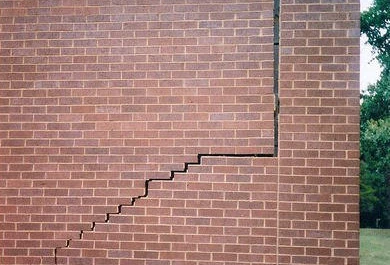
Signs of foundation problems

Common Signs of Foundation Problems

Your home’s foundation is critical to its structural integrity. When foundation issues arise, they can manifest in various ways, such as large cracks, settling, upheaval, and infestations. Here are some common signs to look out for:

Cracks in Walls and Floors
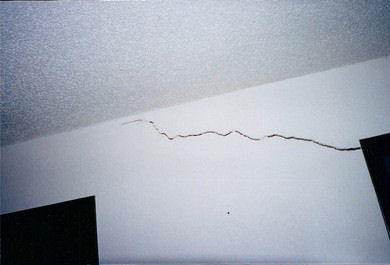
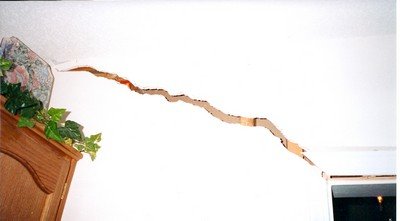
Signs of foundation problems - interior sheetrock cracking

Cracks can be alarming, but understanding their nature is key to identifying foundation problems.

Small, thin cracks in walls and floors might seem insignificant but can indicate foundation settlement. Hairline cracks, especially interior wall cracks, can indicate foundation settlement. These cracks often appear in the drywall and might be dismissed initially.

Found around door frames and windows, these cracks suggest significant foundation movement. Diagonal cracks, particularly in exterior wall cracks, suggest significant foundation movement. Cracks are more serious and typically require a thorough inspection.

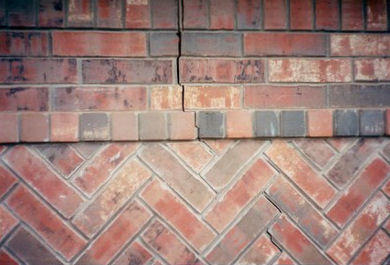
These cracks, which resemble a staircase pattern, are common in brick or block walls. They indicate foundation damage to your house foundation and should not be ignored.

Cracked Foundation and Walls

crack in masonry

Visible cracks in your foundation and walls are significant warning signs.

Cracks in your concrete foundation or slab foundation are serious issues. These can range from minor hairline cracks to big cracks that indicate severe structural problems. Cracks in exterior walls can also indicate significant foundation issues and should be inspected immediately.

Horizontal cracks or bowing in basement walls require immediate attention. These are often due to excessive pressure from outside soil or water damage.

Doors and Windows Sticking

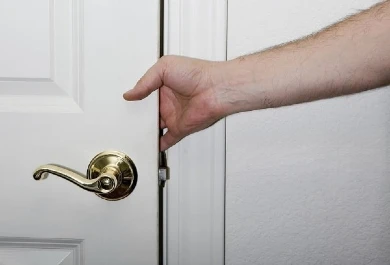
bad foundation, signs of foundation issues, doors sticking

Foundation issues often affect the alignment of doors and windows.

If your doors stick or don’t shut properly, it could be due to an uneven foundation. This is more noticeable in doors that previously functioned well.

Gaps between windows and walls are a sign of foundation shifts. Over time, these gaps can widen, causing drafts and energy inefficiency. A shifting foundation can be the cause of this.

Uneven or Sagging Floors

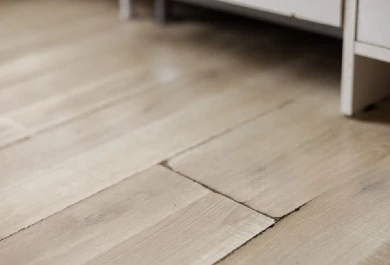
cracked tiles, foundation troubles, foundation problem

The state of your floors can reveal a lot about your foundation.

Noticeable dips or slopes in your flooring suggest foundation problems. Walking across an uneven floor can feel unsettling and is a clear sign something is amiss.

Floors that bounce or feel spongy when walked on indicate structural issues. This problem can be caused by weakened support beams or foundation shifts.

Moisture and Water Damage

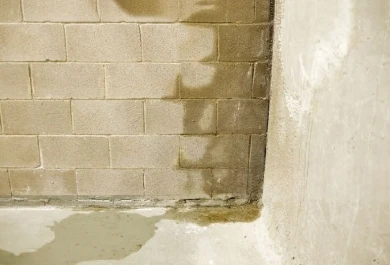
drainage issues, interior walls, house foundation

Water can cause major foundation damage if left untreated.

Excess moisture around your foundation can lead to a foundation settling. Look for warning signs of dampness or water pooling around the exterior of your home.

Signs of water intrusion in your basement or crawl space suggest drainage problems. Good drainage is crucial to maintaining a strong foundation.

Ceiling Gaps

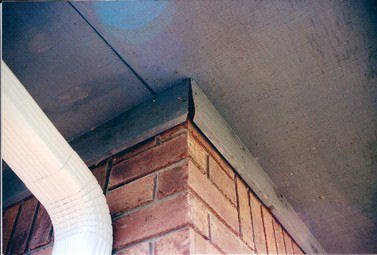
brick molding separating

If you notice gaps in your ceiling, you may have some foundation issues.

When a foundation, particularly in homes with crawl spaces, shifts or settles, it can cause gaps between the ceiling and the walls. These gaps are a clear indication of structural issues that may require immediate attention to prevent further damage.

Ceiling gaps may also result from settlement cracks in the foundation, often originating from issues in crawl spaces. As the foundation settles unevenly, it can pull apart the structure above, leading to visible gaps. It’s important to address these issues promptly to maintain the stability of your home.

Look inside your house for these signs of foundation problems:

  • Cracks in sheetrock on walls and ceiling
  • Doors that drag or stick
  • Gaps between ceiling and walls
  • Nails that are backing out of the sheetrock
Signs of foundation problems - sheetrock crack
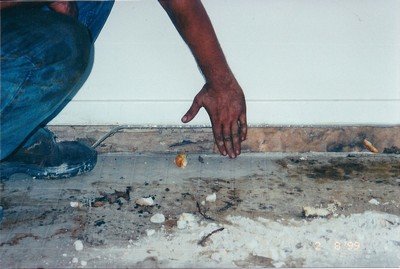
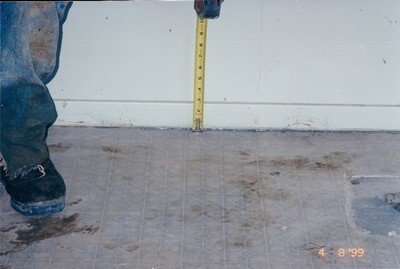
floor slab settlement

Look outside your house for these signs of foundation problems:

  • Cracks in the brickwork
  • Gaps between brickwork and doors and windows
  • Brick leaning away from garage doors
  • Fireplace leaning away from house
  • Sagging roofline
Signs of foundation problems

The Powerlift System is the most Advanced Foundation Repair system in the industry.

Once settlement occurs, additional support must be added beneath the foundation. The POWER Lift system hydraulically installs steel pilings under the foundation to ensure that no future settlement can occur. Our piers are driven to bedrock or an equal load-bearing strata to stop foundations from settling.

With the proper pier placement and installation, elevation losses due to settlement can be recovered, generally closing cracks in the brickwork as here. While 100% recovery is not always possible, POWER Lift has the knowledge and equipment to accomplish the best possible results.

Recognizing the signs of foundation problems, such as brick molding separating, is crucial for timely intervention. Addressing these issues early on can prevent further structural damage and costly repairs. Our team of experts uses advanced technology and proven methods to stabilize your foundation, ensuring the long-term safety and stability of your property. Trust POWER Lift to deliver exceptional results and restore your peace of mind.
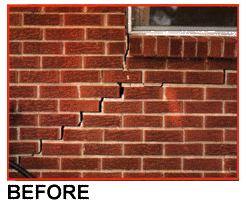
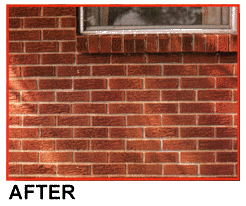
brick wall with cracks
after work

Frequently Asked Questions (FAQs)

Here are some common questions asked about a home’s foundation problems:

Preventing foundation issues involves regular maintenance and awareness. Here are some tips:

Maintain Proper Drainage

Gutters and Downspouts

Ensure your gutters and downspouts direct water away from your foundation. Regularly clean them to prevent blockages.

Landscape Grading

Make sure the ground around your home slopes away from the foundation. This prevents water from pooling and seeping into the foundation.

Monitor Soil Moisture

Consistent Moisture Levels

Keep the soil around your home at consistent moisture levels. Avoid letting it dry out or become overly saturated.

Watering Schedule

During dry periods, water the soil around your foundation to prevent it from shrinking. In wet seasons, ensure proper drainage to avoid waterlogging.

Regular Inspections

Professional Advice

Regularly consult with a foundation expert to identify and address potential issues early. Schedule inspections annually or after significant weather events.

Visible Signs of Foundation Issues

Keep an eye out for visible signs of foundation issues. This includes regularly checking for cracks, uneven floors, and moisture buildup.

Understanding what causes foundation problems can help you prevent them. Here are some common culprits:

Unstable Soil

Soil conditions play a significant role in foundation health.

Soil Shifts

Soil expansion and contraction can cause a settling foundation. This is particularly common in areas with clay soils that expand when wet and contract when dry.

Unstable Soil

Homes built on unstable soil are more prone to foundation issues. Soil movement can lead to uneven settling and structural damage.

Poor Drainage

Water management around your home is crucial.

Drainage Issues

Improper drainage can lead to water accumulation around your foundation. This excess moisture can weaken the soil and cause foundation shifts.

Water Accumulation

Water pooling around your home’s foundation weakens the soil. Consistent water exposure can lead to a sinking foundation over time.

Construction Errors

Quality of construction impacts foundation stability.

Bad Foundation

Poor construction practices can result in a weak foundation. Inadequate site preparation and poor concrete mixing can lead to a failing foundation.

Inadequate Reinforcement

Foundations lacking proper reinforcement are more likely to develop major cracks. Steel reinforcements are critical to maintaining structural integrity.

If you notice any signs of foundation issues, it’s crucial to act quickly. Here’s what you should do:

Get a Professional Inspection From PowerLift Foundation Repair

Foundation Inspection

A proper inspection can accurately diagnose the extent of foundation damage. Professionals use specialized tools to assess your foundation’s condition.

Structural Engineer

Consulting a structural engineer provides detailed insights and recommendations. They can identify the root cause of the problem and suggest the best repair methods.

Common signs include wall and floor cracks, sticking doors and windows, uneven floors, and moisture buildup around the foundation.

Cracks can indicate significant foundation movement and should be inspected by a professional immediately.

Even small cracks can signal underlying issues. It’s best to have them checked to prevent more severe damage.

Foundation cracks can be caused by soil shifts, poor drainage systems (including plumbing issues), unstable or moving soil, and construction errors.

Ignoring signs of foundation problems can lead to more severe issues and costly repairs. Here’s what you might face:

Repair Costs

Foundation repairs can be expensive, especially if problems are left unaddressed for too long. Early detection and repair can save thousands of dollars.

Structural Damage

Neglected foundation issues can cause significant structural damage. This can compromise your home’s safety and reduce its value.

Foundation problems can be a homeowner’s worst nightmare, but early detection and proper maintenance can keep your home safe and stable. By recognizing the signs of home foundation problems and understanding what causes them, you can take proactive steps to protect your investment. Remember, a strong foundation is crucial for your home’s structural integrity.

If you suspect any foundation issues, don’t hesitate to contact Powerlift Foundation. Our team of experienced professionals is here to provide thorough inspections, accurate diagnoses, and effective foundation repair solutions. Let us help you keep your home standing tall and proud for years to come.

Click here to Check out the Powerlift System…