

There are many types of home foundation systems to consider, and it’s an important choice to make because it determines just how stable and secure your home will be. With over 30 years of experience in the industry, Powerlift Foundation Repair has repaired all kinds of foundation systems. We’ll discuss each one here so you have a better understanding of the benefits and potential issues of every type.
1. Crawl Space Foundation
Crawl space foundations are supported by poured concrete walls sitting on deep footings that keep the structure stable. It acts as a buffer between the house and the ground and raises your home about 18 inches to 4 feet off the ground, leaving a small, ventilated space beneath the building. This crawl space is perfect for making home mechanicals like wiring and drainage pipes readily accessible.
- Average Price: On average, crawl space foundation installation costs $6-$18 per square foot.
- Maintenance: You need to regularly check for moisture buildup, pests, water damage, and insulation damage. Installing vapor barriers and having a proper drainage system in place can help prevent these potential problems.
- Best For: Homes in warmer climates or humid regions where moisture control is important.

| Benefits | Risks or Downsides |
|---|---|
| Prevents flooding by keeping the home above ground level | If your crawl space walls aren’t properly sealed, it can lead to mold and pest infestation |
| Easier access to pipes and electrical work | Poor ventilation can lead to moisture buildup and wood rot |
| Allows air circulation, which can help with moisture control |
2. Basement Foundation
These foundations require reinforced concrete foundation walls and a concrete floor. Basement walls are typically 7-8 feet tall, providing additional living space and storage space to homes. This type of foundation sits on concrete footings to keep your building anchored. A basement foundation has two kinds, namely full basements and daylight basements. The extra living space provided by a full basement is usually fully underground, while a daylight basement has at least one large window leading to the exterior, letting in sunlight (hence the name).
- Average Price: Basement foundations cost around $20-$37 per square foot.
- Maintenance: They require regular inspections for leaks and foundation cracks. It’s also best to install a sump pump (if you don’t already have one) and make sure it’s working properly throughout the year to prevent flooding.
- Best For: Basements work well in areas where the soil allows for deep excavation. However, they’re not the best choice for high water table areas that are prone to flooding.

| Benefits | Risks or Downsides |
|---|---|
| Extra storage space and/or living space |
Basement construction and materials are usually more expensive than crawl space or slab foundations |
| Offers insulation and keeps your heating and cooling costs low |
Requires proper waterproofing to prevent leaks and flooding |
| Adds to home value |
3. Slab-on-Grade Foundation
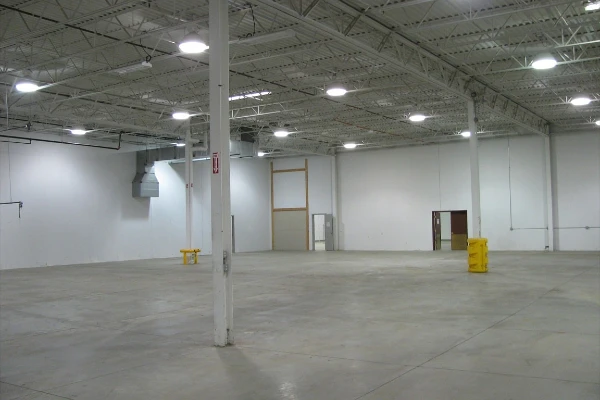
A slab-on-grade foundation is a type of concrete slab foundation that consists of a thick, solid layer of concrete (4-8 inches). This cement is poured directly onto the ground, creating the base of a home. Unlike other types of foundations, slab-on-grade foundations don’t require foundation footings. Additionally, plumbing and electrical lines are either embedded in the concrete or inside the house itself.
- Average Price: Slab foundations cost $5-$16 per square foot.
- Maintenance: Maintain good drainage and avoid planting large trees nearby because roots can cause soil movement and lead to cracking. In case you do find cracks, consider a foam foundation repair to rectify them.
- Best For: Works well in hot, dry climates.
| Benefits | Risks or Downsides |
|---|---|
| Affordable and quick to install | Harder to repair plumbing or electric lines if they’re buried in the slab |
| Low maintenance | Can crack due to soil movement, especially in areas with expansive clay soil |
| Resistant to pests like termites and rodents |
4. Stone Foundation
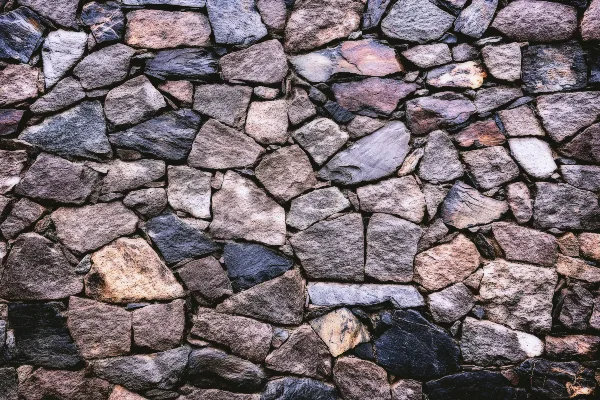
A stone foundation consists of large, natural stones stacked on top of each other and bonded with mortar. Although this type of foundation is less popular these days, it’s still possible to find stone foundations, especially if the homeowner is looking for a unique design.
- Average Price: According to Forbes, stone foundations cost roughly $15 per square foot.
- Maintenance: Repoint mortar joints (replacing old, deteriorating mortar with new mortar) and apply waterproof coatings every few years.
- Best For: Older homes to keep the historic charm alive.
| Benefits | Risks or Downsides |
|---|---|
| Can be durable with the right maintenance (many stone foundations last over 100 years) |
Moisture can seep in due to gaps between the stones |
| Gives properties a historical appearance |
Requires frequent repointing and sealing to prevent crumbling |
5. Pressure-Treated Wood Foundation
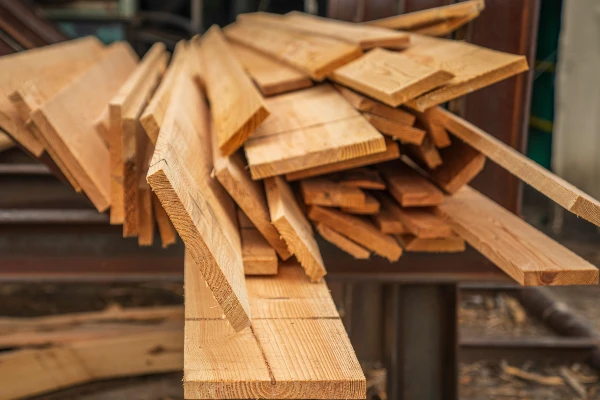
A pressure-treated wood foundation is built using specially treated, rot-resistant wood. The lumber is treated with preservatives to protect it from moisture, decay, and insect damage. These foundations are usually built over a drainage system that includes gravel and a waterproof barrier to keep water from soaking into the water. Instead of poured concrete, builders create wooden foundation walls and footings. Sometimes, they may also consist of a basement or crawl space.
- Average Price: Pressure-treated wood foundations cost $40 per square foot or more.
- Maintenance: Regular maintenance for moisture damage, termites, cracks, and shifting are necessary.
- Best For: This foundation works best in dry, well-drained areas where there’s minimal water exposure. It’s also commonly used for smaller homes, cabins, and prefabricated homes.
| Benefits | Risks or Downsides |
|---|---|
| Faster and easier to install compared to concrete foundations |
Susceptible to termites if not properly treated |
| Provides natural insulation, which makes your home more energy-efficient |
Can warp or rot without proper moisture control |
| Lightweight and flexible |
Less durable than concrete and may need reinforcement over time |
6. Pier and Beam Foundation
A pier and beam foundation is made up of concrete or wooden piers that hold up the structure of the house. These piers support horizontal beams that distribute the weight of the home. Unlike slab foundations, pier foundations leave a crawl space underneath the house. This protects the property from flood and can also serve as storage or parking space. Many homes built before the 1960s used this type of foundation, but it’s still widely used today, especially in areas with unstable or shifting soil.
- Average Price: Pier and beam foundations are typically in the $6-$12 per square foot price range.
- Maintenance: Homeowners should inspect the crawl space regularly, check for moisture, and consider adding a vapor barrier to protect the foundation from humidity.
- Best For: Most suitable for homes in flood-prone areas. Also works well for homes built on uneven terrain.

| Benefits | Risks or Downsides |
|---|---|
| Better access to plumbing and electrical systems |
Wooden beams can sag and cause uneven floors |
| Helps prevent flood damage by lifting the home off the ground |
Crawl spaces are prone to moisture buildup, potentially leading to mold and pest infestations |
| Doesn’t require extensive excavation |
7. Poured Concrete Foundation
A poured concrete foundation is one of the most durable foundation types out there. It uses solid concrete walls reinforced with steel bars to create a sturdy and stable base. It doesn’t have seams, which means it’s less prone to leaks and structural issues. This makes poured concrete foundations practical if you’re looking for something reliable and long-lasting. To install it, builders will excavate the foundation site, set up the formwork, pour the concrete, and let the concrete cure.
- Average Price: On average, poured concrete foundations cost $15-$40 per square foot.
- Maintenance: Inspect for cracks, manage your drainage system, and consider waterproof treatments to maintain poured concrete foundations.
- Best For: Homeowners who prefer a quick installation and homes with soil conditions that can support deeper foundations.

| Benefits | Risks or Downsides |
|---|---|
| Durable and long-lasting |
Excavation is involved |
| Resistant to moisture, termites, and soil pressure |
Repairs can be expensive if cracks develop in the concrete |
| Provides strong structural integrity |
8. Insulated Concrete Form (ICF) Foundations
An insulated concrete form (ICF) foundation is a modern take on tradition poured concrete. Instead of plain concrete, ICF construction involves stacking insulated foam blocks and filling them with concrete. The insulated form blocks stay in place even after the concrete sets, acting as permanent insulation and increase your home’s energy efficiency.
- Average Price: ICT foundations cost approximately $18.25-$31.75 per square foot.
- Maintenance: Little maintenance is required beyond periodic inspections and checking whether the waterproofing remains intact.
- Best For: Houses in regions with a cold local climate and intense freeze-thaw cycles.

| Benefits | Risks or Downsides |
|---|---|
| Energy efficient |
Higher initial cost |
| Resistant to weather conditions |
Requires specialized installation |
| Provides soundproofing and insulation |
Need Professional Help or Advice?
No matter the house foundation type, our experienced team at Powerlift Foundation Repair knows everything when it comes to effective and long-lasting foundation repair services. If you’re in Oklahoma, Arkansas, North Carolina, Tennessee, or Arizona and you find yourself dealing with foundation issues, we’re always ready to help!
Visit our website or contract us toll-free from anywhere in the country at 1-800-562-5438.