

When homeowners think about foundation problems, cracks in walls or uneven floors usually come to mind first. What often goes unnoticed is what lies underneath the home. Soil quality plays a major role in your home’s stability, and the type of soil beneath your property can directly affect foundation performance over time.
At Powerlift, we regularly see how soil conditions contribute to foundation damage, uneven settling, and costly repairs. Understanding soil quality and your home’s stability helps homeowners make smarter decisions, spot problems early, and protect their investment for the long term.
Why Soil Quality Matters More Than You Think
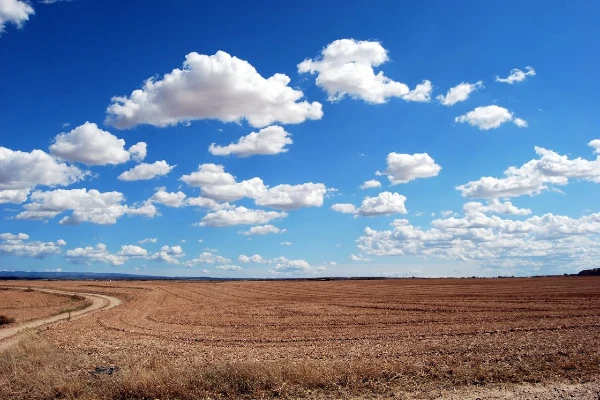
Your home’s foundation relies on the soil beneath it for support. This soil acts as the base that carries the weight of the entire structure. If the soil is unstable, poorly compacted, or prone to movement, foundation stability becomes compromised.
Different soil types behave in different ways. Some retain water, others drain too quickly, and some expand or contract with changes in moisture levels. These behaviors directly influence soil movement, foundation cracks, and structural integrity.
Soil quality and your home’s stability are closely connected. When soil shifts, erodes, or loses strength, the foundation above it reacts.
Understanding Common Soil Types Beneath Homes
There are several common soil types found beneath residential properties, each with unique characteristics.
Clay Soil and Expansive Clay Soil
Clay soil is common in many areas prone to foundation issues. Expansive clay soil absorbs water and swells, then shrinks as it dries. This constant expansion and contraction causes soil shifting and uneven settling.
Homes built on clay soil often experience foundation cracks, sloping floors, and sticking doors. Clay soil can retain water, leading to poor drainage and standing water near the foundation.
Sandy Soil
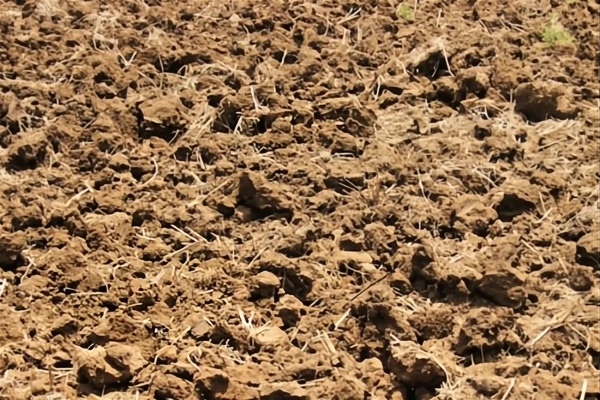
Sandy soil drains water quickly, which can be beneficial for moisture control. However, sandy soil may lack sufficient load bearing capacity. Without proper compaction, it can shift under pressure, leading to foundation movement.
Silty Soil
Silty soil holds moisture longer than sandy soil but drains better than clay. It can become unstable when saturated, especially during heavy rain. Soil erosion and shifting soil are common concerns with silty soil.
Organic Material in Soil
Soil with high organic material content tends to decompose over time. As organic material breaks down, the soil loses volume, which can lead to uneven settling and foundation damage.
Understanding soil composition is critical for foundation design and long term stability.
Soil Conditions and Foundation Stability
Soil conditions directly affect foundation stability. Poor drainage, unstable soil, and improper compaction can weaken the soil beneath a home. When water flow is not managed properly, moisture content increases, leading to soil erosion and foundation movement.
Stable soil provides a solid foundation base. Unstable soil leads to shifting soil, uneven floors, and costly foundation repairs. Foundation stability soil concerns are one of the most common reasons homeowners contact Powerlift.
Signs Soil Issues Are Affecting Your Foundation
Soil problems often show themselves through visible symptoms in the home. These signs should never be ignored, as early action can prevent extensive damage.

Some common warning signs include:
- Uneven floors or sloping floors
- Cracks forming in foundation walls or exterior walls
- Doors and windows that do not close properly
- Standing water or pooling water around the foundation
- Foundation cracks that continue to grow
- Uneven settling of the structure
These are clear signs of foundation issues that may be linked to soil movement, moisture levels, or unstable soil conditions.
The Role of Water and Drainage
Water plays a major role in soil behavior. Proper drainage helps maintain consistent moisture levels in the soil. Poor drainage lets water to collect near the foundation, increasing soil movement and pressure against foundation walls.
Heavy rain, poor drainage systems, and clogged drainage paths can cause water to pool near the home. Over time, this leads to soil erosion and foundation damage.
Good drainage solutions such as french drains, ground cover, and proper grading help direct water away from the foundation. Retaining walls and adding retaining walls may also help stabilize soil on sloped properties.
Soil Testing and Why It Matters
Professional soil testing provides valuable insight into soil strength, soil composition, and moisture content. Soil testing helps determine load bearing capacity and identifies potential risks before foundation failure occurs.
Early testing is especially important for construction projects, new foundation design, or homes showing early signs of foundation problems. Professional soil testing allows foundation specialists to recommend soil stabilization techniques that match the property’s unique conditions.
Soil Stabilization Techniques Used by Professionals
When soil issues are identified, several soil stabilization techniques may be used to create a stronger foundation base.

Mechanical Stabilization
Mechanical stabilization involves improving soil strength through compaction and the addition of stable materials. Proper compaction reduces air gaps and limits soil shifting.
Chemical and Soil Stabilization Techniques
In some cases, additives are used to improve soil stability. These techniques help create a stable base for building foundations and deep foundations.
Retaining Walls and Additional Support
Retaining walls help prevent soil erosion and manage water flow on sloped properties. Additional support systems may be used when uneven settling has already occurred.
Drainage Improvements
Improving drainage systems is one of the most effective methods for long-term stability. French drains, proper grading, and good drainage practices help control moisture levels.
How Soil Issues Lead to Foundation Damage
When soil loses stability, the foundation above it begins to react. Uneven settling causes stress on foundation walls, leading to cracks and structural issues.
As soil shifts, it can pull away from the foundation in some areas while pushing against it in others. This uneven pressure causes foundation cracks and can lead to foundation failure if left untreated.
Foundation damage linked to soil issues often worsens over time. What starts as small cracks can become extensive damage affecting the entire structure.
Preventative Measures Homeowners Can Take
Homeowners can take several preventative measures to protect their foundation from soil-related issues.
- Maintain good drainage around the home
- Prevent roots from growing too close to the foundation
- Use ground cover to reduce soil erosion
- Address standing water promptly
- Schedule regular foundation inspection appointments
- Monitor moisture levels during dry and wet seasons
Preventative measures reduce the risk of soil shifting and help maintain long-term stability.
Foundation Inspection and Early Detection

Foundation inspection is a critical step in protecting your home’s structural integrity. Regular inspections allow professionals to identify early signs of foundation issues caused by soil conditions.
Early detection helps homeowners avoid costly repairs and extensive damage. Foundation inspection also helps determine whether foundation repair or soil stabilization is needed.
At Powerlift, inspections focus on soil conditions, foundation cracks, uneven settling, and moisture issues to identify root causes rather than just surface symptoms.
The Impact of Poor Soil on Home Value
Soil problems do not just affect the structure of the home. They also impact property value. Homes with visible foundation damage or known soil issues may be harder to sell and require repairs before closing.
Investing in soil stabilization and foundation repair protects both the home and its long-term value.
Building a Stronger Foundation from the Ground Up
A stronger foundation starts with a stable base. Soil strength, proper compaction, and good drainage all work together to support building foundations.
Foundation design must account for soil types, moisture content, and load-bearing capacity. Deep foundations may be required in areas prone to unstable soil or heavy rain.
A solid foundation built on a stable base protects the entire structure and supports long-term stability.
Why Powerlift Focuses on Soil as Much as the Foundation
At Powerlift, we know that fixing the foundation without addressing soil issues leads to further damage down the road. Soil quality and your home’s stability go hand in hand.
Our approach considers soil conditions, drainage, and foundation performance together. This allows us to provide effective methods that address the root cause of foundation problems.
Soil and Home Stability
Soil quality plays a crucial role in your home’s stability. From expansive clay soil to sandy and silty soil, each type presents unique challenges that homeowners must understand.
Early testing, proper drainage, and professional inspections help prevent extensive damage and costly repairs. Paying attention to soil issues protects your home’s structural integrity and supports long-term stability.
If you are noticing uneven floors, cracks, or drainage problems, Powerlift is ready to help. Our team specializes in identifying soil-related foundation issues and providing tailored solutions that protect your home from the ground up. Contact us today!
