

There are only a handful of things more important than your home’s structural integrity. To keep your home safe, steady, and standing upright, preventing home foundation issues should be at the top of your priority list when it comes to home maintenance. Taking a proactive approach to protect your home’s foundation can give you peace of mind while helping you save costly repairs down the line.
Related Article: What Is Pier Foundation Made Of?
Powerlift Foundation Repair is here to help homeowners take care of their house foundation to prevent structural damage. Let’s go over the early signs of foundation issues to keep an eye out for and talk about the best strategies to prevent significant structural issues. We hope these tips help you keep your home secure for years to come!
It’s best to address any foundation problem as soon as possible to prevent further damage and higher foundation repair costs. When you’re actively searching for signs of foundation issues, it will be easier for you to quickly catch problems related to your home’s foundation. Early discovery means you can get them promptly fixed to restore your home’s structural integrity.
1. Interior Wall Cracks
If you find cracks in your interior walls, it may be a sign of foundation movement that could lead to other kinds of foundation damage. Vertical cracks, specifically, can indicate foundation settling, though they’re often not as serious as horizontal cracks which suggest soil movement beneath the foundation. Diagonal cracks are also concerning, especially if you notice them growing in size over time.
2. Exterior Wall Cracks
The rule of thumb is that if you find hairline cracks or relatively minor cracks in your exterior walls, there’s no need to stress yourself out right away.
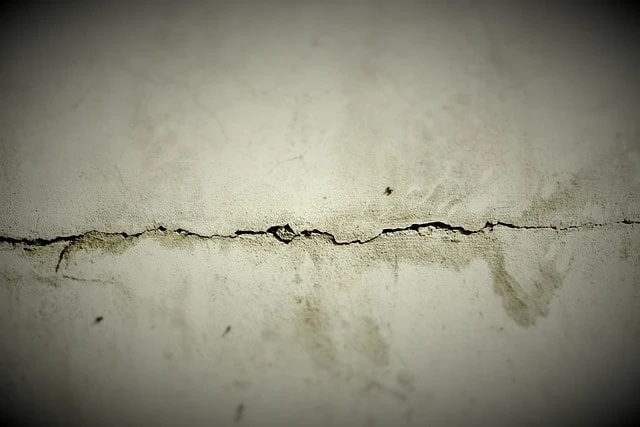
While these types of cracks could still indicate foundation problems, that’s not always the case. It’s when you notice stair-step cracks (or diagonal cracks and zigzag-patterned cracks) that you should pay closer attention. These cracks can indicate more serious issues like foundation upheaval, shifting, or settling.
3. Compromised Floors
If you notice issues with your flooring such as unevenness, bounciness, and sagging, you may be dealing with foundation shifts and foundation settlement.
- Uneven Floors or Sagging Floors: You may notice subtle and extreme dips in your floors, which could point toward significant settling or shifting.
- Bouncing Floors: You may have a foundation problem if your floors feel “bouncy” beneath your feet. This can be caused by weakened support beams or joists due to your foundation sinking or moving.
4. Sticking Doors and Windows
Sticking doors and windows can signal foundation issues. This is when doors don’t properly fit in door frames anymore and when window frames are misaligned. This can be caused by an uneven foundation along with the unstable soil beneath it.
5. Mold Growth
You may have a bad foundation if you notice mold growth in your home, especially in your crawl space, basement, or exterior walls. Excess moisture and leaks could be the culprits in these cases. Water may be leaking through foundation cracks, leading to poor drainage and water accumulation.
6. Leaning Chimney
One of the common signs of foundation issues is a leaning chimney. In most cases, it’s a clear indication of foundation problems. It’s a sign that your foundation is failing to properly support the chimney, thus causing it to noticeably lean to one side.
How to Prevent Home Foundation Issues
To prevent home foundation issues and avoid catastrophic structural damage, timely intervention is key. Catching and solving potential problems early on can save you from the headache of endless foundation repairs (and the expenses that come with them).
Here are some of the ways you can keep your foundation in top shape:
1. Conduct Regular Inspections
Regular foundation inspection visits and periodic maintenance are the most important practices when it comes to preventing foundation issues. A foundation inspection can help you pinpoint signs of foundation issues like foundation cracks, foundation shifts, and other problems that could threaten the structural integrity of your home.
Maintain Foundation Walls
If you have a basement foundation, crawl space foundation, slab foundation, or pier and beam foundation, it’s important that you properly maintain the crawl space walls and basement walls. Keep an eye out for signs of foundation issues on your walls and have them addressed as soon as possible to prevent the worst of it.
Monitor for Cracks and Shifts

Keep an eye out for new and growing cracks in your walls as it can be a sign of a bad foundation. While it’s easy to brush aside small cracks, they can still be indications of serious foundation damage, especially if they aren’t properly addressed.
Similarly, you can tell there have been foundation shifts if you’re suddenly experiencing bouncing floors or uneven floors, as well as sticking doors and windows. With regular inspections, you can spot these common signs of foundation problems quickly before they lead to even more costly repairs.
2. Properly Grade the Soil
If your soil slopes toward your home, water will accumulate around your foundation walls or components every time it rains, which can lead to all sorts of water damage and foundation issues. This is why proper soil grading is essential to prevent foundation problems. The goal is to grade or shape the soil away from your house foundation to prevent water from pooling near your foundation. The rule of thumb is that the grade must drop 6 inches over the first 10 feet away from your foundation.
Now, you still have to monitor the soil around your house after properly grading it. Keep an eye out for indications of soil erosion, water accumulation, and soil movement, as these can compromise your slope. Should you face any of these issues, add more soil as needed to maintain the proper slope.
3. Control Moisture Levels
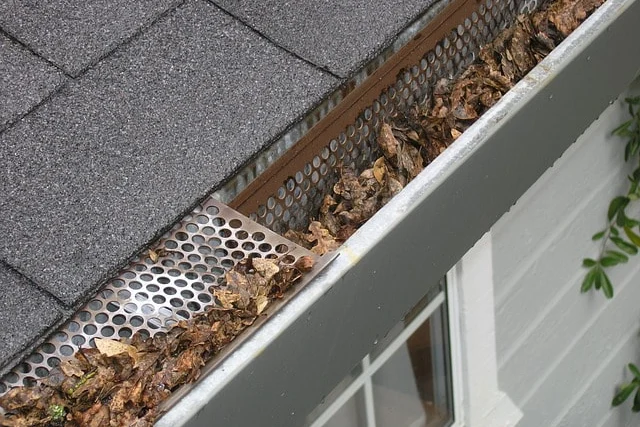
Excess moisture buildup can lead to issues like soil expansion, foundation erosion, water damage, and mold and mildew growth. To prevent these issues, you have to control the moisture levels of the soil beneath your foundation and ensure stable soil. Specifically, you want to regularly check for signs of excess moisture (e.g. mold, mildew, visibly damp spots, and musty smells). Additionally, you want to keep your gutters and downspouts clean and unclogged to ensure that the water gets redirected to its proper place. Check for leaks in your drainage system and repair them promptly to avoid moisture and water issues.
4. Avoid Excessive Weight
Excessive weight in your property can lead to foundation problems like cracks, shifting, and settling. It’s important to remember that your foundation does have a limit, and overloading it when it’s not designed to carry such weight can only lead to damage.
The solution is to make sure there aren’t any excessively heavy objects or equipment near or on the foundation. It’s best to spread out the load throughout your home so your foundation can handle it better.
5. Consider the Placement of Plants and Trees
Large trees with equally large tree roots can compromise or damage your foundation. Additionally, plants and trees absorb a lot of water, which can affect the moisture levels and stability of the soil surrounding your foundation. If you’re just thinking of planting trees and plants, we advise planting your trees and vegetation at least 10 to 15 feet away from your foundation. Smaller plants can be planted nearer, but it’s still wise not to plant them directly next to the foundation.
However, if you already have existing trees and plants, you can:
- Trim back roots that are getting too close to your foundation.
- Install root barriers that block the roots from making contact with your foundation.
- Relocate your existing plants and place them at a proper distance away from the foundation.
6. Ensure Proper Drainage
Fixing poor drainage is part of controlling moisture levels in your soil. You want to be proactive by looking for existing drainage issues and plumbing issues that could wreak havoc in your crawl spaces and basement foundations. Repairing these issues guarantees that leaks are fixed, which helps prevent water damage and keeps your foundation in good shape.

Aside from carrying out these repairs, you can also install a sump pump or any drainage system that works for you to manage water and moisture near your foundation.
7. Carry Out Seasonal Care
For your foundation’s long-term stability, it’s important to carry out seasonal care. Here’s what you need to do during each season:
Spring
Look for winter damage such as foundation cracks and roof leaks. Remember to clear out your gutters and downspouts to make sure they can handle rainfall, and check for proper water drainage around your foundation.
Summer
During the summer, you want to pay attention to your irrigation system to avoid overwatering, which can lead to soil expansion or erosion. This is also the best time to do some root trimming, especially if the roots are getting dangerously close to your foundation.
Fall
Lots of fallen leaves and twigs are expected during the fall, so make sure your gutters and downspouts are clear and unclogged by random debris. Regularly check your gutters and downspouts throughout the season. Additionally, you want to check your foundation for cracks that may have appeared during the summer.
Winter
For colder seasons, your top priority is to check for ice dams on your roof, which could cause moisture issues and water damage. Pay attention to your heating systems and make sure they’re working as intended to prevent your pipes from freezing and causing foundation problems.
Why Call the Pros
Not all foundations are the same, which is why you need professionals who can provide solutions that suit your exact needs. Whether you’re dealing with exterior wall cracks, interior wall cracks, shifting concrete slabs, or other foundation problems, professional advice from a structural engineer or foundation specialist can help ensure the stability of your house foundation.
Powerlift Foundation Repair
Powerlift Foundation Repair OKC has the most efficient solutions to all your foundation problems. As leaders in the foundation repair industry, you can rely on us to meet your unique needs and get your home back on a sturdy foundation.
Contact us today at 800-562-5438 to get started or visit our website for a free estimate!