

When it comes to ensuring the stability and longevity of your home, the foundation is the most critical component. Among the various foundation types, pier foundations stand out for their ability to provide robust support, especially in areas with challenging soil conditions. Pier foundations often utilize reinforced concrete for their compressive strength, resistance to tensile strain, and ability to withstand environmental stresses.
Whether you’re considering a pier and beam foundation for your new home or need to address issues with an existing foundation, understanding the different types of pier foundations and what they’re made of is essential. Compared to a slab foundation, which consists of a solid concrete slab poured directly onto the soil, pier foundations provide a crawlspace that allows for easier access to plumbing and electrical systems beneath the home.
Related Article: Are There Eco-Friendly Options Available For Foundation Construction?
At OK Foundation, we specialize in providing expert solutions for all your foundation needs, from concrete pier foundations to helical piers and more. In this comprehensive guide, we’ll explore the materials, construction processes, and advantages of different pier foundations, helping you make informed decisions about your home’s foundation.
Understanding Pier Foundations
Pier foundations are a type of deep foundation system designed to transfer the load of a building to the ground through vertical pillars known as piers. Unlike slab foundations, which consist of a solid concrete slab poured directly onto the soil and spread the load across the ground, pier foundations concentrate the weight on specific points, making them ideal for areas with unstable or expansive soils. These foundations are often used in residential buildings, especially those located on sloped lots or in regions with a high water table.
The main difference between pier foundations and other types of foundations, like slab or basement foundations, lies in their adaptability to various soil conditions. Pier foundations can be constructed using different materials, each chosen for its ability to withstand the specific environmental factors present at the construction site.
Components of Pier Foundations
A pier foundation consists of several key components, each playing a crucial role in the foundation’s overall performance. Understanding these components is essential for grasping the full scope of what a pier foundation is made of.
Piers
The primary structural elements are vertical columns that penetrate the soil to a depth where the ground is stable. These can be made from materials like concrete, steel, or masonry.
Footings
Located at the base of each pier, footings help distribute the load of the structure evenly across the soil. This prevents the piers from sinking or shifting, which is particularly important in areas with expansive or decomposed rocks.

Caps
Caps are flat sections that connect the piers to the beams of the structure, ensuring that the load from the building is evenly transferred to the piers.
Beams
Pier and beam foundations include horizontal beams that rest on top of the piers, supporting the structure above. These beams can be made from wood, steel, or concrete. Wooden beams, in particular, span across concrete or wooden posts that are elevated above the ground, providing structural support and creating crawlspaces for easy access to plumbing and electrical systems.
Foundation Walls
In some cases, retaining walls are constructed between the piers to provide additional support and stability, especially in sloping floors or areas with significant ground vibration.
Materials Used in Pier Foundations
The materials used in pier foundations are selected for their strength, durability, and ability to withstand the soil environment. Reinforced concrete, known for its compressive strength and resistance to environmental stresses, is a preferred material for ensuring the stability and durability of structural elements like concrete piers. Here’s a closer look at the most common materials:
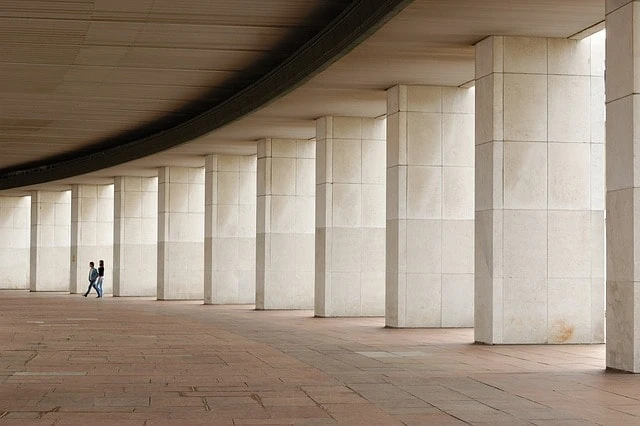
Concrete
A popular choice for pier foundations due to its strength and durability. Concrete piers are often reinforced with steel rods or steel pipe to enhance their load-bearing capacity. These are typically poured in place, with the concrete being cast directly into the drilled holes. Concrete-filled piers offer excellent stability and are commonly used in residential and commercial buildings.
Steel
Particularly useful when surface soil is too soft or unstable to support a concrete pier foundation alone. Steel rods or pipes are driven deep into the ground to reach stable soil layers, providing a solid base for the structure. Steel piers are known for their high load-bearing capacity and resistance to corrosion, making them ideal for long-term use.
Masonry
Made from bricks or blocks are sometimes used in pier and beam foundations. Masonry piers may not be as strong as concrete or steel. However, they can be a cost-effective solution for smaller structures or buildings with lighter loads. These piers are typically reinforced with steel bars to improve their strength and stability.
Wood
In older or smaller structures, wooden posts or beams may be used in pier and beam foundations. However, due to their susceptibility to rot, insect damage, and warping, wood is less common in modern construction. When used, wood is typically treated to resist moisture and decay, but it is generally not recommended for areas with high moisture levels or where long-term durability is a concern.
Helical Piers
Helical piers are screw-like steel shafts that are driven into the ground to provide support for a structure. These piers are particularly useful in areas with soft or unstable soils, as they can reach deeper, more stable soil layers. Helical piers are often used in foundation repairs or for supporting lighter structures like decks or porches.
Types of Pier Foundations: Helical Piers
There are several types of pier foundations, each designed to address specific construction needs and soil conditions. The choice of foundation type will depend on factors like the size and weight of the structure, the soil environment, and the local climate.
Concrete Pier Foundations
One of the most common types, offering excellent stability and load-bearing capacity. These foundations are often used in residential construction, particularly in areas with expansive or unstable soils. Concrete caissons or drilled caissons are variations of concrete piers, where the piers are cast in place using a cylindrical mold.
Pier and Beam Foundations
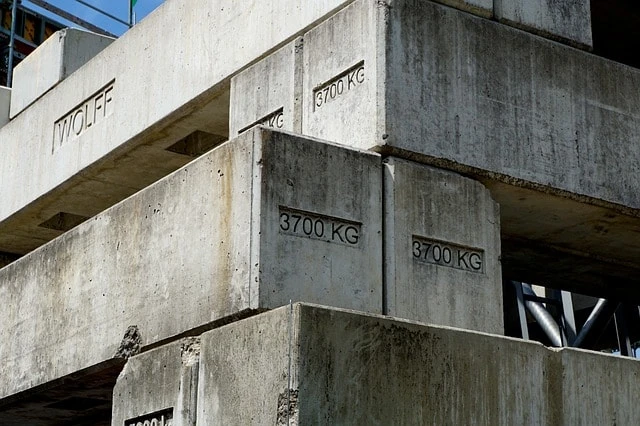
Pier and beam foundations consist of vertical piers supporting horizontal beams that, in turn, support the structure above. This type of foundation is common in older homes or in areas with poor drainage, where a raised foundation is necessary to prevent moisture from seeping into the house.
Steel Pier Foundations
Often used in commercial construction or in situations where the soil is particularly challenging. The steel piers are driven deep into the ground to reach stable soil layers, providing a solid base for the structure.
Masonry Pier Foundations
Constructed from bricks or blocks and are often used in lighter structures or where cost is a concern. These piers are typically reinforced with steel bars to improve their strength and stability.
Helical Pier Foundations
Helical piers are steel shafts with screw-like ends that are driven into the ground. They are particularly useful in foundation repairs or in situations where the soil is too soft to support other types of piers.
Installation Process of Pier Foundations
The installation of a pier foundation involves several steps, each critical to the foundation’s overall performance:
- Site Evaluation: The first step is to evaluate the soil conditions and prepare the site. This includes clearing the area, leveling the ground, and marking the locations for the piers.
- Drilling or Digging Holes: Holes are drilled or dug at the marked locations to the required depth, reaching stable soil strata. In some cases, drilled caisson or concrete caisson techniques are used to create the pier shafts.
- Placing or Pouring Piers: Depending on the type of pier, the piers are either placed into the holes or concrete is poured into the drilled shafts. For steel piers, the shafts are driven into the ground using specialized equipment.
- Installing Footings: Footings are placed at the base of each pier to distribute the load evenly. This is particularly important in areas with expansive soils or where ground vibration is a concern.
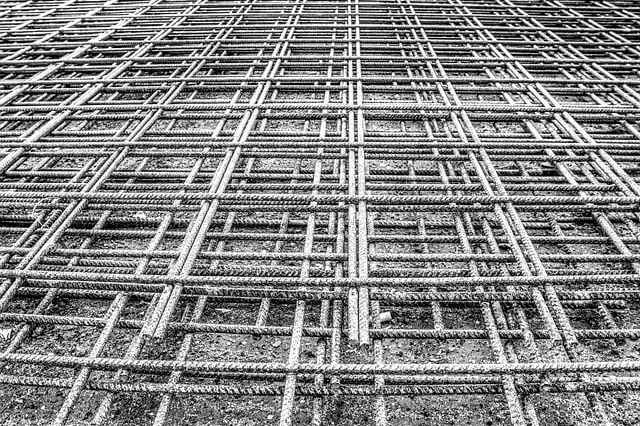
- Curing and Reinforcement: If concrete is used, it needs time to cure and harden. During this time, the piers are reinforced with steel rods or other materials to enhance their strength.
- Connecting Caps and Beams: Once the piers are set, caps are installed. This connects the piers to the beams or slabs that will support the structure above.
Common Issues and Maintenance: Foundation Failure
While pier foundations offer numerous advantages, they are not without their challenges. Foundation failure can occur due to poor construction, inadequate bearing capacity, or soil movement. Common signs of foundation issues include sloping floors, sticking windows, and creaking floors. Regular inspection and maintenance are essential to ensure the longevity of a pier foundation.
Soil Movement
Soil movement is one of the leading causes of foundation failure. Expansive soils can shift or expand with changes in moisture levels, causing the piers to move or settle unevenly. In such cases, additional piers or helical piers may be required to stabilize the foundation.
Water Damage
Water can weaken the soil around the piers, leading to foundation failure. Proper drainage and waterproofing measures are essential to protect the foundation from moisture-related issues.
Structural Damage
Over time, the structure supported by the pier foundation may settle or shift, leading to cracks in the walls or floors. This is often a sign of foundation failure and should be addressed promptly.
Maintenance and Repairs
Regular maintenance, including inspections and repairs, is crucial to ensure the longevity of a pier foundation. Whether it’s sticking windows or sloping floors, it is important to address them to prevent further damage.
Understanding what a pier foundation is made of and the various materials and types available can help homeowners make informed decisions about their foundation needs. Whether it’s concrete piers, steel piers, or masonry piers, each type offers unique benefits and challenges. Choosing the right foundation and maintaining it ensures your home’s stability and longevity.
For those facing foundation issues, including the need for pier and beam foundation repair, a thorough inspection from OK Foundation professionals can provide peace of mind and help solve issues related to foundation failure. Pier foundations can provide a strong, stable base for homes, even in the most challenging soil conditions.
Ready to secure your home’s foundation? Contact us today for a free inspection and expert advice on the best foundation solutions for your property.
