

Worried about potential foundation failures? It’s something most homeowners unfortunately don’t think about until it’s too late. As experts in all aspects of foundations, our Powerlift Foundation Repair team has seen one too many such cases. So, we’re here to help you protect your home’s structural integrity by familiarizing you with the most common causes of residential foundation failure and the solutions to each.
Related Article: Soil Quality and Your Home’s Stability
1. Poor Soil Conditions
Unstable soil beneath your home is a common cause of foundation failure. This is because the soil supporting your home’s foundation is unreliable and unsteady, which can lead to a number of problems.
Soil types play a big role in whether or not the soil surrounding your property is ideal for the type of foundation you’ve got. For example, clay soil—which is a common soil type in Oklahoma—experiences soil shrinkage and expansion when in wet and dry conditions. This constant movement and changes in moisture content can eventually lead to foundation issues like settlement and large cracks in your foundation. Similarly, natural phenomena like soil erosion can occur and gradually displace the soil your house relies on, leading to equally concerning problems.

Solution: Assess the Soil Type Before Construction
Before building a new structure on a patch of land, make sure to hire a geotechnical engineer or foundation specialist to test the soil you wish to build on. This way, you can address the issue right away before any construction begins.
Now, if your house is already built and you want to fix potential issues with your soil, you can still consult a geotechnical engineer or foundation specialist and they’ll recommend solutions to your specific problems. Afterward, you can rest assured that you don’t end up with a home similar to the Leaning Tower of Pisa—which is actually a famous example of foundation failure due to poor soil conditions.
2. Natural Foundation Settlement
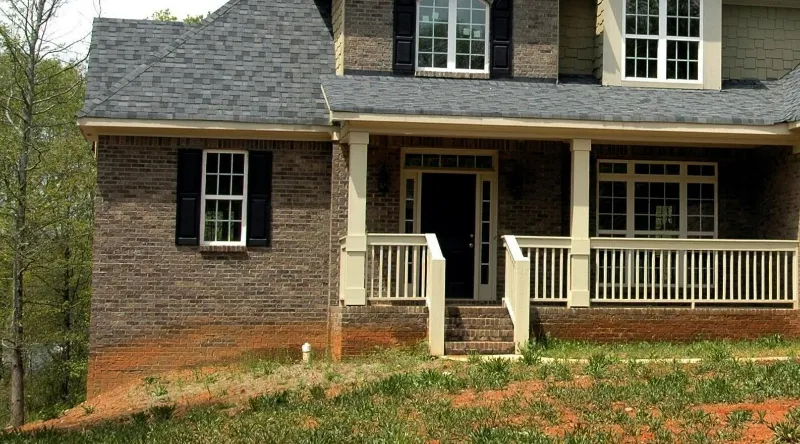
The foundation moves on its own over time due to the soil beneath your house compressing under the weight of the building. While this is normal, there are times when it becomes a serious problem. Basically, minor issues like small cracks and misaligned doors can be repaired with no problem. But in extreme cases, the settling becomes excessive and you’re left to deal with problems like too-large cracks in the foundation walls and differential settlement.
Solution: Keep an Eye Out for Signs of Excessive Foundation Settlement
Be proactive and monitor your home for signs that your foundation is settling excessively. This can include oversized cracks in walls, sloping floors, sticking doors and windows, gaps between ceilings and walls, water damage in the basement or crawl space, and a leaning chimney. Then, call a foundation expert in your area. They can tell you whether it’s just a case of natural foundation settlement or if you truly are dealing with a more serious issue.
3. Plumbing Issues
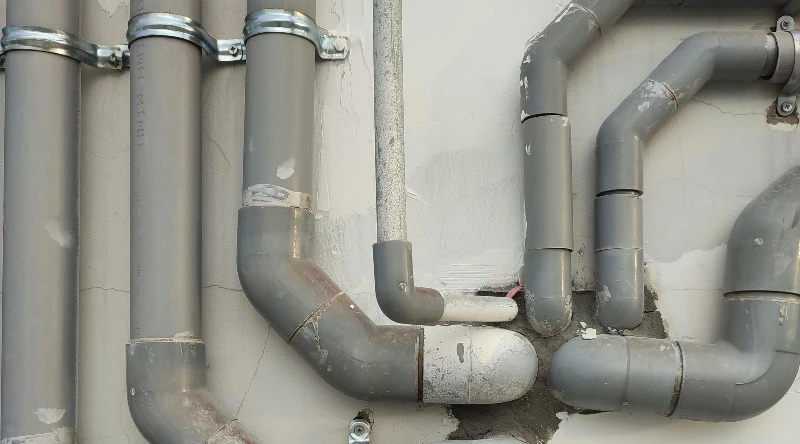
If you’re plumbing leaks water, then foundation problems are unavoidable. Leaky plumbing may not seem like a big deal at first, but the leaking water can seep into the foundation or basement wall, as well as the soil beneath your home. This can then affect the moisture content of the soil, leading to expansion, shrinkage, and overall instability. Aside from that, plumbing issues can also create pressure on the foundation itself, which can only lead to bad news.
Solution: Regular Plumbing Maintenance and Inspection
Since they’re out of sight, homeowners don’t really think about their plumbing frequently. However, if you want to prevent water damage and moisture issues that could compromise your home’s foundation and support, the smart move would be to do regular maintenance and inspection. As soon as you discover any signs of drips, dampness in walls, puddles on the floor, and an inexplicable increase in your water bill, call a professional to fix your leaky plumbing.
4. Faulty Foundation Design and Construction
Another major contributor to foundation problems is faulty design and construction. For structures, the foundation is the critical base that keeps the property steady and standing. So, if your foundation wasn’t designed or built well from the start, foundation failure is bound to happen at some point. A faulty foundation design can refer to the wrong type of foundation while improper construction can include poorly chosen materials and rushed construction processes.

Solution: Find a Reputable Foundation Company
Your foundation is one of the most important investments you can make, so find reputable and reliable professionals to build it for you. Trust experts like Powerlift Foundation Repair for Oklahoma foundation repair and installation so you can rely on its integrity in the long run.
5. Weather Patterns and Temperature Changes
It’s essential to consider the weather patterns and usual temperatures in your region when building a foundation. Fluctuating temperatures can cause soil to expand and shrink, which can compromise the foundation’s health. So, if you live in an area that regularly swings between hot and cold temperatures, your foundation is more likely to experience foundation failure, especially if you don’t take any steps to combat this issue. Additionally, weather patterns like constant rain can lead to floods. Water pooling around your foundation can weaken the foundation’s support and erode the soil, causing it to shift or sink.

Solution: Insulation and Moisture Barriers
Adding insulation can keep temperatures more stable around your foundation and help prevent potential issues. If you have a crawl space or basement, you can consider adding moisture barriers to your crawl space and basement wall to keep water and moisture from seeping inside during heavy downpours.
6. Improper Ground Preparation
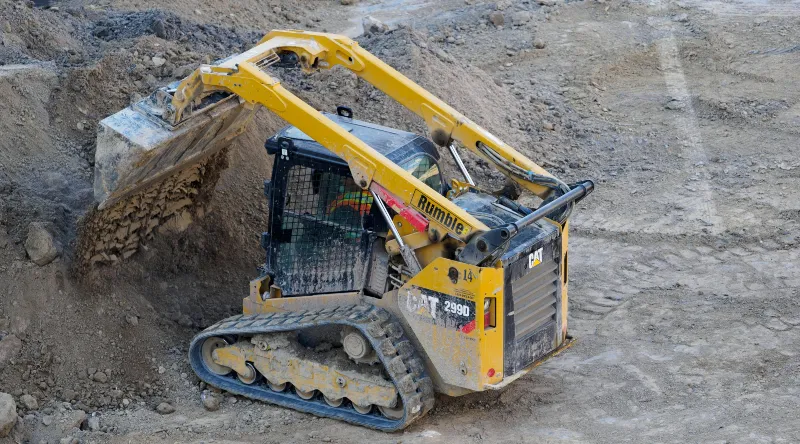
Foundations fail without proper soil stabilization. Improper ground preparation can refer to several things, such as untested soil, challenging soil types (e.g. loose sands and peat soil), unleveled grounds, faulty soil preparation, and improperly compacted soil beneath the property. Preparing the soil to be built on is especially crucial if you want to avoid foundation problems down the line.
Solution: Hire a Reliable Professional for Ground Preparation
To avoid foundation failure in the future, it’s best to get everything properly done the first time around. We recommend contacting a foundation professional who understands the importance of proper ground preparation and knows how to properly execute it. This way, you’re certain that the soil can handle the weight and pressure of your property without catastrophic foundation issues.
7. Poor Water Drainage
Foundation failure can start with poor water drainage. Without proper drainage, rainwater can collect around your foundation instead of being redirected away from your home. This water and moisture can lead to all kinds of damage as it weakens the soil and puts stress on the foundation or crawl space and basement walls, which can lead to worrisome cracks and settlement.

Solution: Clean Your Gutters and Downspouts and Grade Your Yard
An easy and simple solution to poor water drainage is to regularly unclog and clean your gutters and downspouts. Make sure they’re free of twigs, small branches, fallen leaves, and random debris so the water can flow through them with no issue. It’s also best to make sure your downspouts are directing water at least 3 feet away from your house.
Another solution is to grade your yard. This means you have to make sure the ground around your home slopes away from the property rather than toward it. So, when there’s a downpour, you don’t have to worry about rainwater accumulating around your foundation and causing issues. Instead, the slope will naturally direct water away and help keep your foundation in good condition.
8. Transpiration
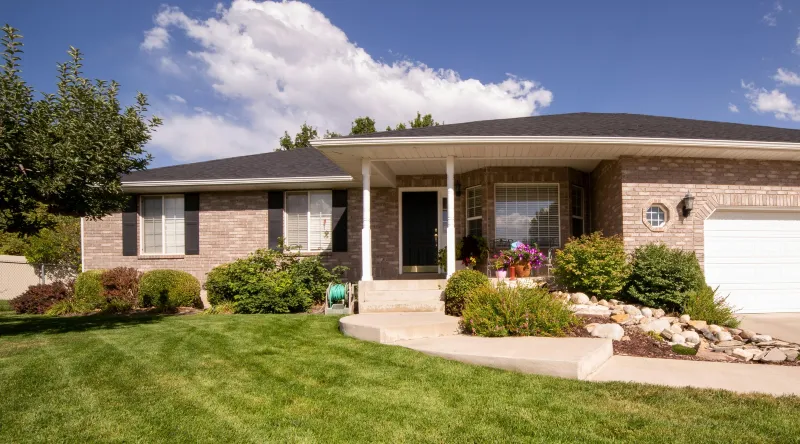
If you’ve got trees and plants near your home, you have to think about transpiration. Simply put, this is when plants and tree roots pull water from the soil underneath a home, causing soil shrinkage. This shrinkage can potentially lead to soil settlement, and eventually, foundation failure.
Solution: Choose the Right Plants and Water Mindfully
Pick specific plants that don’t require a lot of water and are thus less likely to steal too much water from the soil. For example, plants like lavender, sage, sedum, and agave require less water and can help maintain a more consistent moisture level in the soil. Additionally, when you water your plants, be sure not to overdo it. Any excess water can also mess with the soil’s moisture content; this can lead to soil expansion, which is equally damaging to your foundation.
9. Earthquakes and Extreme Weather Events
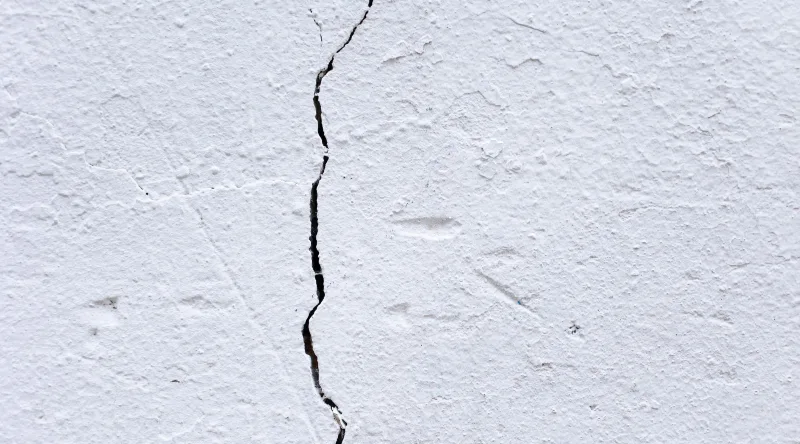
Events that cause intense and unexpected movements, like earthquakes and extreme weather, can cause damage to your home’s foundation. Most foundations are designed to withstand movement, but anything too extreme can lead to foundation failure. While the effects may not be immediately noticeable, earthquakes can lead to cracks and gaps that worsen over time. In worst-case scenarios, these events can even lead to a structural collapse.
Solution: After-Event Evaluation and Retrofitting
Once the earthquake or extreme weather event passes, make sure to contact a foundation specialist as soon as possible. They’ll check and evaluate your foundation, and if they determine any newly emerged issues, they’ll recommend repairs like cracked foundation repair to keep the problems from worsening. You can also consider retrofitting—the process of strengthening or fortifying your existing foundation and structure so they’re better suited to handle earthquakes and other events.
10. Lack of Regular Foundation Maintenance and Inspection
Many homeowners neglect the maintenance of their foundations. Over time, skipping regular checks can lead to problems like cracks, sloping floors, and water damage. Left unaddressed, these problems can develop and lead to major foundation failure, affecting your entire structure.
Solution: Schedule Regular Maintenance and Inspections
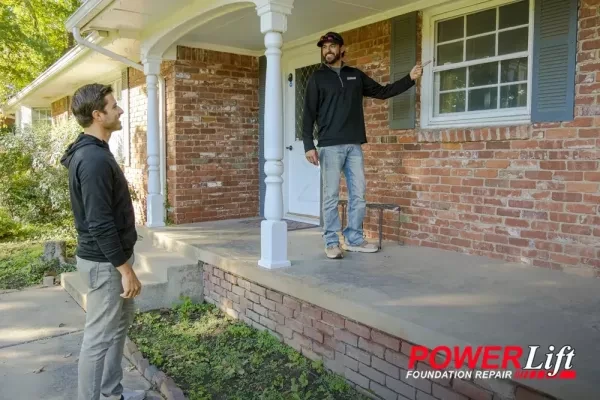
At least once a year, set aside time to check on the state of your foundation and home. Keep an eye out for common signs like floor cracks, gaps in the concrete, cracked walls, and leaning chimneys. If you find any of these problems, call a professional right away for foundation repair services.
Powerlift Foundation Repair: The Solution to All Your Foundation Problems
When you notice a brewing foundation problem, don’t wait—reach out to Powerlift Foundation Repair as soon as you can! Backed by years of industry experience and thousands of satisfied customers throughout Oklahoma, North Carolina, Tennessee, Arkansas, and Arizona, your foundation is in safe hands with us.
Get in touch today for a free quote!