

When it comes to your home’s foundation, the soil underneath plays a crucial role in its stability. Different types of soil significantly impact how well a building foundation holds up, particularly in regions where weather conditions fluctuate. Poor soil quality can lead to long-term stress on the foundation, potentially causing cracks or structural damage. At Powerlift Foundation Repair, we understand these challenges and provide expert solutions to address foundation issues before they escalate.
Related Article: Preventing Home Foundation Issues
Why Soil Quality Matters for Home Foundations
The foundation is only as strong as the soil it’s built on. Choosing the right soil guarantees your home’s foundation remains stable, reducing the risk of costly repairs down the road. But what exactly makes a soil type suitable for home construction?
Finding the Ideal Soil for Your Home
The ideal soil type offers stability and proper drainage, preventing shifting or settling as environmental factors change. Loam generally provides the best balance, with a mix of sand, silt, and clay. But other soils, such as sandy or clay soils, come with unique characteristics that can also impact your home’s foundation. Let’s explore the most common soil types to help you make informed decisions.

Key Points to Consider:
- Soil type plays a critical role in foundation stability.
- Sandy and loam soils are ideal for home construction due to excellent drainage and stability.
- Clay and peat soils pose a great risk due to their water retention and expansiveness.
- Always perform thorough soil testing before beginning any project.
1. Sandy Soil: A Stable Choice
With large particles that allow water to drain quickly, sandy soil is a great option for preventing water damage to your foundation. It doesn’t retain water, which reduces the risk of shifting—perfect for home foundations in wet climates. Compacted sand also offers even more stability, giving builders a reliable base.

2. Clay Soil: The Expanding Problem
Expansive clay is notorious for its tendency to swell when wet and shrink when dry, leading to foundation cracks. While clay soil is common, their constant expansion and contraction create stress on the foundation, especially in areas with fluctuating moisture levels. A deeper foundation may be necessary when dealing with clay soil.
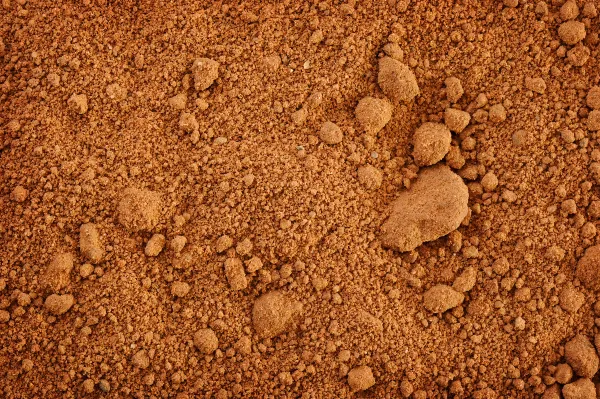
3. Loam Soil: The Ideal Mix
Loamy soil is often considered the best soil for home foundations. Its balanced composition of sand, silt, and clay offers the right level of stability without the risks of excessive shifting or water retention. While it’s less likely to shrink or expand, it’s important to filter out any undecomposed materials that could compromise the soil over time.
4. Peat Soil: Not Worth the Risk
Peat soil, typically found in wetlands, holds a significant amount of water, making it unsuitable for supporting a structure’s weight. The high level of organic matter and its tendency to shift create a great risk for foundation damage. Building on peat may result in severe foundation problems down the line.
5. Rock Foundations: Solid as a Rock
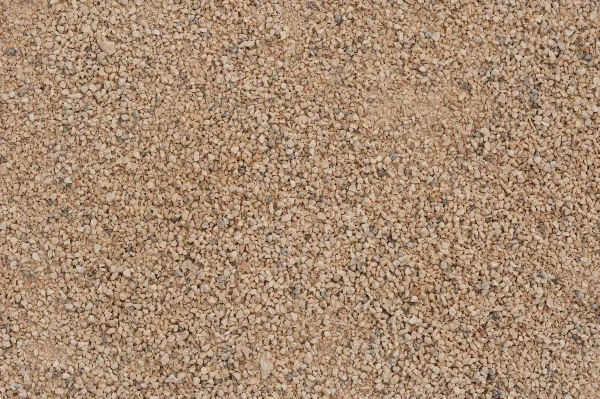
Gravel and rocky soils like limestone offer excellent stability due to their high bearing capacity. Rocky foundations are naturally resistant to water damage and shifting, but proper leveling is crucial to creating an even foundation.
Factors That Affect Foundation Stability
When choosing a soil type for construction, consider key factors like drainage, stability, and the potential for expansion. Gravel-based soils and those with less water retention are generally more reliable for supporting a building foundation. Conducting proper site evaluations can help minimize foundation risks.
Expansive Soil and Foundation Problems
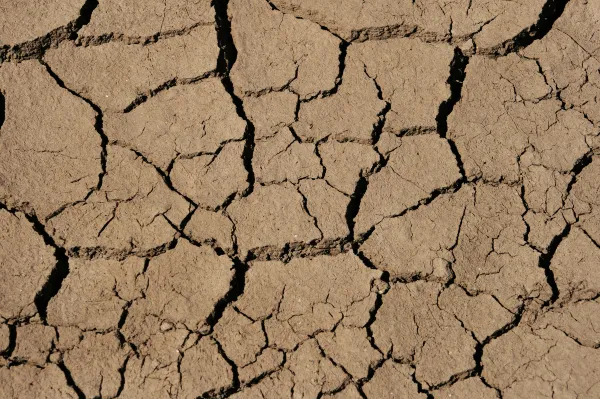
Expansive soil, like clay, can swell and shrink drastically depending on moisture levels. This can cause significant pressure on your foundation and may lead to costly structural damage. It’s essential to reinforce the soil with additional support, such as concrete piers, to avoid long-term stress on your home’s foundation.
Stable Soil for Construction
Stable soil has a high bearing capacity and allows water to drain effectively, reducing the risk of shifting and settling. Loam and gravel are among the most stable types of soil for construction projects and help maintain your home’s structural integrity.
Soil Shifting and Cracks in Foundations
Soils that expand and contract, such as clay, can cause your foundation to eventually crack. To avoid these issues, reinforce the foundation on expansive soil or add supports like helical piers for added stability.
Building in and Navigating Extreme Weather
In regions like Oklahoma, where extreme weather can cause soil shifts, selecting the right soil is crucial to minimizing foundation damage. Loam and gravel, with their stability and proper drainage, present less risk of shifting, making them ideal for local construction projects. For Oklahoma foundation repair, reinforcing your foundation with durable solutions like concrete piers can provide even more stability, especially in areas prone to soil expansion and contraction. Trust Powerlift to help you navigate these challenges and keep your home standing strong.
Addressing Low Bearing Capacity for a Stronger Foundation
Soils with low bearing capacity can struggle to support the weight of a structure, leading to foundation issues over time. In areas with this soil type, foundations are more prone to settling, shifting, and even cracking. To combat these challenges, additional support measures like concrete piers can be used to distribute the weight more evenly and provide stability. At Powerlift, we specialize in addressing low bearing capacity soils, offering expert solutions that strengthen your foundation and protect your home from long-term stress and damage.
Reinforcing Foundations on Unstable Soil
If you live in an area with unstable soil, additional supports such as helical piers may be necessary to provide extra stability. This is especially important for regions with expansive soils like clay, where the risk of foundation cracking is higher.
Get the Best Soil Type for the Foundation of Your Home
Choosing the right type of soil is a key factor in the long-term stability and strength of any building. Whether you’re dealing with sandy, loamy, or clay soils, understanding their properties will help you make informed decisions. Don’t skip soil testing and evaluations—they’re essential steps in creating a foundation that will stand the test of time.

At Powerlift Foundation Repair, we specialize in making sure your home’s foundation is built on solid ground. If you’re concerned about your soil type or need an evaluation, contact us for a free estimate today. We’ll help you keep your home standing strong for years to come.