

When it comes to stabilizing a home or commercial building, the choice between concrete and steel pier foundations is crucial. Both options offer unique benefits and are suited to different soil conditions and structural needs. This blog will compare concrete and steel pier foundations, focusing on their advantages, disadvantages, and suitability for various construction projects.
Related Article: What Are The Components Of A Stem Wall?
Concrete Pier Foundations
Advantages of Concrete Pier Foundations
Concrete pier foundations have long been a staple in the construction industry. They are known for their durability and ability to support heavy loads. Here are some key benefits of concrete piers:
- Exceptional Load Bearing Capacity: Concrete piers are excellent at distributing weight, making them ideal for supporting large structures. Their compressive strength allows them to bear significant loads without deforming, ensuring structural stability over time.
- Cost-Effective: Often, concrete piers are more budget-friendly than steel alternatives. The materials required for concrete piers are readily available and relatively inexpensive, which helps keep costs down.
- Long-Term Stability: When installed correctly, concrete piers provide long-lasting support. They are resistant to weathering and do not corrode, which contributes to their longevity.
- Versatile Application: Suitable for a variety of soil conditions, concrete piers can be used in both residential and commercial buildings. They can be adapted to different soil types by varying the depth and diameter of the piers.

Disadvantages of Concrete Pier Foundations
Despite their many benefits, concrete piers also have some drawbacks:
- Labor-Intensive Installation: Installing concrete piers is a time-consuming and labor-intensive process, often requiring extensive excavation. The process involves digging deep holes, placing reinforcing bars, and pouring concrete, which can be disruptive and costly.
- Soil Conditions: Concrete piers may not perform well in areas with challenging soil conditions, such as expansive clay soils. These soils can shift and cause the piers to move, leading to structural instability.
- Curing Time: Freshly mixed concrete needs time to cure, which can delay construction projects. Depending on the weather conditions and the specific mix of concrete used, curing can take several days to weeks.
Steel Pier Foundations
Advantages of Steel Pier Foundations
Steel pier foundations are known for their strength and adaptability. They are particularly effective in areas with difficult soil conditions. Here are some of the main benefits:
- High Tensile Strength: Steel piers provide exceptional load-bearing capacity, making them suitable for supporting heavier structures. Their high tensile strength allows them to withstand significant tension and compression forces without bending or breaking.
- Quick Installation: Steel piers can be driven deep into the ground using specialized equipment, significantly reducing installation time. This method is less labor-intensive and can be completed quickly, minimizing disruption to the site.
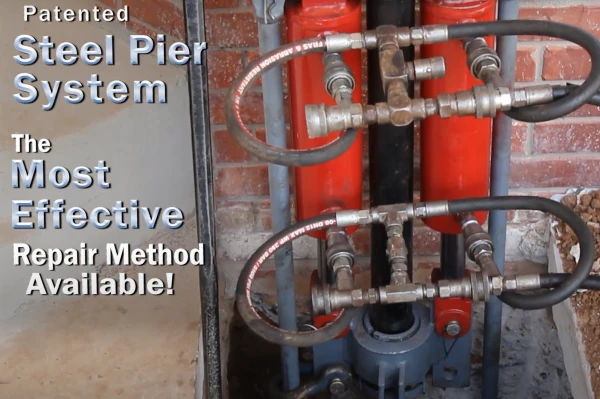
- Adaptability: Steel piers are versatile and can be adjusted or added to if the structure’s load-bearing requirements change. This flexibility makes them ideal for buildings that may undergo future modifications or expansions.
- Minimal Excavation: Installing steel piers requires less extensive excavation, minimizing disruption to the property. The process involves driving the piers into the ground using hydraulic tools, which reduces the need for large-scale digging.
Disadvantages of Steel Pier Foundations
However, steel piers also come with their own set of challenges:
- Cost: Steel piers are generally more expensive than concrete piers due to the cost of materials and installation. The steel itself is more costly, and the specialized equipment required for installation adds to the overall expense.
- Corrosion: Non-galvanized steel piers are susceptible to rust and corrosion, which can compromise their structural integrity over time. Galvanized steel piers are more resistant to corrosion but are also more expensive.
- Soil Movement: In areas with significant soil movement, steel piers may require additional stabilization to maintain their effectiveness. This can involve using additional piers or other stabilization techniques, which can increase the overall cost and complexity of the project.

Comparing the Two: Key Considerations
Load-Bearing Capacity and Structural Stability
Both concrete and steel pier foundations offer strong load-bearing capacities, but their performance can vary depending on soil conditions. Concrete piers excel in stable, load-bearing soil, while steel piers are often preferred in areas with challenging soil conditions due to their ability to be driven deep into stable strata.
Installation Time and Labor
Concrete piers require extensive excavation and curing time, making them more labor-intensive and time-consuming to install. In contrast, steel piers can be installed quickly with hydraulic tools and specialized equipment, reducing labor costs and project timelines. The speed and efficiency of steel pier installation can be particularly advantageous in time-sensitive construction projects.
Durability and Longevity
Concrete piers are highly durable and can provide long-term stability when installed correctly. Steel piers, particularly those that are galvanized, offer superior tensile strength and can last for decades without significant maintenance. However, non-galvanized steel piers may suffer from corrosion, potentially affecting their longevity. It is important to consider the environmental conditions and the potential for corrosion when choosing steel piers.
Cost and Budget Considerations
While concrete piers are typically more cost-effective upfront, the long-term benefits and reduced maintenance needs of steel piers can make them a more economical choice over time. Property owners should consider both the initial installation costs and the long-term maintenance expenses when choosing between concrete and steel pier foundations. The higher initial cost of steel piers may be offset by their longevity and lower maintenance requirements.
Environmental Impact
Concrete production is associated with high carbon emissions, making concrete piers less environmentally friendly. The production of cement, a key ingredient in concrete, is a major source of CO2 emissions. Steel piers, while also requiring energy-intensive production, can be recycled and reused, potentially reducing their overall environmental footprint. Choosing recycled steel and using efficient manufacturing processes can help minimize the environmental impact of steel piers.
Suitability for Different Projects
Residential Buildings
For residential buildings, both concrete and steel pier foundations can be effective, depending on the specific soil conditions and load requirements. Concrete piers are often preferred for their cost-effectiveness and long-term stability, while steel piers are chosen for their quick installation and adaptability in challenging soil conditions. In areas with stable soil and moderate load requirements, concrete piers may be the best choice. In contrast, steel piers may be more suitable for areas with variable soil conditions or where quick installation is a priority.
Commercial Buildings
Commercial buildings, which often require support for heavier loads, may benefit more from steel pier foundations due to their high tensile strength and minimal excavation needs. Steel piers can provide the necessary stability for large buildings and commercial projects where soil conditions may vary. The adaptability and quick installation of steel piers can also be advantageous in commercial construction, where minimizing downtime and disruption is important.

Specialized Projects
In specialized projects, such as those involving significant soil movement or poor drainage, helical piers or drilled caissons may be used in conjunction with steel or concrete piers to ensure structural stability. These additional support structures can help address specific foundation problems and provide a secure fit for the building’s foundation. Helical piers, which are essentially giant screws, can be particularly effective in providing stability in areas with unstable soil. Drilled caissons, which are large-diameter concrete shafts, can also be used to provide additional support in challenging soil conditions.
Choosing between concrete and steel pier foundations depends on several factors, including soil conditions, load-bearing requirements, installation time, and budget. Both options offer unique advantages and can be tailored to meet the needs of various construction projects. By understanding the strengths and weaknesses of each foundation type, property owners and construction professionals can make informed decisions to ensure the structural integrity and longevity of their buildings.
For property owners in the Dallas Fort Worth region or areas with similar soil conditions, consulting foundation repair professionals can provide valuable insights and help determine the best foundation solution for their specific needs. Whether opting for the durability of concrete piers or the adaptability of steel piers, ensuring a stable and secure foundation is crucial for the safety and longevity of any structure.
Additional Considerations
Maintenance and Inspections
Regular maintenance and inspections are crucial for both concrete and steel pier foundations to ensure their long-term performance. Concrete piers should be inspected for cracks and signs of shifting, while steel piers should be checked for corrosion and structural integrity. Routine maintenance can help identify and address issues before they become significant problems, extending the lifespan of the foundation.
PowerLift Foundation Repair Professionals
At PowerLift, we understand the importance of working with experienced foundation repair professionals to ensure the proper installation and maintenance of pier foundations. Our team provides valuable expertise and guidance, helping property owners choose the right type of pier foundation for their specific needs. We also perform regular inspections and maintenance to ensure the foundation remains stable and secure.
Custom Solutions
In some cases, combining concrete and steel piers may be the best solution for addressing specific foundation challenges. Custom solutions that leverage the strengths of both types of piers can provide optimal support and stability for buildings with unique requirements. By working with our knowledgeable professionals at PowerLift, property owners can develop tailored foundation solutions that meet their specific needs and conditions.
The choice between concrete and steel pier foundations is a significant decision that can impact the stability and longevity of a building. For property owners, making an informed choice is particularly important when addressing foundation repair needs.
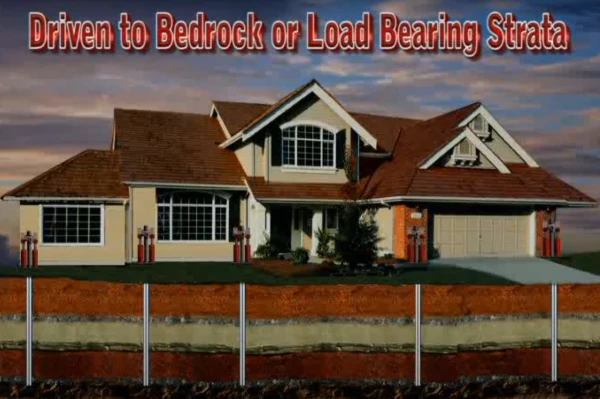
By carefully considering the advantages and disadvantages of each option and consulting with experienced professionals at PowerLift, property owners can ensure the safety and durability of their structures. Whether building a new home, constructing a commercial building, or addressing foundation issues in an existing structure, selecting the right type of pier foundation is crucial for achieving long-term success.
Contact PowerLift today to schedule a consultation and discover the best foundation solutions for your property. Our experts are here to ensure your building remains stable and secure for years to come.