Hello, foundation enthusiasts! Welcome to this another blog, where we break down everything you need to know about keeping your home’s foundation solid and stable. Today, we’re diving into the world of stem walls, an essential component in many types of foundation systems. Whether you’re considering building a new home or looking into stem wall repair, we’ve got you covered. So, let’s get started!
Related Article: What is a Crawl Space Foundation?
Understanding Stem Wall Foundations
A stem wall foundation is a type of wall foundation used to support the structure of a building. It’s a crucial part of many homes, particularly those with concrete slab foundations. But what exactly makes up a stem wall? Let’s take a closer look.
Components of a Stem Wall
Concrete Footing
The concrete footing is the base of the stem wall, and it’s essential for distributing the weight of the house evenly across the ground. Footings are typically made from poured concrete and reinforced with steel bars (rebar) to add tensile strength and stability. Footings must be constructed on undisturbed soil to ensure they can support the weight of the home without shifting or settling over time.
Reinforced Concrete
The stem wall itself is constructed from reinforced concrete. This means that the concrete is poured around a framework of steel rods (rebar) to give it extra strength and prevent cracking. Reinforced concrete is essential for the durability and longevity of the stem wall.
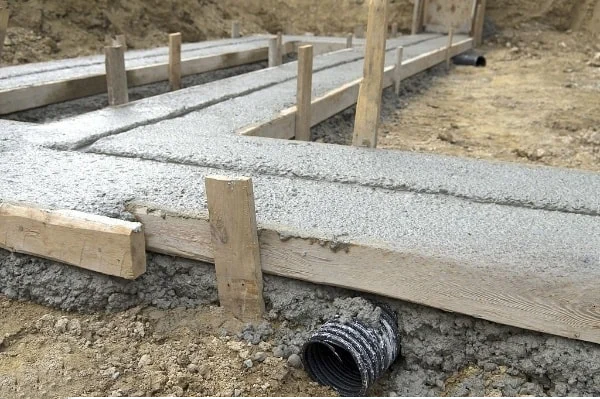
Concrete Stem
The concrete stem is the vertical portion of the stem wall that rises from the footing. This part of the wall is usually a few feet tall and helps support the structure above. The concrete stem provides a stable foundation and helps to protect the home from soil movement and water damage.
Cinder Blocks (Concrete Masonry Units)
In some stem wall constructions, cinder blocks or concrete masonry units (CMUs) are used instead of poured concrete. These blocks are laid in a staggered pattern and reinforced with steel bars and mortar to create a strong, stable wall.
Steel Reinforcement
Steel rods, or rebar, are used throughout the stem wall to provide additional stability and tensile strength. These rods are placed horizontally and vertically within the concrete to help prevent cracking and concrete spalling. Steel reinforcement is a critical component of any stem wall construction.
Advantages of Stem Wall Foundations
Stem wall foundations offer several benefits over other types of foundation systems, including:
Additional Stability
The combination of a concrete footing and reinforced concrete stem provides a solid foundation that can withstand soil movement and other environmental factors.
Water Damage Protection
Stem walls elevate the structure above the ground, helping to protect it from water damage in areas prone to flooding.

Easy Access
With a crawl space created by the stem wall, there is easy access for plumbing, electrical work, and other maintenance tasks.
Compatibility
Stem walls can be used with a variety of foundation types, including monolithic slabs and basement foundations.
Stem Wall Construction Process
Building a stem wall involves several steps, each crucial to ensuring the stability and longevity of the foundation. Here’s a detailed look at the process:
Site Preparation
The first step in building a stem wall is preparing the site. This involves clearing the area of any vegetation, debris, and existing structures. The soil is then excavated to the appropriate depth, ensuring that the footings will be placed on undisturbed soil. This step is essential for creating a stable foundation that won’t shift or settle over time.
Footing Construction
Next, the footings are constructed. Forms are set up to create the shape of the footings, which are then filled with poured concrete. Steel rebar is placed within the forms to reinforce the concrete, adding tensile strength and preventing cracking. The footings are allowed to cure for several days to achieve maximum strength.
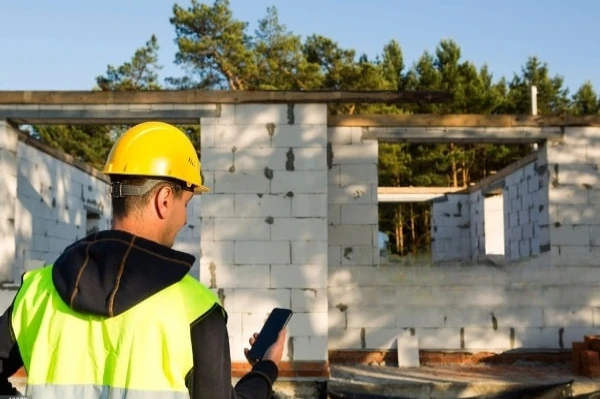
Stem Wall Construction
Once the footings are cured, the forms for the stem wall are set up. The concrete stem is then poured, with steel rebar placed throughout for reinforcement. In cases where cinder blocks are used, the blocks are laid in a staggered pattern and reinforced with rebar and mortar. This step creates the vertical portion of the stem wall, which will support the structure above.
Waterproofing and Insulation
After the stem wall is constructed, waterproofing and insulation materials are applied. This helps protect the foundation from moisture and temperature changes, which can cause concrete deterioration and other issues over time. Proper waterproofing is especially important in areas prone to flooding or heavy rainfall.
Backfilling and Grading
Once the waterproofing and insulation are in place, the area around the stem wall is backfilled with soil. The soil is compacted to prevent settling and ensure stability. Proper grading is also important to direct water away from the foundation, preventing water damage and erosion.
Common Issues
Like any part of your home, stem walls can experience wear and tear over time. Common issues include:
Concrete Deterioration
Exposure to moisture and chemicals can cause the concrete to deteriorate, leading to cracks and spalling.
Soil Movement
Changes in the soil around your home can cause the stem wall to shift or settle, leading to cracks and structural damage.

Exposed Rebar
When the concrete deteriorates, the steel reinforcement can become exposed to the elements, leading to rust and further weakening of the wall.
Stem Wall Repairs
If you notice any of these issues with your stem wall, it’s essential to address them promptly to maintain a stable foundation. Stem wall repairs can involve:
Crack Repair
Filling cracks with epoxy or other materials to prevent further damage and water infiltration.
Reinforcement Replacement
Replacing rusted or damaged rebar to restore the structural integrity of the wall.
Concrete Patching

Applying new concrete to areas that have deteriorated to restore the wall’s strength and appearance.
Foundation Underpinning
This involves adding additional support to the foundation to stabilize it and prevent further movement. Underpinning can be done using various methods, such as installing helical piers or push piers to transfer the load to more stable soil or bedrock.
Preventing Stem Wall Issues
Prevention is key to maintaining a stable foundation and avoiding costly repairs. Here are some tips to help protect your stem wall:
Proper Drainage
Ensure that water is directed away from the foundation through proper grading, gutters, and downspouts. This helps prevent water from pooling around the stem wall and causing damage.
Regular Inspections
Conduct regular inspections of your foundation to identify any signs of cracking, spalling, or other issues early on. Early detection can help prevent more significant problems down the line.
Moisture Control
Use waterproofing and insulation materials to protect your stem wall from moisture. This is especially important in areas with high humidity or frequent rainfall.
Soil Management
Monitor the soil around your foundation for signs of movement or erosion. In some cases, it may be necessary to improve the soil’s stability through compaction or other methods.
Stem Wall vs. Other Foundation Types
Stem walls are just one of several foundation types used in residential construction. Here’s how they compare to other common foundation systems:
Slab Foundations
Slab foundations are typically constructed from a single layer of poured concrete that sits directly on the ground. While they are simpler and quicker to build, they don’t provide the same level of protection against water damage and soil movement as stem walls.
Basement Foundations

Basement foundations involve excavating a large area beneath the home and constructing full basement walls. While they provide additional living or storage space, they are more expensive and time-consuming to build.
Crawl Space Foundations
Crawl space foundations are similar to stem walls but provide more space beneath the home. They offer easier access for maintenance but can be prone to moisture and pest issues if not properly ventilated.
The components of stem walls is an extremely important part of many homes, providing a stable foundation that helps support the structure above. By understanding the components and advantages of stem wall foundations, you can better appreciate the importance of maintaining and repairing this crucial part of your home. If you have any questions or need professional stem wall repair, don’t hesitate to contact PowerLift. We’re here to help keep your dream home standing strong for years to come.