

Concrete foundations are the essential base upon which a structure or building stands, providing the necessary stability and support to withstand heavy loads and environmental conditions. Understanding the intricacies of concrete foundations is crucial for contractors aiming to deliver sturdy and enduring constructions. This blog delves into the various aspects of concrete foundations, from their properties and types to their applications and sustainability.
Related Article: Comparing Concrete and Steel Pier Foundations
Definition and Importance
Concrete foundations play a critical role in the construction of buildings, serving as the primary load-bearing structure that transfers the building load to the ground. They ensure the stability, structural integrity, and longevity of the construction, making them indispensable in both residential construction and large-scale industrial projects.
Properties of Concrete
Concrete possesses several properties that make it an ideal construction material for a wide range of applications. These properties include workability, strength, durability, creep, shrinkage, unit weight, modular ratio, and Poisson’s ratio. The ratio of cement to water is an essential factor in determining the strength and durability of concrete. Properly mixed and cured concrete can achieve high compressive strength, making it suitable for various load-bearing structures.
Types of Concrete Foundations
Concrete foundations come in diverse forms, tailored to specific construction needs. Each type serves distinct purposes, adapting to various environmental and structural requirements.
Shallow Foundations
Shallow foundations, also known as spread footings or isolated footings, are used when the topsoil is hard and has a high bearing capacity. These foundations are typically employed in residential construction and small commercial buildings where the load of the structure can be distributed over a large area close to the ground surface. Common types of shallow foundations include:
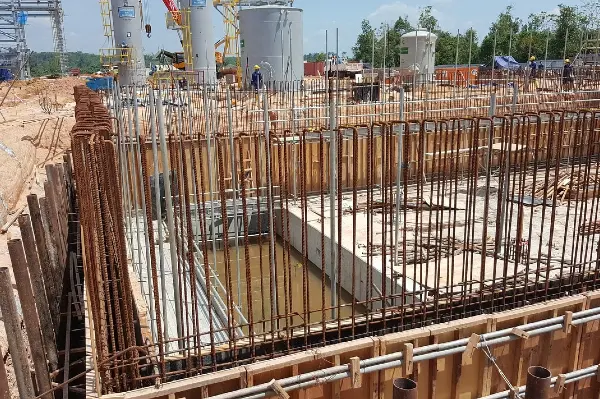
- Slab Foundations: These are flat, horizontal concrete slabs poured directly on the ground, providing a stable base for structures. Slab foundations are cost-effective and quick to construct, making them popular in residential and light commercial buildings.
- Raft Foundations: Also known as mat foundations, these involve a large, continuous concrete slab that supports multiple columns and walls. Raft foundations distribute the load over a larger area, making them suitable for buildings on soft or unstable soil.
Deep Foundations
Deep foundations are necessary when the topsoil is weak or when the load of the structure must be transferred to a deeper, stronger layer of soil or rock. These foundations are used in large-scale construction projects such as high-rise buildings, nuclear power plants, and other structures requiring significant load-bearing capacity. Types of deep foundations include:
- Pile Foundations: Piles are long, slender columns made of concrete, steel, or timber driven deep into the ground to reach a stable soil layer. Pile foundations are used in areas with poor soil conditions and for structures requiring high load-bearing capacity.
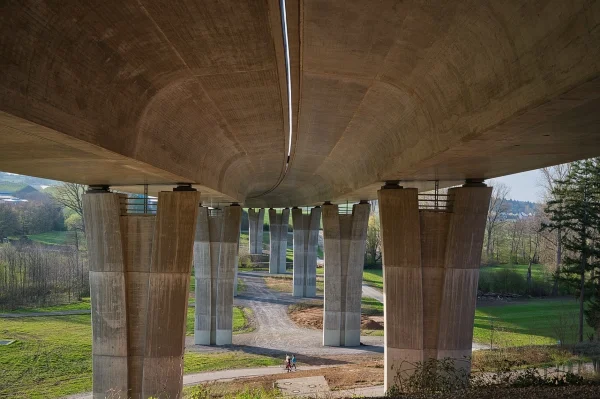
- Pier Foundations: Piers are large-diameter concrete columns cast in situ or precast and driven into the ground. Pier foundations are used to support heavy loads and are often employed in bridge construction and tall buildings.
Role of the Foundation in a Structure
Load Transfer and Support
The foundation serves as the critical interface between a structure and the ground upon which it is built. Its primary roles are load distribution and stability, ensuring the structure’s stability and structural integrity. The foundation must be designed to handle the building load, ground movement, and environmental factors such as soil erosion and flood-prone areas.
Design Considerations
Several factors influence foundation design, including soil conditions, load calculations, topography, water table level, seismic considerations, and environmental impact.
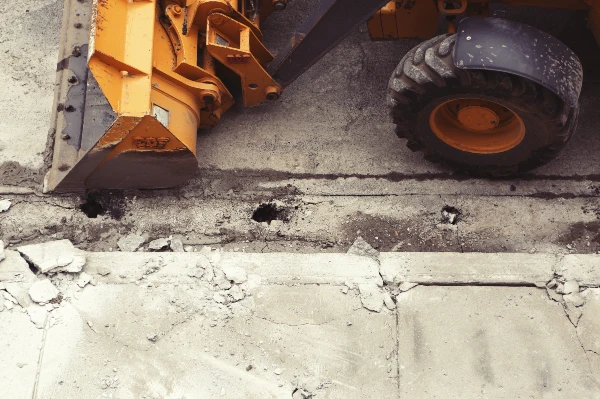
A well-designed foundation ensures the stability, safety, and longevity of the structure. Proper consideration of these factors during the design phase can prevent future structural problems and enhance the building’s energy efficiency and overall performance.
Reinforced Concrete Foundations
Advantages and Applications
Reinforced concrete foundations offer remarkable durability and strength, making them suitable for various construction applications. Reinforcement with steel bars or mesh enhances the tensile strength of concrete, allowing it to withstand heavy loads and resist cracking. Here are some key advantages:
- Strength and Durability: Reinforced concrete foundations provide robust structural support, ensuring the longevity and stability of buildings.
- Design Flexibility: They can be customized to meet specific architectural and structural requirements, making them suitable for a wide range of construction projects.
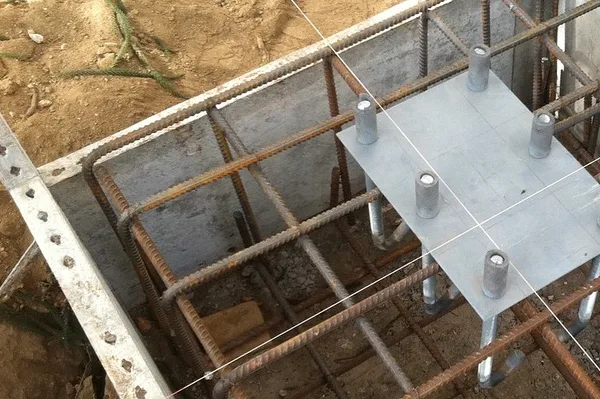
- Water Resistance: Reinforced concrete is less permeable than other materials, making it ideal for structures exposed to moisture and water, such as basements and foundations in flood-prone areas.
- Fire Resistance: Concrete’s fire-resistant properties make it a preferred choice for buildings requiring high fire safety standards.
- Longevity: Properly designed and maintained reinforced concrete foundations can last for decades, providing a cost-effective solution over the building’s lifespan.
Reinforced concrete foundations are commonly used in residential construction, industrial construction, and infrastructure projects. They are also employed in constructing concrete pavements, roads, bridges, and other load-bearing structures.
Concrete Mixing and Placement
The quality of concrete is influenced by several factors, including accurate proportioning, mixing, and placement. Achieving the desired strength and durability requires careful attention to the concrete mix design, finish details, and curing process. Proper curing ensures that the concrete develops its full strength and durability. Here are some key aspects of concrete mixing and placement:
- Proportioning: The correct ratio of cement, water, and aggregates is crucial for achieving the desired concrete properties. High-performance concrete and lightweight concrete mixes can be tailored for specific applications.
- Mixing: Consistent and thorough mixing ensures uniform distribution of materials, resulting in a homogeneous concrete mix.
- Placement: Proper placement techniques, such as pouring concrete in layers and using vibration to remove air pockets, are essential for achieving a dense and strong foundation.
- Finishing: Finishing techniques, including troweling and curing, enhance the surface quality and durability of concrete foundations.
- Curing: The curing process involves maintaining adequate moisture and temperature conditions to allow the concrete to achieve its full strength and durability. Proper curing is critical for preventing cracks and ensuring long-term performance.
Construction Projects and Applications
Concrete is a versatile building material used in various construction aspects, from basic foundations to complex superstructures. Its applications span residential, commercial, and industrial construction.
Residential Construction
In residential construction, concrete foundations are commonly used for building homes, basements, and garages. Shallow foundations, such as slab-on-grade and isolated footings, are typical for residential projects due to their cost-effectiveness and ease of construction. Reinforced concrete walls and slabs provide additional structural support and durability.
Commercial Buildings
Commercial buildings often require more robust foundations to support larger loads and taller structures.
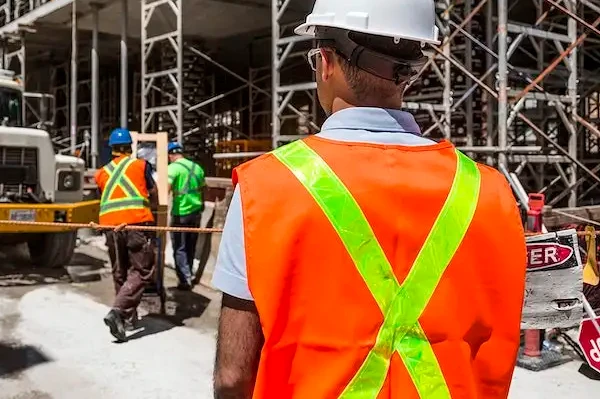
Deep foundations, including pile foundations and pier foundations, are commonly used in commercial construction to ensure stability and structural integrity. Concrete slabs and wall panels are also frequently used in commercial buildings for their strength and fire resistance.
Industrial Construction
Industrial construction projects, such as factories, warehouses, and infrastructure facilities, rely heavily on concrete foundations to withstand heavy loads and harsh environmental conditions. High-strength concrete and precast concrete elements are often used to meet the demanding requirements of industrial structures. Reinforced concrete foundations provide the necessary support for machinery, equipment, and large storage areas.
Infrastructure Projects
Concrete plays a crucial role in infrastructure projects, including roads, bridges, tunnels, and wastewater treatment facilities. Concrete pavements are durable and can withstand heavy traffic loads, while reinforced concrete bridges provide the necessary strength and stability for long spans. Pervious concrete is used in infrastructure projects to enhance drainage and reduce runoff.
Architectural Features
Concrete is also used to create architectural features, such as decorative facades, columns, and sculptures. The versatility of concrete allows for intricate designs and finishes, making it a popular choice for aesthetic applications in construction.
Sustainability and Maintenance
Environmental Impact
Concrete production significantly contributes to global CO2 emissions, primarily due to the cement manufacturing process. The extraction of raw materials, such as sand and aggregates, also impacts local ecosystems and can lead to resource depletion. However, advancements in concrete technology, such as the use of fly ash and recycled materials, are helping to reduce the environmental footprint of concrete production.
Sustainability Practices
Sustainable construction practices aim to minimize the environmental impact of concrete foundations.
Using high-performance concrete and lightweight concrete can reduce material consumption and improve energy efficiency. Implementing proper maintenance and regular inspections can extend the lifespan of concrete structures, reducing the need for frequent repairs and replacements.
Maintenance and Inspections
Regular maintenance and inspections are crucial for ensuring the long-term performance and sustainability of concrete foundations. Early detection of issues, such as cracks or settling, allows for timely repairs and prevents further damage. Proper maintenance practices, including sealing, waterproofing, and reinforcing, help maintain the foundation’s integrity and durability.
Frequently Asked Questions (FAQs)
Concrete foundations are essential to modern construction, providing the necessary support and stability for various structures, from residential homes to industrial facilities. The material’s versatility, strength, and durability make it a top choice in building projects. Understanding concrete properties, types of foundations, and proper techniques for mixing, placing, and maintaining concrete is crucial for successful construction. As the industry evolves, incorporating sustainable practices and innovative technologies will help minimize environmental impacts and enhance concrete performance.

For those embarking on construction projects or seeking expert guidance on concrete foundations and foundation repair in Oklahoma, our team of professionals is ready to assist. We offer comprehensive services, including foundation design, construction, maintenance, and inspections. Contact us today to discuss your needs and discover how we can deliver top-notch concrete solutions tailored to your project.
Let’s build a strong foundation together!