

In places like Oklahoma, North Carolina, Tennessee, Arkansas, and Arizona, high temperatures are nothing new. But one thing most people don’t realize is just how much heat can affect the soil surrounding their home, and more specifically, the connection between heat and foundation cracks.
At Powerlift Foundation Repair, we’ve worked on hundreds of homes and buildings with cracks caused directly by heat and its impact on soil and the structure. It’s a problem that doesn’t always show up right away, but once it does, it can lead to damage and more serious structural issues in the worst cases. To help you protect your home’s foundation, we’ll discuss how heat causes cracks in your foundation, the warning signs to look out for, and preventive measures you to prevent bigger issues.
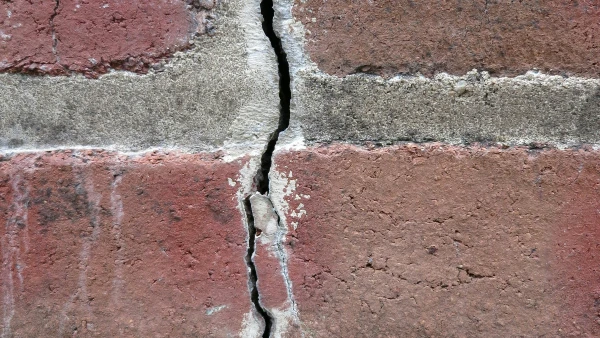
Can Extreme Heat Cause Cracks in Your Foundation?
In the US, especially in southern and southwestern states, many properties are built on expansive soil. That type of soil swells and shrinks depending on how wet or dry it is. During hot weather, the soil dries up, contracts, and leaves gaps between the ground and your home. Without that support underneath or around it, your foundation can shift, settle, or crack.
Aside from the soil shrinkage, there’s also the extreme fluctuation. In some areas, like parts of North Carolina or Arkansas, you might get summer heat waves followed by heavy storms. This repeated cycle of drying and changing moisture levels can put constant stress on your foundation and wear it down eventually. Additionally, concrete foundations can expand when they get hot, and if there’s no room for that expansion, it can crack from the pressure.
Which Foundation Types Are Affected by Extreme Heat (and How)?
Heat doesn’t damage every foundation the same way. Each type responds differently depending on the materials used and how it’s built.
1. Slab Foundations (Concrete Foundations)
Concrete slabs are especially vulnerable during hot weather. The surface gets hot fast, and the soil underneath dries out. Without enough moisture below, the slab may settle unevenly or even crack from thermal expansion. The top of the slab expands, but the bottom cools more slowly, and this uneven stress leads to surface cracking.
2. Crawl Space Foundations
Houses with crawl spaces aren’t immune. When exposed long enough to heat, the soil beneath the piers can dry out and shift. That uneven support puts stress on the floor joists and foundation walls, sometimes creating diagonal cracks or gaps at corners. Crawl spaces in hot, humid climates can also trap moisture after a sudden rain. This alternating dry-then-wet cycle worsens the damage.
3. Basement Foundations
Basements usually sit deeper underground, but they still deal with issues from heat. The soil around the basement walls can dry out, lose its lateral support, and pull away from the foundation. That means the walls start to bow outward or develop vertical cracks. If the basement is partially underground (as many are), temperature swings between the outside soil and interior walls can cause stress fractures as time passes.
Additionally, if that dry soil is suddenly hit with heavy rain, it swells back up quickly and puts intense hydrostatic pressure on those already weakened walls. Issues like plumbing leaks inside the basement can also cause further deterioration.
4. Pier and Beam Foundations
These foundations hold up well in wet conditions, but they don’t do very well in dry, hot soil. The piers are only as stable as the ground they’re set in. When the ground shrinks, they can settle unevenly, leading to creaking floors, sagging joints, and cracking walls. The movement may be gradual, but as time passes, it adds up—and so does the repair cost if it’s not handled early.
5. Insulated Concrete Form (ICF) Foundations
ICF foundations are built for energy efficiency and durability. But like any other foundation, they depend on the soil around them for stability. If the ground around an ICF foundation shifts from intense heat or drought, the base can still settle unevenly. The results are hairline cracks along seams or pipe penetrations, which can compromise foundation health. It’s not common, but it can happen, especially in areas where the insulation wasn’t installed with drainage in mind.
If you live in a hot state and you’ve already seen the signs, there are proactive steps you can take to keep the problem from getting worse, or to keep issues from starting in the first place.
Some tips to keep your foundation intact and make sure your home remains safe:
1. Water Your Soil
Use a soaker hose placed about 12-18 inches away from the foundation and run it slowly for 15-30 minutes a day during dry spells. Keeping the soil moist prevents it from drying out completely. and helps maintain consistent pressure on the foundation.
2. Adjust Your Landscaping

Don’t let trees grow too close to the house. Their roots suck moisture out of the soil, making it even drier. Instead, use ground cover, mulch, or non-invasive shrubs to keep the soil shaded and cooler.
3. Watch Your Drainage
Make sure your downspouts direct water away from the foundation to avoid water intrusion and damage. Additionally, if rainwater collects too close to the house, it will mess with soil stability when the rain dries up. Grading the soil to slope away from your house also helps.
4. Seal Up Cracks Immediately
Minor cracks, as harmless as they may seem, are actually warning signs. New cracks like these shouldn’t be ignored. Sealing them early helps keep out moisture, pests, and stops the crack from growing under temperature stress. If you think you’re dealing with a major crack, it’s best to have a foundation inspection sooner rather than later.
5. Monitor Soil Separation
If you start seeing gaps between the soil and your foundation, that’s your cue to add moisture. Letting the soil shrink further just opens the door for bigger movement.
How to Tell if Heat Is Causing Your Foundation to Crack
Now that you know exactly how heat affects your foundation, let’s move on to the next topic: recognizing signs that heat is causing foundation cracks in your home or building.
Look out for:
- Hairline cracks in the concrete slab foundation, especially in garages or near the corners of rooms
- Diagonal cracks near windows and door frames
- Sticking doors and windows
- Tiny gaps between your foundation and the soil around the edge of your home
- Uneven floors or areas that feel like they’re sagging
- Stair-step cracks in brickwork or exterior walls
- Baseboards separating from the wall, or a visible separation near the ceiling
What to Do if Your Foundation Has Cracked From Heat
The first rule when it comes to repairing foundation cracks is not to wait it out. Foundation damage caused by heat is a sign that your structure is already stressed, and ignoring it just gives it more time to worsen.
Instead, we recommend doing these:
1. Take Photos and Keep Notes
You’d be surprised how helpful a few pictures and dates can be. Note when you first saw the crack, how big it was, and whether it has changed. If you’re dealing with doors and windows sticking, also record where and how bad it is.
2. Check for Plumbing Issues
Heat alone can cause foundation movement, but so can leaks under the slab. Make sure you’re not dealing with both at the same time. A licensed plumber can run a pressure test on your lines.
3. Get a Professional Foundation Inspection
Reach out to professional foundation repair experts like Powerlift Foundation Repair for a thorough inspection. We’ll measure movement, assess soil conditions, and figure out whether you’re dealing with a surface-level problem or something deeper.
When Is It Time to Let the Pros Handle It?
There are times when homeowners themselves can’t repair certain issues, especially those concerning structural problems. In such cases, we recommend working with experienced professionals for the most effective foundation crack repair solutions. Additionally, calling the pros can also help you avoid costly repairs due to improper repair attempts.
Bring in a professional if you notice any of these:
- The cracks in your foundation are getting wider
- Floors are no longer level
- There’s a separation between walls and ceilings
- You’ve tried cosmetic repairs, and the issue keeps coming back
- You notice visible settling or shifting around the perimeter of your home
What to Expect From a Professional Foundation Service
Generally, some of these steps may be taken by professionals during the service:
- Detailed inspections using laser levels and elevation measurements
- Soil analysis to check for moisture loss or instability
- Pier systems (like steel or helical piers) to stabilize and lift the foundation
- Foam injections for void filling under slabs
- Epoxy or polyurethane crack injections for internal repairs
- Drainage corrections to stop future problems
Schedule a Service With Powerlift Foundation Repair Today
Our foundation experts have decades of experience handling all kinds of services from regular inspections to cracked foundation repair. If you’re seeing concerning foundation issues or would just like to make sure your home’s structural integrity is at its best, don’t hesitate to contact our team for assistance.