

There’s a connection between seasonal changes and foundation health that many homeowners aren’t aware of. Just as seasonal variation can affect our routines and even our mood, it also impacts the ground beneath our homes. Temperature swings, fluctuating moisture levels, and soil movement can all lead to foundation shifts over time. That’s why services like those offered by Powerlift Foundation Repair are so important. Addressing foundation issues early can save you from long-term damage caused by the natural cycles of the seasons.
The Impact of Seasonal Changes on Your Home’s Foundation
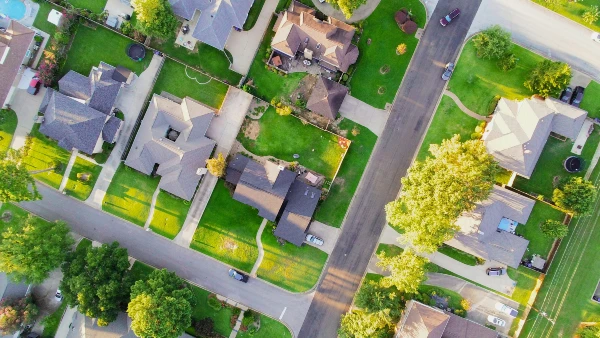
Throughout the year, there can be specific foundation issues depending on the season and weather conditions. Below is an overview of some of the things to look out for in North Carolina, Tennessee, Arkansas, Arizona, and Oklahoma.
Spring
Spring washes the South and Southeast in heavy rains, a welcome break from winter, but a real test for foundations. In North Carolina, Tennessee, and Arkansas, torrential rainfall can oversaturate soil around homes with slab, crawl space, or basement foundations.
The soaked soil surrounding the foundation then expands and presses sideways against foundation walls, which is especially dangerous for basements where hydrostatic pressure might cause bowing foundation walls or leaks.
Oklahoma often sees spring storms mixed with late snowmelt, which compounds the pressure your foundation faces. Arizona, on the other hand, doesn’t get soaked from melting snow, but flash flooding after sudden desert downpours can slice the soil away from slab foundations.
During this season, you want to pay careful attention to grading, proper drainage, gutter outlets, and early signs of foundation trouble like new cracks or sagging floors.
Summer
Summer can be different depending on where you live. In Oklahoma, Arkansas, Tennessee, and North Carolina, high heat dries clay and other expansive soils. You may experience soil shrinkage, foundation soil gaps opening, and the soil beneath your home moving, which leads to uneven settling. This foundation movement usually pops up in late summer before the fall rains return.
In Arizona, summers bring intense heat and evaporation, chronically drying soils, and leading to foundation settling on slab homes. Add strong windstorms during monsoon season, and you can get erosion and dust scouring around foundation edges.
Fall
Fall in much of Oklahoma and the southeast carries seasonal storms, sometimes with local flash flooding as soil compacts from summer dryness and then gets clobbered with rain. That scenario can mask spring-like issues, such as sudden soil swelling in places you didn’t expect. Inspections and gutter cleaning are still very much needed now.
Arizona’s fall is usually milder, but it’s also when monsoon season wraps up and soil begins to slow contraction again, so checking soil moisture levels is important.
Winter
Oklahoma and Tennessee occasionally get frost and ice. Freeze-and-thaw cycles while soil holds moisture can pump water under slab expansions and contractions, stressing your foundation.
Arkansas and North Carolina face similar cycles. Freezing pushes the ground upward slightly, then thaw can pull supporting soil downward. Findings suggest that those repeated movements can lead to minor cracks early on and bigger problems as time passes.
Arizona doesn’t freeze much, but locations at higher elevations can. So, if your home sits at an altitude, there might be similar risks. But most of the state just sees mild dry winters, which still shrink the soil and can cause gentle but noticeable settling.
How Do You Know If You Have Foundation Issues?
It’s always smart to know what to watch for. Significant differences may be easy to spot, but things like subtle soil movement and minor foundation shifts require a closer eye. These are some of the signs that you might be dealing with foundation problems due to seasonal changes:
- Small cracks in the foundation walls and around your home aren’t usually a major problem, but jagged ones wider than 1/8 inch, zig-zagged cracks, fan-shaped cracks near windows or corners, or horizontal ones tend to be the start of issues with your home’s structural integrity.
- Sticking doors or windows that won’t close properly happens when the frame alignment shifts due to a lack of soil stability. This can happen year-round.
- Floors that feel uneven or noisy are a big sign of pier or slab trouble that could be caused by extreme soil saturation as well as dry spells.
- Open wallpaper seams, noticeable gaps in baseboards, and tiles popping loose can mean that seasonal transitions are causing cracks in the foundation. You could be dealing with water infiltration, moisture issues, and other problems that cause significant changes in your foundation.
- Moisture or water pooling in basements or crawl spaces due to temperature fluctuations can weaken your foundation and lead to costly damage.

Seasonal Foundation Maintenance Tips to Prevent Future Problems
Regular maintenance is one of the best preventative measures you can take to mitigate the significant effects of changing weather conditions and seasonal patterns. Below, we’ve put together some helpful tips to help you keep your foundation strong and avoid costly repairs throughout the year.
Every Spring
- Clean your gutters and drainage systems.
- Grade around your foundation to direct water away from your house.
- Regularly check slabs and walls for new cracks.
- Make sure crawl-space vents are clear and foundation-drenched areas are blocked.
Every Summer
- Give slab edges a shallow soaker hose to maintain moisture.
- Use rain barrels to slowly release water near foundation edges.
- Fill minor cracks with elastic sealant.
- Add a vapor barrier under crawl-space dirt floors.
Every Fall
- Clear debris around the foundation, particularly leaves and pine needles.
- Test sump pumps and make sure they’re working properly.
- Consider installing French drains if you don’t already have them.
- Top up mulch or gravel beds since soil erosion after seasonal rain is common.
Every Winter
- Apply foam board insulation near basement slabs.
- Check foundation vents for ice blockage.
- Refill soil gaps if you notice frost heave.
How Powerlift Foundation Repair Can Help Your Foundation Adapt to Seasonal Differences
Every season brings its own challenges. If you want to protect your home’s future structural integrity, you must make sure your foundation is ready to handle those seasonal changes—not just now, but year after year.
At Powerlift Foundation Repair, we’ve worked on thousands of homes across Oklahoma, Tennessee, North Carolina, Arkansas, and Arizona. Each of these states has its own regional traits and soil types. We’ve seen how a temperature drop in one state means frost heave, while a dry spell in another leads to foundation settling. Our job is to make sure your foundation can handle it all instead of breaking under pressure.
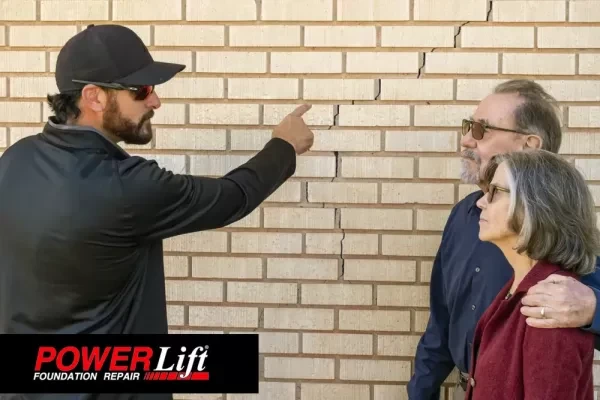
Our team has mastered the 5 processes used in foundation repair, and we customize each fix to fit your property. These methods have been tested through some of the roughest weather swings across the country, especially in places that have seen significant increases in weather extremes. A few studies suggest that the upward trend puts more pressure on your foundation than it dealt decades ago.
You can rely on Powerlift Foundation Repair to understand these nuances and deliver the most effective services. We use regional data and good old-fashioned inspection work to create solutions that hold up not just for the season, but for the long haul.
Got Foundation Damage? Call Our Team Today!
As the seasons change, we often feel the effects not just outside, but inside ourselves, too. Previous studies show that this can affect physical and mental health, and some even experience seasonal affective disorder (SAD), a type of depression triggered by reduced daylight in the fall and winter months. This shift can disrupt sleep-wake cycles, affect sleep patterns, and even lead some to use tools like a light therapy box to regulate their circadian rhythms.
Just as our bodies respond to changing light and temperature due to seasonal weather, so do our homes, especially their foundations. Fluctuating moisture levels, freezing and thawing soil, and dramatic temperature swings can all take a toll on your home’s structural stability over time.
Powerlift Foundation Repair handles slab foundation repair, pier-and-beam leveling, basement wall corrections, moisture control, and more—all backed up by warranties and systems designed for where you live.
For a free estimate, visit our website or contact us here.