

Oklahoma might not be the first place you think of when it comes to earthquakes, but minor seismic activity has become more common in recent years. And even small quakes can take a toll on your home’s foundation. Cracks in the walls, sloping floors, and doors that suddenly stick aren’t just annoyances; they’re possible warning signs of deeper structural issues. At PowerLift Foundation Repair, our foundation repair experts know how to spot earthquake-related damage early, before it turns into expensive repairs that threaten your home’s structural integrity.
How Earthquakes Affect Your Home’s Foundation

Even if the quake felt minor, the impact on your foundation can be anything but. Oklahoma homes, especially those with older construction or built on shifting soil, are vulnerable to subtle structural changes. Earthquakes can quietly unsettle the base of your home and cause serious foundation problems over time.
Why Minor Quakes Still Matter
Most Oklahoma earthquakes are short and subtle, but that doesn’t mean they’re harmless. Even low-magnitude quakes can cause shifts in the soil beneath your home, setting off a chain reaction of foundation problems. These small movements build up and may lead to sticking doors, interior wall cracks, or sloping floors weeks or months later.
The Unseen Shifts Beneath Your House
Earthquakes don’t have to be dramatic to cause damage. A single tremor can lead to foundation settlement, especially in homes with concrete slab foundations or basement foundations. Over time, these shifts strain the foundation walls, leading to vertical cracks, diagonal cracks, and even a leaning chimney.
Foundation movement can also affect your foundation footings, which are designed to keep the entire house stable. When footing lines shift, the weight of the structure becomes unbalanced. That stress impacts the perimeter foundation and may cause cracking in concrete block walls.
Common Foundation Problems After Seismic Activity
Earthquakes create subtle shifts that aren’t always visible right away. But over time, those small changes can lead to clear signs of foundation trouble. Catching them early can help prevent structural damage and reduce the risk of complete foundation replacement.
What Qualifies as Foundation Damage?
Foundation damage doesn’t always mean your house is falling apart, but it’s never something to ignore. Minor issues like hairline cracks or slight floor movement might not seem urgent at first. However, they often signal underlying stress that could worsen with time. Left unaddressed, these smaller problems can evolve into severe foundation problems that compromise your home’s safety.

Early Signs to Look Out For
Most homeowners don’t notice an issue until the symptoms become hard to miss. Keep an eye out for these warning signs:
- Cracks wider than one-eighth of an inch, especially around windows or door frames
- Exterior wall cracks or gaps in your cracked siding
- Doors or windows that stick or don’t close evenly
- Uneven floors or spots that feel soft or bouncy underfoot
- Cabinets or countertops pulling away from the walls, leading to separated cabinets
These issues often point to foundation movement, and in many cases, a professional inspection is the next best step. If ignored, the foundation repair cost of fixing them grows quickly. Many homeowners spend thousands on costly repairs that could have been minimized with early detection.
Warning Signs of Foundation Issues You Shouldn’t Ignore
When a foundation starts to shift, it speaks through small but telling signs. What seems like a cosmetic issue might be your home’s way of warning you about deeper problems. Knowing what to look for can help you act fast before damage spreads to the rest of the structure.
Cracked Siding and Exterior Wall Cracks
Cracks in your siding or exterior walls often show up near corners, windows, or along the base of your home. While some minor cracks are normal, large or jagged ones can signal foundation sinking or pressure building along the foundation walls. These are especially common after soil movement or seismic activity.
Uneven or Bouncing Floors
If walking across your living room feels like navigating a trampoline, it’s time to investigate. Bouncing floors and noticeable dips are signs of weakened support, often caused by foundation issues or shifting in the crawl space. These problems might also lead to wood rot if moisture is present.
Sticking Doors and Windows
This is one of the most overlooked signs of foundation trouble. As the structure moves, door and window frames twist slightly out of shape. The result? Frames that don’t close easily or doors that won’t stay latched. It’s not just annoying—it’s often a clear sign of foundation problems.
Visible Gaps in Walls or Ceilings
If you start to notice gaps where your walls meet the ceiling or floor, there may be a structural issue beneath the surface. This can also show up as interior wall cracks, which often follow a diagonal or stair-step pattern.
What’s Hiding Underneath: Crawl Space and Structural Clues
Not all foundation damage is visible from the outside. Sometimes, the most telling signs are found underneath the home. If your property has a crawl space or older support system, checking below the surface could reveal structural problems you didn’t know were there.
How to Check Your Crawl Space for Damage
Your crawl space plays a key role in keeping your floors level and your foundation stable. After seismic activity or soil shifting, check for signs like sagging beams, soft spots, or excessive moisture. If the wood is soft to the touch or has discoloration, you may be dealing with wood rot or a more serious support issue.
When Sagging Beams Point to a Bad Foundation
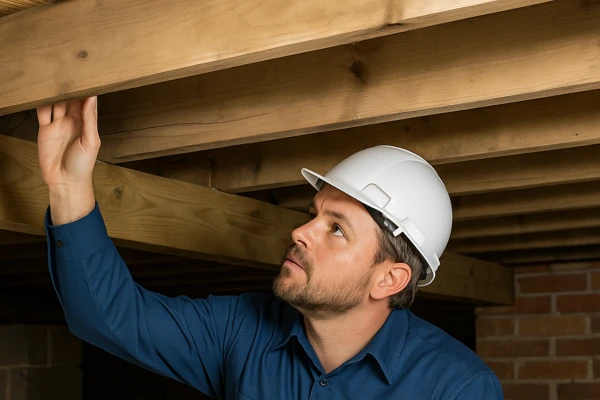
A sagging floor often means the structure beneath is starting to fail. Earthquake-related shifts can damage piers or cause displacement in the foundation support system. These problems are harder to see but can eventually cause severe foundation problems like structural bowing, cracked supports, or even full foundation sinking.
You may also notice sloping floors, bouncing spots, or uneven finishes near baseboards. These are signs that the structure beneath is no longer stable, especially if your home is older or built on expansive soil.
Why Early Detection Saves You from Expensive Repairs
The longer foundation issues go unnoticed, the more damage they can cause. What starts as a small crack or a bit of floor movement can grow into a structural failure that puts your entire home at risk. Acting early is the difference between a manageable repair and a full rebuild.
The Cost of Waiting Too Long
Ignoring early signs like minor cracks or uneven floors often leads to more serious damage. Once the foundation shifts too far, you may be looking at complete foundation replacement, which can be one of the most costly repairs a homeowner will ever face. In some cases, damage spreads into framing or finishes, causing drywall separation, separated cabinets, and even compromised roofing.
If foundation sealing or reinforcement isn’t done in time, moisture can seep in and make the situation worse. Combined with poor drainage or heavy rainfall, these factors create a perfect storm for foundation decay.
Small Fixes Versus Major Reconstruction
Early intervention allows for simpler, more targeted fixes. Repairs like mud-jacking, wall anchors, or perimeter support can restore stability without major disruption. These solutions are far more affordable than lifting and re-leveling the entire structure.
Getting a foundation inspection from a trusted foundation repair company is one of the smartest moves you can make. Not only will it help you understand the current condition of your home, but it may also prevent thousands of dollars in damage down the line.
Foundation Reinforcement Options After Earthquake Damage
If your home has already experienced some shifting or cracking, it’s important to take action before the damage spreads. Not all foundation issues require a full replacement—many problems can be corrected with the right reinforcement approach.
What a Foundation Repair Expert Might Recommend
Depending on the type and extent of the damage, a professional may suggest:
- Wall anchors to stabilize bowing or tilting walls
- Mud-jacking to lift and level sunken areas of concrete
- Additional foundation footings for homes with poor soil support
- Foundation sealing to protect against future moisture damage
- Strategic repairs to foundation walls, especially those with horizontal or stair-step cracks
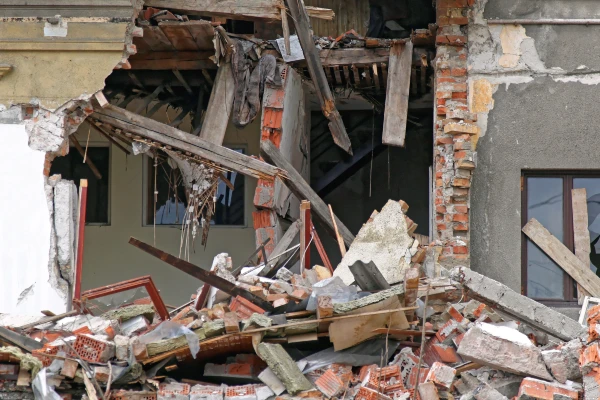
Each foundation repair method is chosen based on your home’s layout, soil condition, and level of movement. The goal is to create a permanent solution that restores your home’s structural integrity without needing a full rebuild.
When Piering or Bracing Becomes Necessary
More advanced repairs may involve installing steel piers beneath the foundation or adding bracing systems for long-term support. These options are more involved but are often the best fix for homes dealing with:
- Ongoing foundation movement
- Noticeable cracks wider than a quarter-inch
- Repeated foundation sinking after rain or seismic activity
- Pressure from expanding soil or inconsistent soil moisture levels
Working with a structural engineer or experienced repair team helps determine which reinforcement method is right for your home and budget.
Choosing the Right Type of Pier for Earthquake Damage
Not all foundation issues can be fixed from the surface. When seismic activity causes major shifts, pier systems offer the strongest and most reliable support. The type of pier used depends on your home’s weight, soil conditions, and the extent of the damage.
Three Common Pier Solutions for Foundation Repair
- Helical Piers
Ideal for lighter structures or soft, shifting soil. These are screwed into the ground and provide immediate stabilization. They’re especially useful near porches, chimneys, and additions. - Steel Push Piers
Driven deep into stable soil using hydraulic force. Best for heavier homes or buildings with significant foundation settlement. - Concrete Piers
Often used in non-seismic areas. These take longer to install and may not perform as well in earthquake-prone regions due to their rigid design.
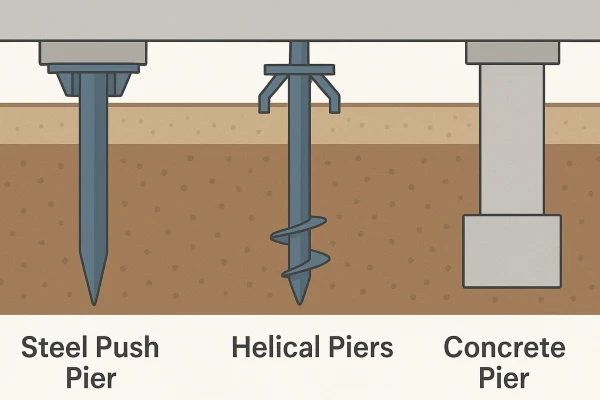
What Works Best for Earthquake-Prone Areas?
In areas with frequent seismic activity and shifting soil, steel push piers and helical piers are typically the most effective. They add flexibility, reduce the risk of future movement, and offer a permanent solution to foundation sinking or settlement.
PowerLift Foundation Repair specializes in custom-engineered pier systems that are designed to fit your property, soil conditions, and foundation type. Whether you’re dealing with concrete slab foundations, crawl spaces, or older homes, our team will recommend the best repair approach for long-term stability.
Drainage Issues That Make Damage Worse
Even the best foundation won’t hold up forever if water is working against it. Poor drainage is one of the leading causes of long-term structural damage, especially when combined with seismic activity. Water softens the soil, causes shifts, and creates pressure around the foundation.
How Water Problems Affect Your Foundation
When water collects around your home due to poor drainage or improper grading, it increases the risk of:
- Soil erosion beneath your concrete foundation
- Moisture seeping through cracks and weakening foundation walls
- Pressure building up against concrete block walls, causing them to bulge
- Mold, mildew, and wood rot in the crawl space or lower levels
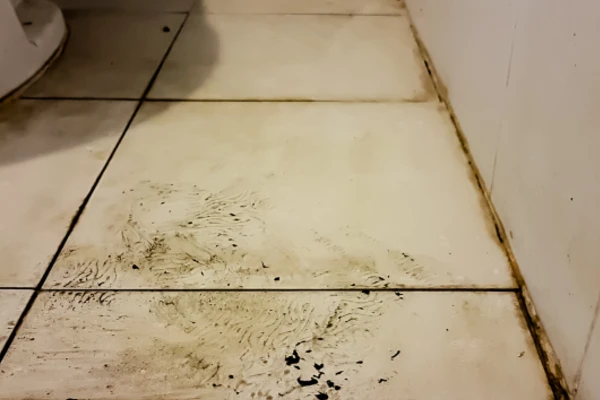
Over time, this water intrusion creates an ideal environment for foundation movement, especially if the soil is already unstable from an earthquake.
Fixing the Source, Not Just the Symptoms
To protect your home, drainage solutions should be part of any repair strategy. These might include:
- Extending gutters and downspouts away from the home
- Installing French drains or sump pumps to redirect water
- Regrading the landscape for proper drainage around the perimeter foundation
- Sealing cracks and improving foundation sealing to prevent leaks
By addressing water issues along with any structural damage, you reduce the chances of repeat problems and extend the life of your foundation.
When to Call in Foundation Repair Experts
Some cracks are harmless. Others are warning signs. The tricky part is knowing which is which. That’s where a professional can help. A foundation inspection gives you a clear picture of your home’s condition and what steps, if any, are needed to protect it.
What a Professional Inspection Includes
When you contact a team like PowerLift Foundation Repair, you’re getting more than a surface-level opinion. Our experts evaluate every layer of your foundation system to identify current damage and spot risks before they escalate. A full inspection may include:
- Checking foundation walls for movement, bulging, or large cracks
- Assessing signs of foundation settlement or uneven surfaces
- Reviewing the condition of concrete slab foundations, including hairline and horizontal cracks
- Inspecting drainage flow and signs of plumbing issues
- Evaluating pressure points, load distribution, and possible signs of structural damage
For complex issues or older homes, we may also recommend a certified structural engineer to confirm next steps. This kind of partnership helps create a clear plan without unnecessary guesswork.
Serving Homeowners Across the South and Midwest
PowerLift works with homeowners across Oklahoma, Texas, Arkansas, Tennessee, North Carolina, and surrounding regions. If you’re seeing signs like diagonal cracks, sticking doors, or uneven flooring, don’t wait. A second opinion from an experienced foundation repair company could save you from extensive repairs later.
Protect Your Home Before Small Issues Become Big Problems
Whether you’ve felt the rumble of a recent quake or just started noticing cracks around your home, now is the time to act. Earthquakes and foundation damage are closely connected, especially in areas with shifting soil and unpredictable weather patterns. Early signs like sloping floors, sticking doors, or exterior cracks shouldn’t be ignored.
A proper inspection from a trusted professional can help uncover hidden issues before they grow into costly repairs. And while you’re addressing the structural side of things, don’t forget the role water plays. Fixing drainage and sealing vulnerable areas can help prevent moisture buildup, which only adds to the stress on your foundation.
At PowerLift Foundation Repair, we’re here to help you protect your home from every angle. From expert inspections to engineered pier systems and moisture control strategies, we offer solutions designed for real homes in real conditions.
Concerned about cracked walls or sloping floors? Contact us for a foundation inspection and get ahead of costly repairs.