

Lately, the weather feels like it’s rewriting the rules. We’re seeing longer dry spells, harder rains, and temperature swings that make the ground unpredictable. So is it time to start worrying about your soil? Not quite, but it is time to pay attention. We’ll walk through how expansive soils and unpredictable weather affect your foundation, what signs to watch for, and which pier systems work best in shifting conditions.
PowerLift has been in the foundation business for decades, across all kinds of soil and weather patterns. We’ve seen what works, what fails, and what gives your home the strongest footing for the future.
PowerLift Foundation Repair provides expert services across Oklahoma, Tennessee, Arkansas, and North Carolina, regions where expansive soils are a common concern for homeowners and builders alike.

Expansive Soils
Expansive soils are more common than most homeowners realize. These soils expand when they absorb water and contract when they dry out. That movement creates stress beneath your home and often leads to cracks, uneven floors, and foundation issues. The constant change in soil volume makes even natural soils unpredictable, especially when they contain large amounts of clay.
Swelling Soils
The trouble starts at the microscopic level. Expansive soils are typically made up of fine-grained clay minerals such as montmorillonite. These minerals absorb large quantities of water, causing dramatic volume changes.
Moisture is the biggest factor. When swelling soils absorb water, they increase in volume. During dry spells, they shrink and create voids. Other contributing factors include:
- Soil particles with high plasticity
- Lack of proper surface drainage
- Disturbed or improperly compacted clay soil
Such soils are known for their unstable soil properties, especially in regions with seasonal drought. When dry soil is suddenly exposed to rain or runoff, the shift in volume can be rapid and damaging.

Shrinking and Swelling Soils
Shrink-swell cycles are caused by changes in moisture. These movements can shift foundations, lift slabs, and damage walls. Knowing how your soil responds to water is key to long-term structural stability.
Soils with high plasticity expand significantly when wet and contract just as aggressively when dry. The repeated stress from this movement can affect everything from slab-on-grade floors to grade beams. These cycles can lead to cracks in walls, uneven basement floors, and significant damage caused by settling under shallow foundations.
Expansive Clays
Soils with a high clay content are especially active. Fine-grained clay minerals trap moisture and expand. When the water disappears, they shrink and leave behind pockets that cause settling.
Engineers use laboratory tests to measure this behavior. Two key values include:
- Plasticity index: how flexible the soil is when holding water
- Liquid limit: the point where soil acts like a liquid
These numbers help determine how deep foundations should be placed to avoid surface movement. For new construction projects, running laboratory testing up front can save hundreds of dollars per square foot in future repairs.
Soil Expansion
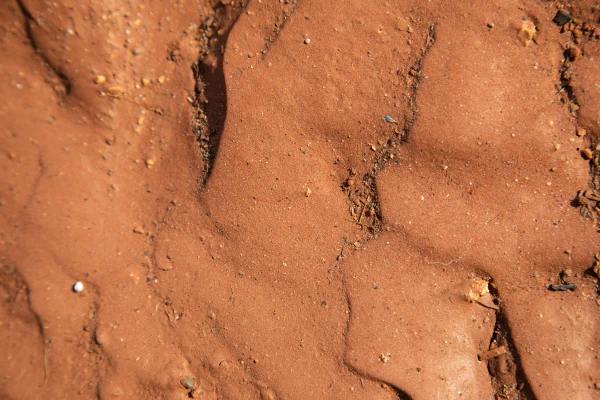
Environmental conditions play a huge role in soil expansion. Rainfall, drainage, and landscaping decisions all influence how much a soil expands or contracts.
If drainage is poor, water collects near the home’s base and leads to localized swelling. Roots from trees and shrubs can dry out nearby soil, increasing instability. Keeping moisture levels balanced is essential.
Moisture Content
Moisture content is the leading cause of soil movement. Water molecules enter clay-rich soil, expand the particles, and push upward. When the water evaporates, the soil contracts and can leave your foundation unsupported.
Maintaining consistent moisture levels around the home through grading, root barriers, and irrigation planning can reduce the effects of moisture swings. Many property owners overlook how much water content affects soil strength. The more water content the ground holds, the more likely it is to shift.
Best Foundation Piers for Expansive Soils
Expansive soil conditions call for pier systems that can handle movement without compromising your home’s stability. The right system supports the structure below the zone where soil expands and contracts. Below is a breakdown of the most common options, with helical piers leading the list for their versatility and reliability.
1. Helical Piers
Best for: Moderate expansive soils and fast installation
Pros:
- Fast, low-impact installation with minimal excavation
- Suitable for light structures and full residential foundations
- Effective in clay soils with moderate shrink-swell behavior
Cons:
- Not ideal for dense or rocky soil conditions
- Has lower weight capacity compared to steel piers for larger buildings

Helical piers are PowerLift’s top choice for homes built on expansive clay. Their screw-shaped design allows for quick installation and even weight distribution across shifting soils. For most homeowners, this option offers a solid mix of speed, stability, and cost-efficiency.
2. Steel Piers
Best for: Severe soil movement and multi-story homes
Pros:
- Installed deep below the active soil zone
- Extremely strong and able to support heavy loads
- Galvanized material helps prevent corrosion over time
Cons:
- More expensive than other pier options
- Requires heavy machinery and more invasive setup
Summary:
Steel piers are often used in areas where soil movement is extreme. By reaching stable layers far below the surface, they provide long-term reliability even under large structures. PowerLift installs galvanized steel piers designed to withstand decades of shifting soil and heavy weight.
3. Concrete Piers
Best for: Stable soils or cost-conscious repairs
Pros:
- Budget-friendly and easy to find
- A familiar method for many local contractors
Cons:
- Shallow depth makes them unreliable in expansive soils
- Higher risk of movement or cracking if soils shift underneath
Summary:
Concrete piers are affordable and commonly used, but they’re not the best fit for clay-heavy ground. Because they often sit within the zone of moisture fluctuation, they are more likely to shift as the soil expands and contracts. In areas with known expansive soils, this option may cost more in repairs down the road.
Helical Piers vs. The Competition
| Feature | Helical Piers | Steel Piers | Concrete Piers |
|---|---|---|---|
| Installation Speed | Fastest | Moderate | Slowest |
| Soil Adaptability | Best for clay | Good | Poor |
| Cost | Mid-range | High | Low |
For most homeowners, helical piers strike the best balance of speed, cost, and stability.
Planning New Construction on Expansive Soil
Building on expansive soils can be successful with the right approach. Understanding how these natural systems behave is the first step. Many structures built in the past didn’t account for moisture variation, leaving modern houses with legacy foundation issues. Adding root barriers and removing overgrown vegetation are small but critical steps. It’s also important to remember that human activity, like poor drainage or heavy irrigation, can worsen instability.
Testing and Engineering Support
Work with civil engineers and run lab tests to evaluate your soil’s clay content, plasticity index, and particle size. The Colorado Geological Survey recommends this approach in high-risk regions.
Smart Foundation Design
Engineers may suggest:
- Deep-set grade beams
- Reinforced slabs
- Water control systems
- Deep foundations
Preventative Measures
Builders can protect your structure with:
- Root barriers
- Grading plans
- Moisture control systems
Industry Standards
ASTM International sets construction guidelines for expansive soils. Following these standards ensures a strong, lasting build.
Completing a foundation project in active soils is completely doable. For example, homes across Oklahoma and the Southeast have remained level for decades thanks to smart engineering and soil-specific construction strategies. PowerLift works with engineers and builders to deliver structures that stand strong against shifting soil.
PowerLift Can Help You Build Smarter
The ground beneath your home plays a bigger role than most people realize. When it comes to expansive soils, experience and accuracy matter.
PowerLift has worked across Oklahoma, Tennessee, Arkansas, and North Carolina, solving problems caused by swelling soils, clay shifts, and foundation failures. Whether you’re starting fresh or fixing a structure already showing signs of movement, we’re here to help.
Contact PowerLift today for a foundation consultation based on real testing, real planning, and real solutions.