

Your home’s foundation is the bedrock of your property’s safety and value. When foundation problems emerge, they can threaten your entire structure, leading to costly repairs and compromising your home’s structural integrity. Understanding residential foundation failures isn’t just about recognizing warning signs—it’s about protecting your investment and ensuring your family’s safety for years to come.
Foundation issues affect thousands of homeowners annually, with repair costs ranging from minor fixes to extensive structural interventions. The soil beneath your home, moisture changes, and even extreme weather conditions all play critical roles in foundation health. Whether you’re dealing with hairline cracks or bowing basement walls, early detection and prompt attention can mean the difference between a simple repair and structural collapse.
Our goal at Powerlift is simple: protect your home’s structural integrity and give you peace of mind. When foundation issues are handled early and correctly, you’re not just repairing damage — you’re preserving your home for years to come.

What Causes Residential Foundation Failures?
Foundation failure doesn’t happen overnight. Multiple factors work together to compromise your home’s structural integrity, with soil composition and moisture infiltration being the primary culprits. Understanding these causes helps you take immediate action before minor problems escalate into serious issues.
Poor Soil Conditions and Settlement
The soil beneath your foundation determines its long-term stability. Clay soils, common in many regions, present unique challenges because they undergo dramatic volume changes with moisture fluctuations. When clay soil expands during wet seasons, it puts pressure on foundation walls, pushing them inward and creating stress fractures. Conversely, during dry periods, the same soil shrinks, leaving voids that cause foundation settlement.
Poorly compacted fill soil represents another major concern. When builders don’t properly compact the soil before construction, the weight of the entire house gradually compresses it over time, leading to uneven or sloping floors throughout your home. This settling process can continue for years after construction, causing progressive foundation damage that worsens without intervention.
Expansive soils can exert tremendous force—up to 5,000 pounds per square foot—on foundation walls and concrete slabs. This hydrostatic pressure creates horizontal cracks in basement walls and can even crack concrete slab foundations. Tree roots near your foundation compound these issues by extracting moisture from the soil, creating voids and causing the foundation to settle unevenly.
Water Drainage and Foundation Problems
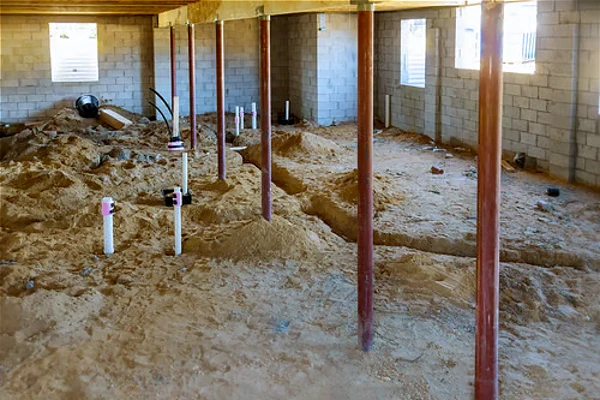
Poor drainage stands as the leading preventable cause of foundation issues. When water accumulates around your foundation, it saturates the soil beneath, reducing its load-bearing capacity and causing foundation shifts. Gutters clogged with debris overflow during heavy rains, directing water straight down beside foundation walls instead of away from your home’s exterior.
Plumbing leaks beneath your concrete slab or near foundation walls introduce excess moisture that undermines structural stability. These hidden leaks can persist for months, gradually eroding soil and creating voids that lead to foundation settlement. The constant moisture infiltration also promotes mold growth in crawl spaces and along basement walls, creating health hazards alongside structural concerns.
Improper grading around your entire structure directs surface water toward rather than away from your foundation. Ideally, the ground should slope away from your home’s foundation at a rate of six inches over ten feet. Without proper drainage, heavy rainfall pools against exterior walls, eventually finding its way through even minor cracks and compromising your home’s structural integrity from within.
Weather and Environmental Factors
Extreme weather events increasingly threaten foundation stability across all regions. Heavy rains saturate the soil, causing it to expand and push against foundation walls with enormous force. This pressure creates vertical cracks and stair step cracks in block walls, particularly where mortar joints prove weaker than the blocks themselves.
Freeze-thaw cycles in colder climates pose serious threats to foundations. When water seeps into small cracks and freezes, it expands with incredible force, widening existing damage into large cracks. Each freeze-thaw cycle throughout winter progressively worsens foundation damage, transforming hairline cracks into structural problems requiring extensive foundation repair.
Drought conditions present the opposite challenge. Extended dry periods cause soil shrinkage, particularly in clay-heavy soil composition. As the soil contracts, it pulls away from your foundation, leaving gaps and reducing support. When heavy rains eventually arrive, the suddenly rehydrated soil expands rapidly, creating dramatic pressure changes that cause foundation shifts and new stress fractures.

Flooding represents an extreme case where water completely saturates the soil beneath your foundation. The buoyant force of groundwater can actually lift lighter foundations, while the erosion undermines heavier structures. Post-flood soil compaction issues often lead to progressive foundation settlement as the ground resettles unevenly.
Recognizing Signs of Foundation Issues
Early detection of foundation problems dramatically reduces increased repair costs and prevents structural damage from spreading throughout your entire house. Knowing what warning signs to look for empowers you as a homeowner to seek professional help before minor issues become catastrophic structural problems.
Structural Warning Signs
Foundation cracks represent the most obvious indicators of foundation failure. However, not all cracks signal serious trouble. Hairline cracks less than 1/16 inch wide in newly poured concrete often result from normal curing shrinkage. By contrast, horizontal cracks in basement walls indicate serious lateral pressure from soil and moisture—these demand immediate action from skilled professionals.
Stair step cracks following mortar joints in block walls reveal foundation settlement or lateral movement. These diagonal cracks typically start small but widen progressively as foundations fail to adequately support your home’s weight. Wall cracks wider than 1/4 inch or those allowing light or water penetration require prompt attention from a structural engineer.
Uneven floors signal foundation settlement beneath specific areas of your home. Place a marble on your floor—if it rolls consistently toward one area, you’re experiencing sloping floors caused by differential settlement. Floor cracks often accompany this settling, particularly where floor joists attach to foundation walls or where stress concentrates around doorways and load-bearing walls.
Bowing basement walls indicate severe hydrostatic pressure pushing against foundation walls from outside. This structural issue typically worsens during spring thaws and after heavy rainfall when groundwater levels peak. Walls bowing inward more than two inches require immediate intervention to prevent structural collapse.
Exterior and Interior Indicators
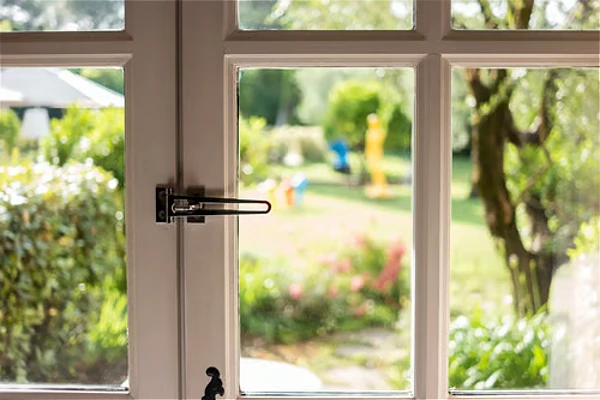
Doors and windows that suddenly stick or refuse to close properly often indicate foundation shifts changing your home’s frame geometry. As foundations settle unevenly, they twist the entire structure minutely, binding doors in their frames and preventing windows from operating smoothly. This common foundation problem frequently appears before visible foundation cracks emerge.
Gaps between walls and ceilings or walls and floors reveal your home’s exterior pulling away from its foundation. These separations start small but expand as foundation damage progresses. You might also notice cracks in exterior brick or siding following a stair step pattern—a sure sign of underlying foundation issues affecting your entire house.
Basement or crawl space moisture signals poor drainage allowing water near your foundation. Standing water, dampness, or musty odors indicate water infiltrating through foundation cracks or seeping through porous concrete. This excess moisture not only threatens structural integrity but also promotes mold growth that damages stored items and degrades indoor air quality.
Counters and cabinets separating from walls indicate significant foundation movement. These fixtures, once level and flush, pull away as foundations settle unevenly. In extreme cases, you might observe floor cracks radiating from corners where stress concentrates, or notice that interior walls no longer meet at perfect right angles.
Professional Foundation Inspections and Diagnosis
While homeowners can identify obvious warning signs, comprehensive foundation inspections require skilled professionals with specialized equipment. A structural engineer or foundation repair specialist examines your entire structure systematically, identifying both visible damage and underlying causes that escape untrained observation.
Professional inspectors use laser levels to measure floor slopes precisely, documenting even minor settlement patterns. They examine crawl spaces and basement areas where foundation problems often first appear but go unnoticed by homeowners. Advanced techniques like soil testing reveal soil composition issues, while moisture meters detect hidden water infiltration even through apparently dry walls.
The inspection process typically includes examining exterior walls for cracks, checking proper drainage systems, and assessing how tree roots might affect your foundation. Professionals also evaluate your home’s structural integrity holistically, understanding how foundation issues in one area create stress fractures elsewhere throughout the structure.
Don’t wait until you notice cracks or uneven floors to schedule foundation inspections. Annual preventive inspections catch minor problems before they escalate, potentially saving tens of thousands in increased repair costs. If you’re buying a home, insist on thorough foundation evaluation—ignoring foundation problems during purchase negotiations leaves you responsible for expensive repairs discovered later.
Foundation Repair Solutions and Prevention
Modern foundation repair techniques address both symptoms and underlying causes of foundation failure. From underpinning settled foundations to waterproofing basement walls, today’s solutions provide permanent fixes backed by transferable warranties that protect your investment.
Steel piers driven to bedrock or load-bearing strata stabilize settled foundations permanently. These hydraulically-driven piers bypass unstable surface soils, anchoring your foundation to stable earth deep underground. The synchronized lifting system raises settled portions of your foundation, often achieving dramatic crack closure and restoring floor levelness.
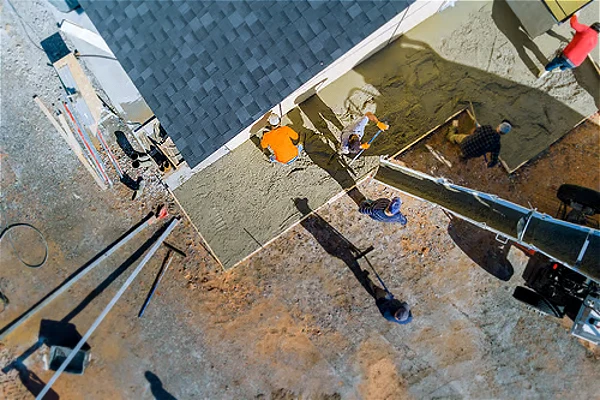
For concrete slab foundations, high density polyurethane foam injection fills voids beneath the slab and raises settled areas precisely. This minimally invasive technique requires only small drill holes and typically completes in a single day. The expanding foam also waterproofs the area, preventing future moisture infiltration that could cause additional foundation settlement.
Waterproofing addresses moisture-related foundation problems at their source. Exterior drainage systems divert water away from foundation walls, while interior drainage with sump pumps handles groundwater infiltration. Applying waterproof coatings to basement walls and installing vapor barriers in crawl spaces prevents moisture changes from affecting your home’s foundation.
Wall anchors and carbon fiber straps stabilize bowing basement walls without excavation. These systems counteract the hydrostatic pressure pushing walls inward, preventing further movement and often allowing gradual straightening over time. For severely damaged block walls, complete wall replacement or rebuilding may prove necessary in extreme cases.
Preventing Foundation Problems
Preventing foundation problems costs far less than foundation repair. Maintain proper drainage by keeping gutters clean and ensuring downspouts discharge water at least six feet from your foundation. During dry periods, water your foundation perimeter to maintain consistent soil moisture, preventing dramatic shrinkage that causes settlement.
Monitor large trees near your home’s foundation—roots seeking water can extend one to two times the tree’s canopy width. Consider removing trees within ten feet of your foundation or install root barriers to direct growth away from foundation walls. The small crack created by an invasive root can become a large crack admitting significant water during heavy rains.
Address small problems immediately. That hairline crack you’re tempted to ignore allows water infiltration that freezes, expands, and transforms minor cracks into structural issues requiring professional help. Seal foundation cracks promptly with appropriate materials, and investigate underlying causes rather than just treating symptoms.
Regular foundation inspections every three to five years catch developing problems while repairs remain simple and affordable. After extreme weather events—flooding, drought, or unusually heavy rainfall—conduct visual inspections for new warning signs. Prompt attention to emerging foundation issues prevents structural damage from spreading throughout your entire structure.
Your Home Deserves a Solid Foundation
Understanding residential foundation failures empowers you to protect your home’s structural integrity and avoid catastrophic structural damage. From recognizing signs of foundation problems like wall cracks and uneven floors to implementing proper drainage and scheduling professional inspections, proactive homeowners prevent minor issues from becoming serious structural problems.
Foundation walls and the soil beneath them work together to support your entire house. When moisture changes, poor soil composition, or structural stress compromise this system, putting pressure on your investment and your family’s safety. Whether you’re dealing with foundation settlement, bowing basement walls, or hairline cracks that concern you, immediate action prevents increased repair costs and preserves your home’s value.
Don’t wait to address foundation issues. Contact us today for a comprehensive foundation inspection.
Our experienced team identifies signs of foundation failure early and provides permanent solutions backed by lifetime warranties. Call 1-800-562-5438 for your free estimate and protect your home’s foundation before minor problems require major intervention.