

A home’s foundation is its unsung hero, providing crucial support and stability. One of the first steps in any successful project is obtaining the necessary permits. Not only does PowerLift Foundation Repair specialize in restoring this vital component, but it also knows what permits you require and assists with all such processes.
While not all foundation repairs require a permit, understanding the specifics is crucial. Factors such as the extent of the damage, whether it involves load-bearing walls, and local building codes will determine if a permit is necessary. Minor repairs, like sealing small cracks, typically don’t require permits. However, any work affecting your home’s foundation’s structural integrity or stability will likely necessitate one.
Key Components of Foundation Work
- Foundation Types: There are various types, including slab, crawl space, basement, and pier and beam. The choice depends on factors like climate, soil conditions, and building design.
- Materials: Concrete is the most common material, but other options like stone and wood were used historically.
- Processes: Foundation work involves tasks such as digging, pouring concrete, reinforcing with steel, and waterproofing.
- Repairs: Issues like cracks, settling, or water damage may require specialized repair techniques.
The Importance of a Strong Foundation
A solid foundation is essential for a home’s structural integrity and longevity. It prevents issues like:
- Structural damage
- Uneven floors
- Water infiltration
- Mold and mildew growth
What are foundation repairs?
Foundation repairs are essential for maintaining the structural integrity and safety of a building. Examples of foundation repairs that typically require a permit include underpinning, which involves stabilizing the foundation by extending it deeper into the ground; installing new foundation piers to provide additional support; adding helical piers, which are drilled into the soil to stabilize the foundation; reinforcing or replacing foundation walls to prevent structural failure; and replacing grade beams, which are horizontal concrete beams that support the foundation walls.
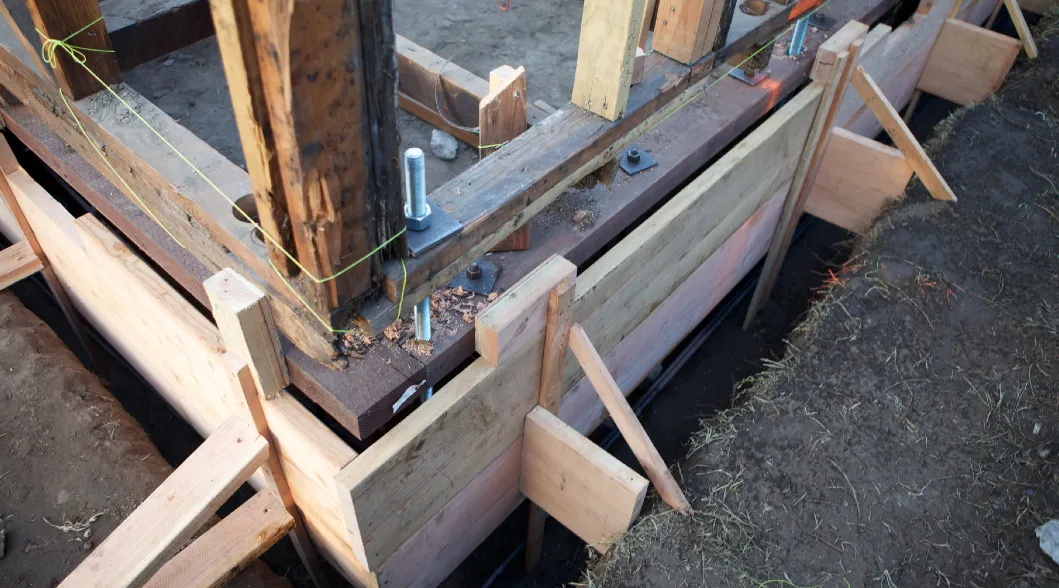
Each of these repairs increases the foundation’s stability and longevity, addressing issues such as soil settlement, water damage, and structural shifts. For these repairs to be compliant with local building codes and regulations, the appropriate permits must be obtained.
Why is a foundation repair permit important?
- Safety: Permits guarantee that repairs are done correctly to protect your home and its occupants.
- Home Value: Proper documentation of foundation repairs can positively impact your home’s value.
- Compliance: Permits help maintain neighborhood standards and property values.
Who is responsible for obtaining the permit?
Generally, your contractor will handle the permit process. At Powerlift, we are familiar with local regulations and can guide you through the necessary steps. However, it’s essential to stay informed and involved.
When is a permit required?
When is a permit required for foundation repairs? Understanding the requirements for permits related to foundation work varies by state. For instance, in Oklahoma, Arkansas, North Carolina, Tennessee, and Arizona, specific regulations dictate when permits are necessary. Many cities require permits for significant foundation repairs to guarantee the work meets safety and building standards. It’s crucial to consult with your contractor to confirm if a permit is needed before starting the project. Typically, tasks such as installing piers or underpinning may require permits, and your contractor can help complete the necessary paperwork to comply with local regulations.
State-Specific Permit Processes
Oklahoma
In Oklahoma, a building permit is required for all property improvements, including foundation work. The Oklahoma County Planning Department issues these permits, which require several documents:
- Application Form: Must include a warranty or quit claim deed and any easements.
- Site Plan: A detailed layout showing property lines, existing structures, and proposed changes.
- Soil Tests: Required for certain projects, particularly if the land is disturbed significantly.
- Plans: For significant alterations or new homes, licensed engineers or architects must stamp the foundation plans.
Permits must be acted upon within six months, and work should be completed within two years of approval. Inspections are mandatory at various stages of construction, including foundation, framing, and final inspections. Searching for foundation repair Tulsa? Powerlift Foundation Repair provides top-quality service all over Oklahoma that residents can rely on to keep their homes stable and secure.

Arkansas
In Arkansas, local municipalities typically oversee the foundation work permit process. Homeowners must contact their local building department to understand the specific requirements. The permitting process typically includes:
- Permit Application: Submitted to the local building authority, detailing the nature of the work.
- Site Plan: A layout showing existing structures and proposed changes.
- Construction Plans: Must be stamped by a licensed engineer or architect for significant alterations.
- Proof of Ownership: It is necessary to confirm property rights.
The timeline for permit approval can vary, so early application is advisable. Inspections are required at various stages to confirm compliance with local building codes.
North Carolina
North Carolina requires permits for any structural changes, including foundation work. The permitting process involves:
- Application Submission: Must include detailed plans and specifications.
- Inspections: Multiple inspections are required at different stages, including footing and final inspections.
- Local Regulations: Each county may have additional requirements, making it essential to check with local authorities.
Permits are generally valid for six months, and construction must commence within that timeframe.
Tennessee
In Tennessee, a building permit is required for foundation work. The process includes:
- Permit Application: Must be submitted to the local building authority, including construction documents.
- Inspection: Required at various stages, including foundation and framing.
- Compliance with Codes: All work must adhere to local building codes and regulations.
Permits are typically valid for six months, with extensions available upon request.
Arizona
Arizona’s requirements for foundation work permits depend on local jurisdictions. Generally, the process includes:
- Permit Application: Required for any structural work, including foundation repairs.
- Documentation: May include site plans, engineering calculations, and proof of ownership.
- Inspection: Multiple inspections are conducted throughout the construction process to guarantee compliance with state and local codes.
Permits must be obtained before starting any work, and local building departments can provide specific guidelines.
Permit Pitfalls: Avoid Delays and Legal Issues in Your Foundation Repair
Navigating the complex world of home improvement can be overwhelming, especially when it comes to foundation repair. One of the most crucial steps often overlooked is obtaining the necessary permits. This guide will illuminate potential pitfalls and guarantee a smooth foundation repair process.
Common pitfalls include:
- Unforeseen Delays: Missing or incorrect paperwork can significantly prolong your project timeline.
- Costly Fines: Working without proper permits can result in hefty fines and legal repercussions.
- Safety Hazards: Unpermitted work may compromise the structural integrity of your home, putting you and your family at risk.
- Difficulty Selling Your Home: Unpermitted work can hinder the sale of your home in the future.

Can Powerlift contact the local building department for building permits?
Yes, as a licensed contractor, we can absolutely contact the local building department to obtain the necessary permits for foundation repair work.
As a reputable and experienced foundation repair company, we have established relationships with building departments in the areas we serve. This allows us to efficiently navigate the permit process on behalf of our clients.
Key benefits of Powerlift handling the permit process:
- Expertise: We understand the specific requirements for foundation repair permits.
- Efficiency: We can expedite the procedure due to our familiarity with building department procedures.
- Convenience: We save homeowners time and hassle.
- Risk mitigation: We can guarantee all necessary paperwork is completed correctly.
Powerlift Foundation Repair Handles It All
When it comes to foundation repairs, understanding when and where permits are required is crucial for being in compliance with local regulations. Powerlift Foundation Repair, as the leading foundation repair company, is dedicated to helping you navigate the complexities of obtaining the proper permits, whether you’re dealing with minor crack repairs or more extensive foundation work. A group of qualified, professional contractors committed to assisting you at every stage of the process backs up our services in Oklahoma, Arkansas, North Carolina, Tennessee, and Arizona.
Get a licensed contractor right here for your home’s foundation. Contact Powerlift Foundation Repair today for a free inspection and estimate, and let us handle your foundation repair needs with expertise and care.
