

Water and your home’s foundation are natural enemies. Left unchecked, even minor water infiltration can snowball into costly repairs, mold growth, and serious structural damage. The good news is that today’s basement foundation waterproofing methods are more effective than ever, giving homeowners real options to keep their basements dry regardless of soil conditions, climate, or water table levels.
This guide walks you through the most proven waterproofing methods, from interior solutions to full exterior waterproofing, so you can make the right call for your home. Whether you are dealing with minor seepage, standing water, or long-term moisture problems, working with experienced professionals like Powerlift can help ensure the right waterproofing system is chosen for your home’s specific foundation and soil conditions.
Why Basement Waterproofing Matters
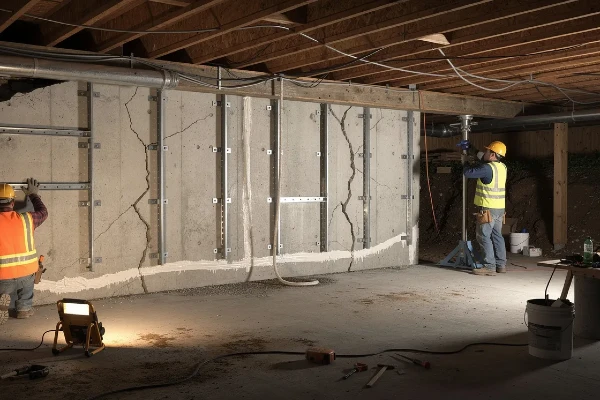
Before exploring specific waterproofing techniques, it helps to understand what you are up against. Hydrostatic pressure is the primary force driving water into your basement. As water saturates the surrounding soil after heavy rain or snowmelt, it pushes against your exterior foundation walls with considerable force. Because concrete is porous by nature, water vapor and water droplets can pass through tiny pores in your foundation walls and basement floor, even without visible cracks.
The results are predictable and unpleasant: musty odors, humid air, mildew growth, and eventually mold growth that threatens indoor air quality. Over time, persistent basement moisture weakens the structural integrity of your foundation, leading to structural cracks, floor slab settlement, and more extensive repairs that could have been prevented early on.
Poor drainage around your home accelerates the problem. When gutters dump water near the foundation or the ground slopes toward the house, you are essentially directing water flow straight at your basement walls. Understanding these causes of foundation problems is the first step toward choosing the right waterproofing solution.
Exterior Waterproofing Methods
Exterior waterproofing is widely considered the most comprehensive approach because it addresses water before it ever contacts your foundation walls. These exterior solutions stop water intrusion at the source rather than managing it after it enters.
How Exterior Waterproofing Works
The process begins with excavating the soil around the exterior foundation walls down to the footing. Once exposed, crews clean the wall surface and apply a waterproof membrane directly to the concrete. This membrane, often rubberized, an AA asphalt, or a sheet-applied system, creates a tight seal against water seeping through the foundation.
After the membrane is in place, a drainage board is installed over it to redirect water downward and away from the foundation rather than allowing it to pool against the wall.
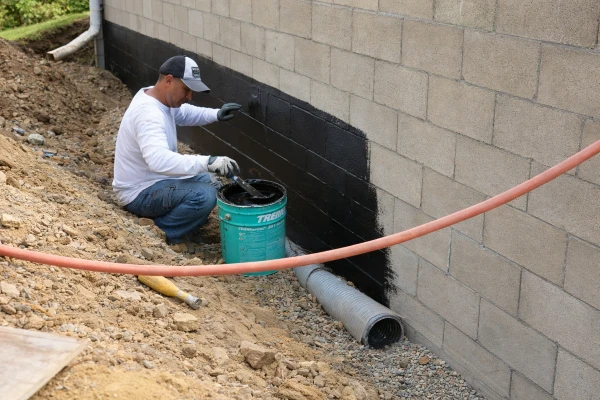
French drains consisting of perforated pipes surrounded by gravel are then laid at the footing level to capture water and direct it away from the structure. The trench is backfilled with gravel and compacted soil graded to move water away from the foundation.
Pros and Cons of Exterior Waterproofing
Exterior waterproofing provides the most permanent and effective solution for serious water seepage. A properly installed waterproof membrane combined with exterior drainage systems can protect a foundation for decades. It eliminates the problem entirely rather than redirecting standing water internally.
The drawbacks are real, however. Excavation is disruptive and labor-intensive. Landscaping, driveways, and decking near the foundation may need to be removed and replaced. Costs typically run between $8,000 and $15,000 or more for an average home. For homes with extensive structural damage oO-r high water table conditions, exterior waterproofing is often the only truly effective solution despite the investment.
Interior Basement Waterproofing
Interior basement waterproofing does not stop water from entering the foundation, but it manages and redirects water infiltration so it cannot accumulate, cause moisture problems, or threaten structural integrity. For many homeowners dealing with minor seepage or drainage issues, interior waterproofing offers an effective solution with minimal disruption.
Interior Drainage Systems
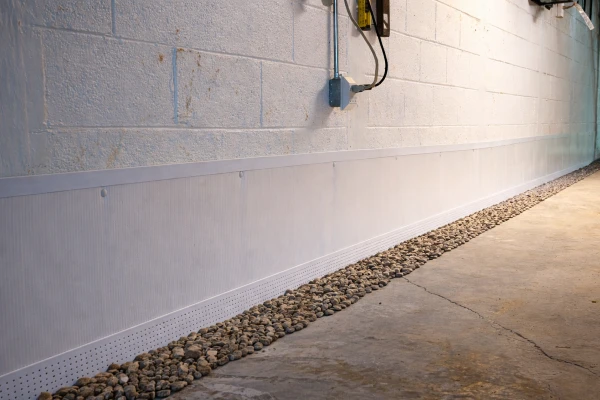
Interior drainage systems are the backbone of most interior basement waterproofing approaches. A channel is cut along the perimeter of the basement floor where the basement walls meet the slab. Perforated pipes are laid in this channel to capture water that seeps through the foundation walls or up through the basement floor and direct water toward a sump pit.
The sump pit houses the sump pump, which sits in the sump basin and automatically activates when water levels rise.
Submersible pumps are the most common choice for residential applications. The sump pump sits ready at all times and ejects water through a discharge line that routes it away from the foundation. When paired with a battery backup system, a sump pump continues protecting your basement even during power outages that often coincide with heavy rain events.
Interior drainage systems are less invasive than exterior excavation and significantly less expensive. They are particularly well-suited for finished basements where full exterior work would require major demolition.
Interior Sealants and Coatings
For homes experiencing minor water infiltration through porous concrete walls, interior sealants can provide meaningful moisture control. Cementitious waterproofing products are mixed with water and typically brushed or rolled directly onto interior basement walls and the basement floor. They bond with the concrete and fill tiny pores, creating a barrier against water vapor and minor leaks.
Epoxy and polyurethane injections are used for sealing cracks in the foundation walls. Polyurethane foam expands as it cures, filling structural cracks completely and creating a flexible seal that accommodates minor movement. These interior sealants are best suited for minor cracks and minor water infiltration rather than chronic water seeping from high hydrostatic pressure.
Interior sealants are not a stand-alone solution for serious moisture problems. They slow water vapor transmission and help prevent moisture intrusion through the wall surface, but they are not designed to resist significant hydrostatic pressure over the long term. Think of them as part of a layered moisture control strategy rather than a complete fix on their own.
Vapor Barriers
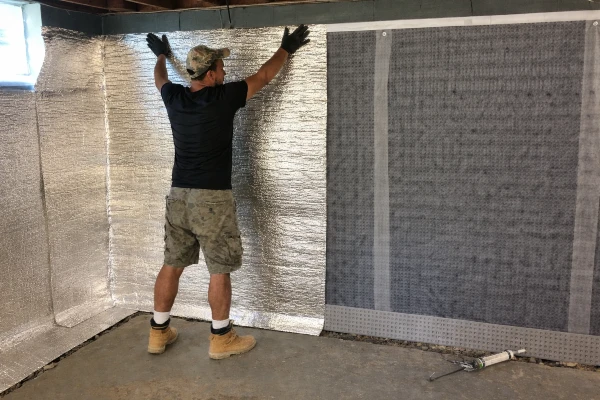
A vapor barrier installed against interior walls and across the basement floor is another common component of interior basement waterproofing. Heavy-gauge polyethylene sheeting is sealed at seams and edges to create a continuous barrier that blocks humid air and water vapor from passing through into the living space.
Vapor barriers are especially valuable in basements that experience condensation rather than active water seeping. When warm, humid air contacts cool interior basement walls, water droplets form on the wall surface and can contribute to mold growth and musty odors even without any real drainage issues. A properly installed vapor barrier keeps that moisture isolated and protects indoor air quality while also helping to lower energy costs by reducing humidity loads on HVAC systems.
Comparing Waterproofing Methods: A Quick Reference
| Method | Best For | Avg. Cost | Disruption |
|---|---|---|---|
| Exterior Membrane | Serious water intrusion, high water table | $8,000 to $15,000+ | High (excavation required) |
| French Drains (Exterior) | Redirecting water away from the foundation | $3,000 to $8,000 | High |
| Interior Drainage Systems | Managing ongoing seepage, sump pump integration | $3,000 to $7,000 | Moderate |
| Cementitious Waterproofing | Minor seepage through porous concrete | $500 to $2,000 | Low |
| Crack Injections | Sealing minor cracks in foundation walls | $300 to $1,500 | Minimal |
| Vapor Barriers | Condensation, water vapor control | $500 to $2,500 | Low |
DIY vs. Professional Waterproofing
Some basement waterproofing tasks are within reach for a motivated homeowner. Applying interior sealants, installing a vapor barrier, and basic grading to redirect water flow away from the foundation are all manageable DIY projects that can reduce moisture problems and buy time.
However, professional waterproofing is essential for any situation involving significant water damage, structural cracks, bowing foundation walls, or a persistently high water table. Proper installation of interior drainage systems and sump pump systems requires precise grading, sealed connections, and correct pipe placement. Exterior waterproofing demands heavy equipment and expertise to ensure the waterproof membrane is applied correctly and drainage boards are positioned to actually redirect water rather than trap it.
Cutting corners on professional waterproofing typically leads to more extensive repairs down the road. Water is patient, and it will find every gap in an improperly installed system. Hiring a qualified contractor who warrants their work protects your investment and gives you confidence that the system will perform during the heavy rain events that put it to the test.
Maintenance Tips to Keep Your Basement Dry
Even the best waterproofing methods require some ongoing attention to perform well over time.
Clean your gutters at least twice a year and extend downspouts so they discharge water well away from the foundation. Check the grading around your home annually and add soil or regrade as needed to maintain a slope that carries water away from the foundation rather than pooling it against exterior foundation walls.
Test your sump pump before the wet season by pouring water into the sump pit and confirming that the pump activates and discharges properly. Inspect the discharge line to ensure it is not frozen, clogged, or draining too close to the foundation.
Inspect interior basement walls and the basement floor at least once a year for new cracks, water stains, or signs of mold growth. Catching minor cracks early and sealing them before they grow prevents water seeping from becoming a larger structural problem.
If you have installed a vapor barrier, check for tears or separations at seams and repair them promptly. A vapor barrier with gaps loses much of its ability to prevent moisture intrusion and protect indoor air quality.
Frequently Asked Questions
When to Call a Foundation Repair Professional
Not every wet basement is a waterproofing problem alone. If you are seeing bowing or bulging interior basement walls, horizontal cracks across the middle of foundation walls, or significant floor slab settlement, water damage may have already compromised your foundation’s structural integrity. These are signs that go beyond drainage systems and require a foundation repair specialist to evaluate.
A professional will assess whether structural damage is present and whether waterproofing alone is sufficient or whether stabilization or underpinning is needed alongside moisture control. Addressing structural cracks and instability before installing waterproofing ensures your investment in moisture protection is built on a solid foundation, literally.
If you are noticing foundation cracks, bowing walls, basement leaks, or uneven floors, do not wait for the damage to get worse. Contact Powerlift today for a professional inspection and customized solution. Their team can determine whether you need waterproofing, structural repairs, or both to keep your home safe, dry, and stable for years to come.