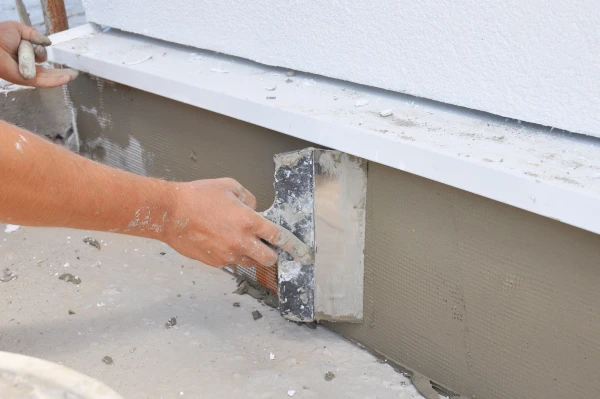
When we talk about the structural integrity of a house, the foundation is fundamentally at the center of the conversation. This often-overlooked component silently bears the weight of your home, providing support and stability over the years. However, sometimes this crucial foundation can experience unsettling shifts or failures, leading to potentially serious structural issues. But what causes these changes, and how can you recognize them? In this blog, we’ll explore the factors that contribute to foundation settlement or failure, helping you understand how the foundation plays its vital role under your home and how you can spot signs of differential foundation settling before they become larger problems.
Related Article: Residential Foundation Failures: 10 Causes And Solutions
Understanding Foundation Settlement
Foundation settlement is a common concern for homeowners, and if not addressed early, it can lead to significant damage. The foundation’s ability to support your home depends on the soil underneath, which can shift due to various factors like soil type, moisture content, or natural events like heavy rain. Often, issues arise when different parts of the foundation settle at different rates, resulting in uneven floors, stair-step cracks, and misaligned doors.

Uniform Settlement
Uniform settlement occurs when the foundation settles evenly across its surface. This is the least concerning type of settlement since the structural integrity remains intact. Sandy soils and well-compacted sites usually promote more uniform settling. While this type of settlement is normal, it’s important to monitor it to prevent future foundation problems.
Tipping Settlement
Tipping settlement happens when one side of the foundation settles more than the other, causing the entire structure to tilt. This type of settlement can lead to significant structural concerns, including misaligned walls and doors, and may require immediate attention. Factors contributing to tipping settlement can include poor drainage, inadequate soil compaction, or variations in soil type beneath different sections of the foundation. Identifying this issue early can help prevent extensive damage to your home.
Differential Settlement
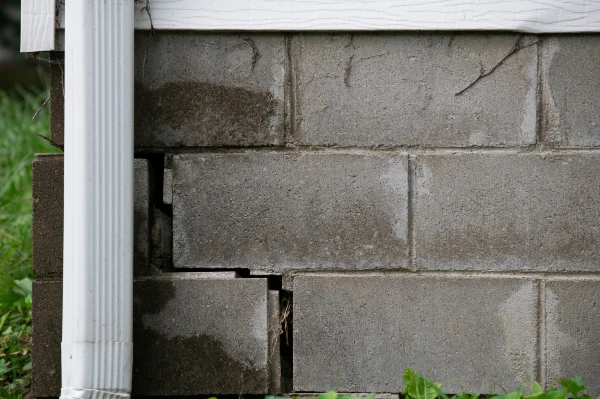
Differential foundation settlement happens when parts of the foundation settle at different rates, often leading to structural damage. Clay soil, which tends to expand and contract with moisture changes, is particularly susceptible. When differential settlement occurs, you might see cracks in foundation walls, uneven floors, and long-term damage. Catching these signs early is key to preventing more serious issues.
The Role of Soil in Foundation Settlement
The type of soil under your foundation plays a huge role in how and when settlement occurs. Each type of soil behaves differently, so understanding the characteristics of the soil beneath your home is key to managing foundation stability.
Clay Soil
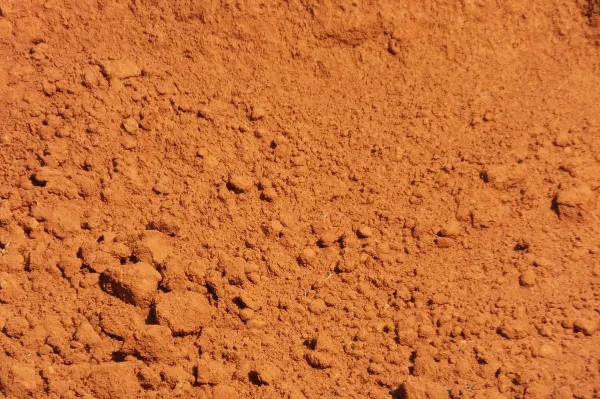
Clay soils are notorious for expanding and contracting based on moisture levels. This can lead to uneven or differential settlement as sections of the foundation move at variable rates. When water content increases, clay soil swells, and when it decreases, they shrink—both of which can cause the foundation to shift and crack.
Sandy Soil
Sandy soils, in contrast, drain water more effectively, providing more consistent support for foundations. These soils generally compact more uniformly, leading to uniform settlement where the entire foundation settles at the same rate. However, poor site preparation can still cause issues if the sandy soil isn’t properly compacted before construction.
Other Soil Types
Soils like silt and loam also come with their own sets of challenges. Loamy soils, with their balanced mixture of sand, silt, and clay, can be stable if compacted properly, while silt, which retains water like clay, may pose settlement risks if not thoroughly evaluated before construction.
FAQs About Foundation Settlement and Failure
How Site Conditions Affect Foundation Settlement
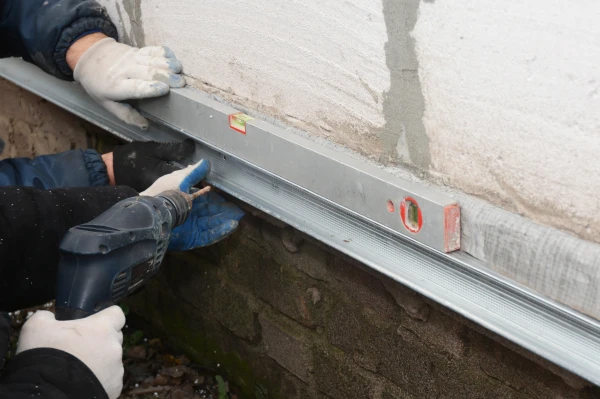
Beyond the soil type, site conditions such as moisture content, temperature, and compaction levels also determine how the foundation settles. Poorly compacted soil, for example, can lead to immediate or uneven settlement. Vegetation and landscaping around the home also affect moisture levels, which in turn impacts soil behavior. For instance, trees with deep root systems can draw water from the soil beneath the foundation, leading to settlement issues.
Immediate Settlement
Immediate settlement often occurs shortly after construction, particularly if soil compaction was not adequately addressed during the building phase. This quick compaction happens as the soil beneath your home settles under the weight of the structure. Shallow foundations are especially vulnerable to this issue. Immediate settlement doesn’t always signal long-term problems, but monitoring for further changes is important.
Consolidation Settlement
Consolidation settlement is a slower process, taking years to manifest. It occurs as water is gradually squeezed out of the soil beneath your foundation, causing compression. Clay-rich soils are most prone to this type of settlement. As the soil continues to compact, the foundation can shift unevenly, leading to structural problems over time. Addressing soil composition before construction is key to minimizing the risk of consolidation settlement.
Concrete or paved surfaces around your home can change the way water drains, influencing how moisture interacts with the soil and the foundation. Paying attention to these site-specific constraints can help maintain foundation stability over time.
Signs You May Need Foundation Repairs
Knowing when to call a professional for foundation repair starts with recognizing the warning signs. Keep an eye out for:
Cracks in walls and foundations:
Sudden or growing cracks, especially stair-step or horizontal cracks, could indicate foundation settlement.
Uneven or sagging floors:
Sloping or uneven floors often point to differential settlement.
Doors and windows sticking:
Misaligned frames can signal foundation movement, making doors and windows difficult to open or close.
Gaps around windows or doors:
These gaps may appear as the foundation shifts and pulls apart the framing.
Bowing or leaning walls:
This serious issue requires immediate attention, as it suggests significant foundational movement.
How Foundation Repairs Work
If you notice any of these signs, it’s time to reach out to a foundation repair expert. At PowerLift, we start with a thorough inspection to identify the root causes of your foundation problems. With our experience and advanced diagnostic tools, we create a custom repair plan that suits your home’s needs.
- Stabilization Techniques: We use methods like underpinning with helical and push piers to lift and stabilize your foundation, keeping your home secure for years to come.
- Crack Repair: Our team uses high-quality materials like epoxy and polyurethane foam to fill and seal cracks, preventing further damage and maintaining the structural integrity of your home.
- Drainage Improvements: Proper drainage is critical to avoiding foundation problems caused by water accumulation. We design and install drainage solutions, like gutters and downspouts, to keep water away from your foundation.
- Soil Stabilization: If soil instability is part of the problem, we use techniques like soil grouting to strengthen the ground beneath your foundation, reducing future settlement risks.

When to Call a Professional
Don’t wait for minor issues to become major headaches. If you see cracks, skewed floors, or other signs of foundation trouble, contact PowerLift for an expert consultation. We serve North Carolina, Oklahoma, Tennessee, Arkansas, and Arizona, providing tailored solutions that address your home’s unique needs.
Foundation problems can seem overwhelming, but with the right approach, you can protect your home from further damage. Our team brings industry-leading techniques and decades of experience to every project, offering reliable solutions that restore your home’s stability.
Reach out to PowerLift today and take the first step toward safeguarding your home for the future.
For a FREE estimate, give us a call at 1-800-562-5438 or contact us via our website.