

There are several house foundation types to pick from, including slab foundations, basement foundations, pier foundations, and concrete perimeter foundations. Each type has its perks, but the concrete perimeter foundation stands out for its strength and stability. How do you know if it’s the right foundation for your home?
We get it—it can be overwhelming to choose the type of foundation that fits your property and environment best. At PowerLift Foundation Repair, we’re well-versed in every type of foundation, so we’ll help you understand what a concrete perimeter foundation is along with its benefits and common issues. By the end of this article, you’ll be able to determine if it’s suitable for your home’s foundation.
Related Article: How To Insulate A Crawl Space
Understanding Concrete Perimeter Foundations
What Does It Look Like?
So, what is a concrete perimeter foundation? This foundation is made of concrete walls surrounding the perimeter of a building. The concrete isn’t sitting directly at ground level; it’s typically buried a few feet below the ground or soil while also extending above it. It’s made of poured concrete and is usually reinforced with rebar for extra strength.
How Does It Work?
A concrete perimeter foundation provides a steady and solid base for residential and commercial properties. The concrete base can effectively support the weight of the building and distribute the load evenly. Similar to other foundations, concrete perimeter foundations prevent issues like settling and shifting.
What Is the Construction Process?
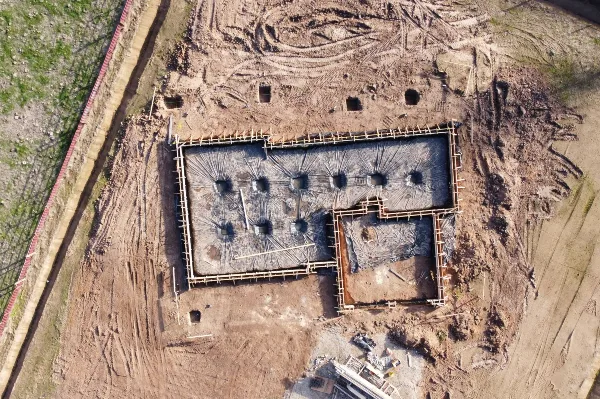
The construction process of a concrete perimeter foundation involves several straightforward steps. It starts with an excavation of the land or soil around the perimeter of the structure, followed by the placement of wooden or metal forms and rebar to shape the short foundation walls. Finally, cement is poured into the forms and left to harden.
Benefits of Choosing a Concrete Perimeter Foundation
Climate Versatility
One of the main benefits of a concrete perimeter foundation is that it’s a versatile foundation that works well with various climates, be it colder climates or warmer climates. This is because concrete is incredibly durable and has the ability to withstand different weather conditions and climates. With proper construction, you can expect concrete perimeter foundations to perform well in many environments.

- Moderate Climares: This type of foundation is well-suited for areas with stable and moderate temperatures.
- Cold Climates: It also performs well in areas that experience ground freezing and low temperatures. If it’s properly insulated and built below the frost line, it can handle ground freezes without taking major damage.
- Warm Climates: Concrete blocks are effective in regulating indoor temperatures, making this type of foundation a good fit for regions with warm temperatures.
- Wet Climates: Concrete perimeter foundations can handle high moisture levels. For additional protection, the continuous concrete block can also be treated to become water and moisture-resistant.
Long Lifespan
Concrete perimeter foundations promise a long lifespan—decades, to be particular. Concrete is generally resistant to decay, meaning you can rely on its longevity for years to come. If constructed and maintained properly, homeowners can save on frequent and major foundation repair projects.
Moisture Resistant
Compared to other materials, cement is resistant to moisture which helps prevent issues like water damage, mold, and mildew. This benefit ensures that the house’s interior is protected from external forces. Additionally, being able to withstand moisture means concrete perimeter foundations promise longevity and durability.
Fire Resistant
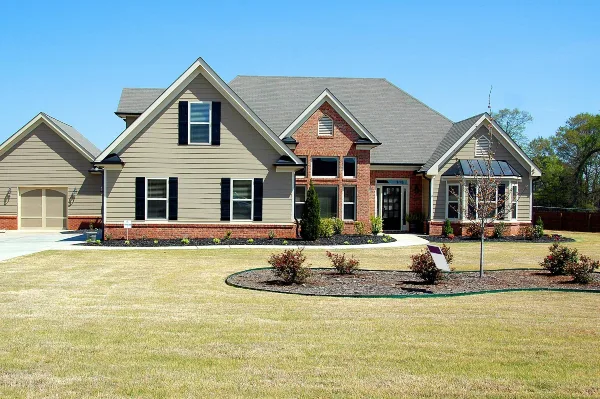
Aside from being moisture resistant, cement and stone also don’t burn, which helps mitigate the spread of fire in the house built on top of it. As a result, concrete perimeter foundations are less prone to fire damage, making it a popular choice for residential and commercial foundations.
Property Value
A concrete perimeter foundation can increase your home’s property value and make it more attractive to potential buyers. Generally, well-built and well-maintained foundations that follow building codes can improve any structure’s property value as they guarantee structural integrity and a longer lifespan.
Common Concrete Perimeter Foundation Issues
Heaving
Heaving is when the soil underneath the foundation expands and moves, causing the foundation to shift unevenly. This typically happens due to freezing or excessive moisture. If left unattended, this can lead to cracks and gaps in the foundation wall. Concrete perimeter foundations are moisture-resistant, but soil movement can still compromise its stability.
Prevention: To prevent heaving, install a proper drainage system and invest in soil preparation.
Cracks
Various issues can cause cracks and gaps to appear in the structural foundation walls such as soil movement, excessive moisture, and foundation settling. Cement perimeter foundations are durable and strong, but it’s still essential that you monitor it for any damages like cracks and address any issues as soon as possible.
Repair: To repair cracks, you can apply a concrete patching compound or hydraulic cement.
Water Intrusion
Poor drainage can lead to water intrusion and issues like mold and water damage.
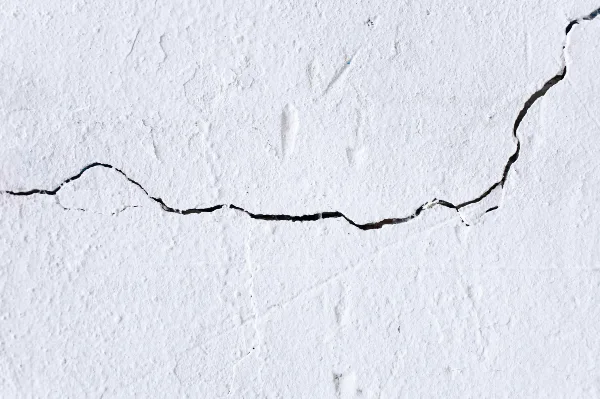
Additionally, it can be caused by water or moisture seeping in through the floor and walls, potentially leading to structural issues.
Prevention: To prevent water intrusion, ensure proper drainage, promptly seal cracks and gaps, and maintain landscaping.
Other Types of Foundation
To better understand how concrete perimeter foundations differ from other types, here’s a quick overview of the common foundations used for residential and commercial buildings:
Pier and Beam Foundation
This type of foundation uses concrete piers and wooden or steel beams. The piers are placed at intervals and rest on concrete footings for stability while the beams lay across the piers and support the bottom of the elevated structure. The foundation transfers the structure’s weight to the ground for stability.
Raft Foundation
Also known as a mat foundation, a raft foundation is characterized by a large concrete slab reinforced with steel rebar covering the entire base of a building. The concrete slabs spread the weight and pressure of the structure for stability and is especially effective for properties on unstable soil.
Pile Foundation
Piles (long, cylindrical concrete, steel, or wood columns) are driven deep into the ground, through unstable soil until they reach a stable rock that can securely take on the weight of the building. This type of foundation is suitable for properties with significant loads.
Basement Foundation
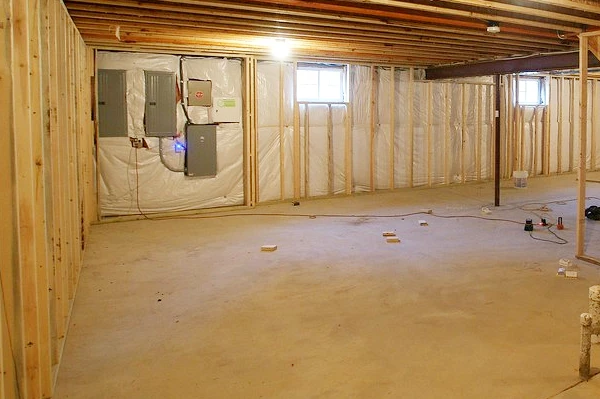
When it comes to basements, the foundation walls (concrete or masonry) support the weight of the house and a concrete slab serves as the basement floor. A full basement also allows you to access extra space or floor space. Basements adds extra square footage to your home that you can repurpose as additional living space or storage space for seasonal items and other equipment.
Concrete Slab Foundations or Concrete Foundation
A concrete slab foundation or a slab-on-grade foundation is made of a single concrete slab that serves as the building’s floor and foundation. These slabs often have thickened edges that help provide additional support for load-bearing walls. The slab-on-grade foundation evenly distributes the load of a building and is well-suited for areas with stable soil.
Wood Foundations
Wood foundations consist of wood panels in the form of walls and wooden support beams, providing support to the structure. The wood used is chemically treated to prevent issues like mold and termite infestation. The material is lighter than others, making them easy to install and a popular choice for homes with stable soil underneath.
Monolithic Slab Foundation
A monolithic slab foundation refers to a type of foundation where the concrete for the slab and the footings is poured simultaneously, resulting in a continuous and seamless foundation. It’s characterized by it’s single-pour process. It’s quick and easy to install and effectively supports the structure above.
Crawl Space Foundation
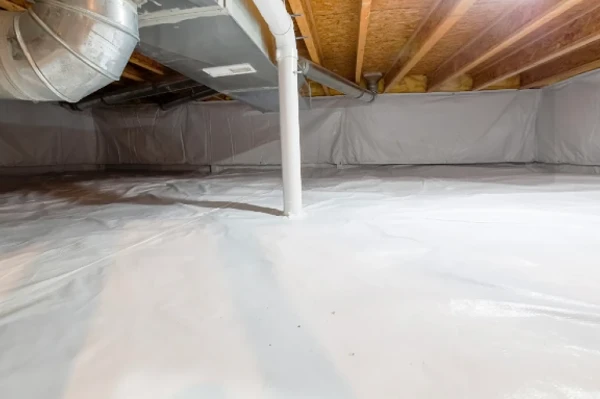
A crawl space foundation lifts a structure a few feet above the ground, leaving space between the ground and the floor a building. The property is supported by short foundation walls surrounding the crawl space. Crawl spaces also allow access to utilities like plumbing, electrical wiring, and other systems.
Count on PowerLift Foundation Repair for Expert Foundation Services
When it comes to high-quality foundation repair services, no one beats PowerLift Foundation Repair. As the #1 foundation repair company in OK, AZ, TN, NC, and AR, we’re experts at bringing peace of mind to property owners, no matter what foundation type they have.
Get started and contact us today for a free evaluation!