

Choosing the right foundation for your home is a crucial decision that affects its stability, longevity, and overall comfort. One popular option is the crawl space foundation. This blog will explore what a crawl space foundation is, its benefits, and how it compares to other foundation types like concrete slab foundations.
At PowerLift, we construct crawl spaces professionally, making sure your home has a strong and durable base.
Related Article: What Are the Benefits of Stem Walls?
Understanding Crawl Space Foundations
A crawl space foundation creates a small, accessible space between the ground and the first floor of a home. Typically, this space is between 18 inches and 4 feet high, depending on the design and local building codes. The exterior concrete walls of a crawl space foundation are built to raise the building above the ground, often with crushed gravel beneath the structure to manage moisture.
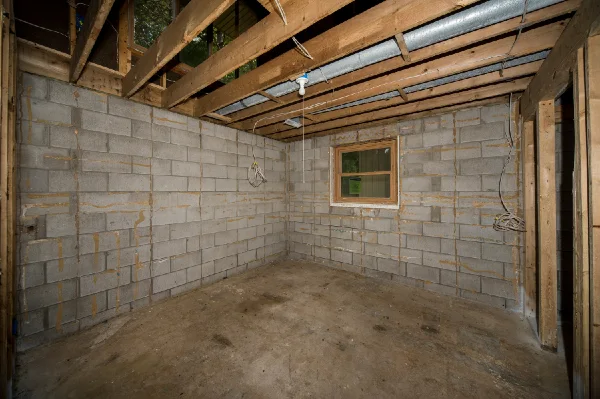
Crawl space foundations consist of exterior concrete walls that support the home’s structure above. These walls are usually constructed using materials such as concrete blocks or poured concrete. This type of foundation is particularly useful for providing space for utilities and for homes in areas with certain environmental conditions.
Construction and Design
Constructing crawl spaces involves several steps:
1. Exterior Concrete Walls
The foundation walls are built around the perimeter of the home to raise it above the ground. These exterior support walls provide the necessary support for the building’s load-bearing areas.
2. Beam Foundations
In some cases, pier and beam foundations are used in conjunction with crawl spaces to provide additional support. This involves piers that support beams, which in turn support the building.
3. Access Space
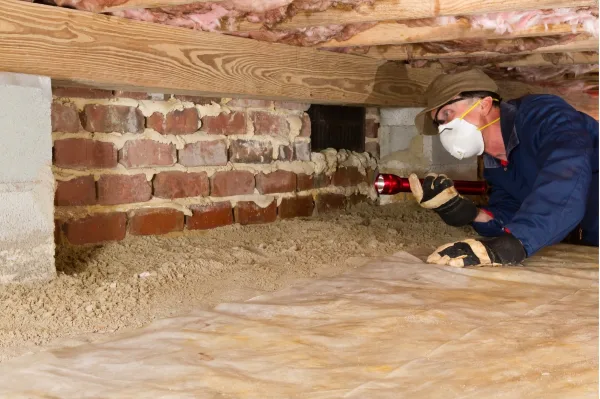
One of the significant benefits of a crawl space is the access space it provides. This area allows homeowners and contractors to easily reach plumbing lines, gas pipes, and electrical wiring, making repairs and upgrades simpler than with slab foundations.
Crawl Space Pros
Crawl space foundations offer several advantages over other types of foundations:
Access to Utilities
A crawl space provides valuable access space for water and gas lines, as well as electrical wiring. This makes it easier to perform maintenance and upgrades without disrupting the entire foundation.
Moisture Control
With proper design, including the use of a vapor barrier, crawl spaces can be resistant to mold and mildew. Although crawl space cons include potential moisture issues, these can be managed with proper ventilation and moisture control techniques.
Temperature Regulation
In colder climates, a crawl space can help insulate the home from the ground’s cold, unlike slab foundations that can conduct cold into the home. This makes crawl space foundations suitable for both warm and cold climates.
Storage Space
The space under the home can serve as additional storage, providing room for items that don’t need to be kept in the main living areas.
Elevation Benefits
By elevating the home, crawl space foundations can help protect against flooding and moisture damage, especially in flood zones.
Different Kinds of Crawl Spaces
When considering a crawl space foundation, there are several types designed to meet specific needs and environmental conditions. Here’s a look at the most common types:
Enclosed Crawl Space
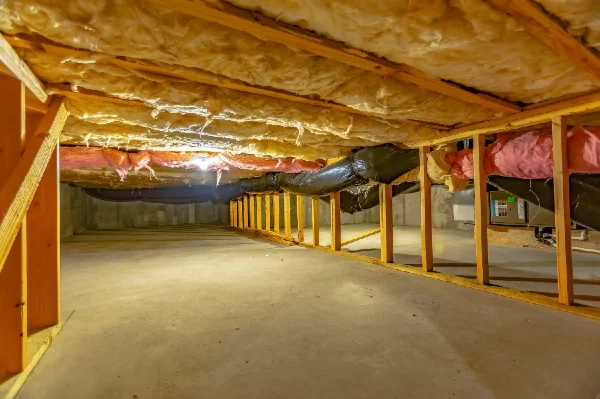
An enclosed crawl space is fully encapsulated with walls and a floor, creating a sealed environment. This type typically features a vapor barrier on the floor to control moisture and reduce the risk of mold and mildew. The walls may be insulated, and the space is often ventilated to manage humidity levels. An enclosed crawl space can provide added protection against outdoor elements and improve indoor air quality when properly maintained.
Advantages
- Moisture Control: Effective at managing humidity and reducing moisture-related issues.
- Energy Efficiency: Insulated walls and floors can help improve the home’s energy efficiency.
- Pest Prevention: A sealed environment can help prevent pests from entering the space.
Sloped Lots Crawl Spaces
Sloped lots crawl spaces are designed for homes built on uneven or hilly terrain. In these situations, the crawl space is adapted to the natural slope of the land, which can mean varying heights and configurations. The design may include steps or ramps to access the space, and the foundation walls are often reinforced to handle the uneven load distribution.
Advantages
- Adaptability: Can be customized to fit the natural slope of the land, providing a stable foundation.
- Water Management: Properly designed sloped crawl spaces can help manage water runoff and prevent flooding.
Understanding Key Aspects of Crawl Space Foundations
When considering the foundation of your home, it’s essential to understand how different construction methods and elements can impact your crawl space. Here’s a look at some key concepts related to crawl space foundations and their construction:
Exterior Concrete Walls Raise
Raising exterior concrete walls in a crawl space involves increasing the height of the walls that enclose the space underneath your home. This approach is often used to improve water management and access. By elevating these walls, you can better protect against moisture intrusion and create more usable space for accessing plumbing and electrical systems.
Benefits
- Better Drainage: Helps prevent water from entering the crawl space, reducing the risk of flooding and moisture damage.
- Increased Access: Provides more space to maneuver and maintain utilities located in the crawl space.

Block and Base Foundations
Block and base foundations are a popular method for supporting crawl spaces. This construction technique involves using concrete blocks to form the walls of the crawl space, with a concrete base providing additional support. This type of foundation is valued for its durability and ability to resist moisture when properly maintained.
Benefits
- Structural Strength: Provides a solid and stable foundation that can support the weight of your home effectively.
- Durability: Concrete blocks and bases offer resistance to pests and moisture, contributing to a more robust foundation.
Comparing Crawl Space Foundations to Other Foundation Types
When choosing between a crawl space foundation and other types of foundations, such as slab foundations, there are several factors to consider:
Concrete Slab Foundations
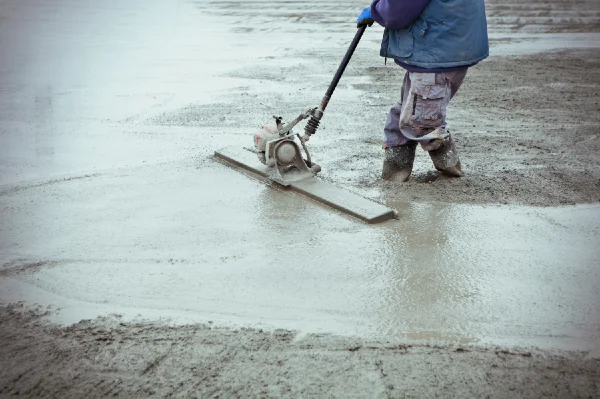
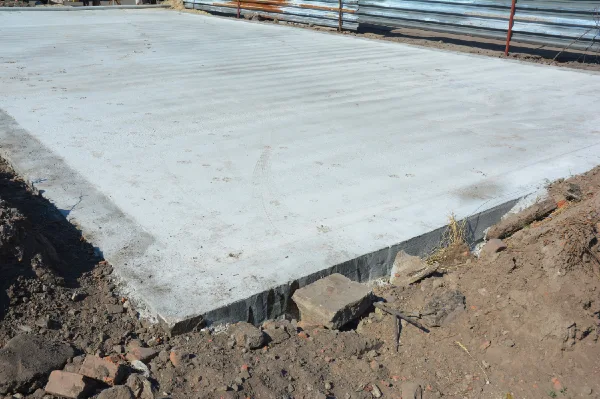
Constructing slab foundations involves pouring a single layer of concrete directly onto the ground, creating a continuous surface that supports the entire structure. Unlike crawl spaces, which provide an elevated area with access underneath, slab foundations offer a flat, solid base.
- Slab vs. Crawl Space: While slab foundations are solid and flat, crawl spaces are raised, offering additional space for access and utility management. The choice between a slab and a crawl space foundation depends on factors like soil conditions, climate, and the need for access beneath the home.
Monolithic Slab Foundations
Monolithic slab foundations are a specific type of slab foundation where the concrete is poured in one continuous piece, integrating both the slab and the foundation walls. This creates a single, solid unit that supports the structure.
- Monolithic Slab vs. Crawl Space: A monolithic slab provides a continuous foundation without gaps, while a crawl space foundation features an elevated area with walls and a floor. Choosing between these options depends on your property’s needs, including factors like moisture control and access requirements.
Basement Foundations
Basement foundations create a full-height space below the main floor of the home, offering additional living or storage space.
- Basement Foundation vs. Crawl Space: Basement foundations are often more expensive and complex to construct compared to crawl space foundations and slab foundations.
When It Comes to Crawl Spaces, Trust PowerLift Foundation Repair
Choosing the right foundation for your home is a significant decision that impacts its stability, longevity, and overall comfort. A crawl space foundation offers many advantages, including access space for utilities, better temperature regulation in cold climates, and additional storage space. However, regular maintenance is also required to manage moisture and pests effectively.
At PowerLift, we specialize in various foundation types, including crawl space foundations and slab foundations. Whether you’re considering the benefits of a crawl space or evaluating other foundation options, our team of experienced foundation contractors is here to help you make the best choice for your home.
If you’re looking for foundation repair, contact us today to discuss your foundation needs and guarantee a strong and durable base for your home.