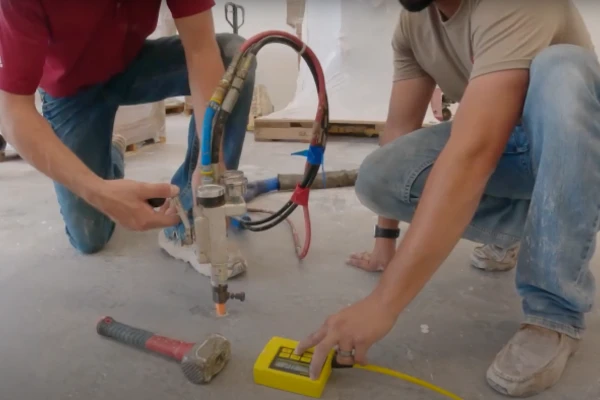
Foundation repair is crucial for your home’s long-term stability but can come with temporary disruptions. Knowing what to expect can make the process smoother and less stressful. Homes in states like North Carolina, Oklahoma, and Arizona face unique challenges from soil conditions and weather, making timely repairs essential to prevent further damage and costly fixes.
While foundation repair may impact your daily life with noise, equipment, or utility shutdowns, understanding the process helps you plan ahead. Here’s what to expect during repairs and how Powerlift Foundation Repair keeps your foundation strong with minimal hassle.
Related Article: How is Concrete Used in Foundations: Essentials and Applications

Common Disruptions During Foundation Repairs
1. Temporary Adjustments to Daily Life
Foundation work often involves shifts in routines, as some areas of your home may be inaccessible or noisy. Most repairs can require several days to complete, so planning ahead for any temporary changes is crucial.
2. Noise and Vibrations
Foundation repair work can involve loud machinery and vibration as crews stabilize and secure your home’s foundation. Expect intermittent noise that may affect your daily activities, especially if you’re working or schooling from home. For sensitive areas, such as home offices or study spaces, relocating temporarily could help minimize distractions.

3. Potential Utility Disruptions
While utilities are generally unaffected, in certain cases, foundation work could temporarily impact water or gas lines. Our team prioritizes safety and minimal impact, so any necessary shutoffs are brief and communicated in advance to limit inconvenience.
4. Dust and Debris
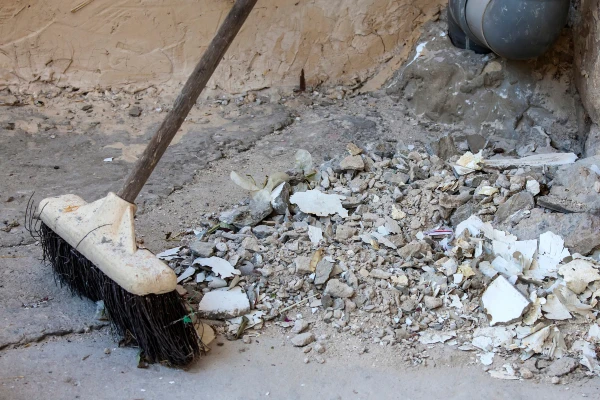
Repairing a foundation can generate dust, which may settle on surfaces and furniture. Covering belongings in affected rooms and making sure good ventilation will help. After the job, Powerlift provides cleanup, leaving your home as tidy as possible.
5. Changes to Yard and Landscape
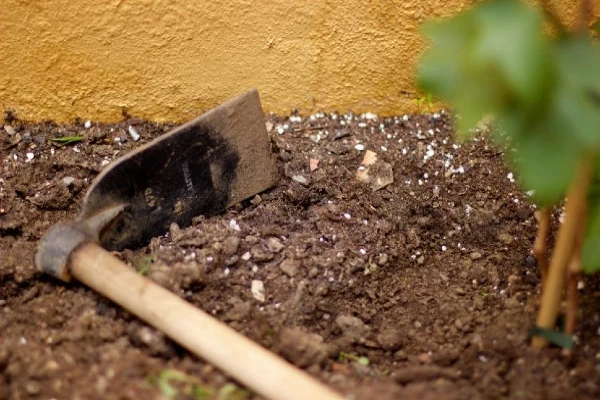
Foundation repairs often require access to areas around your home’s exterior, which might impact landscaping. Some light digging may be necessary to address your home’s foundation issues, particularly if the repairs require working near exterior walls. At Powerlift Foundation Repair, we understand the importance of preserving your property’s landscape and aim to restore any disturbed areas to their original state.
Steps to Minimize Disruptions
Plan Ahead:
Consider relocating key items or setting up an alternative workspace. For family members or pets sensitive to noise or dust, arranging for a comfortable space away from active repair zones can be helpful.
Discuss the Process with Professional Contractors:
Communication is key to understanding how foundation repairs may impact your home. Powerlift’s professionals provide clear guidance on timelines and expectations, so you can plan for minimal impact on your routines.
Stay Flexible for Long-Term Stability:
Although disruptions during foundation repair can be inconvenient, the work results in a more stable, secure home that stands up to future settling and environmental changes. Addressing these issues now saves you from potential larger headaches down the line.
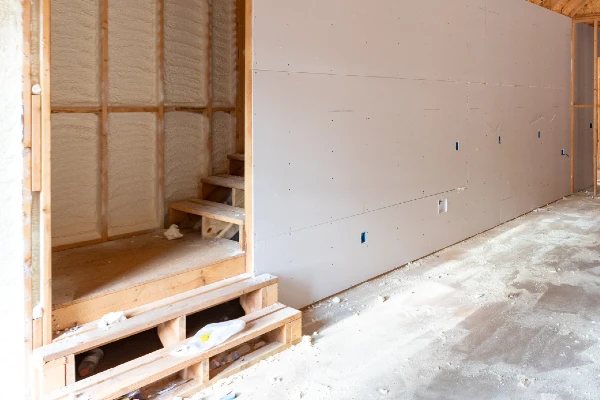
The Foundation Repair Process
Foundation repair requires a tailored approach to address the specific issues impacting your home’s structure. From poor drainage to soil movement, various factors can affect foundations, often requiring extensive repairs. Here’s an overview of some common methods used to restore your foundation and provide the additional support it needs.
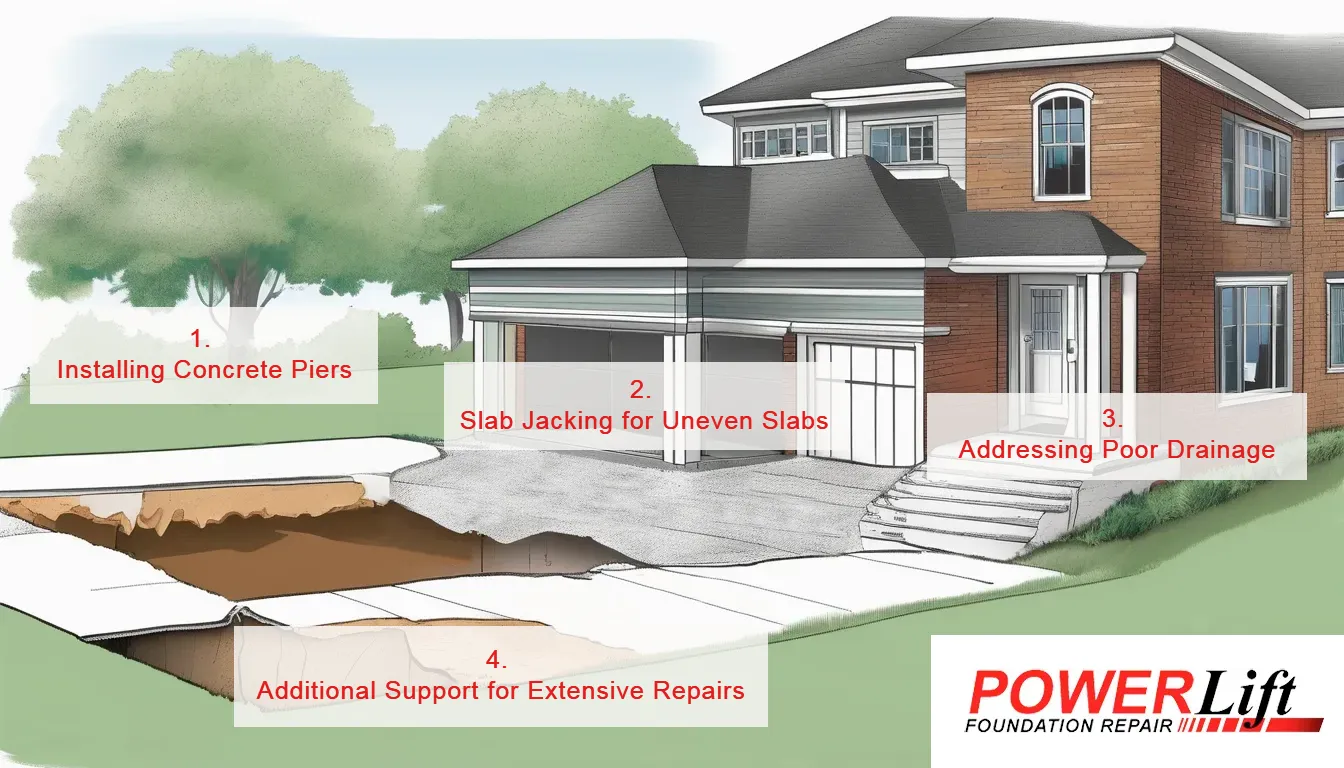
1. Installing Concrete Piers
Concrete piers are a trusted solution for stabilizing a settling foundation. These piers are placed deep into stable soil layers beneath your home, giving your foundation a solid base. For homes experiencing issues due to shifting soil, concrete piers provide lasting stability.
2. Slab Jacking for Uneven Slabs
Slab jacking is often used to address uneven or sunken areas of concrete slabs. This method involves injecting a specialized material beneath the slab and lifting it to a level position. Slab jacking is effective for issues arising from soil movement, adding critical support without extensive disruption.
3. Addressing Poor Drainage
Poor drainage is a common cause of foundation problems, as water buildup around the home can cause soil to expand and contract. To prevent further damage, addressing drainage issues is a key part of the repair process. Solutions might include grading adjustments or installing drainage systems to keep water away from the house.
4. Additional Support for Extensive Repairs
In cases of severe foundation challenges, additional support systems, such as helical piers or steel beams, may be installed to reinforce the structure. These systems distribute the weight of the house evenly, stabilizing it against future soil shifts.
Each home is unique, and the right foundation repair method depends on factors like soil type, the severity of foundation issues, and the overall structure of the house. Powerlift Foundation Repair’s professionals of experienced contractors will assess your specific needs, making sure your foundation is protected for the future.
Foundation Problems Lead to Foundation Repairs: What to Look For
Recognizing early signs of foundation issues can save you time and money and help maintain your property’s integrity. Foundation cracks and other structural problems can worsen over time, leading to more extensive repairs if not addressed. Here’s what to look out for and how professional contractors can help.
1. Cracks in Walls, Floors, or Driveways
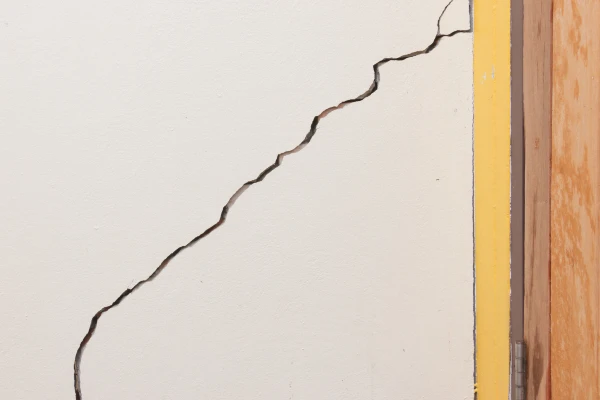
Cracks are one of the first signs of foundation trouble. Check for cracks along walls, basement floors, and even driveways. Foundation cracks can indicate shifting ground or uneven settling, which may require specific techniques like lifting or filling to solve the issue. Professional inspection is crucial to determining the extent of damage and the right repair approach.
2. Sticking Doors and Windows
If doors or windows are suddenly difficult to open or close, this can be a red flag. As foundations shift, it often affects the alignment of door and window frames. While it may seem minor, sticking doors could point to significant underlying foundation problems that require attention before they worsen.
3. Uneven Floors or Sagging Ground
Uneven floors can indicate a serious foundation issue. This can happen when soil beneath the home shifts or settles inconsistently, contributing to an unbalanced structure. Techniques like slab jacking or concrete lifting can restore balance to affected areas, protecting your property’s longevity.
4. Water in the Basement
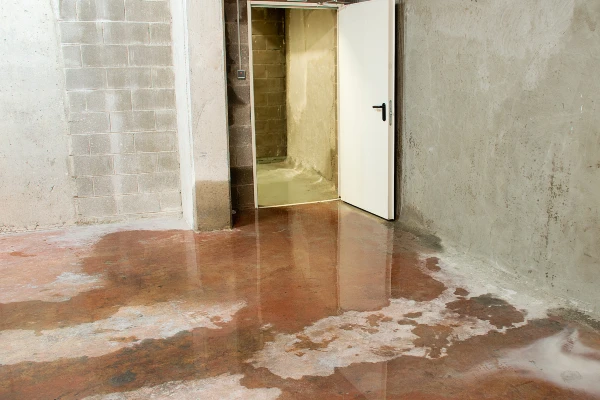
Water intrusion in the basement is often a sign of foundation issues. Poor drainage, cracks, or ground shifts can lead to moisture buildup, which threatens the foundation’s integrity. A professional contractor can inspect your basement, identify water entry points, and determine the most effective methods to keep your foundation dry and stable.
5. Visible Shifts in Exterior Structures
Gaps between your house and external features like porches, patios, or driveways can be a sign of foundation settling. When the foundation shifts, these elements can separate from the main structure, signaling a need for repair to prevent further damage.
By paying attention to these indicators, you can address foundation problems early and choose the right techniques to protect your home. Powerlift Foundation Repair’s team provides expert inspections and a range of solutions for homeowners in your city, promising your foundation stays secure for years to come.
What is Foam Jacking Foundation Repair?
Foam jacking foundation repair, or polyurethane foam injection, lifts and stabilizes sunken concrete by injecting expanding foam under the slab. Small holes are drilled into the concrete, and high-density foam is injected, filling voids and raising the slab to its original position.
Benefits of Foam Jacking:
- Quick and minimally invasive
- Lightweight yet strong support
- Water-resistant and long-lasting
Foam jacking is ideal for stabilizing settled driveways, sidewalks, garage floors, and basement slabs, providing a cost-effective, durable solution for foundation issues.
Trust Powerlift, Your Foundation Repair Expert
Foundation repair doesn’t have to be a major upheaval in your life. With Powerlift Foundation Repair’s team in North Carolina, Oklahoma, Tennessee, Arkansas, and Arizona, you can count on effective solutions and quality work. We help homeowners address crucial foundation needs while keeping disruptions as minimal as possible. Contact us today to learn more about our services and how we can restore your home’s foundation for long-term stability.