

Foundation issues in a commercial building can disrupt your business and rack up some pretty hefty repair bills. To avoid the inconveniences that come with commercial foundation problems, a little regular maintenance and attention is all you need. Check out Powerlift Foundation Repair‘s expert advice below—21 helpful tips, to be exact—to save yourself from having to deal with foundation damage.
1. Regularly Inspect Your Home’s Foundation
At least once or twice a year, set aside time to do a thorough walkaround of your building.
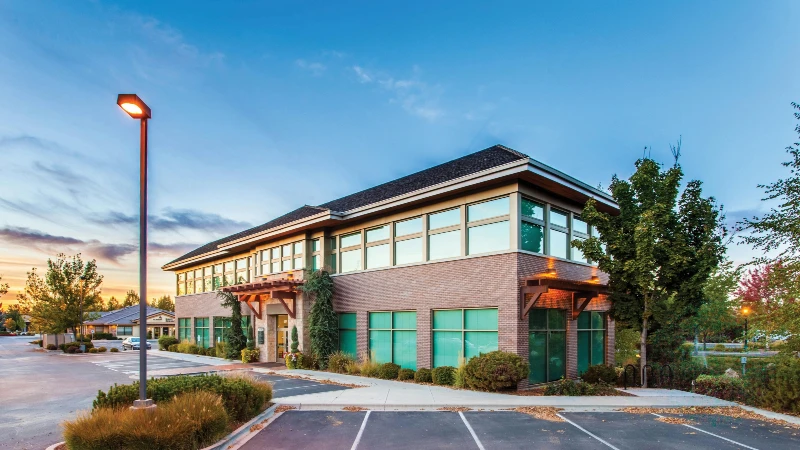
Look for large cracks in the walls, uneven or bouncing floors, or doors that don’t shut properly. These seemingly trivial things are actually some of the most common signs that there’s something going wrong underneath that might require extensive foundation repair if not addressed right away.
2. Don’t Let Your Gutters Get Clogged
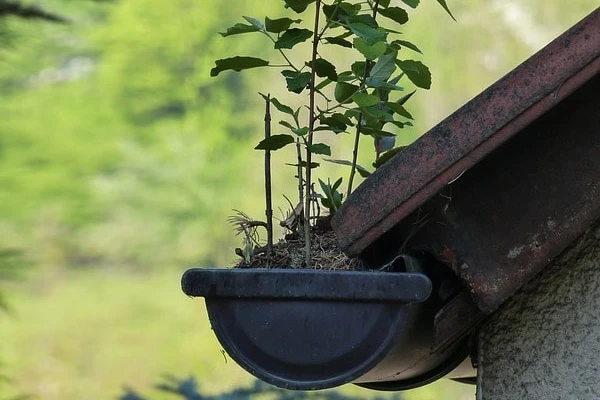
Keeping your gutters clean is important because a clogged gutter can cause rainwater to overflow and pour directly onto the soil near your foundation. Over time, this leads to erosion and settling. Take a few minutes each season to clear out leaves and debris—or better yet, install gutter guards to make the job easier.
3. Install Vapor Barriers
Installing vapor barriers is an excellent way to protect crawl spaces from excess moisture. These heavy-duty liners cover the ground and walls, keeping humidity levels low and preventing issues like mold or wood rot that could lead to foundation problems.
4. Fix Drainage System Issues Before They Get Worse
Water accumulation or standing water around your home’s foundation can lead to a long list of foundation problems including water intrusion. It also weakens the soil, causing it to shift and destabilize your foundation. To prevent water damage and moisture issues, always check if your drainage system is working properly.
5. Keep the Soil Moist—But Not Wet
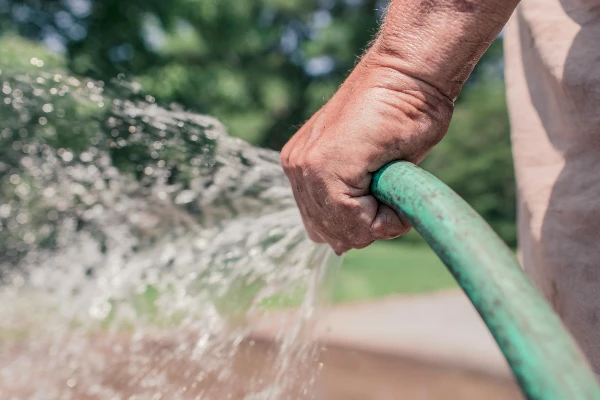
The soil around your foundation needs a balance of moisture. In Oklahoma, where clay soil is common, letting the ground get too dry can cause it to shrink and pull away from the foundation. On the other hand, overwatering can make the soil expand too much. To prevent this thermal expansion and contraction from causing uneven pressure on your foundation, you can use soaker hoses during dry spells to keep the moisture levels steady.
6. Waterproof the Foundation
Waterproofing your foundation is one of the best ways to protect it. You can do this by sealing cracks, installing sound draining systems, or applying waterproof coatings to basement walls. It’s an investment, but one that can save you thousands in future repairs.
7. Schedule Professional Inspections
Even if your property seems well-maintained, it’s smart to have your foundation inspected by foundation experts or structural engineers every few years. They’ll check everything from the cracks and gaps in your interior doors and window frames to other signs that could signal a compromised foundation.
At Powerlift Foundation, we specialize in helping business owners spot potential issues before they turn into costly problems with our commercial foundation repair services. If you’re concerned about issues like severe cracks, minor cracks, or settling, our crew can assess your foundation and recommend practical solutions to keep your
8. Plant Trees Wisely
Planting trees too close to your building can result in a number of possible foundation issues. Tree roots naturally look for moisture, and in doing so, they can disturb the soil and even find their way into small foundation cracks, making them worse.
To prevent this, keep large trees at least 15 feet away from the building. For shrubs and smaller plants, aim to keep them about two feet away and avoid overwatering the area.
9. Use Root Barriers for Existing Trees
If you already have mature trees on your property, using root barriers is a great solution.
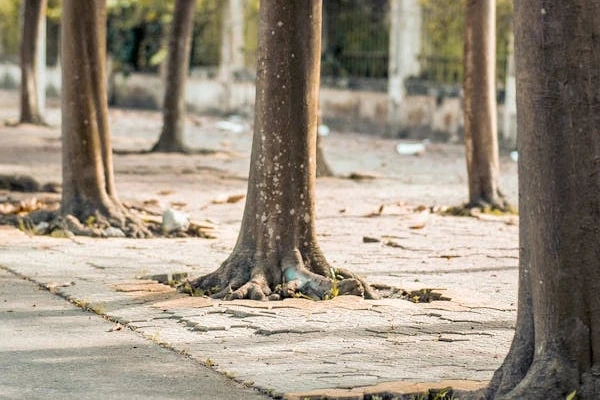
These are basically underground barriers that block roots from reaching your foundation, thus preventing them from applying unnecessary pressure and causing issues. These root barriers benefit both your building and your landscaping.
10. Look for Cracks in Walls and Floors
Large cracks are one of the most common signs of foundation problems, so it’s a good idea to check your building for them regularly. Look for cracks in the foundation walls, interior walls, exterior walls, and floor tiles.
Small cracks in the foundation that are vertical are quite common and generally harmless. On the other hand, if you find horizontal or diagonal cracks that are wider than a quarter of an inch, these are likely caused by uneven pressure from your foundation moving and shifting, or water-saturated soil. These severe cracks are definitely something you should inspect closer.
If you’re dealing with cracked walls in Ada, OK, or nearby areas, give Powerlift Foundation Repair a call as soon as possible!
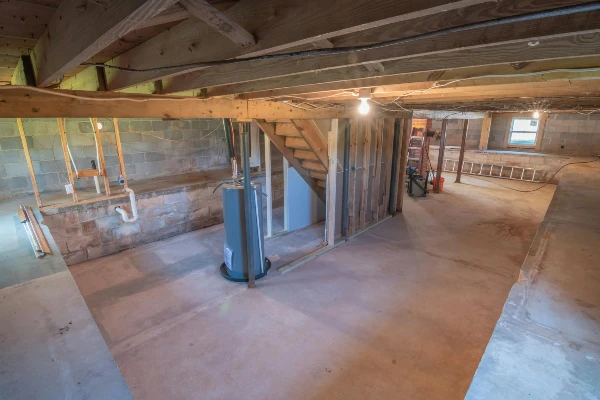
11. Keep Basements and Crawl Spaces Dry
Aside from affecting the air inside your building, humidity can also lead to foundation problems, especially if you have a basement or crawl space. Too much humidity can lead to mold and wood rot, which can compromise your building’s structural integrity.
High levels of humidity can be fixed by a good humidifier. If your crawl space is constantly damp, consider encapsulation, which seals the space off with a moisture barrier. This can protect your foundation from excess moisture in the long run.
12. Don’t Ignore Small Cracks
Small, minor cracks aren’t something to worry too much about, but that doesn’t mean you should simply ignore them. As soon as you notice a small or hairline crack, make sure to seal it up before it turns into a bigger problem.
Products like epoxy or polyurethane sealants work well for minor repairs. However, if the crack keeps growing despite sealing it, it’s time to call Powerlift Foundation Repair so we can figure out what’s causing it.
13. Make Sure the Ground Slopes Away From Your Building
Take a look at the ground around your building. You should properly grade the land so the soil slopes away from your property to direct water downhill. If you notice puddles appearing after rain, you probably need to regrade the area as improper grading can lead to structural issues. Ideally, the ground should drop 6 inches over the first 10 feet.
14. Consider a French Drain
For buildings in rainy regions like parts of Arkansas and Tennessee, a French drain can also help. This is especially helpful if your building is in a low-lying area or has consistent drainage issues. These underground systems collect and redirect water away from your foundation, keeping the soil stable and dry.

15. Consider a French Drain
For buildings in rainy regions like parts of Arkansas and Tennessee, a French drain can also help. This is especially helpful if your building is in a low-lying area or has consistent drainage issues. These underground systems collect and redirect water away from your foundation, keeping the soil stable and dry.
16. Watch Out for Freezing and Thawing
In colder months, freezing and thawing cycles can affect the health of your foundation. When water in the soil freezes, it expands and puts pressure on the foundation. Insulating the base of your building and keeping water away can help prevent this problem.
17. Distribute Heavy Equipment Evenly
Commercial buildings often have a lot of weight to support, from machinery and inventory to office equipment. If that weight isn’t distributed evenly, it can put extra pressure on one part of the foundation, which causes settling or cracking.

If you’re adding new equipment or increasing the load in your building, spread the weight as evenly as possible. For bigger changes, make sure you consult a structural engineer first to make sure your foundation can handle the extra stress.
18. Fix Plumbing Leaks Fast
Leaking pipes can cause the soil around your foundation to become waterlogged, which is bad news for stability. This is especially true in commercial buildings, where plumbing systems are often more complex than in residential houses.
A sudden increase in your water bills could mean you’ve got a hidden leak somewhere in the system. It’s also a good idea to periodically inspect irrigation systems, outdoor faucets, and indoor plumbing for any signs of leaks or damp areas.
19. Use Expansion Joints for Large Slabs
For buildings with large concrete floors, expansion joints are a must. These joints allow the concrete to expand and contract with temperature changes without cracking. If your floors don’t have them, consider adding them during your next maintenance cycle.
20. Get to Know the Soil of Your Building
Your building’s foundation relies on the ground it’s on, and different soils behave in different ways. Specifically, clay soil expands when it’s wet and contracts when it’s dry, which can cause your foundation to shift or crack. Sandy soil drains well but might not be stable enough to support a large structure without extra support. Then there’s loamy soil that’s stable and also drains well.
If you don’t know what kind of soil your building is on, now’s the time to find out. If you’re in a clay-heavy area, consider consulting professionals and having them evaluate your foundation. Discuss the best ways to prevent future structural issues.

21. Investigate Wet Spots
Wet spots on your floors and interior walls can also be another indication of foundation problems. They could mean water is seeping through your foundation. Find the source of the problem—whether it’s a plumbing leak, poor drainage, or basement cracks—and have it fixed before it gets worse.
22. Avoid Major Excavations Nearby
Planning a new parking lot? Installing a pool or underground utilities? Digging too close to your building can destabilize the soil and put your foundation at risk.
Before starting any major excavation work near your commercial building, don’t forget to consult with foundation specialists or structural engineers who understand how to manage its potential impact on your foundation. It’s better to be cautious than to deal with the fallout of unexpected settling later.
Remember: Preventing Foundation Problems Is Always Worth the Effort
Keeping your foundation in good shape isn’t nearly as inconvenient as it may sound at first, but it does require regular attention. Small steps like managing your water drainage system, keeping an eye out for warning signs and growing hairline cracks, and controlling the landscaping can preserve your building’s structural integrity and save you from expensive repairs—and in extreme cases, a complete foundation replacement.
Powerlift Foundation Repair: Your Commercial Foundation Experts
Dealing with foundation concerns? Or perhaps you just want to make sure your building’s on solid ground. Whatever it is, Powerlift Foundation Repair is here to help you protect your commercial building or home’s structural integrity.
Serving businesses across Oklahoma, North Carolina, Tennessee, Arkansas, and Arizona, we offer inspections and foundation repairs tailored to your needs.
Visit our website or give us a call today for a free quote!