

We’re here to answer the question many homeowners have: “Can landscaping and gutters affect my building’s foundation?” At Powerlift Foundation Repair, we’ve spent years helping property owners throughout our service locations in the United States tackle foundation problems, and some of the biggest culprits were none other than poor landscaping or clogged gutters.
So, let’s talk about how these things affect your foundation and what you can do to fix or prevent issues before they even appear.
How Landscaping Can Affect Your Foundation
Your landscaping directly affects how water moves and how the soil behaves around your foundation.
Unfortunately, many landscaping decisions (even ones that look amazing and seem harmless at first) can unintentionally compromise your home’s foundation.
1. Land Grading
Grading refers to the slope of your yard. Ideally, your yard should slope away from your building so water flows away from where your foundation sits. But if the ground slopes toward your building, it creates what we call a negative grading. This means water collects near your foundation instead of draining away. The longer the water sits there, the more likely it is to weaken the soil, cause soil erosion, or seep into your foundation walls. These instances can lead to crawl space or basement flooding, and other issues that could require costly foundation repairs.
The Solution
Regrading your yard is your first step.
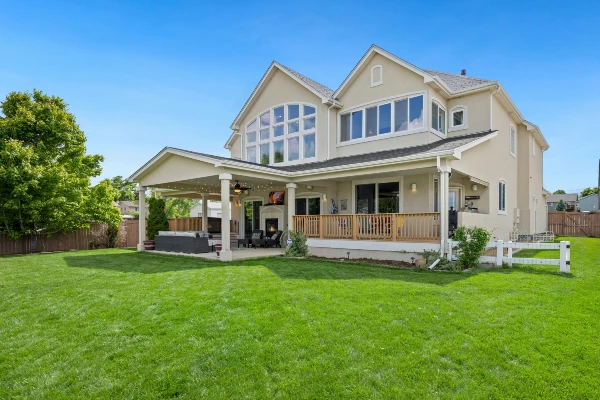
You want the land to gently slope downward, moving water away from your house. A general rule of thumb is to have at least a 6-inch drop in elevation over the first 10 feet from your building. However, if the grading is bad enough that you find pooling water near your foundation every time it rains, you might need a professional to fix it.
Another great option is to add grass or low-maintenance ground cover to stabilize the soil and help slow down erosion. Creating a natural barrier helps water drain where you want it to go, which is away from your foundation.
Trees and Shrubs
Trees and shrubs planted too close to your building can soak up the moisture from the soil around your foundation. As the soil dries out and shrinks, it creates gaps or voids, and that’s when your foundation can settle unevenly.
Worse, tree roots can sometimes grow into your foundation, causing cracks or pushing it out of alignment. This is especially common in areas with clay soil like Oklahoma and North Carolina.
The Solution
First, plant trees far enough from your building.

It’s best to keep them at least as far from the foundation as the tree’s expected height when it matures. For example, a tree that will grow 30 feet tall should be planted at least 30 feet away.
However, if you already have existing trees or shrubs planted too close to your house, you can install root barriers. These are placed underground to redirect roots away from your foundation. If the situation is severe, removing the tree might be your only option—but don’t do it without consulting a professional first. Sudden root removal can cause the soil to shift, which can make foundation problems even worse.
Overwatering
Too much water saturates the soil, especially in locations with a lot of clay. When clay soil absorbs water, it expands and puts extra pressure on your foundation. Then, during dry periods, the soil shrinks back, leaving gaps and causing your foundation to shift.
The Solution
Set up a smart irrigation system or use sprinklers that let you control how much water your lawn and plants are getting. Watering in the early morning gives the soil time to absorb the moisture before the heat of the day evaporates it.
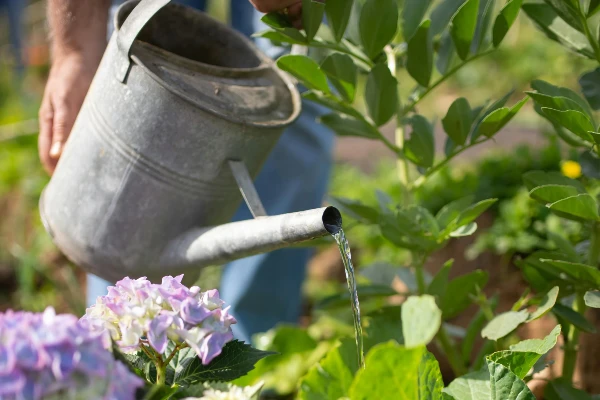
Keep an eye on the soil around your foundation—if it’s constantly muddy or there’s water pooling, you’re probably overwatering. In this case, cut back on watering and focus on deep, less frequent water sessions for healthier soil and plants.
Mulch and Hardscaping
Mulch and hardscaping (like pavers or rocks) are great for landscaping, but they can cause foundation problems if they’re not used correctly. Mulch, for example, can hold moisture against your foundation if it’s piled up too high or placed too close to the walls. Hardscaping materials, on the other hand, can cause water to pool or flow toward the building if they’re not installed correctly with proper drainage in mind.
The Solution
Keep mulch at least 6 inches away from the foundation to prevent moisture from building up. For hardscaping, make sure it’s designed with a slight slope that directs water away from your building.
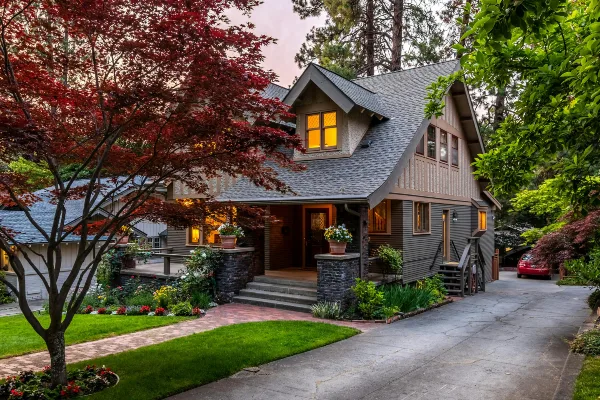
If you’re noticing puddles near your hardscaping features, it might be time to rework their layout or add proper drainage systems.
How Gutters Affect Your Foundation
Gutters can affect more than just your roof; they can also compromise the health of your home’s foundation, especially if you have a faulty gutter system. To prevent foundation and structural damage, here are some issues caused by gutters and their respective solutions.
Clogged Gutters
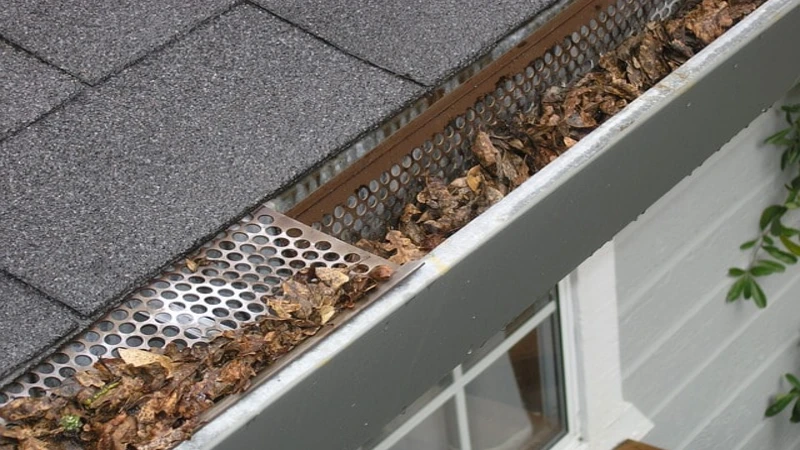
When gutters are clogged with leaves, dirt, and other debris, they can’t do their job of directing water away from your house. Instead, blocked gutters cause excess water to spill over the edges and land directly near your foundation. Over time, this causes soil erosion, increases hydrostatic pressure, and even leads to a wet basement (which can lead to mold and mildew growth), or in worst cases, a flooded basement or crawl space.
The Solution
Your gutters protect your home from water, moisture, and foundation damage, so it’s important to prevent gutter clogs.
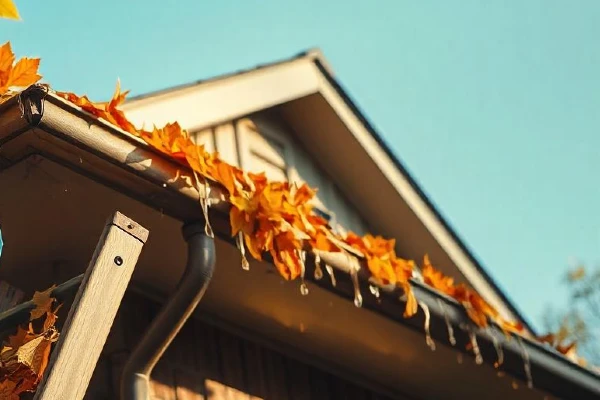
You can do this by performing regular gutter maintenance, which includes gutter cleaning at least twice a year—once in the spring and again in the fall. If your property has a lot of trees, you might need to clean them more often. On top of having your gutters regularly cleaned, installing gutter guards can also help keep debris out and reduce the amount of maintenance you need to do.
Short Downspouts
Ideally, water runoff from your roof should reach all the way to the ground, and short downspouts are those that end too close to your building. This is an issue because it can lead to splashes and send water directly to your exterior walls. Not only does this compromise your home’s appearance as it can leave marks and cause peeling paint, but it can also lead to foundation problems due to water damage.
The Solution
Extend your downspouts so they discharge water at least 5-10 feet away from your building.

You can use flexible extensions, splash blocks, or even underground drainage pipes to move water further from your foundation.
Leaking Gutters
Old or poorly maintained gutters can develop leaks over time, allowing water to drip directly onto the soil near your foundation. This might seem like a small issue, but it adds up, especially during heavy rain seasons.
The Solution
Inspect and clean gutters regularly. Check for cracks, rust, or loose sections. If you spot any damage, repair or replace the affected sections as soon as possible.
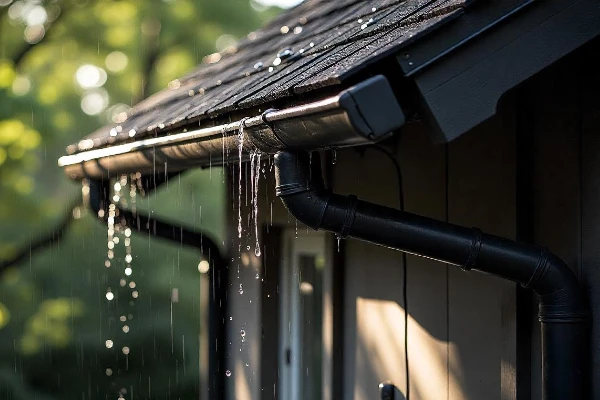
Proper maintenance goes a long way in preventing leaks from turning into bigger foundation issues.
Other Ways to Protect Your Foundation
Aside from fixing your landscaping, there are a few additional steps you can take to protect your foundation:
- Install a french drain. This is an underground drainage system that helps redirect water away from your foundation, especially in areas with poor grading and/or heavy rainfall.
- Seal foundation cracks as soon as possible. Even small cracks in concrete slabs or foundation walls can let water seep in, so sealing them with epoxy or polyurethane is a smart move.
- Add a sump pump to your basement or crawl space if it’s prone to flooding. This can remove excess water before it causes damage.
Powerlift Foundation Repair
If you suspect you have a damaged foundation, don’t wait. The sooner you address the problem, the easier and less expensive it will be to fix. At Powerlift Foundation Repair, we offer services like foundation lifting, inspections, and preventative solutions for properties across Oklahoma, Arkansas, North Carolina, Tennessee, and Arizona.
Contact us today to schedule an inspection or to learn more about our services.