

At Powerlift Foundation Repair, we’ve had many clients ask us, “Is it necessary to waterproof my building’s foundation?” As experts in foundation repair, our unanimous answer is: yes! Many foundation issues begin because of moisture or water damage, so the best and most proactive way to prevent those problems is to make sure water never makes it into your foundation walls in the first place.
Here, we’ll discuss the process of exterior and interior foundation waterproofing, how it differs from damp proofing, the risks of having non-waterproof foundation walls, the best methods for various foundation types, and a quick breakdown of waterproofing practices you can do by yourself and those you need professionals for.
Exterior Foundation Waterproofing

Exterior waterproofing systems focus on sealing the outside wall of the foundation with a waterproofing membrane (liquid membrane or sheet membrane) and making sure there’s a proper drainage system around the home. The goal is to redirect water away before it even has a chance to seep in through the foundation walls.
The process starts with excavation. For full waterproofing, the soil around the foundation is dug out all the way down to the flooring. Clean the surface with a pressure washer so the waterproofing material sticks better. It’s also important to repair any damage to the walls, which could mean reapplying mortar, patching gaps or holes, and so on. Note that concrete releases water vapor as it cures, so make sure it’s fully dry before moving on to the next step.
Once the exterior walls are fully prepped, a thick waterproofing membrane (usually made of rubberized asphalt) is applied to the outside of the foundation walls. This forms a barrier that protects the wall from wet soil and moisture. Other waterproof material options include sheet membranes (more robust) and drainage mats like dimpled boards (allow air to flow between the wall and soil and let the water reach the drain system). When applying the membrane, remember to extend waterproofing at least 12-14 inches onto nearby or intersecting walls even if these walls don’t require waterproofing. This is a way of making sure that water and moisture can’t sneak in through the other walls.
Afterward, a French drain or drain tile system—which is a system of perforated pipes wrapped in gravel—is placed at the base of the foundation to catch and redirect water away from your building.
The soil is then replaced using coarse, well-draining material instead of compacted clay which traps moisture. Finally, make sure the ground slopes away from the house so that rainwater is naturally pulled away instead of accumulating around the foundation.

Interior Waterproofing
Interior waterproofing doesn’t prevent water from reaching your concrete walls, but it manages the water that does get in.
It’s a good backup plan for homes that already have exterior waterproofing in place. It’s also a must-have for basements or crawl spaces, especially if your region sees a lot of rain throughout the year.
The interior walls should be prepped first. Any cracks in the basement walls or floors should be sealed with epoxy or polyurethane injection to prevent leaks. The next step is to install a sump pump, which collects and pumps out any water that makes its way into the basement. This prevents flooded or wet basements. If leaks are persistent, an interior French drain system can be installed along the basement perimeter to collect and redirect water before it pools.
Applying waterproof paints and sealants can help block minor moisture, but they aren’t a permanent fix if the foundation isn’t properly waterproofed on the outside.
Damp Proofing vs. Waterproofing
Damp proofing is a basic moisture control method that keeps moisture from the soil around your home from slowly seeping into your foundation. It’s often done using a simple tar-based coating applied to foundation walls.
Good for: Homes in dry climates that don’t experience much rain.
Not effective for: Preventing serious water intrusion, heavy rain, or hydrostatic pressure.
Meanwhile, waterproofing actively blocks water from reaching your foundation. It includes drainage systems, waterproof membranes, sump pumps, and sealants.
Good for: Houses in rainy climates, flood-prone areas, or homes with basements.
What Happens When You Don’t Waterproof Foundation Walls?
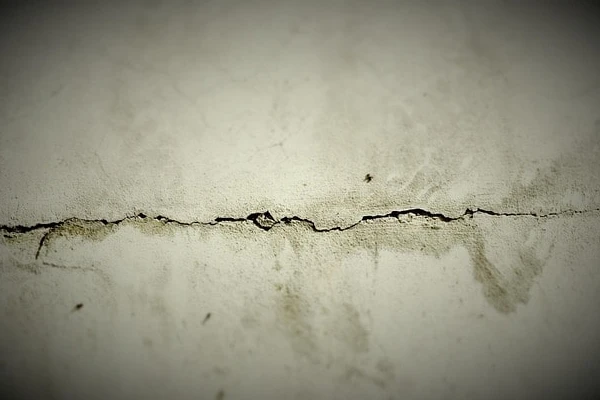
- Cracks and weak spots: Water erodes concrete, which can lead to small cracks that grow larger if they aren’t sealed.
- Soil shifting: Expansive clay soils, like those found in Oklahoma, swell when wet and shrink when dry. This causes foundation movement.
- Mold and mildew growth: Moisture buildup creates musty odors, mold growth, and poor air quality.
- Bowing walls and structural damage: Water pressure can push against foundation walls, causing them to bow, crack, bend, or even collapse.
How to Waterproof Different Types of Foundations
1. Basement Foundations
Basement foundations need both exterior and interior waterproofing since they sit below ground level, making them particularly vulnerable to leaks. If you have basement windows, it’s also best to install window wells. These wells must be properly connected to your foundation wall and its waterproofing material.
Best methods:
- Exterior waterproof membrane
- French drains
- Sump pump installation
- Proper grading and drainage

2. Poured Concrete Foundations
Concrete may be strong, but it’s still porous. This means water can still seep in without proper waterproofing.
Best methods:
- Exterior waterproof coatings
- Crack sealing
- Proper grading and drainage
3. Crawl Space Foundations
Similar to basements, crawl spaces are prone to moisture buildup, which can lead to mold and wood rot.
Best methods:
- Exterior waterproof membrane
- Crawl space encapsulation
- Dehumidifiers
- Drainage systems

4. Insulated Concrete Form (ICF) Foundations
ICF foundations are energy-efficient, but their foam layers can trap moisture if not waterproofed properly.
Best methods:
- Peel-and-stick waterproof membranes
- Drainage boards
- Well-draining backfill
5. Pier and Beam Foundations
Since these homes sit above ground, they don’t experience direct water exposure like basements do. However, crawl space moisture is still an issue to keep an eye out for.
Best methods:
- Vapor barriers
- Proper ventilation
- Proper drainage system
DIY vs. Professional Foundation Waterproofing

| DIY Waterproofing | Requires Professional Waterproofing |
|---|---|
|
|
Powerlift Foundation Repair: We Can Fix Any Foundation Problem
Waterproofing is one of the most effective ways to prevent foundation issues. But if you’re already dealing with a foundation problem, it’s best to get those concerns sorted out first before reinforcing your waterproofing system.
With decades of experience in the structural repair industry, you can trust our reliable team at Powerlift Foundation Repair to restore your foundation to its best shape. We provide foundation repair services to Oklahoma, Arkansas, North Carolina, Tennessee, and Arizona.
For more information, visit our website or contact us toll-free!