

Cracks in a commercial building’s foundation are more than just an eyesore—they can be a sign of serious structural problems. If left unaddressed, foundation cracks can lead to costly repairs and even compromise the building’s stability. Understanding what causes foundation cracks can help property owners take the right steps to address foundation issues before they worsen. At Powerlift, we specialize in providing expert foundation repair solutions that restore structural integrity to commercial properties. Let’s break down the most common causes of cracks in commercial building foundations and what can be done about them.

What Are Foundation Cracks
Foundation cracks are a common issue in many buildings, and understanding their causes and types is essential for identifying and addressing potential problems. Foundation cracks can be caused by various factors, including soil movement, poor construction practices, and the quality of building materials used.
There are several types of foundation cracks, each with unique characteristics. Horizontal cracks often indicate significant pressure from the soil beneath or poor construction practices. Hairline cracks, while usually less severe, can still signal underlying issues such as shrinkage cracks in concrete slabs. Vertical cracks are typically caused by the natural settling of the foundation but can also result from soil movement or poor construction. Recognizing these different types of cracks can help property owners take the necessary steps to maintain the structural integrity of their buildings.
Common Causes of Foundation Cracks
1. Soil Movement and Erosion
One of the primary causes of cracks in commercial building foundations is soil movement.

The soil beneath a building constantly shifts due to changes in moisture levels, natural settling, and soil erosion. Expansive soil, in particular, can expand when wet and shrink when dry, causing stress on foundation walls and leading to cracks. If soil pressure becomes too great, foundation movement can occur, resulting in larger cracks that require immediate attention.
2. Poor Construction Practices
Not all foundations are built the same. Poor construction practices, including the use of low-quality building materials and inadequate structural support, can lead to a foundation crack. Issues such as missing expansion joints, improper concrete curing processes, and weak concrete structures can contribute to structural cracks over time. Properly accounted construction methods and high-quality materials are essential in preventing cracks and ensuring the long-term stability of commercial structures.
3. Hydrostatic Pressure and Moisture Changes
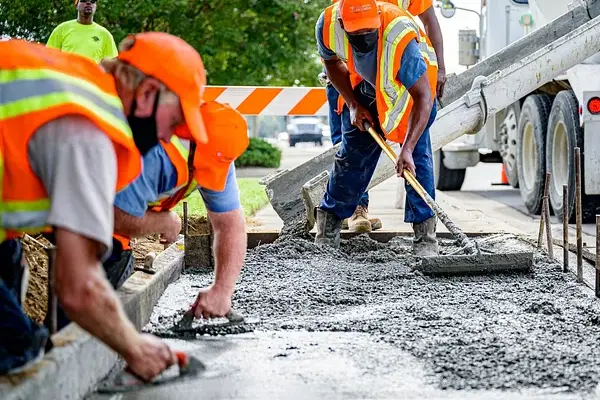
When water accumulates around a foundation due to poor drainage or plumbing leaks, it creates hydrostatic pressure against the foundation wall. This pressure can lead to foundation cracks, including horizontal cracks and stair-step cracks. Moisture movement in the soil beneath the foundation can also cause foundation settling, increasing the likelihood of structural damage.
4. Extreme Temperature Changes
Temperature changes affect all building materials, including concrete. As concrete cures, it undergoes expansion and contraction. Extreme temperature fluctuations can cause concrete slabs to shrink and expand repeatedly, leading to shrinkage cracks and non-structural cracks. While minor cracks may seem harmless, repeated stress from temperature changes can cause further movement and more significant foundation problems.
5. Foundation Settling and Load-Bearing Capacity
All foundations settle over time, but excessive or uneven settling can lead to a foundation crack. If the load-bearing capacity of the soil beneath the foundation is insufficient, it can cause uneven pressure distribution and result in diagonal cracks or vertical cracks. Block foundations and concrete piers must be properly supported to handle the weight of commercial buildings.
6. Soil Pressure and Lateral Forces
Soil pressure and lateral forces exert strain on the foundation wall, leading to structural integrity issues. Expansive soil and poor maintenance can contribute to the pressure, leading to larger cracks in concrete structures. To prevent cracks from forming, additional support may be required, such as helical piles, drilled piers, or void fill solutions.
Signs of Foundation Problems
Identifying signs of foundation problems early is crucial in preventing further damage and costly repairs. Some common indicators of foundation issues include cracks in walls and ceilings, which can range from minor hairline cracks to more significant structural cracks. Doors and windows that become difficult to open or close may also signal foundation movement or settling.
Uneven or sagging floors are another red flag, often pointing to issues with the foundation walls or slabs. Additionally, water damage or leaks, musty odors, and visible cracks in the foundation walls can all be indicative of underlying foundation problems. If you notice any of these signs, it is essential to seek professional attention to assess and address the issue promptly.

Identifying Structural Cracks
Structural cracks are a serious concern and can compromise the structural integrity of a building. Identifying these cracks requires a thorough inspection of the foundation walls, slabs, and other structural elements. Common signs of structural cracks include horizontal cracks, which often result from soil pressure or poor construction practices, and stair-step cracks, typically found in brick or block foundations.
Diagonal cracks can indicate uneven settling or soil movement beneath the foundation. These types of cracks are more severe than hairline cracks and require immediate attention. A structural engineer can assess the extent of the damage and recommend the most appropriate repair options to ensure the building’s structural integrity. By addressing structural cracks early, property owners can prevent further deterioration and maintain the safety and stability of their commercial buildings.
The Role of Commercial Foundation Repair Services
When foundation issues arise, professional help is crucial. Commercial foundation repair services, like those offered by Powerlift, provide specialized repair methods tailored to the needs of commercial buildings.
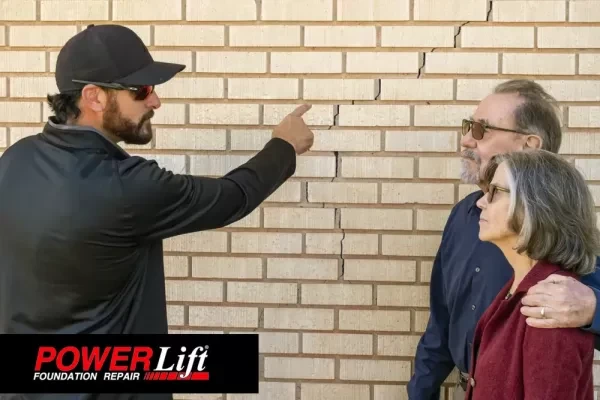
Whether it’s epoxy injection for minor cracks or steel piers for major foundation movement, these services can address potential foundation problems and prevent further damage.
Preventing and Repairing Foundation Cracks
Preventive Measures
- Regular inspections: Identifying common signs of a foundation crack early can prevent costly repairs.
- Proper drainage: Keeping water away from the foundation reduces the risk of hydrostatic pressure and soil erosion.
- High-quality materials: Using durable building materials during construction helps prevent cracks from forming.
- Professional structural engineer assessments: Seeking expert advice can help property owners address issues before they become serious problems.
Repair Methods
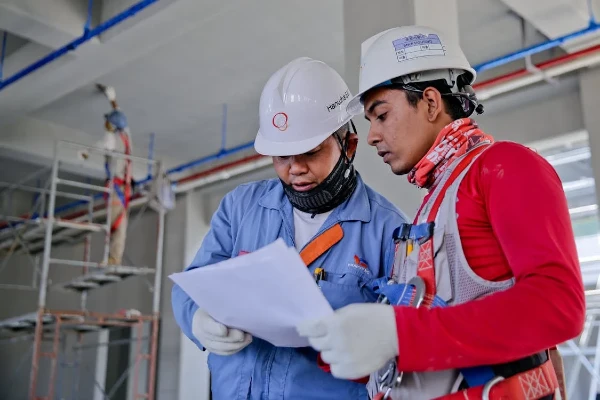
- Epoxy injection: Used for minor cracks to restore the concrete’s strength.
- Additional support: Helical piers, steel piers, and drilled piers provide extra stability to prevent further movement.
- Soil stabilization: Solutions such as void fill and proper soil compaction help maintain load-bearing capacity.
Securing Your Building’s Future with Powerlift
Cracks in commercial building foundations can result from soil movement, poor construction, moisture changes, temperature fluctuations, and foundation settling. Understanding these causes and taking proactive measures can prevent further damage and costly repairs. If you’re experiencing foundation cracks, Powerlift provides expert foundation repair solutions designed to restore stability to commercial properties. Contact Powerlift today for a FREE quote and professional assessment of your foundation repair needs.
