

Your foundation is the backbone of your home, but what happens when local building codes change? If you’re wondering, “Can I retrofit my existing foundation for new building codes?” the answer is yes—but it depends on a few key factors. At Powerlift, we’ve helped homeowners and commercial property owners strengthen their existing foundations to meet updated regulations. Whether your structure needs seismic retrofit improvements, underpinning, or simple foundation repairs, we’ve got the expertise to build a stable foundation and get it done right.
Why Retrofit an Existing Foundation?
Building codes evolve over time to address new safety standards, natural disasters, and soil conditions, making it essential to build foundations that meet these updated requirements.
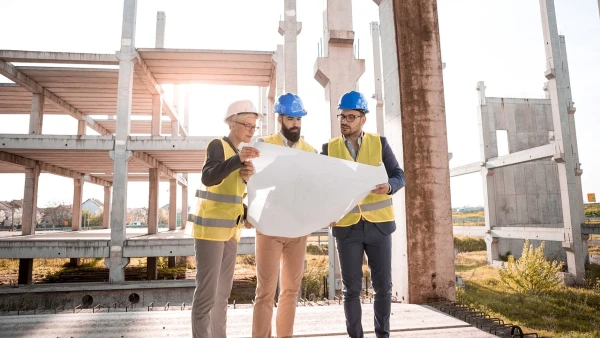
If you have an old house, its existing foundation may not meet current local building codes. This is especially important if your structure is sitting in an area prone to earthquakes, soil movement, or high water tables.
Retrofitting means upgrading your foundation without tearing it out entirely. This process strengthens your existing footings and foundation walls to improve the structural integrity of your home. It’s a practical solution for homeowners who want to avoid the cost and disruption of installing a new foundation.
Understanding Local Building Codes
Before starting a construction project, check local building codes to understand the specific requirements for your area. Your local building department will have guidelines on soil tests, structural reinforcements, and necessary permits.
If you’re unsure about compliance, consulting an engineer can help you navigate local code regulations and plan the right retrofitting strategy.
Assessing the Current Condition of Your Old House
Before diving into retrofitting, it’s crucial to assess the current condition of your old house.

This step involves a thorough evaluation of the existing foundation, identifying any potential weaknesses or damage, and understanding the foundation’s age and history. This comprehensive assessment will help you determine the best retrofitting approach to ensure the structural integrity of your home.
Evaluating the existing foundation’s material (e.g., concrete block)
When evaluating your foundation, start by identifying the type of material used. For instance, if your foundation is made of concrete block, inspect it closely for any signs of cracking, crumbling, or water damage. Concrete blocks are durable, but they can deteriorate over time, especially if exposed to moisture or shifting soil. Understanding the material’s condition will help you decide whether it needs reinforcement or replacement. Additionally, consider the foundation’s age and whether it was originally built to withstand natural disasters like earthquakes or floods, which can significantly impact its durability.
Identifying potential weaknesses or damage
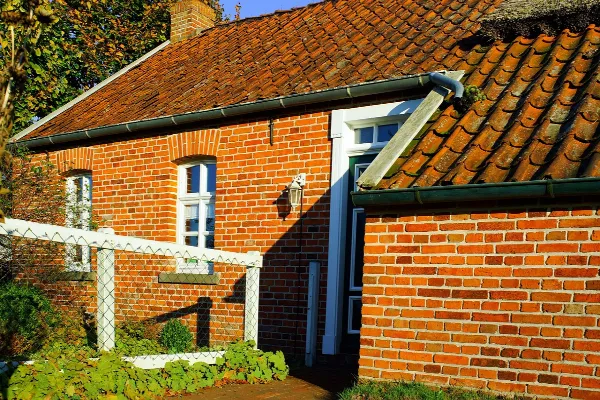
Identifying potential weaknesses or damage is a critical part of the assessment. Look for visible signs of settling, cracking, or deterioration both inside and outside your home. Pay special attention to any water damage, erosion, or soil instability around the foundation, as these issues can compromise its stability.
It’s often beneficial to hire a professional foundation inspector who can conduct a thorough evaluation and provide expert recommendations for retrofitting solutions. Their expertise can help you identify problems that might not be immediately apparent and suggest the most effective methods to address them.
Determining the foundation’s age and history
Understanding the age and history of your foundation can provide valuable insights into its current condition. Research the history of your home, including any past renovations or repairs, to get a complete picture of the foundation’s integrity. Older foundations may not have been built to current standards, making them more susceptible to issues. Knowing the foundation’s history can help you identify potential areas of concern and plan the most appropriate retrofitting strategy to ensure your home meets current local building codes.
Signs Your Existing Foundation Needs Retrofitting
Not every home requires a retrofit, but some signs indicate it might be time for an upgrade:
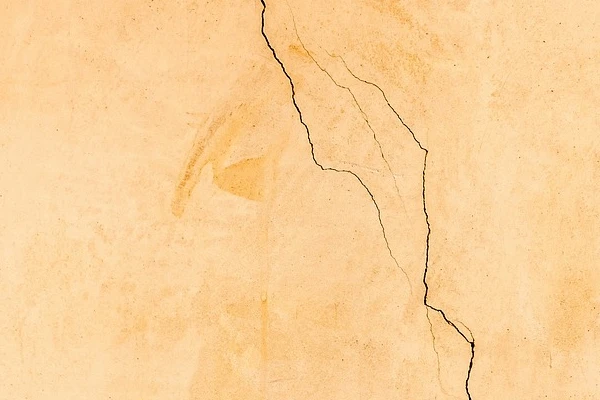
- Cracks in Concrete Walls or Foundation Walls – These can signal foundation settling or shifting soil.
- Uneven Floors – If one side of your house feels lower than the rest, your foundation may be moving.
- Doors and Windows Sticking – Shifting foundations often cause misaligned frames.
- Water Damage in the Basement – Poor drainage or foundation cracks can allow moisture to seep in.
- Visible Deterioration of Concrete Blocks or Piers – Aging materials weaken over time, impacting structural stability.
For more information on signs your foundation needs repair, click here.
Methods to Retrofit Your Foundation
If your home was built years ago, retrofitting your foundation could involve different techniques depending on its current condition and local code requirements, ensuring you build a more stable and compliant structure.
1. Seismic Retrofit for Earthquake-Prone Areas
If your home is located in an earthquake-prone area, adding steel brackets, bolts, and solid blocking to your existing foundation can help stabilize your structure. These reinforcements secure your home to the foundation and prevent excessive movement during seismic activity.
2. Underpinning for Strengthening an Existing Foundation
Underpinning involves adding additional support beneath your current foundation. This is done by installing piers or piles to transfer the building’s weight to more stable ground. If soil tests reveal poor ground conditions, underpinning can be a crucial step in preventing further settling and structural damage.
3. Reinforcing Foundation Walls with Concrete or Steel
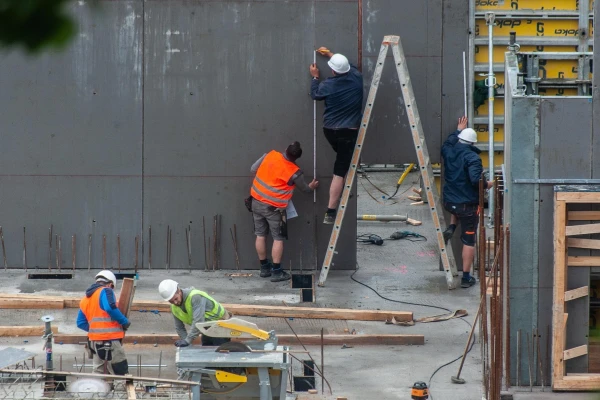
If your basement walls are bowing or cracking, reinforcing them with additional concrete or steel supports can increase stability. Powerlift specializes in installing wall anchors, carbon fiber strips, and steel I-beams to stabilize concrete walls and prevent further movement.
4. Fixing Foundation Footings with Additional Support
If your existing footings are inadequate, new concrete footings can be installed to support the structure. This process may require excavation and backfill to create a solid base.
5. Improving Drainage to Prevent Foundation Damage
Water pooling around your foundation can lead to serious issues over time. Prevent foundation erosion by installing drainage solutions (French drains, sump pumps) to keep water away from your structure.
Preparing for Retrofitting Work
Once you’ve assessed the condition of your foundation, the next step is to prepare for the retrofitting work. Proper preparation is essential to ensure a safe and efficient process, minimizing disruptions and potential damage to your property.
Clearing the site and removing any obstacles
Clearing the site and removing any obstacles is a crucial part of the preparation. Start by removing any debris, vegetation, or other obstructions that could interfere with the retrofitting process. This not only makes the work easier but also helps prevent accidents. Protect nearby landscaping, utilities, and structures to avoid any unintended damage during the retrofitting work. Additionally, ensure that the work area is well-ventilated and well-lit to create a safe environment for the workers. Proper site preparation can significantly impact the success of the retrofitting project, helping to maintain the structural integrity of your old house and prevent costly repairs in the future.
By following these steps, you can ensure that your old house is properly assessed and prepared for retrofitting work, which will help to ensure the structural integrity of your home and prevent costly repairs down the line.
Costs and Permits for Retrofitting
Retrofitting costs depend on the scope of work, the condition of your existing foundation, and the local building department’s requirements. Here are some factors that affect pricing:
- Size of Your Home – A larger structure requires more materials and labor.
- Soil Conditions – Poor soil may require additional reinforcements.
- Extent of Repairs Needed – Simple fixes cost less than full-scale underpinning.
- Permits and Inspections – Your local building codes may require inspections before and after retrofitting, adding to the overall cost.
If you’re concerned about cost, the best approach is to consult a foundation expert who can assess your home and provide an estimate tailored to your needs.
When to Replace Instead of Retrofit
Sometimes, retrofitting isn’t enough, and a new foundation may be the best option. If your concrete foundation is severely damaged, replacing it might be necessary. Signs that replacement is the better option include:
- Extreme foundation settling that cannot be corrected with underpinning
- Widespread deterioration of concrete blocks or footings
- Severe cracks that indicate structural failure
Call Powerlift for Expert Foundation Solutions
If you’re wondering whether to retrofit or replace your foundation, Powerlift is here to help. Our team specializes in foundation repair, seismic retrofits, and underpinning solutions tailored to your building’s needs. We’ll assess your structure, check local building codes, and recommend the best approach for maintaining its stability.
Don’t wait until structural issues become costly. Contact Powerlift today for expert advice and a free inspection to keep your home safe and up to code!