

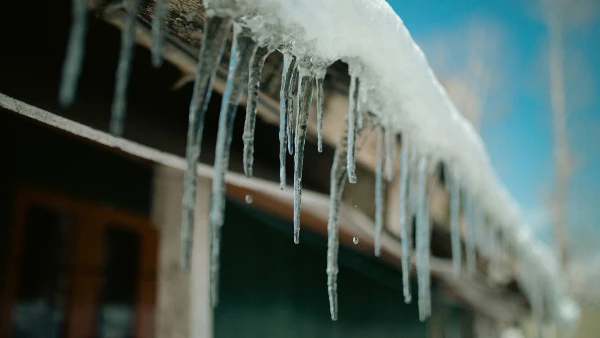
When snow and ice begin to melt, it may seem like winter’s biggest headaches are finally behind you. But for many homeowners, this seasonal thaw can trigger a hidden threat beneath the surface. At PowerLift Foundation Repair, we understand how snowmelt and foundation shifts are closely connected. As excess water soaks into the ground, it can lead to soil saturation, which affects the stable base your home relies on.
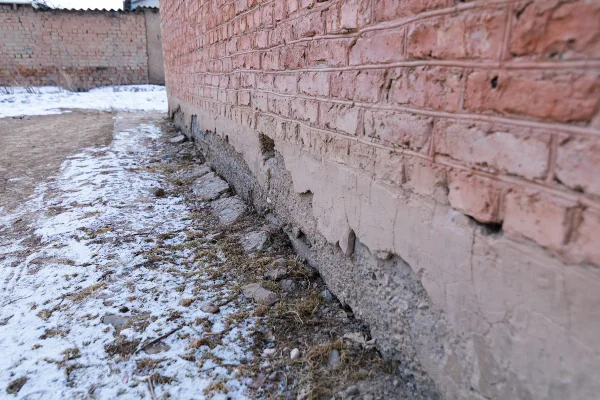
The problem often begins with oversaturated soil surrounding the home. As moisture levels increase, soil expands and puts pressure on foundation walls. Then, as the ground dries and contracts, it creates movement that causes the foundation to shift. Over time, this cycle of expansion and soil shrinkage can result in cracks, uneven flooring, and structural damage.
Recognizing Foundation Issues Early
Not all warning signs are dramatic. In many cases, foundation issues start small but escalate quickly. Keep an eye out for:
- Wall cracks near windows, doors, or in drywall
- Doors and windows that suddenly start sticking
- Sloped or uneven flooring
- Gaps between walls and ceilings
These subtle changes often signal foundation movement that requires immediate attention.
Why Foundation Repair May Be Necessary
A shifting foundation doesn’t just affect the ground below your home; it impacts your entire home from the basement to the roofline. Foundation repair helps stabilize the structure and prevents further damage. Whether you’re dealing with minor movement or more serious signs of foundation problems, acting early can reduce long-term costs.
At PowerLift, we use repair systems like helical piers and steel piers to restore stability. These supports are driven deep into the ground to reach stronger soil layers, creating a durable anchor that helps support the home’s structure.
Understanding Foundation Settlement
Foundation settlement occurs when the soil beneath your home can’t support the weight of the structure. During snowmelt season, excess moisture softens the soil, allowing it to shift or sink under pressure.
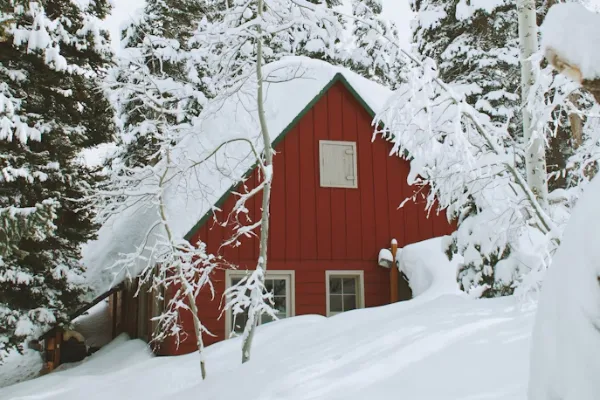
This can lead to foundation damage like cracking and sloping.
There are two types of settlement:
- Uniform settlement: When the foundation lowers evenly, causing minimal structural harm.
- Differential settlement: When one part of the foundation sinks faster than another, leading to uneven stress and more severe structural damage.
Differential settlement often results in visible cracks, uneven floors, and misaligned doors and windows.
The Impact of Earth Shifts and Soil Types
Different soil types react differently to moisture. Expansive clay soil, for example, absorbs large amounts of water, swells, and then contracts as it dries. This expansion and contraction contributes to foundation shifting and long-term damage. Earth shifts caused by melting snow add another layer of stress, especially if your property has poor drainage.
Areas with expansive soil or frequent freeze-thaw cycles are especially vulnerable to foundation movement and related problems. A soil analysis can help determine if your property is at higher risk.
How Doors and Windows Reveal Structural Problems
When a foundation moves, it doesn’t always start with large cracks. Often, the first signs appear in everyday elements like doors and windows. If they suddenly become difficult to open or close, that could indicate structural shifts caused by soil movement below the surface.
Look for these signs:
- Gaps around window or door frames
- Cracks extending from corners
- Sticky or misaligned hardware
These symptoms may seem minor but often point to deeper foundation issues.
Addressing Common Foundation Problems
Some foundation problems are easy to spot, like bowed walls in a basement or crawlspace. Others, such as leaky plumbing or subtle shifts, are less obvious. Regardless of how they appear, these issues all put your home’s structural integrity at risk if left unaddressed.
Solutions depend on the cause and severity. In addition to push piers or helical piers, your repair plan might include wall reinforcements, sump pump installation, or changes in landscaping to direct water away from the foundation.
Managing Water Flow Away From the Foundation
Directing water away from the foundation is one of the most important preventive measures you can take. Poor drainage during snowmelt season often leads to soil erosion, pressure buildup, and eventual damage.
Tips to improve drainage:
- Clean gutters regularly and use downspout extensions
- Grade your yard so water flows away from your home
- Keep large plants and trees at a safe distance from the foundation
- Install French drains or a sump pump where necessary
These strategies help reduce moisture levels around your home and protect against foundation shifting.
The Risk of Bowed Walls During Snowmelt
As snow melts and water saturates the soil, pressure against your foundation walls increases. Over time, this can cause the walls to bow or curve inward. Bowed walls are not just cosmetic issues; they’re a sign of ongoing structural stress that could eventually compromise your home’s foundation.
Professional intervention can help stabilize bowed walls using methods like wall anchors or carbon fiber reinforcement. The sooner you address the issue, the easier it is to avoid costly repairs.
Protecting Your Home with the Right Solutions
Every house is built on soil, but not every foundation responds the same way to excess moisture. When snowmelt causes shifting, settlement, or cracking, it’s critical to work with a trusted team who understands how to stabilize and protect your home.
At PowerLift Foundation Repair, we are a leading manufacturer and installer of industry-trusted foundation repair systems. Our solutions are engineered to last, whether your home is facing minor movement or signs of more serious structural damage. We’re here to protect your home’s curb appeal, structural integrity, and long-term value.
If you’re starting to notice signs of foundation stress, contact us today. Let’s take a closer look at your foundation and help you find the right solution before the next seasonal shift begins.