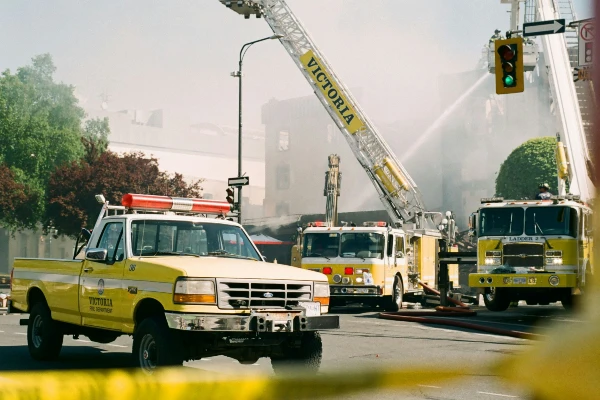
Wildfires don’t just scorch trees—they can silently threaten the structural integrity of your home’s foundation long after the flames are out. At Powerlift Foundation Repair, we’re closely tied to the land and know that wildfires and foundation stability share a deep, often unseen connection.
Gathering essential information about soil and site conditions is crucial for assessing foundation stability after wildfires. Accurate soil testing and site assessment help ensure effective recovery and prevent future erosion or slope failures.
Here’s how fire impacts your foundation, what to look for during recovery efforts, and how Powerlift can help your home stand strong again.

How Wildfires Affect Foundation Stability
1. Soil Erosion & Vegetation Loss
Once plants, trees, and organic material are burned away, the soil is exposed to rain and wind. Wildfires often destroy the litter layer and roots, both of which are essential for protecting soil from erosion.
The destruction of litter and roots increases the risk of soil instability and erosion after a wildfire. Without vegetation, especially on slopes, soil erosion becomes a pressing risk. During storms, dangerous debris flows can shift the soil type, leading to undercutting around your foundation.
2. Heat and Hydrophobic Soil
After a wildfire, the intense heat can “cook” soil, transforming it into a water repellent state. Also known as ‘hydrophobic soil conditions,’ this change means water stops soaking in and instead rushes across the surface. Groundwater penetrates less, while runoff and erosion ramp up—real problems for foundation stability. High temperatures during wildfires can also kill beneficial soil microorganisms, which play a crucial role in maintaining soil stability and aiding recovery after fire events.

Core Testing and Soil Stabilization
If your home sits in a severely burned area, don’t just guess about soil safety—core testing is essential. Wildfires can impact tens of thousands of acres, so understanding the scale of recovery needed is crucial. Taking core samples shows whether your ground has lost nutrients, if it’s prone to flowing erosion, or if the soil still supports structures safely.
Powerlift works alongside structural engineers to analyze those samples. If soil hazards are found, we recommend soil stabilization. Selecting the right plant species for re-vegetation is vital to stabilize soil and promote recovery in burned areas. That might involve adding specific soil amendments, installing root zones, or terracing slopes—steps to restore soil type and boost moisture infiltration.
Foundation Replacement Options

In some cases, wildfire damage to the soil and foundation is so severe that repairs alone aren’t enough—foundation replacement becomes necessary. The process begins with a thorough assessment by a structural engineer, who will use core testing to determine the extent of soil instability and foundation compromise. If the foundation is found to be unsalvageable, options may include full replacement with new concrete footings, installation of deep piers, or advanced underpinning systems designed for your specific soil type and site conditions. Soil stabilization measures are often implemented before and during replacement to ensure the new foundation is built on solid ground. Homeowners should expect a detailed plan outlining site prep, removal of damaged materials, and the installation of a new, structurally sound foundation. Choosing the right replacement method is essential for long-term security and peace of mind after a wildfire.
Wildfire Recovery and Landscaping
Rebuilding your landscape plays a major role in wildfire recovery—not just for your foundation, but for the entire land:
- Monitored Replanting: Introduce native grasses, shrubs, and deep-rooted trees, using seeds to promote vegetation recovery and stabilize soil on burned slopes.
- Habitat Restoration: Rebuilding local ecosystems benefits wildlife habitat, water quality, and soil health.
- Mulching and Detention Basins: These hold rainwater and reduce surface runoff during storms.
Applying mulch or erosion-control blankets ensures soil and seeds are covered, providing a protective cover that prevents erosion and supports germination.
When done right, your yard becomes part of your foundation’s support system.
Structural Integrity and Your Home’s Foundation
1. Inspecting the Foundation
Look for visible damage like cracks, uneven floors, or settling—yet even minor shifts can signal trouble. Especially after a fire, soil beneath the home may have changed, affecting the building’s support.
2. Consulting a Structural Engineer
A professional structural engineer can evaluate your foundation, along with results from core testing, to determine if foundation replacement or underpinning is needed to confirm your home remains structurally sound.
3. Site Prep and Drainage
Before repairs start, proper site prep is vital. Clean any ash, debris, and unstable soil away from your foundation walls. Gravity doesn’t care—it’ll pull water toward weakened areas. That’s why you may also need drainage systems to redirect rain and protect your structure long-term.

Burned Area Restoration
Restoring a burned area after a wildfire is a multi-step process that focuses on stabilizing the soil, preventing erosion, and encouraging new growth.
The first step is site prep—removing ash, debris, and any unstable soil to create a safe foundation for recovery. Soil stabilization techniques, such as applying mulch, installing erosion control blankets, or using wattles, help keep soil in place during rainfall. Replanting native grasses, shrubs, and trees is crucial for rebuilding the landscape and supporting wildlife habitat. Water management systems, like check dams or retention basins, can be installed to slow runoff and protect both the land and your foundation from further damage. Long-term maintenance, including monitoring plant growth and repairing erosion control measures, ensures the landscape recovers and remains resilient against future fires.
The PowerLift Advantage
At the PowerLift Advantage, we pair post-fire stability with advanced foundation methods. We know all about foundation analysis, soil stabilization, and water management for rebuilding post-wildfire homes.

Our approach includes:
- Collaborating with structural engineers
- Reviewing core samples and soil profiles
- Installing advanced drainage, terracing, or ground reinforcement
- Realigning or replacing foundations damaged during fire
- Working in terrain with slopes or challenging topography
With PowerLift, you aren’t just repairing—you’re building stronger, smarter, and safer. Human expertise and intervention play a crucial role in accelerating recovery and ensuring long-term foundation stability after wildfires.
Long-Term Foundation Support
Fire seasons return, but your foundation shouldn’t depend on luck. During slower seasons, Powerlift advises:
- Adding retention terraces, flexible gravity drainage, or sub-surface systems
- Re-establishing vegetation along slopes
- Maintaining topsoil structure with suitable plant palettes
- Keeping drains clear and designed to handle heavy rain
These long-term strategies help recover your soil type, reducing erosion and preserving drainage that protects your home.
Key Steps to Wildfire Foundation Recovery

- Start with soil core testing and structural assessment
- Trim away burned material and debris around your foundation
- Stabilize slopes with terracing or landscape beds
- Restore vegetation strategically to reduce runoff
- Install proper drainage away from foundation walls
- Repair or replace your foundation based on engineering recommendations
- Restore access to essential infrastructure, including trails, roads, and campgrounds, to ensure safe access for residents and recovery teams and to support community recovery.
- Maintain your yard, drainage, and vegetation long-term
Insurance Coverage and Claims
Navigating insurance coverage after wildfire damage can be overwhelming, but understanding your policy and the claims process is essential for a smooth recovery.
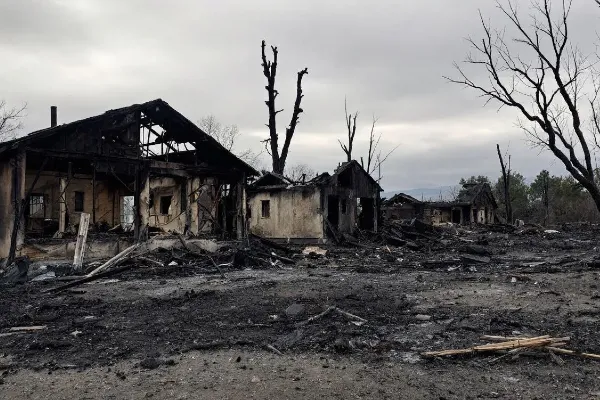
Start by documenting all visible damage to your foundation and property, including photos and detailed notes. Contact your insurance provider promptly to report the loss and request an inspection. Be prepared to provide reports from structural engineers, core testing results, and estimates for soil stabilization or foundation replacement. Work closely with your adjuster to ensure all wildfire-related damages are included in your claim, and keep records of all communications and expenses. If you encounter challenges, consider consulting a public adjuster or legal expert to help maximize your coverage. Taking these steps will help secure the financial support needed to restore your home and foundation after a wildfire.
Ready to Rebuild Smart After Fire?
Wildfires shape more than hillsides—they shape the safety of your home. At Powerlift, we combine soil science, engineering, and foundation work to help you recapture stability and vision for the future.
Whether you’re dealing with burned terrain near your foundation, or just prepping the site before rebuilding, count on us for post-fire recovery that meets modern standards—and protects your peace of mind.
Contact Powerlift today to start with a foundation assessment, soil analysis, and customized restoration plan. Let’s make sure your home stands strong in the next chapter—no matter what the next fire season may bring.