

It’s easy to notice foundation cracks or sticking doors. But the cause? That’s often hidden underground. There’s a strong link between groundwater levels and foundation health, and if you’re not paying attention, it could cost you more than just repairs and could lead to serious health effects.
At Powerlift Foundation Repair, we help homeowners deal with these hidden problems all the time. Whether it’s surface water from storms or rising groundwater you can’t see, moisture is a tricky factor. Here, we’ll talk about why it matters and how to protect your home.
What Is Groundwater?
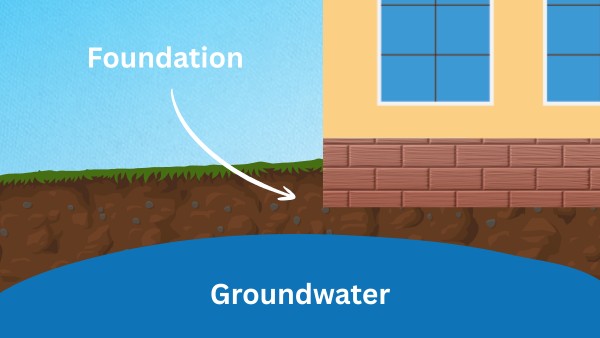
Groundwater is just water that lives below the earth’s surface. After it rains or snows, some of that water soaks into the soil and keeps going down until it hits a layer it can’t pass through, like rock or super dense clay. The top of that saturated zone is called the water table.
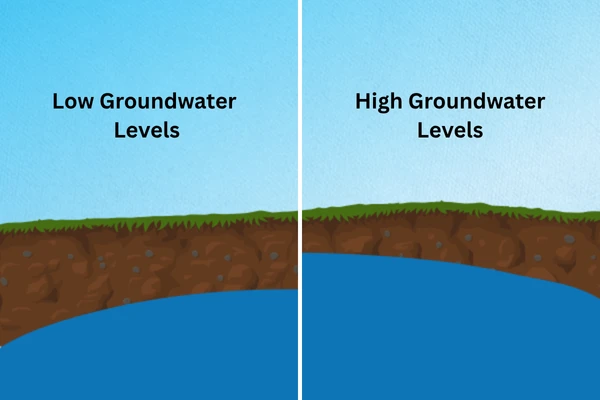
Depending on how deep (or shallow) the water table is, your foundation could be sitting just above it or nearly in it. And depending on the time of year, that water level might go up and down. That means the soil beneath your house is constantly changing, getting soggy, swelling, drying out, shrinking, and that can spell trouble for your home’s structure over time.
What Happens When Groundwater Levels Get Too High?
This is a pretty common issue, especially in areas with a lot of rainfall or poor drainage. Some parts of Arkansas, North Carolina, and Tennessee deal with this constantly. Some of the things that could go wrong include:
Pressure Builds Up Behind Your Foundation Walls
When the soil around your home gets soaked and can’t hold any more water, that moisture starts pushing on your basement or crawl space walls. That’s called hydrostatic pressure. As time passes, that pressure can cause basement walls to bow inward or crack. Even small hairline cracks can become entry points for water, and where there’s water, there’s mold, mildew, and a whole bunch of other problems you don’t want to deal with.

Soil Expansion Can Push Things Around
In clay-heavy areas, especially in states like Oklahoma, the soil acts like a sponge. When it gets wet, it swells. When it dries out, it shrinks. That constant movement is tough on your foundation. Wet seasons can push parts of your foundation up, and dry seasons can let it sink back down, or shift to the side. That back-and-forth stress adds up fast and can lead to permanent damage.
Flooding and Moisture Problems Inside the House
If groundwater rises high enough, it can literally come up through the floor. Even if it doesn’t flood your home, it can still lead to damp, humid air, moldy walls, musty smells, and rotting wood. Moisture can also cause metal supports or fasteners to corrode, especially in older homes. Basically, it can mess with way more than just your foundation.
What Happens When the Groundwater Drops Too Low?
This might not sound like a big deal, especially if you’re in a drier place like Arizona. But it turns out that too little water can be just as risky as too much.
Dry Soil Starts to Sink
Soil shrinks when it dries out. And if your foundation was poured on soil that’s now disappearing underneath it, your house starts to settle. Sometimes this happens slowly, little by little over years. Other times, it can shift fast, especially during extended droughts or when nearby construction messes with the soil.
Your Foundation Doesn’t Always Settle Evenly
Let’s say one side of your house is shaded and stays a little more moist, but the other side is exposed to constant sun or a heat-reflecting driveway. The soil under those areas will dry at different rates, which means your foundation might start to settle unevenly. That’s called differential settlement, and it’s where you start seeing sloping floors, cracked drywall, or doors that swing open on their own.
The Real Problem: Groundwater Fluctuations
It’s not just the highs or the lows—it’s the constant back-and-forth that does the most damage. The cycle of wetting and drying, as well as expanding and shrinking, puts major strain on concrete, rebar, and framing.
In Tennessee and parts of North Carolina, for example, rainy spring months followed by dry, hot summers can lead to visible seasonal foundation movement. You might even notice a crack close up in the winter and reopen again in the summer. That’s your house reacting to shifting soil.
Should You Worry About Groundwater Contamination?
While the main concern with rising groundwater levels is foundation damage, contaminated groundwater can also pose serious health risks, especially if that water seeps into basements or crawl spaces.
Many communities rely on groundwater supplies for drinking water, but these can be threatened by pollutants like pesticides, oil, toxic chemicals, and septic tank waste. Leaking septic systems and human waste are common potential sources of contamination, as are industrial runoff and heavy irrigation in agricultural areas.
The Environmental Protection Agency (EPA) warns that polluted aquifers can be extremely difficult to clean. And with climate change driving more extreme weather, the risk of widespread pollution affecting water quality and nearby ecosystems (even reaching oceans) continues to grow.
If groundwater is entering your home, it may be a sign to test your clean water and assess your local water supplies for hidden contaminants.
How to Spot the Signs in Your Home
So how do you know if groundwater is affecting your foundation? Keep an eye out for these signs:
- Cracks in your walls (especially above windows or doors)
- Floors that feel sloped or bouncy
- Doors or windows that don’t close like they used to
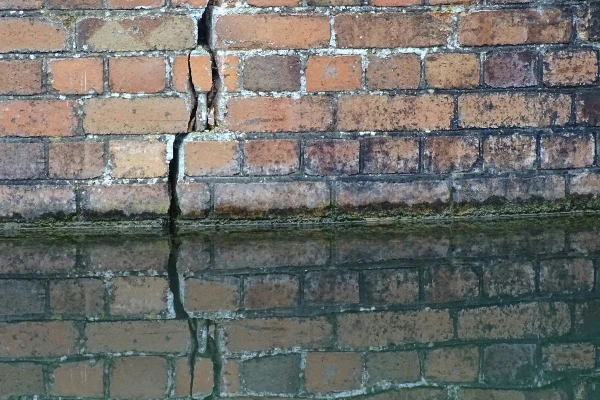
- Stair-step cracks in your brick or exterior siding
- Gaps between the wall and the ceiling
- Dampness or water stains in your basement
- Bowing or bulging basement walls
- A weird, musty smell that just won’t go away
What a Foundation Expert Will Check
If you do bring someone out, here’s what they’re likely to look for:
- Soil moisture and type: They’ll check the kind of soil your house sits on and how wet or dry it is. Some companies do soil testing to get a really accurate read on this.
- Water table levels: This can vary by season and location, but a good inspection will look at how close that water is getting to your foundation, and whether it’s likely to rise further.
- Visible movement or damage: They’ll measure cracks, inspect for tilting or bowing, and check how level your floors are.
- Drainage and water flow around the property: A lot of problems start with poor grading or missing downspouts. Even your neighbor’s poorly directed sprinkler system can end up causing water to pool near your foundation.
If you’re seeing any of this, it’s probably time to call a professional before it gets worse.
What You Can Do to Protect Your Foundation
Now let’s get into what you can actually do to keep groundwater from wrecking your home.
- Make sure water flows away from the house: Check the slope around your home. It should slope away, ideally about 6 inches over 6 feet. If it’s not, bring in some dirt and regrade the area.
- Clean your gutters: Clogged gutters mean water spills straight down your walls and pools at the base of your house. Keep them clean and make sure your downspouts stretch at least 4–6 feet away from your foundation.
- Add a drainage system: If water keeps hanging around the base of your home, it might be time for a French drain or interior drain tile system with a sump pump. This kind of setup catches water and moves it away before it becomes a bigger issue.
- Waterproof the exterior: In areas where water pressure is high, adding a waterproof barrier on the outside of your foundation wall can really help. It doesn’t fix structural problems, but it can keep water from sneaking in.
- Consider underpinning with piers: If your foundation is already settling, one of the most reliable fixes is underpinning with steel piers. At PowerLift Foundation Repair, we drive steel piers down to stable soil or bedrock and lift the home back into place using synchronized hydraulic systems. It’s a long-term fix, not a patch job.
Other Things You Should Know About Groundwater Levels & Foundation Health
Groundwater does more than affect foundations. It supports plants, streams, wildlife, and even the food we grow. When precipitation is low or overuse occurs, depletion of groundwater can impact the security of entire communities. This is why researchers stress the importance of understanding groundwater’s role in nature and the built environment.
In addition to damaging buildings, unstable groundwater levels can influence bodies of water, soil health, and the presence of bacteria. Excessive use of fertilizers, gasoline leaks, and mining or industry activities can also make groundwater unsafe, sometimes to a dangerous extent.
Data collection on groundwater movement and quality is important for sustainable development. Learning to conserve this resource helps protect both land and lives. So if you’re completing a construction project or managing other types of property, understanding groundwater is absolutely important.
When Groundwater Becomes a Problem, We’re Here to Help
The relationship between groundwater and foundation health affects more than just buildings. It affects communities, rural livelihoods, and even fragile coastal wetlands. When the ground shifts or becomes polluted, the risks go beyond cracked walls, especially for certain types of soil.
If you’re seeing signs of foundation trouble, it’s time to do your research. A commercial foundation repair specialist like Powerlift Foundation Repair can help you address hidden problems and build a plan that’s both practical and sustainable.
Want to learn more? Contact us today!