

Trying to pick the right garage door for your home can feel like a bigger decision than you’d expect. Do you go bold and modern, or stick with something classic and reliable? That’s what makes the question of glass garage doors vs. traditional materials so interesting. Each has its own personality, its own strengths, and its own way of changing how your home looks and feels. The benefits of glass garage doors are hard to ignore: they bring in light, style, and a modern vibe. On the flip side, traditional options offer comfort, privacy, and durability that many homeowners love.
At The Garage Door Company here in Edmond, we see both sides every day, and this guide will break it all down so you can figure out which direction makes sense for your home.
How Are Glass Garage Doors Different From Traditional Garage Doors?
Glass garage doors are made with tempered or laminated glass panels, usually framed in aluminum or steel. These panels can be clear, mirrored, opaque, frosted, or tinted glass. Some versions even self-tint depending on the sunlight. Traditional-style garage doors, on the other hand, are usually made from wood, steel, vinyl, or composite materials. They don’t let in natural light like glass does, but they’ve got their own strengths, especially when it comes to insulation and privacy.
Residential glass garage doors offer more than just a modern look; they turn garages into usable, welcoming spaces. They work great in commercial spaces, too, especially where clean lines and visual impact matter. Compared to traditional materials, glass garage doors offer style and light but often come with a higher cost, especially if you’re opting for insulated glass or laminated glass. The final cost can also go up depending on the frame colors, glass type, and garage door material.
Get a Traditional Garage Door If…
Water may look harmless, but when it seeps into foundation walls or basement walls, it sets off a chain of problems. Concrete foundations are durable, but they aren’t invincible. Water penetration can cause cracks, weaken materials, and even lead to structural issues across the entire building.
Moisture infiltration is sneaky. Several factors, such as soil conditions, climate, and drainage, can contribute to water finding its way into the foundation. It can happen through tiny cracks, around poorly sealed basement windows, or when drainage systems fail to divert water away from your home. Over time, the water pressure around your building’s foundation—known as hydrostatic pressure—can push moisture through even the smallest openings. Left untreated, this can lead to structural damage, mold growth, and eventually expensive repairs.

Why Waterproofing Matters for Your Foundation
Foundation waterproofing is not just about keeping a wet basement dry. It plays a significant role in preventing mold growth, protecting the value of your property, and maintaining a healthier living environment.
A waterproof foundation helps with:
- Structural integrity: Keeping water away helps prevent cracks and weakening of foundation walls.
- Indoor air quality: Reducing moisture levels means less risk of mold and mildew growth that can trigger respiratory issues.
- Home maintenance: Waterproofing systems reduce the need for constant patchwork repairs.
- Property value: A stable foundation and dry basement are big selling points for potential buyers.
Waterproofing matters because it directly impacts the long-term stability of your home’s foundation and the safety of everyone living inside. Protecting your home’s foundation from water infiltration is essential to prevent costly damage and ensure the overall durability of your property.
Common Signs of Water Problems
Before water damage creates significant problems, there are usually warning signs that homeowners can spot. Here are some red flags to watch for:
- Damp or musty smells in the basement or crawl space
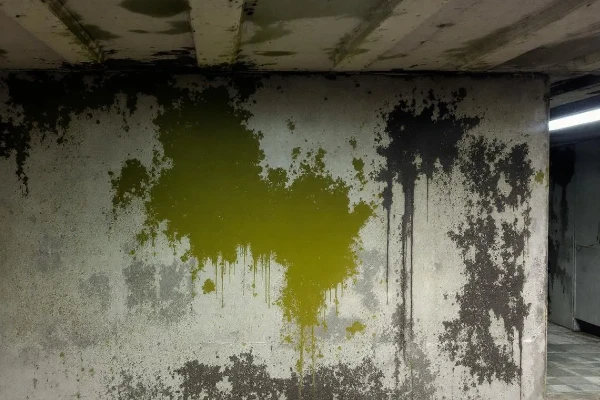
- Mold and mildew growth on walls or around doors
- Water stains or peeling paint on the basement walls
- Small cracks that keep getting bigger in the foundation
- Standing water around the home after heavy rain
- Frost or condensation inside basement windows during winter
- Uneven floors or doors that no longer close properly
These might seem like small inconveniences, but they often point to water infiltration that could eventually lead to structural damage.
The Role of Proper Waterproofing Systems
There are several waterproofing solutions available, and the right approach depends on the root cause of the problem. A good system acts as a protective barrier that keeps water from getting into your home’s foundation in the first place. Selecting an effective solution is crucial for ensuring long-term protection against water damage.
Some of the most effective options include:
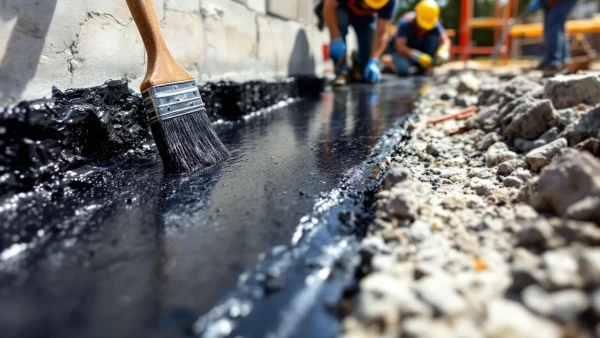
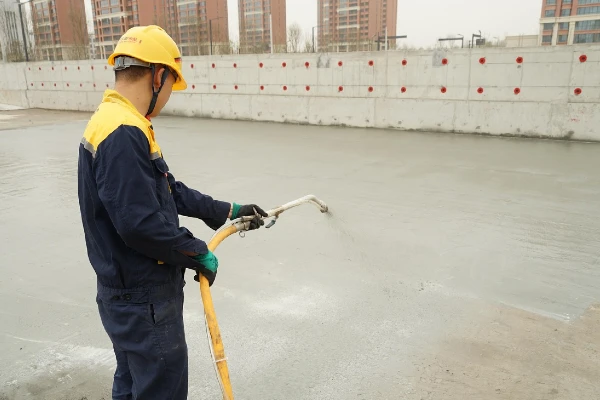
- Exterior waterproofing membrane: Applied directly to the outside of foundation walls, this creates a shield that stops water from seeping into concrete.
- French drains and drainage systems: Designed to divert water away from the foundation, reducing hydrostatic pressure and moisture intrusion.
- Interior waterproofing methods: These help manage water that does make it inside, often by directing it to a sump pump.
- Basement waterproofing coatings: Sealants applied inside basement walls can help reduce water seepage.
When properly installed, these systems work together to reduce water infiltration and protect the building’s foundation from long-term damage.
Drainage Systems: Directing Water Away from Your Home
Effective drainage systems are crucial for managing water around your home and preventing water infiltration into your foundation. French drains and other drainage solutions are designed to divert water away from the building, reducing hydrostatic pressure that can otherwise force moisture through foundation walls. By keeping water at bay, these systems help prevent costly repairs, minimize the risk of mold growth, and support a healthier living environment.
A well-designed drainage system not only protects your foundation but also helps maintain your property value by preventing water-related damage. Investing in proper drainage is a smart way to ensure a stable foundation and safeguard your home against the damaging effects of water. By directing water away from your building, you’re taking an important step in preventing water intrusion and maintaining a safe, dry home.
The Health Factor: Mold, Mildew, and Air Quality
Moisture intrusion doesn’t just affect concrete. It creates the perfect environment for mold and mildew growth, which can lead to health risks for everyone in the house. Mold spores can circulate through HVAC systems and affect indoor air quality, leading to respiratory issues, allergies, and other health concerns.
Basements and crawl spaces with high moisture levels often have poor ventilation, which makes the problem worse. By waterproofing your foundation, you’re not only protecting the structure but also creating a healthier living environment.
Waterproofing and Repair Costs
Here’s the thing: water damage doesn’t fix itself. Cracks expand, mold spreads, and structural damage gets worse over time. Repair costs grow quickly when problems are ignored. That’s why many homeowners find waterproofing to be a cost-effective option compared to waiting until major repairs are needed.
Think of it this way. Regular maintenance and a good waterproofing solution can help you save money in the long run by reducing the need for costly repairs. It’s much cheaper to prevent water damage now than to repair significant damage later.
Understanding your options and costs, you can make informed decisions about waterproofing and repair, helping you avoid unnecessary expenses.
When Waterproofing Meets Foundation Repair
Sometimes waterproofing alone isn’t enough. If water infiltration has already caused foundation damage, the first step is addressing those structural issues. That’s where Powerlift comes in.
We specialize in cracked foundation repair, and we often see how water intrusion is at the root of the problem. Through combining repair services with effective waterproofing systems, we help homeowners restore a solid foundation and prevent the same problems from happening again.
This two-part approach, repairing the damage and stopping future water intrusion, leads to long-term results and a strong and stable foundation you can count on.
Why Homeowners Trust Powerlift
As builders and foundation repair experts, we understand how much is at stake when your foundation is compromised. A wet basement or failing waterproofing system can lead to costly repairs, health risks, and significant damage to the entire structure. That’s why we provide complete foundation waterproofing and repair services designed to protect your house from the ground up.
We don’t just patch the surface. We address the root cause, whether it’s poor drainage, moisture infiltration, or hydrostatic pressure. Our team uses proven methods like French drains, waterproofing membranes, and foundation repair techniques to give you a structurally sound, stable foundation.
Many homeowners put off repairs because they’re worried about costs, but the truth is that acting early almost always saves money in the long run. Plus, a waterproof foundation adds to your property value, making it more appealing to potential buyers.
A Few Smart Steps for Homeowners
Even if you’re not ready for a full waterproofing system, there are things you can do around your home to help protect your foundation:
- Keep gutters clean and in good working order to divert water away from your house.
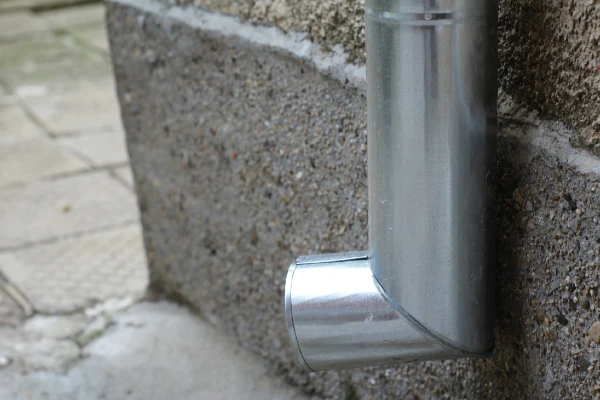
- Check that downspouts direct water far enough from foundation walls.
- Slope the ground around your property so water flows away from the building’s foundation.
- Look for signs of water damage or mold in your basement or crawl space.
- Schedule regular maintenance with foundation repair professionals.
These small steps, combined with proper installation of waterproofing systems, can reduce the risk of water infiltration and keep your home safe.
Protecting Your Foundation with Waterproofing
Waterproofing is more than just a home improvement project. It’s one of the most effective solutions for preventing structural damage, reducing repair costs, and creating a healthier living environment. By managing water, lowering moisture levels, and installing protective barriers, you can protect your home’s foundation in the long run.
At Powerlift, we know firsthand why waterproofing matters for your foundation. Our team of foundation repair experts has the experience and tools to stop water intrusion at the root cause, restore stability, and help you maintain a strong and stable foundation.
If you’ve noticed signs of water infiltration, cracks, or a wet basement, don’t wait until the damage spreads. Contact Powerlift today for a waterproofing solution that protects your entire structure and gives you a safe living space for years to come.
