

When your home sits on a concrete slab foundation, plumbing leaks can create serious challenges that threaten both your property’s structural integrity and your peace of mind. Understanding how plumbing leaks and foundation problems develop, recognizing the warning signs, and knowing when to seek professional help can save you from costly repairs and severe damage down the road.
Understanding Plumbing Leaks in Foundation Systems
A plumbing system installed underneath your concrete slab foundation operates out of sight but plays a critical role in your home’s daily function. When slab leaks occur, water escapes from pipes embedded within or beneath the concrete slab, creating problems that homeowners often don’t notice until significant damage has already happened.
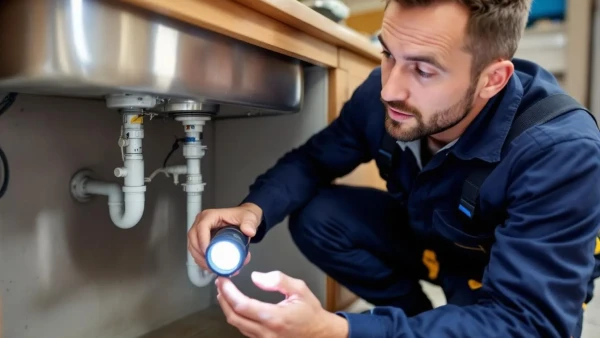
These leaks can affect both the water lines that supply your plumbing fixture connections and the sewer lines that carry waste away from your house.
The concrete slab foundation common in North Texas and throughout Oklahoma, Arkansas, North Carolina, and Tennessee provides a stable base for residential and commercial structures. However, this construction method means that water pipes and the entire sewer system run through or under several tons of concrete, making detection and repair more complex than plumbing issues in homes with crawl spaces or basements.
Left unchecked, even small plumbing leaks can compromise your home’s foundation. Excess water saturates the soil beneath your concrete slab, causing foundation shifts and movement that lead to cracks in walls and flooring. What begins as a minor leak can escalate into foundation damage requiring comprehensive foundation repair processes to restore your property’s stability.
Common Causes of Plumbing Leaks Under Foundations
Understanding what causes these underground pipes to fail helps homeowners take preventive measures and recognize problems early. Several factors contribute to slab leak occurrences:
Corrosion and Pipe Deterioration
Over time, water chemistry and soil conditions corrode pipes, particularly older copper and galvanized steel lines. Hard water with high mineral content accelerates this deterioration, gradually weakening water pipes until they develop pinhole leaks or larger failures. The corrosion process happens slowly, which is why many homeowners hear about foundation issues only after years of undetected damage.
Soil Movement and Foundation Shifts
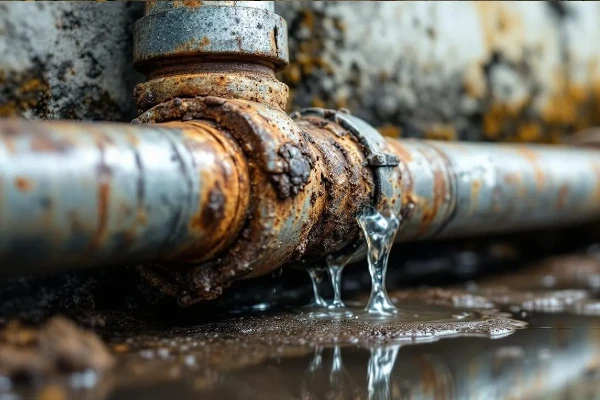
The soil beneath your foundation naturally expands and contracts with moisture changes and weather conditions. In regions with expansive clay soils, these movements create tremendous pressure on underground pipes. As your foundation shifts, even slightly, it stresses plumbing lines, causing joints to separate or pipes to crack. This is a contributing factor in many slab foundation problems.
High-Pressure Issues
Excessive water pressure stresses your entire plumbing system. When pressure exceeds recommended levels, it strains pipe joints and connections, particularly where hot water pipes expand and contract with heat cycles. High pressure also accelerates wear on the water heater and every plumbing fixture throughout your house.
Poor Installation Practices
Improperly installed underneath your slab, plumbing lines may lack adequate protection or have stress points that fail prematurely. Pipes without proper drainage support or those installed with sharp bends become vulnerable to leaks as the foundation settles over time.
Abrasion and External Pressure
Concrete settling or rocks in the surrounding soil can rub against pipes over the years, wearing through protective coatings and eventually the pipe walls themselves. This slow abrasion creates weak points where leaks develop.
Temperature Fluctuations
Hot water pipes undergo constant expansion and contraction cycles with heat changes. This thermal stress, combined with any of the factors above, can cause pipes to separate at joints or develop stress fractures.
Warning Signs Your Foundation Has Plumbing Leaks
Recognizing visible signs of slab leaks early prevents further damage and reduces repair costs. Pay attention to these indicators that suggest plumbing problems beneath your concrete slab:
Visual and Physical Indicators
- Unexplained Water Accumulation: Wet floors, particularly in areas with no obvious water source, often indicate leaking water from beneath your slab. Pooling water on your foundation or around your home’s perimeter, especially when it hasn’t rained, suggests leaking pipes underground.
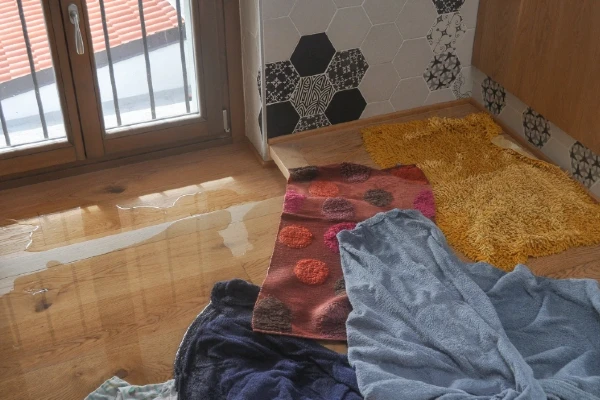
- Flooring Damage: Warped wood, stained carpets, or cracked tiles can result from moisture seeping up through your concrete slab foundation. When a slab leak occurs beneath flooring, moisture gradually damages materials from below, creating visible signs that homeowners should never ignore.
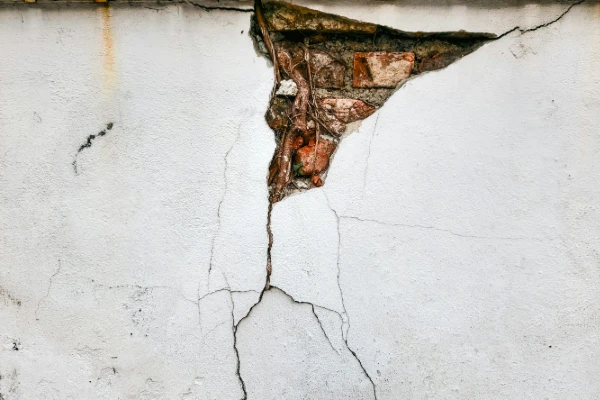
- Wall and Foundation Cracks: While some cracks result from normal settling, new or expanding cracks may indicate foundation movement caused by soil erosion from leaking water. Horizontal cracks, cracks wider than a quarter-inch, or cracks that grow over time warrant immediate professional inspection.
- Mold and Mildew: Persistent musty odors or visible mold growth, especially along baseboards or on lower walls, signal excess water accumulation. Moisture from slab leaks creates ideal conditions for mold, which poses health risks beyond the structural concerns.
Audible and Operational Signs
- Sound of Running Water: Homeowners hear water running through pipes when no plumbing fixture is in use, indicating leaking pipes somewhere in the system. This sound, particularly noticeable at night when the house is quiet, suggests continuous water flow from a leak.
- Low Water Pressure: When water pressure suddenly decreases throughout your house or in specific areas, it may indicate water escaping from your system through leaks. This is particularly noticeable in showers and when multiple fixtures operate simultaneously.
- Water Heater Running Constantly: If your water heater cycles more frequently than normal or runs continuously, it might be compensating for water lost through hot water pipes leaks beneath your slab.
Utility and Financial Indicators
- Sudden Spike in Water Bill: An unexplained increase in your water bill often provides the first clue that plumbing leaks exist somewhere in your system. Even small leaks waste significant amounts of water over billing cycles, causing costs to climb noticeably.
- Running Toilets and Dripping Faucets: While these issues might seem separate from foundation problems, they indicate system-wide plumbing issues that require attention. Multiple plumbing problems occurring simultaneously often point to underlying system stress or aging infrastructure.
Professional Detection Methods for Foundation Plumbing Leaks
When you suspect slab leaks, professional plumbers employ specialized tools and techniques to locate problems without unnecessary destruction of your concrete slab:
- Acoustic Leak Detection: Sensitive listening devices amplify the sound of water escaping from pipes, allowing technicians to pinpoint leak locations through your concrete slab. This non-invasive method works well for detecting larger leaks and determining whether foundation work will be necessary.
- Thermal Imaging Cameras: These advanced tools detect temperature differences in your flooring and foundation caused by leaking water. Hot water pipes create warm spots, while cold water leaks show cooler areas, making thermal imaging cameras particularly effective for locating slab leak problems.
- Pressure Testing: By isolating sections of your plumbing system and monitoring pressure changes, plumbers can determine whether leaks exist and approximate their severity. Pressure loss indicates escaping water somewhere in the tested section.
- Video Camera Inspection: For sewer lines and drain line problems, small cameras inserted into pipes provide visual confirmation of cracks, blockages, or deterioration. This technology allows precise diagnosis without excavation.

These detection methods help professionals develop targeted repair strategies that minimize disruption to your home while effectively addressing plumbing leaks and foundation issues.
Repair Solutions for Plumbing Leaks in Foundations
Once detected, slab leaks require prompt repair to prevent ongoing foundation damage. Several approaches address these problems:
- Traditional Pipe Replacement: This method involves breaking through your concrete slab to access and replace damaged sections of water pipes or sewer lines. While effective and permanent, it requires significant foundation work, including concrete removal and restoration.
- Pipe Rerouting: Rather than accessing pipes beneath your slab, plumbers may reroute water lines through walls or attic spaces. This approach avoids extensive concrete demolition and often proves more cost-effective when more pipes show deterioration or when the leak occurs in hard-to-reach locations.
- Epoxy Pipe Coating: For certain situations, technicians can apply epoxy coating inside existing pipes, sealing small leaks and preventing future corrosion. This trenchless technology works well for water lines, but isn’t suitable for all pipe materials or severe damage situations.
- Spot Repair: When a single, accessible leak affects an otherwise sound plumbing system, targeted repair of just the damaged section may suffice. This limited approach minimizes costs and disruption while solving the immediate problem.

Coordinating Plumbing and Foundation Repair
If leaking pipes have already caused foundation issues, addressing just the plumbing leaks won’t restore your home’s structural integrity. Comprehensive repair requires both fixing the water leaks and stabilizing your foundation. This is where residential foundation repair becomes essential.
PowerLift Foundation Repair specializes in stabilizing foundations damaged by plumbing leaks and other causes. Our steel piers are driven to bedrock or load-bearing strata, providing permanent support that counteracts foundation shifts and settlement. Unlike temporary solutions, PowerLift’s engineered system addresses the root cause of foundation movement, ensuring your repair investment delivers lifetime performance.
Our synchronized lifting system minimizes stress during the foundation repair process, maximizing crack closure in walls and flooring while restoring proper drainage around your property. This careful approach prevents further damage during repair work and delivers superior cosmetic recovery.
Cost Considerations
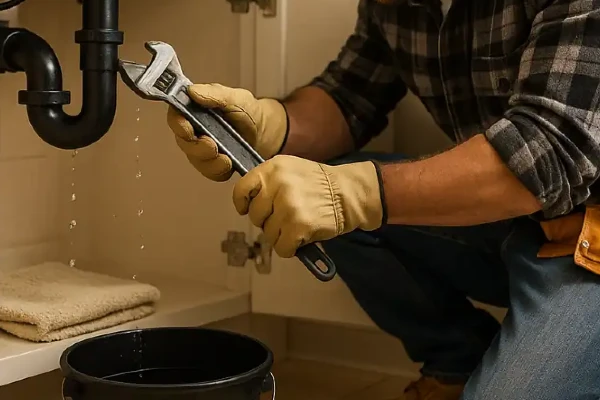
Foundation-related plumbing repairs vary significantly in cost based on leak severity, accessibility, and necessary foundation work. Simple spot repairs might cost a few thousand dollars, while extensive pipe rerouting or combined plumbing and foundation repairs can require substantially larger investments. However, addressing problems early always costs less than dealing with severe damage from prolonged neglect.
When evaluating repair estimates, consider long-term value. Quality repairs using proven methods and backed by warranties protect your investment better than quick fixes. PowerLift Foundation Repair’s lifetime guarantee on our steel pier system reflects our confidence in delivering permanent solutions rather than temporary patches.
Preventing Future Plumbing Leaks and Foundation Damage
Proactive maintenance and smart practices help prevent plumbing leaks and foundation problems:
- Regular System Inspections: Have a licensed plumber inspect your plumbing system periodically, particularly if your house is more than 20 years old or you’ve noticed minor issues like low water pressure or running water sounds.
- Monitor Water Pressure: Keep water pressure within recommended ranges (typically 40-70 psi) to reduce stress on your pipes and plumbing fixture connections. Install a pressure regulator if your system experiences high pressure.
- Address Small Problems Promptly: Fix dripping faucets, running toilets, and other minor issues before they escalate or indicate larger system problems. These visible signs often point to plumbing problems requiring attention.
- Maintain Proper Drainage: Ensure your sprinkler system, gutters, and yard grading direct water away from your foundation. Excess water around your home’s foundation contributes to soil expansion that stresses underground pipes and causes foundation movement.

- Water Quality Management: If you have hard water, consider treatment systems that reduce mineral content and slow pipe corrosion. This investment extends your plumbing system’s lifespan.
- Soil Moisture Control: In areas with expansive clay soils common throughout North Texas and surrounding regions, maintaining relatively consistent soil moisture prevents the extreme expansion and contraction cycles that stress both foundations and pipes.
- Weather Preparation: During extreme weather conditions, protect exposed pipes from freezing and ensure proper drainage to prevent water accumulation that could affect your foundation.
Frequently Asked Questions About Foundation Plumbing Leaks
What causes plumbing leaks under a foundation?
The most common causes include pipe corrosion from hard water and soil chemistry, foundation shifts that stress pipes, high pressure in the system, poor installation, and normal wear from heat expansion cycles in hot water pipes. Weather conditions and soil movement also play contributing roles.
How long can foundation leaks go unnoticed?
Slab leaks can persist for months or even years before homeowners recognize visible signs. Small leaks waste water and cause gradual foundation damage without obvious symptoms until soil erosion or foundation shifts create noticeable problems like cracks or wet floors.
Can foundation leaks cause structural damage?
Absolutely. Leaking water erodes soil beneath your concrete slab, causing foundation settlement and movement. This compromises your home’s structural integrity, creating cracks in walls, uneven flooring, and potential issues with doors and windows that no longer fit properly. Left unchecked, severe damage can require extensive foundation repair work.
How much does it cost to fix a leak under the foundation?
Costs vary widely based on leak location, pipe condition, and necessary repairs. Simple repairs might cost $2,000-$4,000, while extensive rerouting or combined foundation and plumbing repairs can exceed $10,000. Early detection and repair always cost less than addressing severe damage and foundation issues.
Can I detect a slab leak myself?
While you can watch for warning signs like unexplained water bill increases, wet floors, low water pressure, or sounds of running water, accurately locating leaks beneath concrete requires specialized tools like thermal imaging cameras and acoustic sensors that professionals use. DIY detection often proves unreliable and delays necessary repairs.
Protecting Your Home from Plumbing Leaks and Foundation Damage
Plumbing leaks beneath your foundation represent serious threats that demand prompt attention. By understanding how these problems develop, recognizing warning signs early, and working with qualified professionals for both plumbing repairs and foundation stabilization, you protect your home’s structural integrity and avoid costly repairs from prolonged neglect.
Whether you’re dealing with active leaks or want to prevent future problems, combining quality plumbing maintenance with professional foundation monitoring provides the best protection for your investment. When foundation damage has occurred, specialized foundation repair solutions restore stability and prevent further deterioration.
At PowerLift Foundation Repair, we understand that protecting your home requires addressing problems correctly the first time.
Our steel pier systems provide permanent solutions for foundations compromised by plumbing leaks, soil movement, or other causes. Recommended by engineers, homeowners, realtors, and repair professionals throughout Oklahoma, Arkansas, North Carolina, and Tennessee, PowerLift delivers results backed by a lifetime guarantee.
Don’t let plumbing leaks, foundation problems compromise your home’s safety and value. Contact PowerLift Foundation Repair today for a FREE estimate on residential and commercial properties. Our experienced team will assess your foundation, explain your options, and deliver the permanent solutions your property deserves.
Call us at 800-562-5438 for your FREE ESTIMATE and protect your home’s foundation today!