

Winter is not just about cozy blankets and hot cocoa. It also brings some challenges to your home, especially your foundation. Home foundations are particularly vulnerable to winter weather, as cold temperatures can cause significant issues if not properly addressed. When temperature drops, your soil, pipes, and overall structure react in ways that can lead to real foundation problems if left unaddressed. Many homeowners may not realize how much cold weather impacts the stability of their house until the signs begin to show.
At Powerlift, we help homeowners deal with winter foundation damage every year. So, let’s break down what actually happens during the cold winter months, why your foundation is affected, and what you can do to protect your home before issues get worse.

How Winter Weather Impacts Your Foundation
When winter rolls in, the ground beneath your home experiences major changes. Cold temperatures cause the soil to freeze, and when soil freezes, it expands. When water freezes in the soil, it expands as well, increasing the pressure on your foundation. This puts pressure on your foundation walls and concrete slab. When the soil eventually thaws, it settles again, often unevenly.
This process is known as frost heave.
- Soil freezes and expands
- Pressure builds around your foundation
- Thawing leads to shifting and settling
- Result: foundation cracks and movement
These constant changes in pressure can weaken the structural integrity of your entire home over time.
When Soil Expands, Foundations Feel It
There is a specific depth at which the ground freezes, known as the frost line. The measurement used to determine how deep the ground freezes is called frost depth, and it is crucial for foundation protection because foundational supports and pipes should be installed below this level to prevent damage from frost heave.

The deeper the frost line, the more the soil beneath your home is affected. When the soil beneath your foundation expands from the cold, the concrete above it must either resist the pressure or crack under it.
Clay soil, which is common in many areas, is especially reactive. It absorbs moisture, then freezes, expands, and puts strain on the foundation. When the ice melts, the soil contracts and causes the foundation to settle unevenly. These repeated cycles during winter can lead to noticeable foundation cracks and shifting.
The Risk of Frozen Pipes and Burst Lines
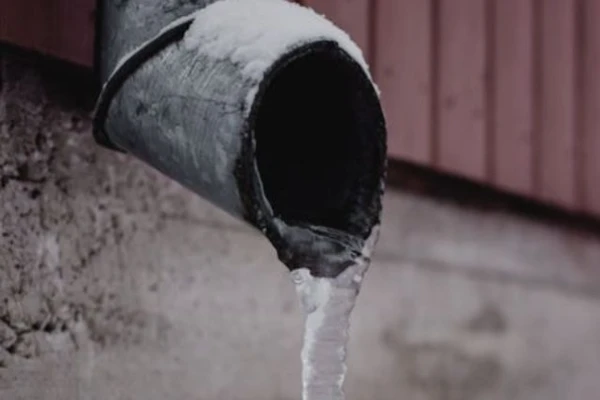
Winter can be tough on your plumbing system too. When pipes freeze, the water inside expands. As water expands during freezing, it puts tremendous pressure on the pipe walls, increasing the risk of cracks or bursts. If the pressure becomes too strong, you can end up with burst pipes, which lead to excess water around your home’s foundation. Water pooling near the house during winter and early spring is a problem many homeowners overlook. It’s important to protect every pipe in your home, including discharge lines and water supply pipes, from freezing temperatures to prevent water damage.
If the sump pump or discharge line is blocked with ice, water has nowhere to go and ends up seeping into your basement or crawl space. Over time, this contributes to moisture damage and structural issues. Do your best to insulate pipes, especially those located in the basement, crawl space, or near exterior walls. A small drip from a faucet during extremely cold nights can also prevent frozen pipes.
Recognizing the Warning Signs of Winter Foundation Damage
You don’t have to wait until spring to notice something is wrong. Catching the first sign of foundation damage—such as cracks, bowing walls, or sticking doors—can help you take action early and prevent more severe issues. Watch for:
- New cracks in walls or floors
- Windows or doors that no longer open or close easily
- Uneven or sloping floors
- Gaps where walls meet ceilings
- Water pooling near the foundation
- Damp crawl space or basement areas
If you notice any of these, it may be time to look into cracked foundation repair before the issue spreads and becomes harder to fix later.
How Melting Snow and Ice Play a Role
During warmer spells in winter, melting snow and ice dams on your roof can cause large amounts of water to run down next to your foundation. If your gutters and downspouts are blocked with debris, the water cannot drain properly and will soak into the ground directly around your foundation, increasing pressure on the foundation wall.
The more water in the soil, the more it expands when temperatures drop again. This repeated cycle is one of the leading causes of foundation cracks during winter.
Keep your gutters clean, direct downspouts away from the foundation, and make sure your yard slopes slightly so water flows away from the house instead of collecting around it.
Preventative Measures That Make a Difference

Taking a few steps during fall and early winter can go a long way in protecting your home:
- Clean gutters and make sure water drains away from the house
- Add gravel or proper grading to encourage water drainage
- Insulate exposed or exterior pipes
- Check for cracks before winter and schedule repairs if needed
- Install or inspect your sump pump before freezing weather arrives
- Look for any water pooling after heavy snow or rain
Being proactive now helps prevent more serious damage later, including costly structural damage to your home.
Foundation Repair Options for Winter Damage
When winter’s freezing temperatures set in, your foundation faces a unique set of challenges. Frozen pipes, frost heave, and ice dams can all contribute to foundation cracks and water damage, putting your home at risk for serious structural problems. Fortunately, there are several foundation repair options and preventative measures homeowners can take to protect their property during the coldest months.
If you notice foundation cracks or signs of water pooling near your walls, it’s important to act quickly. Sealing foundation cracks is a crucial first step to prevent water intrusion and further damage. For homes prone to frozen pipes, installing a hydronic heating system can help keep pipes above the freezing point, reducing the risk of burst pipes and the excess water that can follow. Proper insulation around pipes and in your basement or crawl space also minimizes the risk of freezing and frost heave, which occurs when soil expands and contracts as it freezes and thaws.

In cases where burst pipes or ice dams have already caused water damage, foundation repair may involve replacing damaged materials and improving water drainage around your home. Ensuring your gutters and downspouts are clear and direct water away from the foundation is essential to prevent water from seeping into the soil and causing further cracks.
Regular inspections are key—look for warning signs like new cracks in your walls, water pooling near the foundation, or damp spots in your basement. By taking these preventative measures and addressing foundation problems early, you can protect your home from the harsh effects of winter and maintain its structural integrity for years to come.
Crawl Space Considerations in Cold Weather
The crawl space beneath your home is especially vulnerable during the cold winter months. As the soil freezes and expands, it can put significant pressure on your foundation, leading to cracks and other forms of foundation damage. Pipes running through the crawl space are also at risk—if they’re not properly insulated, they can freeze and burst, resulting in water damage and even mold or mildew growth.
To protect your crawl space and maintain the structural integrity of your home, start by making sure the area is properly insulated. Insulation helps keep pipes from reaching the freezing point and reduces the risk of frost heaving beneath your foundation. Good ventilation is also important, as it helps prevent moisture buildup that can lead to further problems.
Installing a sump pump in your crawl space is a smart move for managing excess water, especially in regions like Kansas City where harsh weather and unpredictable weather patterns are common. Be sure to check that the discharge line is properly insulated and sloped so it doesn’t freeze and block water drainage during the coldest days.
Regular inspections of your crawl space can help you spot early warning signs of trouble, such as cracks, dampness, or water pooling. Preventative measures like cleaning gutters and ensuring water drains away from your foundation will further reduce the risk of water damage and foundation issues.
By staying proactive and addressing crawl space concerns before winter hits, homeowners can protect their foundation from the risks of freezing soil, burst pipes, and excess water—helping to keep their entire home safe and sound all season long.
Why Winter Foundation Problems Should Not Be Ignored
Your foundation literally supports your entire home. Even small cracks and shifts can grow into bigger issues that impact your walls, floors, structural stability, and basements. Basements are especially vulnerable to foundation problems in winter, as freezing and thawing can cause or worsen cracks, leading to potential water intrusion and foundation damage. The longer foundation issues continue, the more expensive repairs can become. Winter problems rarely fix themselves when spring arrives. In many cases, they worsen.
If you have concerns about your foundation during winter, it’s best to address them sooner rather than later.
Looking Out for Your Foundation This Winter
Winter may be harsh, but your foundation does not have to suffer because of it.

A little awareness and early action can go a long way in protecting your home, especially when it comes to safeguarding your home’s foundation from winter-related damage.
If you are noticing foundation cracks, shifting floors, or signs of water intrusion this winter, Powerlift is here to help. We specialize in professional foundation repair throughout Kansas City and nearby regions. Our team understands how weather patterns and soil conditions affect local homes, and we are here to guide you every step of the way.
Contact Powerlift today to schedule an evaluation. Let’s keep your foundation strong, stable, and ready for whatever winter brings next.