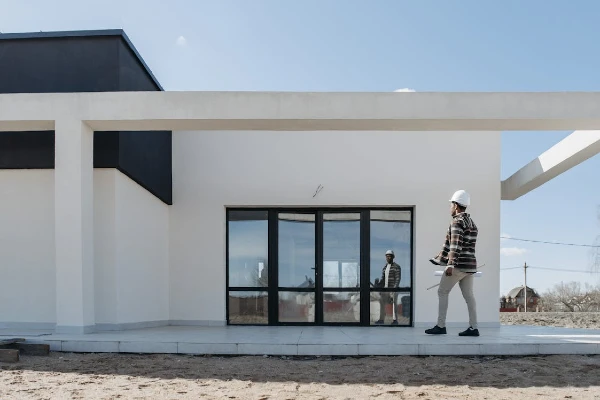
our home’s foundation serves as the bedrock of structural integrity, supporting everything above it. When pests damaging foundation materials go undetected, the consequences can escalate from minor nuisances to catastrophic structural failures requiring costly repairs. At PowerLift Foundation Repair, we’ve witnessed first-hand how wood-destroying pests and burrowing animals can compromise even the most robust foundation walls, threatening your home’s structural integrity and your family’s safety.
Most homeowners underestimate the persistent pest problem lurking beneath their properties. From subterranean termites silently consuming wooden components to carpenter ants tunnelling through wooden beams, these destructive invaders exploit foundation cracks and hidden entry points to establish colonies that can persist for years.
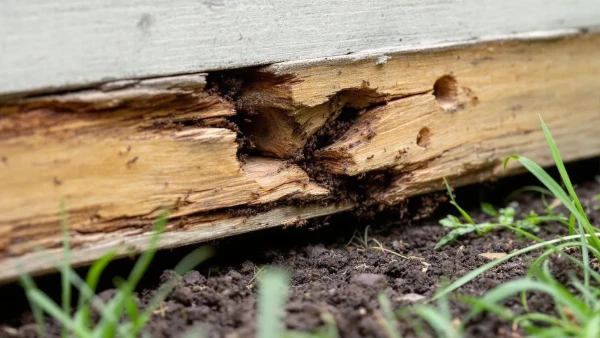
Understanding how common pests infiltrate and damage foundation materials is your first line of defense against a full-blown infestation that could cost thousands in repairs.
Common Pests That Damage Foundations
Several species of wood-destroying insects and burrowing animals specifically target foundation materials and the wooden structures they support. Recognizing these threats helps you implement effective pest control strategies before significant damage occurs.
Burrowing Insects and Their Effect on Foundations
Subterranean termites represent the most destructive force among pests searching for cellulose-rich materials around your foundation. These wood-destroying pests build mud tubes along concrete foundations and foundation walls, creating highways from moist soil to the wooden components of your home. Unlike termites that work above ground, subterranean species can consume wooden beams and other wood-destroying pests targets while remaining completely hidden from view.
The financial impact is staggering—termite damage causes billions in structural damage annually across the United States. These insects eat wood at an alarming rate, with mature colonies consuming several pounds of material daily.
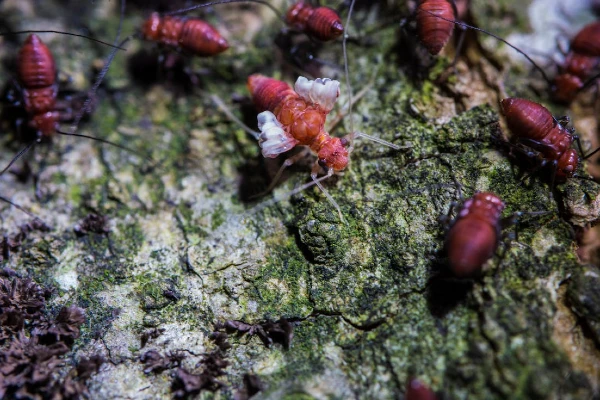
They target not just wooden structures but also paper, cardboard, and other cellulose materials stored in your crawl space or basement. Early detection through regular inspection protocols can prevent termites from weakening foundation materials to the point where major structural interventions become necessary.
Carpenter Ants and Their Tunneling Behavior
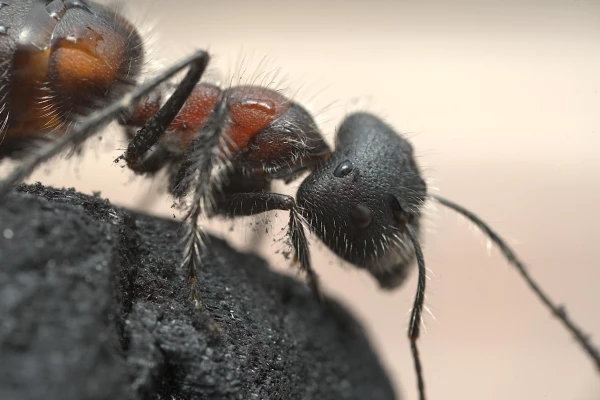
Carpenter ants pose a unique threat because they don’t actually eat wood like termites—instead, they excavate galleries and tunnels through wooden structures to create nesting spaces. These industrious insects prefer rotting wood or moisture-damaged materials but will tunnel through sound timber when establishing satellite colonies. The galleries they create weaken structural support systems, and their presence often indicates underlying moisture problems that also threaten your concrete foundation.
Detection requires vigilance. Carpenter ants leave behind wood debris resembling sawdust near entry points, and you may hear faint rustling sounds within walls during quiet evening hours. Their activity peaks during spring and summer when they forage for food sources, including pet food left accessible in garages or crawl spaces.
Rodents and Their Burrowing Impact
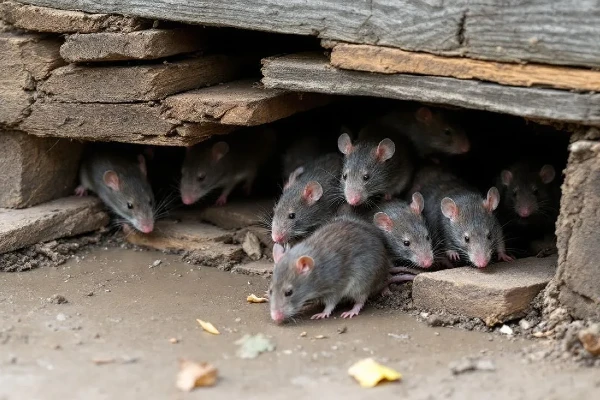
Burrowing animals such as rats, mice, and voles create extensive tunnel networks in the displaced soil around your foundation. These excavations destabilize the ground supporting foundation walls, creating voids that allow settling and shifting soil conditions. Rodents gnaw through weather stripping, exploit foundation gaps, and can even damage concrete slabs over time through persistent tunneling.
The health risks extend beyond structural concerns—rodents contaminate storage space areas, spread disease, and attract predators that may cause additional property damage. Their constant search for food sources, water, and shelter makes any vulnerabilities around your foundation an open invitation for pest intrusion.
Other Wood-Destroying Insects
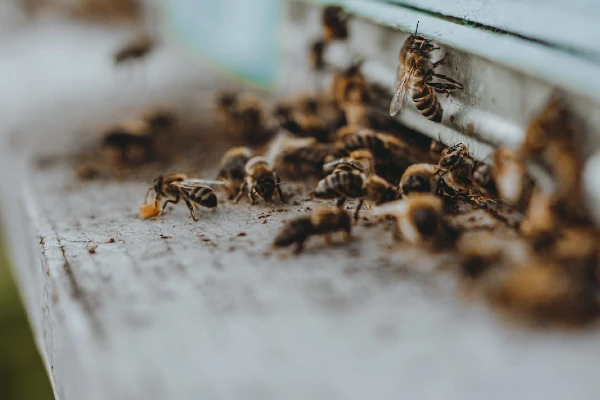
Carpenter bees, powder post beetles, and other wood-destroying insects also threaten wooden components near foundations. Carpenter bees bore perfectly circular holes into wooden beams, fence posts, and siding, while powder post beetles reduce structural timber to fine powder. Though less common than termites, these pests contribute to the cumulative weakening of your home’s structural support system.
How Pests Exploit Foundation Vulnerabilities
Common pests don’t appear randomly—they’re drawn to specific conditions that make your property hospitable. Understanding these attraction factors helps you eliminate vulnerabilities before pest entry occurs.
Foundation Cracks and Gaps
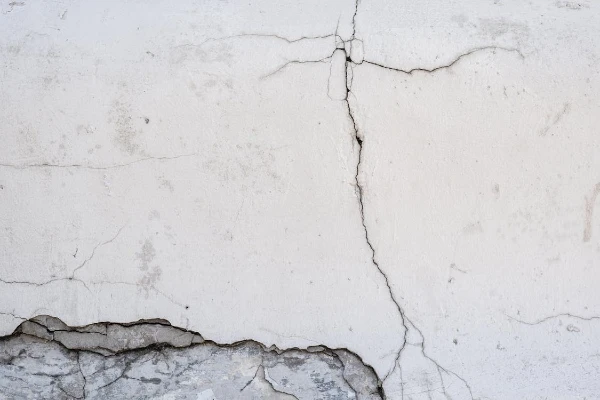
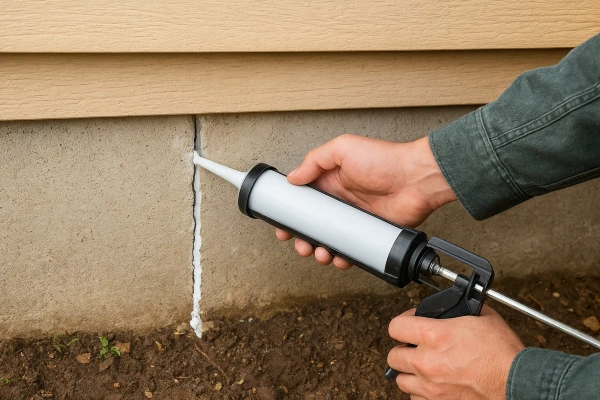
Even small cracks in concrete foundations provide potential entry points for insects and rodents. Foundation cracks wider than 1/8 inch allow pavement ants, spiders, and other pests to establish interior colonies. Larger gaps accommodate mice and rats, which can squeeze through openings as small as a quarter inch. Sealing cracks promptly prevents pest access and preserves the integrity of foundation materials.
Moisture and Drainage Problems
Damp conditions attract wood-destroying pests like termites and carpenter ants, which require moisture-rich environments for survival. Poor drainage creates moist soil against foundation walls, essentially advertising your property to pests searching for ideal nesting sites.
Proper drainage systems, functioning gutters, and grading that directs water away from your foundation are essential pest control measures that protect both against pest damage and moisture-related structural issues.
Soil Contact and Landscaping Choices
Wooden structures in direct soil contact provide highways for subterranean termites to access your home undetected. Wood mulch placed against exterior walls, firewood storage near foundations, and untreated wooden fencing create perfect conditions for wood-destroying insects. Plant trees and shrubs at least three feet away from foundation walls to improve proper ventilation, reduce pest access, and allow for regular inspection of your foundation’s perimeter.
Utility Openings and Service Penetrations
Pipes, cables, and utility lines penetrating foundation walls often leave hidden entry gaps that pests exploit. These common entry points require careful sealing with appropriate materials to prevent pest entry while maintaining functionality. Even treated wood around these penetrations can develop gaps over time as materials expand and contract with temperature fluctuations.
Signs of Foundation Pest Damage
Early detection dramatically reduces repair costs and prevents minor issues from becoming structural emergencies. Knowing what to look for empowers you to act quickly.
Visual Evidence
Mud tubes climbing foundation walls signal subterranean termite activity. Wood debris near baseboards or wooden structures suggests carpenter ants. Carpenter bees leave visible bore holes with yellowish staining. Inspect crawl spaces for shed insect wings, droppings, or damaged wooden components during your regularly scheduled foundation reviews.
Structural Symptoms
Sagging floors, sticking doors and windows, and visible cracks in interior walls may indicate that pests have compromised structural integrity. Foundation walls showing bowing, horizontal cracking, or separation from adjacent structures require immediate professional assessment. What appears as cosmetic issues often masks extensive hidden entry damage within walls and beneath floors.
Sounds and Activity
Hearing faint clicking, rustling, or scratching sounds within walls, especially at night, often indicates active pest colonies. Flying ants or termites swarming near windows in spring signal nearby colonies. Regularly inspect both interior and exterior spaces for such warning signs, particularly around crawl space access points and basement areas.
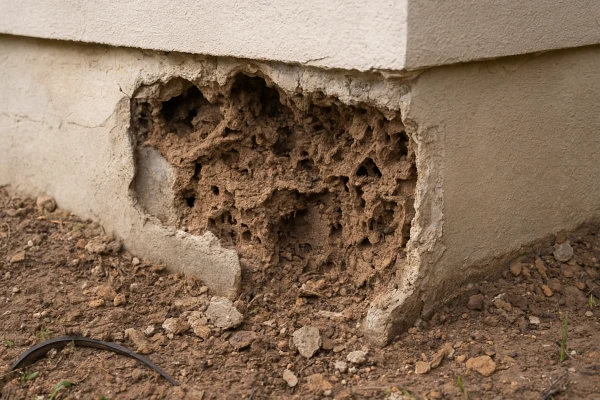
When you identify any of these warning signs, it’s crucial to address both the pest problem and any resulting structural damage. For foundation issues requiring professional intervention, consider consulting specialists in cracked foundation repair who can assess whether pest activity has compromised your home’s structural stability and recommend appropriate remediation strategies.
Preventing Pest Damage to Foundations
Prevention proves far more cost-effective than remediation. Implementing comprehensive pest prevention strategies protects your investment and maintains your home’s structural integrity.
Seal Entry Points and Foundation Gaps
Conduct thorough inspections to identify and seal cracks in concrete foundations using appropriate sealants. Install tight-fitting door sweeps on all exterior doors, and apply weather stripping around windows and door frames. Address hidden entry points around utility penetrations with expanding foam or specialized sealants designed for pest exclusion. Even small cracks deserve attention—keeping pests out requires eliminating every potential access point.
Control Moisture and Improve Drainage
Ensure proper drainage around your foundation by maintaining functional gutters, extending downspouts at least six feet from your home, and grading soil to slope away from foundation walls. Install vapor barriers in crawl spaces to reduce indoor humidity and create inhospitable conditions for moisture-loving pests. Repair plumbing leaks promptly, and use dehumidifiers in damp conditions to maintain indoor humidity below 50 percent.
Modify Landscaping Practices
Remove wood mulch from direct contact with foundation walls, replacing it with gravel or stone in a 12-inch band. Store firewood elevated and at least 20 feet away from your foundation. Keep tree branches trimmed back from exterior walls to eliminate pest highways and improve proper ventilation. Clear yard debris regularly, as decomposing organic matter attracts both wood-destroying pests and the moisture they need.
Eliminate Food Sources and Attractants
Store pet food in sealed containers, and never leave it accessible overnight. Keep trash cans with tight-fitting lids away from foundation walls. Clean up spills promptly and maintain sanitary conditions in storage space areas. These simple housekeeping practices reduce the food sources that sustain pest populations and prevent the full-blown infestation that occurs when pests find everything they need in one location.
Use Treated Wood and Resistant Materials
When constructing additions or making repairs, specify treated wood rated for ground contact near foundation areas. Consider alternative foundation materials like steel or composite products that pests cannot consume or tunnel through. While concrete foundation slabs resist direct pest damage, ensure they’re properly sealed at joints and penetrations to prevent pest intrusion.
Repairing Foundation Damage Caused by Pests
Once pests have compromised your foundation or its supporting structures, professional intervention becomes necessary to restore structural integrity and prevent recurrence.
Professional Pest Elimination
Licensed pest control professionals employ targeted treatments to eliminate active infestations. Termite treatments may include liquid soil treatments creating barriers around foundations, bait systems that eliminate entire colonies, or fumigation for severe infestations. Carpenter ant control requires identifying and treating both primary and satellite colonies. Professional exterminators also provide documentation of treatment for future property transactions.
Structural Repairs and Restoration

After pest eradication, assess the extent of structural damage with qualified foundation specialists. Damaged wooden beams may require sistering or complete replacement. Compromised foundation walls might need steel reinforcement, carbon fiber strapping, or underpinning to restore load-bearing capacity. At PowerLift Foundation Repair, we utilize synchronized hydraulic lifting systems and steel piers driven to bedrock to stabilize foundations compromised by pest activity and other factors. Our engineered solutions provide lifetime performance backed by comprehensive warranties.
Preventive Treatments and Barriers
Following repairs, implement preventive measures to prevent termites and other pests from returning. Physical barriers like metal flashing, sand barriers, or treated zones around foundations deter pest access. Chemical barriers applied during construction or as post-construction treatments provide long-term protection when maintained according to manufacturer specifications.
Long-Term Foundation Maintenance Strategies
Protecting your investment requires ongoing vigilance and proactive maintenance that addresses both structural concerns and pest prevention.
Regular Inspection Schedules
Establish a routine to regularly inspect your foundation’s exterior at least quarterly, looking for new cracks, moisture issues, or pest evidence. Schedule annual professional inspections by qualified foundation specialists who can identify subtle problems before they become emergencies. Document inspection findings with photographs and maintain records of all treatments and repairs.
Seasonal Maintenance Tasks

Each season brings specific maintenance requirements. Spring demands gutter cleaning and drainage verification as snow melts. Summer heat creates soil shrinkage, requiring consistent watering to maintain soil moisture near foundations. Fall necessitates removing fallen leaves and yard debris that create pest habitat. Winter inspections should focus on indoor spaces like crawl spaces, where pests seek warmth.
Professional Foundation Care by Powerlift
At PowerLift Foundation Repair, we recommend professional foundation assessments every 3-5 years, even when no obvious problems exist. Our experts evaluate drainage systems, identify developing cracks before they widen, and assess soil conditions that might predict future settling. Early intervention with our steel pier systems and synchronized lifting technology prevents small issues from escalating into major structural failures requiring extensive and costly repairs.
We serve homeowners throughout Oklahoma, Arkansas, North Carolina, and Tennessee with engineered solutions designed for maximum elevation recovery and lifetime performance. Our steel piers are driven through unstable soils to bedrock or true load-bearing strata, providing the permanent stability your home deserves. Contact us today at 800-562-5438 for a FREE estimate and discover why engineers, homeowners, realtors, and repair professionals trust PowerLift for foundation solutions.