

How Winter Actually Affects Your Foundation
The cold months bring conditions that can cause foundation movement, new cracks, and even structural damage.
Here are the main things happening to the ground beneath your home:
1. Soil will freeze and expands
This is known as frost heave. As the ground expands, it pushes against your foundation walls and concrete. The pressure can cause foundation cracks and can even force your home to settle unevenly.
2. Soil contracts when it thaws
As the frozen ground thaws, the soil contracts and leaves gaps beneath the foundation. These gaps allow your home to shift or sink.
3. Melting snow increases water flow
If you do not direct water away from the house properly, it will soak into the ground around your foundation. Too much moisture plus freezing temperatures means even more soil expansion and more strain on the concrete.
4. Frost line shifts throughout the season
The frost line is the depth at which the ground freezes. When this depth changes throughout the winter months, it causes repeated movement in the soil. Repeated movement equals greater risk to your house’s foundation.
All of this can lead to cracks, shifting, and long-term stability issues if you do not take preventative measures early.
The Importance of Proper Drainage Before Winter
Every home needs a working drainage system long before the first snowy day arrives.
When water cannot drain properly, the ground becomes saturated. When that saturated soil freezes, it expands dramatically. This can push against your foundation with surprising force.
Things to look out for:
- clogged gutters
- downspouts draining too close to the house
- low spots around your foundation
- old or damaged drain systems
- improper grading that with settling water near your walls
Before winter approaches, look around your foundation to make sure water is flowing away from your house and not collecting next to it.
Cleaning gutters and downspouts is one of the simplest steps you can take. Gutters full of debris allow water to spill over and pool around your foundation. This becomes a major risk when freezing temperatures arrive.
If you notice low spots in your yard, fill them with soil or gravel to prevent water from pooling. Even small dips can lead to ongoing moisture problems during the winter months.
The Role of Foundation Repairs Before the Cold Sets In
Small cracks in your foundation may not seem serious during the warmer months. Once winter sets in, those cracks can grow much faster. Water slips into even tiny openings, and when it freezes, it expands and forces the cracks wider.
That is why foundation repairs before winter are so important. Fixing and sealing cracks early can prevent them from becoming larger structural issues.
Powerlift specializes in foundation repairs that stabilize the structure, straighten shifting walls, and protect the foundation from water intrusion.
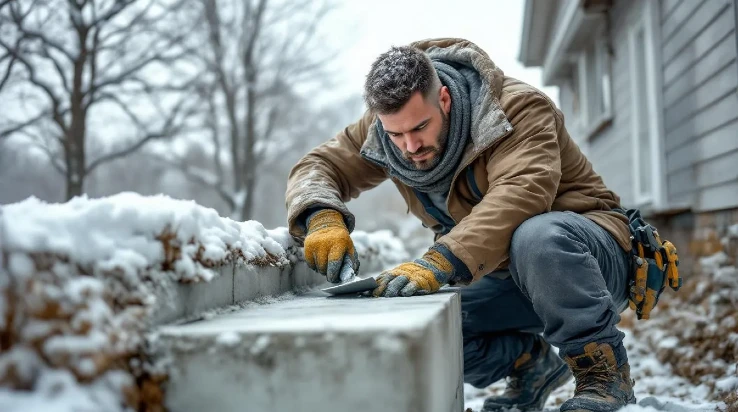
When cracks are repaired professionally, freezing temperatures become far less of a threat.
This leads us to your linking keyword placement:
Many homeowners who wait too long end up needing more complex foundation repair later on, especially if the damage spreads.
Why Regular Inspections Make a Big Difference
Foundation issues do not always start with dramatic signs. A small hairline crack, a sticking door, or a tiny gap along a window frame can be one of the early warning signs that the foundation is shifting.
When winter arrives, these small issues can become bigger problems. That is why regular inspections during the fall are essential. A trained eye can spot potential issues long before they become costly repairs.
Here are common signs to watch for before winter:
- new cracks in walls or floors
- sticky doors or windows
- gaps between walls and trim
- moisture around foundation walls
- soil pulling away from the home
- uneven areas on floors
- water intrusion in the basement or crawl space

If you spot any of these, it is time to take proactive steps.
How Soil Movement Creates Problems in Winter
You might not think much about the ground your house sits on, but during winter, it is constantly expanding and contracting. This creates repeated pressure changes around your foundation.
Clay soil, which is common in many areas, can hold a huge amount of moisture. When clay soil freezes, it expands rapidly and puts stress on your foundation walls. When it thaws, it leaves pockets of space beneath the foundation.
Over time, this cycle can cause:
- cracks
- foundation settlement
- uneven floors
- bowed walls
- sticking doors
The colder the winter, the more aggressive the soil movement can be.

Preventative Measures Every Homeowner Should Take Before Winter
Preparing your foundation for winter does not have to be complicated. A few simple steps go a long way toward preventing foundation damage.
1. Check grading around your foundation
You want water to slope away from your home, not toward it. Notice low spots and fill them before winter.
2. Clean gutters and downspouts
Remove leaves, twigs, and debris. Water should not overflow or pool around your foundation.
3. Direct water away from the house
Extend downspouts or install a French drain system if necessary.
4. Seal foundation cracks
Even small cracks can allow water intrusion. Sealing them before winter reduces the risk of frost expanding them.
5. Inspect windows and doors
Look for gaps or sticking. These can signal foundation movement or allow cold air inside.
6. Check your drainage system
If your drainage system struggles during rain, it will struggle even more once the ground begins to freeze.
7. Take care of any moisture issues
Moisture around your foundation during the fall often becomes ice in the winter.
8. Schedule a foundation inspection
Foundation repair specialists can detect early problems and recommend the right fixes.
These proactive steps help keep your foundation stable throughout the colder months.
Why Foundation Problems Get Worse in Winter
Winter is not the time when foundation issues begin. Instead, it is the time when existing problems get worse. Cracks grow, walls shift, gaps widen, and moisture becomes ice that puts pressure on the structure.
Here is what winter does to existing damage:
- pushes cracks wider
- makes gaps along windows and doors more noticeable
- turns moisture into ice that expands inside concrete
- causes the ground to pull away from the foundation as it freezes
- increases the risk of water intrusion when temperatures rise again
This is why fall is the best time to check for potential issues and fix anything that could grow worse in the coming months.
The Right Time To Prepare Is Before Winter Starts
Foundation maintenance in the fall is all about staying ahead of the problems winter creates. Preparing early gives your home a much better chance of staying stable and dry.
When you take the right steps before winter arrives, you help:
- Protect your home’s foundation
- reduce the chance of structural issues
- prevent water intrusion
- keep cracks from spreading
- avoid costly repairs down the line
Your home relies on a strong, stable foundation. Winter weather puts that stability to the test more than any other season.