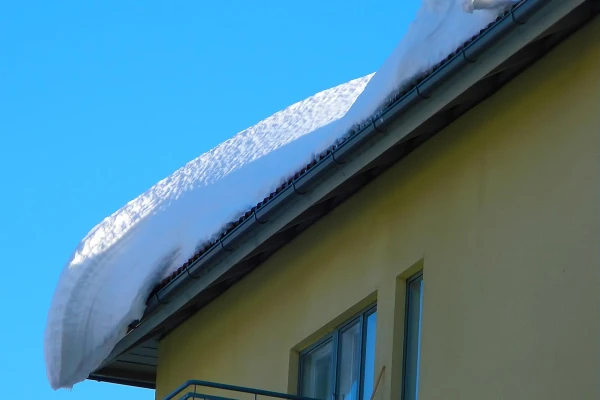
When freezing temperatures hit your area, your foundation quietly takes the impact. Cold weather does far more than make your roof frosty or your driveway slippery. It affects the ground beneath your home, shifts the soil, and creates pressure against concrete foundations. The freeze-thaw cycle can turn tiny cracks into bigger problems and can cause soil movement that puts stress on your entire structure.
At Powerlift, we help homeowners understand how cold weather and winter damage can affect a house foundation so they can stay ahead of these issues before they grow into costly repairs. If you live in areas prone to freezing, dry spells, or extreme temperature swings, this topic matters more than you think.
Let’s explore how freezing temperatures affect your home’s foundation, the early warning signs, and the solutions that can protect your property from serious damage.

How Freezing Temperatures Affect Your Foundation
Winter weather impacts your foundation in ways that are easy to overlook. The biggest culprit is the freeze-thaw cycle.
The freeze-thaw cycle occurs all winter long
Here is what happens during a freeze-thaw cycle:
- Water absorbs into the soil around your foundation.
- Temperatures drop below the freezing point.
- That water freezes and expands.
- Soil expands and pushes against your foundation walls.
- Temperatures rise.
- Ice melts, and the soil contracts.
Then the process repeats.
When this cycle happens again and again throughout the winter months, it creates pressure changes on foundation walls, basement walls, concrete foundations, crawl spaces, and slab foundations.
Over time, this repeated stress can cause foundation cracks, uneven floors, sticking doors, and other structural issues.
Clay soil makes winter damage worse
Clay soil absorbs water easily. When clay soil freezes, it expands dramatically. When it thaws, it shrinks. These changes cause soil movement that puts pressure on a house foundation and can cause damage even in newer homes.
Saturated soil increases pressure
When the soil around your home stays wet for too long, it becomes saturated. Saturated soil expands more aggressively when it freezes. This raises the frost line and increases pressure against concrete slab and basement foundations.
Dry spells and summer heat matter too
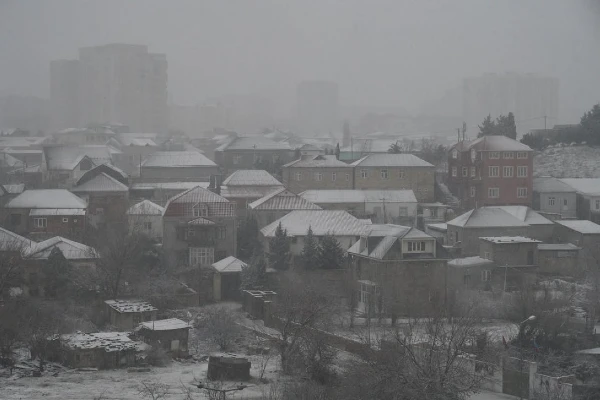
Hot weather and long dry spells in summer can cause the ground beneath your home to shrink. When winter arrives and moisture returns, the soil expands again. These constant shifts weaken concrete strength and make your foundation more vulnerable.
The Most Common Types of Foundation Damage Caused by Cold Weather
Cold weather damage shows up in several ways. Some signs are obvious, and others hide quietly until you start noticing subtle changes in your home.
1. Foundation cracks
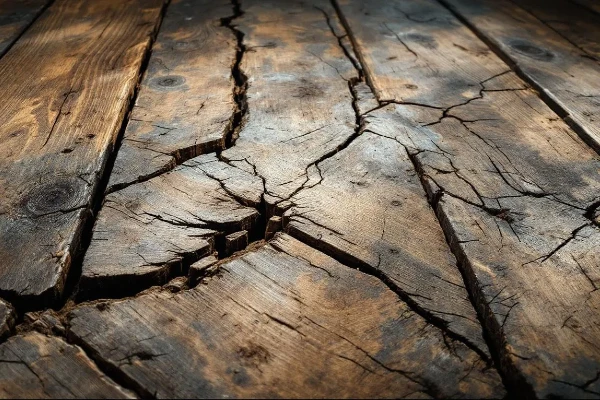
Both vertical cracks and small cracks can appear when soil expands and contracts. Even tiny cracks become bigger when water freezes inside them and expands.
2. Uneven floors
Soil movement shifts the structure and leads to uneven floors. You may notice furniture not sitting level or floors feeling slightly wavy.
3. Sticking doors and windows

If the frame becomes slightly twisted due to shifts in the foundation, doors and windows begin to stick or fail to close properly.
4. Basement and crawl space moisture issues
Water infiltration becomes more common during winter when ice formation pushes moisture into cracks or gaps.
5. Concrete slab settlement
Slab foundation homes often experience movement during winter because the soil beneath them expands and contracts repeatedly.
6. Hydrostatic pressure
Hydrostatic pressure increases when groundwater freezes and expands. This pressure pushes against the walls of your basement foundation and can cause bowing or cracking.
Why Proper Drainage Matters in Cold Weather
Poor drainage makes winter foundation damage worse. When water pools around your house, freezes, and expands, the pressure can wreak havoc on your foundation.
If you want to prevent cracking, your home needs proper drainage before cold weather arrives.
Here is what you should check:
- clear debris from gutters
- extend downspouts
- check drainage systems for blockages
- fix grading issues around your foundation
- watch for water pooling on the surface
- check crawl space moisture levels

A drainage system that directs water away from the home keeps soil movement under control and helps maintain consistent soil moisture around the structure.
Foundation Types and How They Handle Winter Weather
Cold climates affect different foundation types in different ways.
Slab foundation
Concrete slab homes often experience frost line movement beneath the slab. Soil freezes and expands upward, then contracts. This can lead to uneven areas or cracks in the slab.
Crawl space foundation
Crawl spaces often deal with moisture issues, cold air, and ice formation. These conditions can lead to winter damage if the space is not protected.
Basement foundation
Basement walls take on hydrostatic pressure from saturated, frozen soil. This can create cracks or push the walls inward.
Concrete foundations
Concrete foundations overall are strong, but concrete absorbs water. When temperatures drop, water inside the pores freezes and expands. Over time, this can weaken the concrete.

Every home needs frost protection, proper insulation, and consistent temperature control to minimize freeze-thaw damage.
Winter weather creates pressure changes that affect even the strongest foundations. That is why so many homeowners in cold climates choose the powerlift system. It provides long-term stability by supporting your foundation at deeper, load-bearing layers where soil movement is minimal. This keeps your home steady even when temperatures fluctuate or soil freezes and contracts.
Warning Signs Your Foundation Is Struggling in Winter
If your foundation is under stress from cold weather, your home will give you clues. Watch for these warning signs:
- cracks in walls or floors
- gaps near windows or doors
- sticking doors
- small cracks growing wider
- uneven floors
- moisture inside the basement or crawl space
- cold air coming through cracks
- frost inside crawl spaces
- water pooling near the house
These signs can begin quietly. The sooner you address them, the easier the repair process will be and the less likely you are to face costly repairs later.
How to Prevent Freezing Temperatures From Damaging Your Foundation
Here are practical steps you can take to protect your home when temperatures drop.
1. Improve drainage around your home
Proper drainage is key to preventing saturated soil.
2. Seal cracks before winter
Even small cracks expand when water freezes inside them.
3. Add proper insulation
Proper insulation helps keep your crawl space and basement foundation at a more consistent temperature.
4. Maintain consistent soil moisture
Do not let the soil become extremely dry in summer or overly wet during winter.
5. Keep gutters clear
Clear debris so water flows away instead of soaking the ground.
6. Direct water away from the home
Downspouts should discharge several feet away from the foundation.

7. Protect crawl spaces
Crawl space insulation can help prevent freezing and moisture buildup.
8. Schedule an inspection
Foundation experts can identify minor issues before they turn into major problems.
Why Winter Foundation Problems Should Not Be Ignored
Cold-weather foundation damage rarely improves on its own. When temperatures fluctuate, cracks grow, gaps widen, and soil continues to shift.
Here is why you should not wait:
- small cracks turn into larger problems
- soil movement continues all season
- hydrostatic pressure increases
- poor drainage becomes worse during thawing
- repairs become more expensive the longer you wait
Minor issues are easiest to fix before they become serious.
How Powerlift Helps Protect Your Foundation in Freezing Temperatures
Powerlift specializes in foundation repair that addresses cold-weather damage and soil movement. Our team understands how freezing temperatures affect the ground beneath your home and knows the right repair methods for each foundation type.
We help homeowners with:
- crack repair
- drainage solutions
- structural issues
- uneven floors
- slab settlement
- crawl space repairs
- long-term stability solutions
When cold weather puts pressure on your foundation, Powerlift is ready with a solution that lasts.
Protect Your Foundation Before Winter Hits
Freezing temperatures have a bigger impact on your foundation than most homeowners realize. The freeze-thaw cycle, soil expansion, water infiltration, and hydrostatic pressure all work together to create structural issues if they are left unaddressed.
If you want to protect your home’s foundation from winter damage, now is the time to act. Do not wait for small cracks to become bigger. Do not ignore sticking doors or uneven floors. Powerlift is here to help you prevent further damage and keep your home stable through the toughest weather conditions.
Contact Powerlift today for a free evaluation. Our foundation experts will help you protect your home, fix existing problems, and keep your foundation steady throughout the winter season.