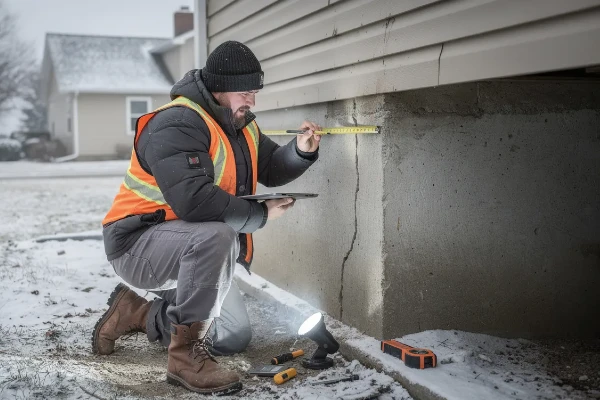
Winter has a way of exposing problems that were easy to ignore during warmer months. When temperatures drop, soil freezes, moisture expands, and foundation issues that once seemed minor can quickly turn into costly repairs. That is why knowing how to spot foundation problems before winter arrives is one of the smartest moves a homeowner can make.
At Powerlift, we help homeowners take a proactive approach to foundation care. The perfect time to inspect your home’s foundation is during fall, before cold weather, snow, and ice begin to place extra stress on the structure. Spotting early warning signs now can save you from expensive repairs in the spring.
Why Foundation Inspection Before Winter Is Crucial
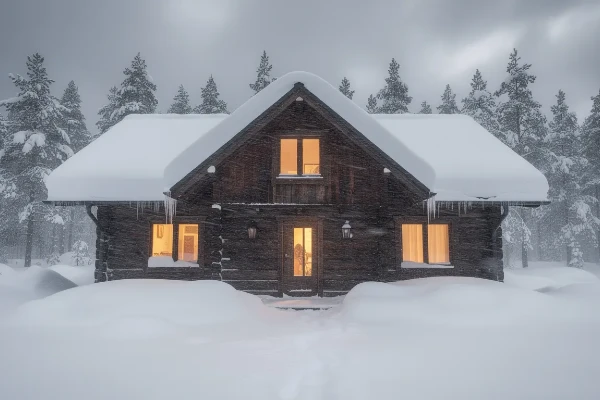
Winter creates the toughest conditions for your foundation. When the ground freezes, the soil beneath your house expands and shifts. This movement places pressure on foundation walls and concrete slabs. If foundation concerns already exist, winter months can worsen them quickly.
A foundation inspection; winter scheduling by homeowners helps address issues before freezing temperatures amplify them. Waiting until spring to fix foundation problems typically means facing worse damage and higher repair costs.
Foundation inspections help identify:
- Early signs of foundation movement
- Cracks that may worsen during winter
- Areas at risk for water intrusion
- Structural issues that could affect stability
Catching these problems early protects your home’s structural integrity and keeps repairs manageable.
Common Causes of Foundation Problems Before Winter
Understanding what leads to foundation damage makes it easier to spot the warning signs. Some of the most common causes include:
- Soil shifting due to moisture changes
- Foundation settlement over time
- Poor drainage allowing water to collect near the foundation
- Melting snow soaking into the ground around the house
- Cold weather causing the ground to freeze and expand
- Cracks that allow moisture to seep into concrete
Even homes that appear stable can develop foundation issues if these conditions are present.

Signs of Foundation Problems to Watch For
Your home often tells you when something is wrong. Knowing what signs of foundation issues look like helps you act before winter makes them worse.
Cracks in Walls or Floors
Cracks are one of the most obvious signs of foundation damage. Small hairline cracks can be normal, but widening cracks, stair-step cracks, or cracks that reappear after repair can signal foundation movement.
Check interior walls, exterior walls, basement walls, and floors for new or expanding cracks.
Uneven Floors
If floors feel sloped or uneven, this may indicate foundation settlement. Uneven floors often become more noticeable as temperatures drop and soil shifts beneath the house.
Doors and Windows That Stick
When foundation movement occurs, door and window frames can shift. If you notice doors that do not close properly or windows that suddenly stick, this could be a sign of foundation problems.
Gaps Around Doors and Windows
Gaps between walls and door frames or windows may indicate shifting in the structure. These gaps often grow larger during winter months.
Leaning Walls or Chimney

Leaning walls or a leaning chimney are serious warning signs of foundation damage. These issues require professional inspection immediately.
Water Intrusion and Moisture Issues
Water intrusion in basements or crawl spaces is a leading cause of foundation concerns. Moisture combined with freezing temperatures can worsen foundation damage rapidly.
How Winter Makes Foundation Issues Worse
Winter does not usually create foundation problems from scratch. Instead, it magnifies existing issues.
Here is what happens when cold weather arrives:
- Ground freezes and expands
- Soil shifts and applies pressure to foundation walls
- Existing cracks widen as moisture freezes inside them
- Foundation movement becomes more severe
- Structural issues spread throughout the house
Foundation problems that might seem manageable in fall can become expensive repairs by spring if left unaddressed.
Why Fall Is the Best Time for Foundation Inspection
Fall offers ideal conditions for inspecting your foundation. The ground is still accessible, temperatures are moderate, and damage from winter has not yet occurred.
Scheduling a foundation inspection before winter allows homeowners to:
- Assess foundation stability
- Address cracks and moisture issues
- Plan foundation repair without emergency pressure
- Avoid dealing with contractors during peak winter demand
Waiting until winter or spring often means dealing with worsening damage and fewer scheduling options.
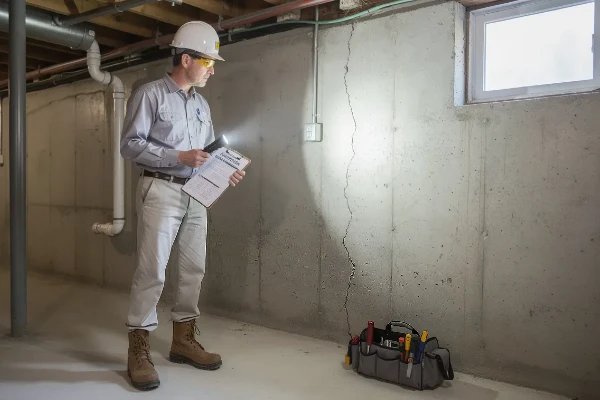
Professional Foundation Inspection vs DIY Checks
While homeowners can spot visible signs, a professional foundation inspection provides a deeper assessment. Foundation contractors use experience and tools to evaluate foundation walls, floors, soil conditions, and structural integrity.
A professional inspection can determine:
- Whether cracks are cosmetic or structural
- The cause of foundation movement
- Risk areas for winter damage
- The right repair approach for your specific situation
Working with a trusted foundation company like Powerlift gives you clear answers and reliable solutions. When foundation settlement or voids beneath concrete are identified early, high density polyurethane foam injection can be an effective solution. This method stabilizes the ground beneath the foundation, lifts settled areas, and helps restore stability before winter freeze cycles make the damage worse.
Foundation Repair Options Before Winter
Not all foundation problems require major repairs, especially when caught early. Common foundation repair options include:
- Crack sealing to prevent moisture intrusion
- Drainage improvements to manage water flow
- Soil stabilization to reduce movement
- Structural support for settling foundations
Early repairs significantly reduce the risk of further damage during winter months.
The Cost of Waiting Too Long
Ignoring foundation problems often leads to expensive repairs. What begins as a minor crack or small settlement issue can escalate into major structural damage.
Winter can cause:
- Larger cracks
- Increased foundation movement
- Mold growth due to moisture
- Greater repair complexity
Addressing foundation issues before winter is one of the most cost-effective decisions homeowners can make.
What Homeowners Should Do Before Winter
Here are proactive steps to take before temperatures drop:
- Schedule a foundation inspection
- Check for cracks around the house
- Monitor doors and windows for changes
- Inspect crawl spaces and basements for moisture
- Address drainage issues around the site
- Contact a foundation professional for expert advice
Taking these steps helps protect your home and reduces the risk of winter damage.
How Powerlift Helps Homeowners Prepare
Powerlift specializes in foundation inspections and foundation repair services designed to protect homes through winter and beyond. Our team understands how cold weather, soil shifting, and moisture affect foundations.
We help homeowners by:
- Identifying foundation concerns early
- Offering tailored repair solutions
- Providing professional inspections
- Preventing costly repairs through proactive work
Our hard work focuses on long-term stability, not quick fixes.
Do Not Wait Until Spring
Many homeowners wait until spring to deal with foundation issues. By then, winter damage has already occurred. Cracks widen, floors shift, and repairs become more expensive.
Fall is the perfect time to inspect, assess, and address foundation problems. Acting now gives your home the protection it needs before winter sets in.
Partner With Powerlift for Foundation Protection
Spotting foundation problems before winter can make all the difference for your home. Cold weather, freezing temperatures, and soil movement place extra stress on foundations that already have potential issues.
By scheduling a foundation inspection, addressing early signs, and working with experienced contractors, homeowners can protect their house from further damage and costly repairs.
If you have noticed cracks, uneven floors, sticking doors, or moisture issues, do not wait. Contact Powerlift today to schedule an inspection and take proactive steps to protect your foundation before winter arrives.