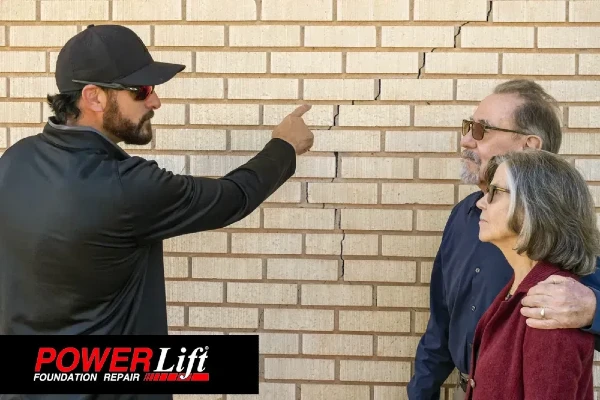
Did you know that drought conditions can wreak havoc on your home’s foundation? Drought can cause damage in ways that many homeowners don’t realize until the damage is already done. If you’ve noticed cracks in your walls, sloping floors, or doors and windows that no longer close properly, you might be dealing with foundation issues caused by drought stress impacting your home’s foundation.
Related Article: Preventing Home Foundation Issues
At Powerlift, we specialize in residential foundation repair and understand how severe drought can lead to significant foundation damage. When soil moisture levels drop, the ground beneath your home shifts, leading to sloping floors, foundation cracks, and other expensive repairs.
So, what exactly happens to your home’s foundation during a drought? Let’s break it down.

The Impact of Severe Weather Conditions like Drought
When soil moisture levels drop, the soil underneath your property can shrink, causing the foundation to settle, sink, or shift. This can lead to a range of problems, including foundation cracks, sloping floors, and soil settlement. Understanding the impact of drought on foundations is crucial for homeowners to take proactive measures to prevent damage and ensure the safety and comfort of their home.
What Happens to Your Foundation During a Drought?
When drought conditions persist, the soil underneath your home begins to dry out and shrink. This is especially true for homes built on expansive soil, which swells when wet and contracts when dry. As the soil shrinks away from your foundation, it creates gaps that compromise the stability of your house. This movement leads to differential settlement, causing some parts of the home to sink while others remain in place.
Tree roots searching for moisture can further contribute to foundation issues by drawing even more water from the soil beneath your home. When rain finally returns, the soil expands again, creating additional shifts that can result in serious issues.
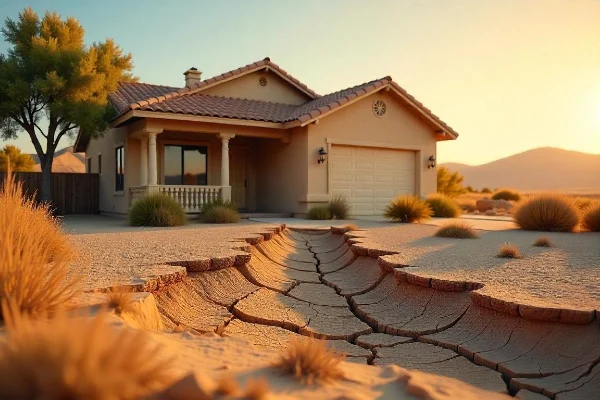
Ignoring these issues can lead to extensive foundation repairs, which can be costly and time-consuming.
Signs That Drought Is Damaging Your Foundation
The effects of drought on a foundation don’t always appear overnight. However, if you notice any of these warning signs, it’s time to take action before the problem gets worse:
1. Cracks in Walls, Floors, and Foundation
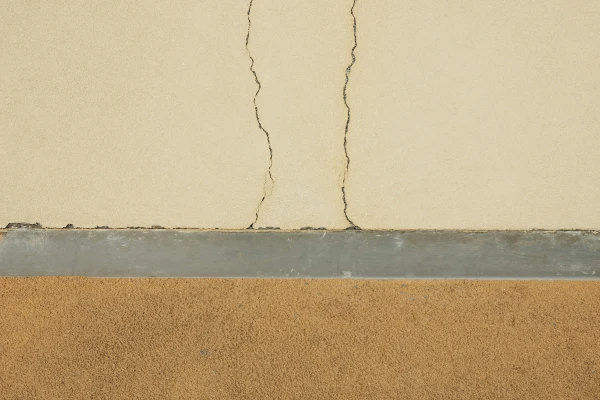
One of the earliest signs of foundation damage is cracking. Look for:
- Horizontal cracks along foundation walls
- Stair-step cracks in brickwork
- Large cracks in your driveway or basement
These cracks indicate that the foundation is shifting as the soil changes, dries out and shrinks.
2. Sloping or Uneven Floors
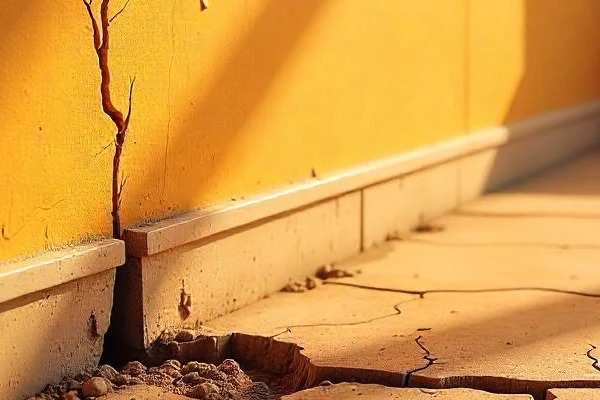
If your floors feel uneven or you notice gaps forming at the baseboards, your foundation may be settling unevenly. This can lead to more serious structural problems down the road.
3. Doors and Windows Sticking or Misaligned
Changes in soil moisture can cause foundation walls to shift, affecting door and window frames. If your doors and windows suddenly won’t close properly or feel stuck, the foundation might be moving.
4. Gaps Between Walls and Ceilings
Foundation movement can lead to gaps forming where walls meet ceilings or floors. If you notice spaces developing, it’s a sign that something is happening underground.
5. Cracked Driveways and Walkways
Drought stress doesn’t just affect your home’s foundation; it can also cause significant damage to concrete driveways, sidewalks, and patios. Large cracks indicate soil shrinkage and movement underneath.
For more information on signs of foundation problems, click here.
Why You Shouldn’t Ignore Foundation Issues
Ignoring foundation issues caused by drought can lead to costly foundation repairs in the long run. If left unaddressed, the foundation may continue to shift, causing:
- More extensive cracking in walls and floors
- Plumbing issues due to broken pipes beneath the house
- Crawl space and basement damage from unstable soil
- Increased flooding risk when the soil re-expands after heavy rain
Addressing foundation problems early helps avoid costly foundation repairs and prevents structural damage that can put your home at risk.
How to Protect Your Foundation from Drought Damage
Fortunately, there are steps homeowners can take to minimize the effects of drought on their foundation. Here are some of the best ways to protect your home:
1. Maintain Consistent Soil Moisture
Using a soaker hose around the perimeter of your home can help keep the soil from drying out too quickly. Watering the ground during dry spells helps prevent soil shrinkage and reduces the risk of foundation movement.
2. Plant Strategically
Tree roots can remove large amounts of moisture from the soil, causing it to shrink. Avoid planting trees too close to your home’s foundation, and consider using root barriers to limit their impact.

3. Conduct Regular Inspections
Keeping an eye on your foundation, walls, and floors can help you catch early signs of drought damage before they turn into major problems.
4. Check for Broken Pipes
Leaks from underground pipes can make foundation problems worse by creating wet and dry cycles in the soil. If you suspect a leak, have a professional inspect your plumbing system.
5. Improve Drainage Around Your Home
Even though drought dries out the soil, heavy rains that follow can lead to sudden soil expansion. Proper drainage helps prevent water from pooling around your foundation, reducing the risk of future issues.
What Happens to Your House After the Drought Ends?
When the drought ends and heavy rainfall returns, the soil beneath the foundation can expand, causing further damage to the foundation. This can lead to new cracks forming, allowing moisture to enter the basement or crawl space, and potentially causing flooding.
Excess humidity can also develop throughout the home, leading to mold and mildew growth. It’s essential for homeowners to inspect their foundation after a drought to identify any damage and take prompt action to address it. Foundation repair solutions, such as foundation piers and wall anchors, can help address existing damage and prevent further problems.
When to Call a Foundation Repair Expert
If you suspect foundation damage due to severe drought, it’s important to act quickly to avoid extensive foundation repairs. Powerlift specializes in foundation repair and can assess the extent of the damage, recommend solutions, and provide expert repairs to restore your home’s stability.
Common foundation repair methods include:
- Underpinning using piers or piles to support a sinking foundation
- Installing solid blocking to strengthen weakened areas
- Concrete wall and footing stabilization to reinforce structural integrity
Foundation damage doesn’t fix itself. If you notice signs of shifting, cracking, or settlement, call Powerlift for a professional assessment.
If you’ve noticed cracks or uneven floors, it’s time to take action. Powerlift is here to help with expert residential foundation services that repair your home from drought-related damage.
Contact Powerlift today for a foundation inspection and get ahead of the problem to avoid costly repairs. Let’s keep your home standing strong—no matter what the weather conditions!