

At Powerlift Foundation Repair, we’ve been helping Oklahoma homeowners stay on solid ground for decades. One thing we know for sure? Rain can do more damage than you might think, especially to your home’s foundation. Whether you have a slab foundation, a pier and beam foundation, or something in between, heavy rain isn’t just a nuisance. It can lead to foundation damage, soil movement, and some costly problems if you’re not careful.
Let’s talk about how rain affects your foundation, why heavy rain spells trouble for the soil beneath your house, and how you can spot early signs before they turn into major repairs.
Why Rain is a Big Deal for Your Foundation
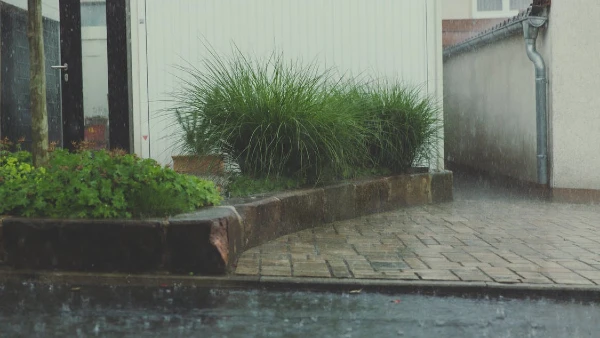
It all starts with the soil surrounding your home. Here in Oklahoma, a lot of us are dealing with clay soil. That’s important because clay acts like a sponge. When it rains, the clay soaks up water and expands. When things dry out, it shrinks back down.
This constant swelling and shrinking puts enormous stress on your home’s foundation. It’s not just a little pressure—it’s called hydrostatic pressure, and it’s strong enough to push against basement walls, cause foundation cracks, and shift the very ground under your house.
And when that happens? You get foundation issues, notice cracks inside and outside, and possibly even deal with standing water in your crawl space or basement. All from a few heavy storms!
How Soil Movement Leads to Damage
When the soil beneath your home gets soaked, it can’t hold everything up the way it’s supposed to. Soil movement, especially after heavy rains, can cause your foundation to settle unevenly.

If you’ve got a pier and beam foundation, water can pool around the beams, leading to wood rot, mold, and sagging floors. If you’re working with a slab foundation, the shifting ground can cause cracks right through the concrete.
Not only is this a recipe for structural damage, but it can also open your home up to moisture, mold, and even pests.
Signs That Rain Is Hurting Your Foundation
So, how do you know if the weather is quietly wrecking your house? Keep an eye out for these signs after a period of heavy rain:
- Notice areas where doors and windows start sticking or won’t close properly
- Hairline cracks appearing in the interior or exterior walls
- Foundation cracks or larger gaps outside
- Water pooling near the house, especially close to the crawl space or basement
- A musty smell (hello, mold) creeping into the lower parts of your house
- Sloping floors or uneven surfaces
- Visible damage to the corners of your home
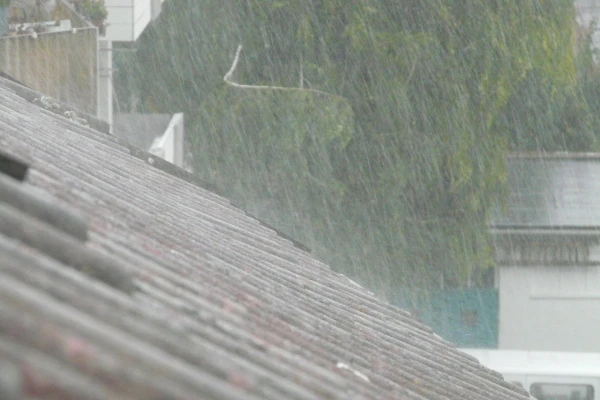
None of these signs means your house is doomed. But they’re definitely a signal that water—and the soil surrounding your foundation—might be causing problems.
And if you’re already spotting issues, you might need professional cracked foundation repair to get things back on track before they get worse.
The Role of Hydrostatic Pressure
Here’s where it gets a little technical but super important. When rainwater soaks into the ground, it creates hydrostatic pressure water builds against your foundation walls. That pressure pushes in all directions.
Over time, hydrostatic pressure can lead to serious foundation issues, even if you don’t notice anything at first. Tiny hairline cracks might seem harmless, but they open the door for even more water to get inside. Eventually, you could be facing bowing basement walls, broken support beams, and structural nightmares.
Slab Foundation vs. Pier and Beam Foundation: What Rain Does to Each
No matter what kind of home you have, rain can do a number on your foundation:
Slab Foundations
- Heavy rain impact can cause the ground underneath to soften and shift.
- The slab may crack under uneven pressure.
- Water can seep into the cracks, worsening the problem over time.
Pier and Beam Foundations
- Water buildup can cause wood beams to rot.
- Mold and mildew grow fast in wet crawl spaces.
- The beams can shift or sink if the soil gets too saturated.
Either way, too much rain equals foundation damage if you’re not careful.
How to Prevent Foundation Damage from Rain
The good news? You don’t have to sit around worrying every time there’s a storm. There are real ways to prevent foundation damage caused by rain.
Here’s what we recommend at Powerlift:
- Install a perforated drain pipe (also called a French drain) to move rainwater away from your foundation.
- Make sure your gutters and downspouts are clear and redirect water at least 5 feet away from the house.
- Improve grading around your home so the ground slopes away from your foundation.
- Check for standing water after storms and deal with it right away.
- Use sump pumps in basements or crawl spaces to remove excess water.
- Schedule regular inspections—catch foundation issues early!
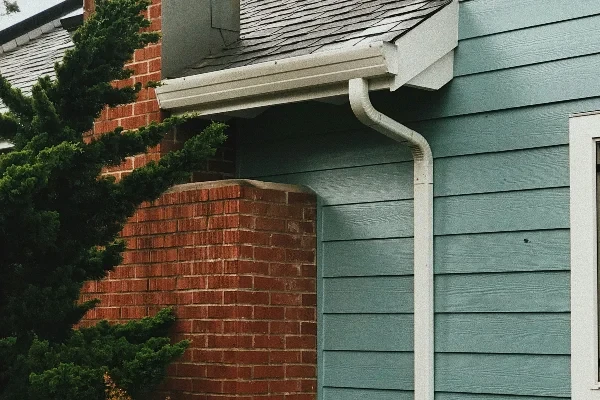
These small steps can make a big difference in protecting your house from rain damage and expensive repairs.
Why Trust Powerlift?
When it comes to cracked foundation repair, Powerlift is the team homeowners trust. We know how rain affects your foundation, and we know how to fix the problems before they turn into major disasters.
Whether you’re working with a slab foundation, pier and beam foundation, or something special, we have the tools, know-how, and experience to manage it. Plus, we love helping people protect their homes—it’s what we’ve been doing for years right here in Oklahoma.
When you call Powerlift, you’re getting more than a quick fix—you’re getting a long-term solution that keeps your structural integrity strong, rain or shine.
Don’t Let Rain Win—Protect Your Foundation Today

Heavy rains aren’t going to stop, but foundation damage doesn’t have to be part of your story. If you start to notice cracks, standing water, or weird door problems, don’t wait.
Powerlift is here to help you with honest inspections, real solutions, and the best cracked foundation repair services in town. Let’s catch those foundation problems before they grow into something bigger (and a lot more expensive).
Contact Powerlift Foundation Repair today for a free evaluation, and stay one step ahead of the next big storm.