

When winter rolls around and temperatures swing wildly between freezing and thawing, your home might be facing a hidden enemy: freeze-thaw cycles. At Powerlift, we’ve seen the damage this back-and-forth weather can do to your home’s foundation—and it’s no small matter. Let’s talk about how freeze-thaw cycles impact your home’s foundation, why they can cause foundation cracks, and how high-density polyurethane foam injection can help you stop the damage in its tracks.
What Are Freeze-Thaw Cycles?
Freeze-thaw cycles happen when moisture in the soil freezes as temperatures drop, then thaws when they rise again. The process of water freezing and thawing causes the soil to expand and contract, which can lead to cracks and shifts in the ground that damage foundations. Sounds simple, right? But here’s the catch: water expands when it freezes.

That repeated expansion and contraction can apply tremendous pressure on concrete, foundation walls, and the surrounding soil.
As these freeze-thaw cycles repeat, they start affecting your home’s foundation. And over time, the damage builds up. Concrete can crack. Soil shifts. Foundation materials weaken. And what started as a seasonal nuisance becomes a major structural issue.
How Freeze-Thaw Cycles Impact Foundations
When soil freezes, it expands—pushing against the foundation. When it thaws, it contracts—leaving gaps. This freeze-thaw action causes the ground to move. That movement leads to uneven settling, foundation cracks, and in worst cases, major structural damage.
You might notice:
- Cracks in walls or floors
- Sticking doors or windows
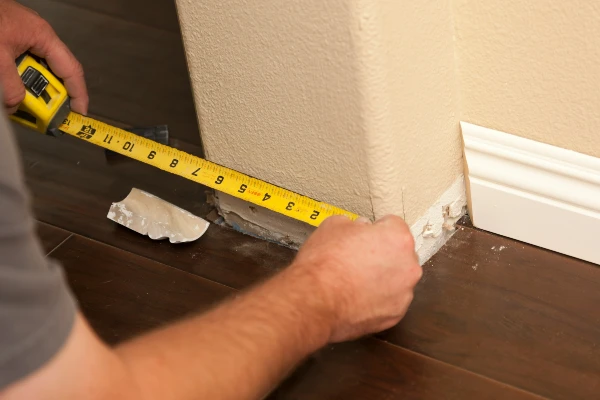
- Gaps around baseboards
- Sloping floors
All signs that your foundation could be suffering from freeze-thaw damage.
Even if you don’t see visible issues, freeze-thaw cycles can affect the long-term stability of your structure. They stress foundation materials over time, especially when poor drainage is in the mix. If water can’t move away from your home properly, the soil around it stays saturated. Then, when freezing temperatures hit, that trapped moisture becomes a serious threat.
The Role of Moisture and Poor Drainage
Water is the key player in freeze-thaw foundation damage. If your home doesn’t have proper drainage—like clean gutters, extended downspouts, or grading that moves water away—then freezing and thawing becomes a regular assault on your foundation.
Think about it: each time it rains or snow melts, moisture soaks into the soil. Then, when temperatures drop, the soil freezes and expands. When temperatures rise, it contracts and shifts again. That constant movement isn’t good for your home’s foundation—or your peace of mind.
Let’s not forget that poor drainage can lead to other water damage, too. Things like:
- Wet basements
- Cracking concrete
- Damp crawl spaces
- Mold and mildew
So it’s not just about cracks—it’s about protecting your whole structure.
Freeze-Thaw Cycles and Foundation Cracks
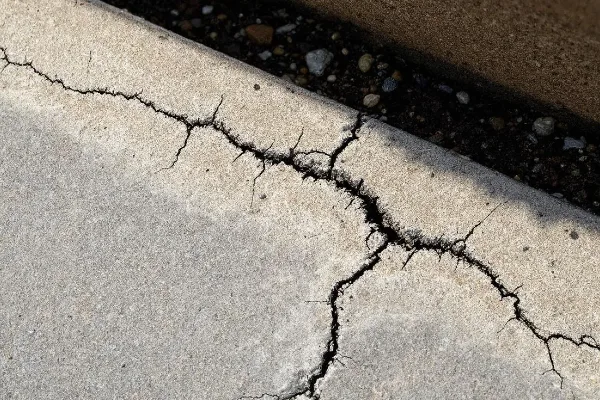
Cracks are one of the most common symptoms of freeze-thaw damage. When the soil freezes and expands, it pushes against foundation walls, often leading to horizontal cracking. When the soil thaws and shifts away, vertical cracks can appear.
While hairline cracks may seem harmless, they can grow quickly with repeated cycles of freezing and thawing. And once a crack forms, moisture can seep in, freeze, and expand—making the crack worse each time.
That’s why it’s so important to review your foundation regularly, especially in late fall and early spring. Catching signs early is key to avoiding larger problems later.
High-Density Polyurethane Foam Injection: A Modern Solution
Now here’s where Powerlift comes in. One of our best tools for repairing freeze-thaw foundation damage is high-density polyurethane foam injection. This technique is a game-changer for lifting, leveling, and stabilizing foundations—without major excavation or days of downtime.
Here’s how it works:
- Small holes are drilled in the affected area.
- High-density foam is injected beneath the foundation.
- The foam expands, filling voids and lifting the structure back into place.
- It hardens in minutes, creating a strong, stable base.
Because the foam resists water and won’t break down over time, it’s perfect for foundations suffering from freeze-thaw damage. It also helps seal cracks and prevent water from getting in again.
And let’s be honest—no one wants a muddy yard or construction mess. Foam injection lets us fix the problem with minimal disruption.
Signs You Need Foundation Repair
Not sure if freeze-thaw cycles have taken a toll on your home? Watch out for these red flags:
- Cracks in your foundation or basement walls
- Doors or windows that won’t close properly
- Floors that feel uneven
- Water pooling near your home’s foundation after rain
- Noticeable gaps between walls and ceilings or floors
These are all signs that freezing and thawing have caused some unwanted movement.
Why Acting Now Matters
Every year, we talk to homeowners who wait until the damage gets worse. The truth is, the longer you wait, the more extensive—and expensive—the repairs can be.
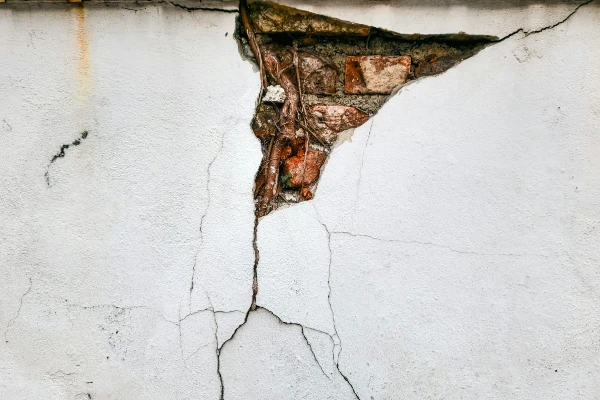
Freeze-thaw damage doesn’t go away on its own. Those cracks get bigger. That uneven settling becomes a risk to your home’s structure. And if poor drainage isn’t fixed, you’re basically inviting water and ice to wreak havoc again and again.
At Powerlift, we believe in fixing the issue before it snowballs. High-density polyurethane foam injection is a fast, reliable, and cost-effective way to repair damage and protect your foundation for years to come.
What You Can Do to Prevent Freeze-Thaw Damage
You can’t stop winter from coming—but you can take steps to reduce the risk of freeze-thaw damage. Here’s a quick list of preventative moves:
- Clean your gutters regularly to prevent overflow near your foundation
- Extend your downspouts at least 5 feet away from the house
- Inspect and seal cracks in your foundation before winter
- Check for standing water after rain
- Grade your yard to direct water away from the structure
- Improve insulation around foundation walls to reduce freezing near the home
By taking these steps, you’re helping prevent water from soaking into the ground and freezing. Less water = less pressure = fewer cracks.
When to Call in the Pros
If you suspect freeze-thaw cycles are starting to take a toll on your home, don’t wait for the next cold snap to act. It’s always a good idea to get a professional inspection, especially if you’re noticing new cracks, sticking doors, or shifting floors.
At Powerlift, we offer full foundation repair services backed by the latest in modern technology—including high-density polyurethane foam injection. We’re here to review your foundation, recommend the best fix, and help you avoid larger problems down the road.
We’ve worked with homeowners all across the area, and we know how to deal with the unique soil, moisture, and temperature issues that lead to foundation trouble.
Protect Your Foundation Before the Freeze
Freeze-thaw cycles aren’t just a weather pattern—they’re a real threat to your home’s foundation. But with the right preventative steps and tools like high-density polyurethane foam injection, you can protect your investment without major disruption.
Whether it’s reviewing your drainage setup, sealing early cracks, or lifting a sunken slab, Powerlift is ready to help. Let’s keep your foundation strong, stable, and safe—no matter how much the temperatures fluctuate.
Got questions or think your home is showing signs of freeze-thaw damage? Contact Powerlift today. We’ll take a look, give you honest feedback, and help you stop foundation problems before they grow.