

When winter hits and temperatures drop, your home’s foundation faces one of its greatest challenges. Foundation cracks caused by winter freeze are among the most common and potentially damaging issues homeowners encounter during the cold months. Understanding how below 32 degree temperatures affect your foundation and knowing the warning signs of trouble can help you protect your home from serious damage.
At Powerlift, we see first-hand how snowy weather can impact foundations through freeze-thaw cycles, soil movement, and water infiltration. Our experienced foundation specialists help homeowners identify early warning signs and provide proven repair solutions before minor cracks turn into costly structural problems.
How the Freeze Thaw Cycle Affects Your Foundation
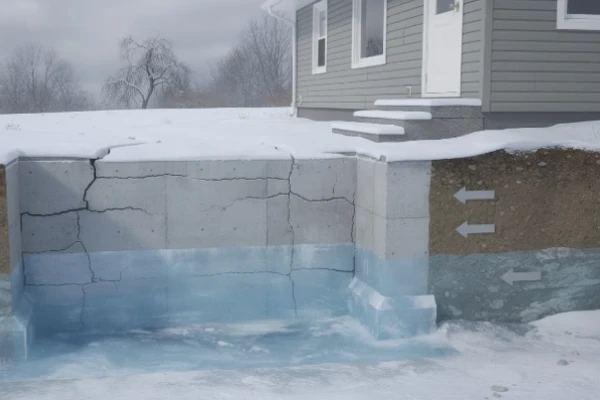
The freeze thaw cycle occurs when water in the soil freezes and expands, then thaws and contracts as temperatures fluctuate. This process puts tremendous pressure on foundation walls and basement walls, creating conditions that lead to foundation damage. When the earth freezes, soil expands by up to 9% of its volume, literally pushing the ground upward and putting pressure against your foundation from all directions.
Understanding Frost Heave and Soil Expansion
As temperatures rise and the frozen earth begins to thaw, the soil thaws unevenly, causing soil movement that forces your foundation to settle unevenly. This constant cycle of freezing and thawing throughout winter months creates stress fractures that can worsen existing cracks or lead to new cracks forming in previously sound foundation walls.
Frost heave is a phenomenon where frozen ground literally lifts upward as water infiltration freezes and expands below the surface. When the soil freezes at depths beneath your foundation, this upward movement can cause big structural problems. The ground beneath your home essentially shifts, creating uneven floors inside and placing additional stress on basement walls.
Soil expansion during freezing temperatures is particularly problematic for homes built on clay-rich soil, which retains more moisture and experiences more dramatic volume changes. As the freeze thaw cycle continues through winter weather, these repeated expansion and contraction cycles can transform small cracks into larger cracks that compromise your foundation’s structural integrity.
Common Signs of Freeze Thaw Damage
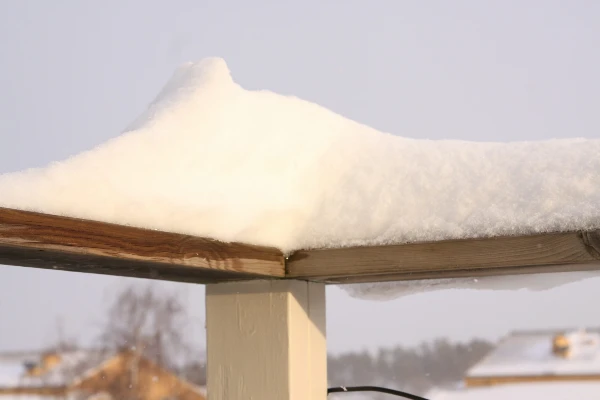
Foundation problems caused by the freeze thaw cycle manifest in several ways. Homeowners should watch for these warning signs:
- Visible Cracks: Foundation cracks may appear as hairline fractures initially but can quickly expand as temperatures fluctuate. Horizontal cracks in basement walls are especially those that indicate serious pressure from frozen soil outside.
- Interior Changes: Uneven floors, doors that stick, or windows that won’t open properly often signal that your foundation has shifted due to frost damage. These minor issues can escalate quickly if left unaddressed.
- Water Problems: When ice melts and snow melts in spring, water pooling around your foundation indicates drainage problems. This water intrusion can lead to moisture issues in your basement or crawl space, creating conditions for further freeze thaw cycles to affect your foundation.
- Stair-Step Cracking: This distinctive pattern in masonry foundation walls shows where frost has caused the ground to shift unevenly, forcing the foundation to crack along mortar joints.
The Role of Water and Temperature Fluctuations
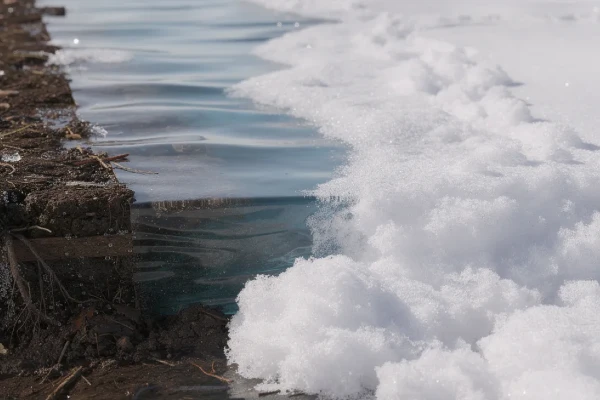
Water is the primary culprit behind foundation cracks caused by winter freeze. When melting snow and rain allow water in the soil to accumulate around your foundation, this moisture becomes a ticking time bomb once temperatures drop again. The water infiltration penetrates existing cracks, then expands when it freezes, widening those cracks further.
The freeze thaw cycle is most destructive when temperatures fluctuate rapidly. A constant temperature below freezing is actually less harmful than repeated cycles where the earth freezes, thaws, and freezes again. Each cycle compounds the damage, turning what started as tiny cracks into pathways for more water damage.
Prevention and Protecting
Taking proactive steps before winter can significantly reduce the risk of freeze thaw damage:
- Ensure Proper Drainage: Exterior drainage systems are your first line of defense. Gutters, downspouts, and grading should direct water away from your foundation, preventing water pooling that leads to soil saturation. Even a slight slope can prevent water from accumulating against basement walls.
- Maintain Proper Insulation: Insulating your foundation walls and maintaining a consistent temperature in your basement or crawl space helps prevent the soil immediately adjacent to your foundation from experiencing the most extreme temperature fluctuations.
- Seal Cracks Proactively: Before winter months arrive, seal cracks in your foundation walls to prevent water infiltration. Even minor cracks can become pathways for water, which will expand and worsen existing cracks when it freezes.
- Install Preventative Measures: Sump pumps help manage groundwater levels, while foundation drains can stop water from accumulating around your home. These systems are particularly important in areas with poor natural drainage or during years with heavy precipitation.
When Damage Occurs: Foundation Repair Solutions
- Professional Inspection: A professional inspection provides a correct diagnosis of your foundation problems. Experts can determine whether cracks indicate surface-level issues or point to deeper issues with movement and structural integrity.
- Helical Piers for Permanent Stabilization: For homes experiencing significant structural problems from frost heave and soil expansion, helical piers offer a permanent repair solution. These steel piers are screwed deep into the ground beneath your foundation, anchoring into stable soil below the frost line. Helical piers transfer the weight of your home to load-bearing strata unaffected by freeze thaw cycles, preventing further settlement and actually lifting settled foundations back toward their original position.Unlike temporary repairs that only address symptoms, helical piers solve the underlying problem of unstable soil. They’re particularly effective for homes that settle unevenly due to frost heave or where frozen ground has caused differential movement across the foundation.
- Tailored Solutions: Every foundation requires tailored solutions based on the specific conditions affecting your home. Factors like soil type, the extent of existing damage, drainage conditions, and the depth of frost penetration all influence the appropriate repair approach.
Understanding Your Earth Type and Climate Risks
Not all soil responds to freezing temperatures the same way. Clay soils are particularly susceptible to frost heave because they retain water and experience dramatic expansion. Sandy soils drain better and typically cause fewer foundation problems, though they can still create issues during extended dry spells followed by saturation and freezing.
Understanding how deeply the ground freezes in your region is also critical. In northern climates where soil freezes several feet deep, foundations must be built below the frost line to avoid frost damage. However, even properly constructed foundations can experience problems if poor drainage allows water to accumulate and freeze against foundation walls.
The Cost of Inaction: Why Timing Matters
Foundation repair becomes increasingly expensive when damage is allowed to progress. What begins as small cracks can evolve into significant structural problems requiring extensive and costly repairs. Water intrusion through foundation cracks can damage basement finishing, create mold growth, and compromise the structural integrity of your entire home.
Acting quickly when you notice warning signs allows for more targeted, less expensive repairs. Addressing minor issues before winter weather intensifies them can save thousands in future repair costs and prevent water damage to your basement and belongings.
Comprehensive Winter Foundation Protection
Protecting your foundation from freeze thaw cycles requires a multi-faceted approach:
- Manage Water: Ensure proper drainage directs water away from your foundation year-round, not just during spring when snow melts.
- Monitor Conditions: Regular inspections, especially those conducted before and after winter, help catch problems early when they’re easier and less expensive to fix.
- Address Damage Promptly: When cracks appear or you notice uneven settlement, consult foundation repair professionals for an accurate diagnosis and appropriate repair solutions.
- Invest in Permanent Solutions: For homes with recurring foundation problems or significant frost heave issues, permanent stabilization with helical piers prevents future damage and provides peace of mind.
Your foundation is literally what your home is built upon, and foundation cracks caused by winter freeze pose a real threat to your property’s value and safety. The freeze-thaw cycle will continue affecting foundations every winter, but understanding the process and taking proactive steps can minimize damage and costly repairs.
Whether you’re dealing with existing cracks that need attention or want to implement preventative measures before the ground freezes again, professional guidance from Powerlift ensures you’re making the right decisions for your home’s specific situation. From proper drainage and insulation to permanent stabilization with helical piers, Powerlift offers comprehensive foundation care that protects your home from the inevitable challenges of freezing temperatures and frost heave.
Don’t wait until tiny cracks become massive structural problems. By monitoring your foundation, maintaining water drainage, and addressing issues promptly, you can protect your home from freeze-thaw damage and avoid the costly consequences of neglected foundation problems. When deeper issues require professional intervention, Powerlift’s proven solutions—such as helical piers—provide permanent stability that withstands even the harshest winter conditions, keeping your foundation solid regardless of what winter weather brings. Contact us today!