

When homeowners think about foundation repairs, permits are rarely the first thing that comes to mind. Cracks, uneven floors, and sticking doors usually get all the attention. But permits for home foundation work play a critical role in protecting your house, your safety, and your investment. Whether you are dealing with minor repairs or major structural changes, understanding when a building permit is required can save you time, money, and serious legal trouble.
At Powerlift, we help homeowners navigate not just foundation repairs, but also the process behind them. Knowing when a foundation repair permit is needed and how the permit process works makes foundation work smoother and far less stressful.
Why Permits Matter for Foundation Repairs

Building permits exist for one main reason: safety. Foundation work directly affects the structural integrity of a home. When foundation walls, grade beams, or foundation piers are altered, local authorities want to make sure the work follows building codes and protects the home’s structural framework.
Permits also protect homeowners from unpermitted work that could cause problems later. Selling a house with unpermitted foundation work can lead to legal repercussions, failed inspections, or costly corrections. Proper permits confirm that the work meets local building codes, international building code standards, and city regulations.
Not All Foundation Repairs Require a Permit
One common misconception is that every foundation repair automatically requires a permit. That is not always the case. Not all foundation repairs fall under the same category.
Minor repairs like sealing small cracks, cosmetic fixes, or surface-level concrete patching often do not require a permit. These repairs do not typically affect the structural building system or load-bearing components.
However, foundation repairs require permits when they involve structural work. Examples include installing foundation piers, helical piers, grade beams, or making structural changes to existing structures. Any work that affects the home’s structural integrity or alters foundation walls usually requires a foundation repair permit.
When in doubt, it is always best to check with the local building department before work begins.

Understanding the Local Building Department’s Role
The local building department oversees building permits, inspections, and code compliance. This department reviews permit applications, construction documents, site plans, and structural work details before issuing permit approval.
They also conduct multiple inspections at different stages of the project. These inspections help verify that foundation work follows local building codes and safety standards.
Local authorities are not there to make things difficult. Their role is to protect homeowners and the surrounding community by making sure foundation repairs are completed correctly.
Common Foundation Work That Requires a Permit
Foundation work that typically requires a permit includes:
- Installing foundation piers or helical piers
- Structural changes to foundation walls
- Structural framework modifications
- Grade beams or support system installation
- Crawl space structural repairs
- Fire restoration that impacts the foundation
- Structural work affecting existing structures
- Repairs near property lines
If a contractor tells you no permit is needed for major structural work, that should be a red flag.
The Permit Process Explained Simply

The permit process may sound intimidating, but it is usually straightforward when handled correctly.
First, permit applications are submitted to the building department. These applications often include construction documents, site plans, and details about the foundation work.
Next, the building department reviews the plans to confirm they meet building codes and local regulations. Once approved, the permit is issued, and work can begin.
During construction, inspections are scheduled at different stages. These inspections help verify that the foundation repairs are progressing safely and correctly. After the final inspection, the permit is marked as completed.
Experienced contractors handle this process regularly and help homeowners avoid delays or mistakes.
Who Is Responsible for Obtaining the Permit?
In most cases, the contractor is responsible for obtaining the proper permits. Homeowners should always confirm this before work begins.
At Powerlift, we guide homeowners through the process and work directly with the local building department when permits are required. When homeowners work with Powerlift Foundation Repair in OKC, they know the necessary permits are handled correctly from start to finish.
If a homeowner chooses to manage permits themselves, it is important to understand local codes and requirements. Improper permits or missing documentation can delay the project and increase costs.
Permits, Inspections, and Costs
Permits do come with a cost, but that cost is small compared to the risk of unpermitted work. Permit fees vary by city and project size. Minor permits may cost less, while large structural projects may involve higher fees and multiple inspections.
Skipping permits to save money often leads to bigger expenses later. Unpermitted foundation work can cause failed inspections, fines, and forced corrections.
Why Building Codes Matter
Building codes exist to protect homes from unsafe structural changes. Local building codes and the international building code provide standards for structural integrity, fire safety, and long-term durability.
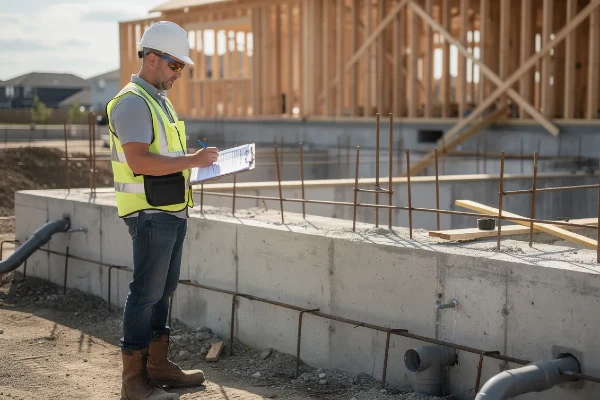
The Risks of Unpermitted Foundation Work
Unpermitted work can lead to serious consequences. Homeowners may face legal repercussions, failed home inspections, insurance issues, or difficulty selling the property.
Insurance companies may deny claims related to unpermitted foundation repairs. Homeowners insurance policies often require proof that work followed building codes.
Unpermitted work can also compromise safety. Without inspections, mistakes may go unnoticed until major damage occurs.
How Powerlift Helps Homeowners Navigate Permits
Powerlift understands that homeowners want foundation repairs done right the first time. We help determine when a permit is required, work with the local building department, and schedule inspections when needed.
Our experience with similar situations allows us to guide homeowners through the permit process without unnecessary stress. From minor repairs to major structural projects, we help ensure all necessary permits are in place before work begins.
Frequently Asked Questions About Foundation Permits
Do all foundation repairs require a permit?
No. Minor repairs such as sealing small cracks often do not require a permit. Structural repairs usually do.
Who checks if a permit is required?
The local building department determines permit requirements based on the scope of work.
Can homeowners apply for permits themselves?
Yes, but most homeowners prefer the contractor to handle it due to complexity.
What happens if work starts without a permit?
The city may stop the project, issue fines, or require costly corrections.
Do permits delay the project?
When handled properly, permits usually cause minimal delays.
What Homeowners Should Do Before Foundation Work Begins
Before foundation work begins, homeowners should:
- Ask the contractor if permits are required
- Confirm who will obtain the permits
- Verify inspections are included
- Avoid unpermitted work
- Work with experienced professionals
Taking these steps protects the home and prevents future problems.
Start Your Foundation Repair the Right Way

Permits for home foundation work may seem like a hassle, but they play a vital role in protecting homeowners and their property. From maintaining structural integrity to avoiding legal repercussions, proper permits make all the difference.
Foundation repairs are an investment in your home’s future. Working with a contractor who understands the permit process helps ensure that investment is protected.
If you are planning foundation repairs and are unsure whether a permit is required, contact Powerlift. Our team is ready to answer your questions, handle the permit process when needed, and complete your foundation work safely and professionally.