

House renovations are a great investment. However, every homeowner should ensure they’re doing it right the first time. This includes checking for foundation issues before starting any renovation work. Pushing through construction with a bad foundation is a recipe for disaster. Don’t underestimate foundation problems, especially if you have home improvement projects lined up. At Powerlift Foundation Repair, we specialize in addressing foundation issues. We’ll guide you through key steps to ensure your renovation is a success.
Related Article: Regular Checks for Home Foundation Health: A Homeowner’s Guide
Addressing Foundation Problems When Planning a Renovation
Never ignore a foundation problem. Whether it’s hairline cracks in your walls or uneven settling, it’s crucial to keep an eye on it. Determine if the issue is serious, especially before renovating your home. Ensure the foundation is stable and secure enough to handle the upcoming project.
If you suspect foundation problems or want to ensure your foundation is in good condition, follow these tips:
1. Look for Signs of Foundation Issues
Inspect various areas of your home like the floor, walls, chimney, crawl space, basement, and concrete slabs. These spots often show tell-tale signs of a sinking or shifting foundation. Identifying issues early can save you from costly repairs later on.
To name a few, these signs include cracked or bowed walls, a leaning chimney, sloping floors, and misaligned doors and windows (more details on these signs later!).
2. Hire a Structural Engineer to Assess Your Foundation
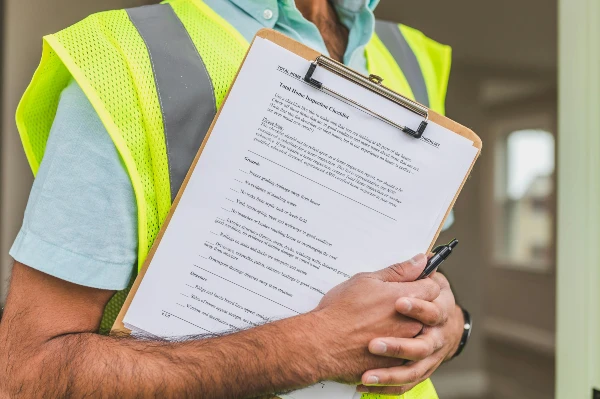
While it’s beneficial to personally inspect your home’s foundation and keep an eye out for signs of foundation problems, nothing beats the professional assessment of a foundation specialist or structural engineer. Homeowners should hire a professional to evaluate their foundations, and based on the findings, they can decide on the necessary repairs or improvements needed.
3. Address All Foundation Issues Before Any Renovation Work
Once you’ve determined your home’s foundation problems, they must be addressed immediately. You can contact a foundation repair company like Powerlift Foundation Repair for the necessary residential foundation services. The repairs may delay your renovation plans, but it’s an essential step to securing your foundation, and by extension, the entirety of your property.
DIY Repairs vs. Professional Repairs
Many homeowners consider opting for DIY repairs to save money. Whether it’s a wise decision to repair the damages yourself ultimately depends on how extreme the foundation problem is, your skill level, and the availability of the necessary tools and materials.
Generally, though, here are some minor foundation problems that you can repair yourself:
- Crack filling
- Soil grading
- Sump pump maintenance
- Mortar repair
- Foundation ventilation
It’s generally safe to choose the cost-effective option with DIY repairs as long as you’re confident that you know what you’re doing. Anything more major and concerning than the specific issues mentioned requires professional assistance. But if you’re not worried about costs, it’s always better to hire a general contractor or foundation specialist to do the repairs for you. This way, you’re sure that your foundation is in expert hands, and that the results are long-lasting and truly reliable.

What Are the Common Signs of Home Foundation Issues?
Foundations can degrade over time, either due to age or external factors. You can determine a bad foundation by watching out for the following signs:
1. Bouncing Floors or Uneven Floors
Bouncing, uneven, or sagging floors can be caused by foundation issues in your house. These problems can mean your foundation is sinking or settling unevenly. It’s something homeowners shouldn’t brush off, especially since it can worsen over time and lead to other issues like misaligned doors and large cracks in walls, or worse—extensive structural damage.
2. Exterior Wall Cracks and Interior Wall Cracks
While hairline cracks in the walls can seem harmless as they’re often caused by natural settling, there are instances when even these small cracks hint toward bigger foundation problems. Sometimes, hairline cracks really are just cosmetic issues and are nothing to worry about, but when they turn into large cracks and gaps, then you know for certain there’s something going on with your foundation.
You may find various kinds of cracks in your walls, so you should know what each type of crack may be telling you about your foundation:
- Horizontal Cracks: Among the various types of cracks, horizontal cracks are generally the most concerning ones. These can be caused by pressure buildup from your home’s exterior—pressure from soil or water, to be specific. While most foundations are supposed to withstand external pressure, additional factors like flooding can still lead to horizontal cracks. If you’re worried about the horizontal cracks in your walls, just remember this rule of thumb: if the crack is larger than one-quarter (1/4), it’s time for a professional to take a look at it.
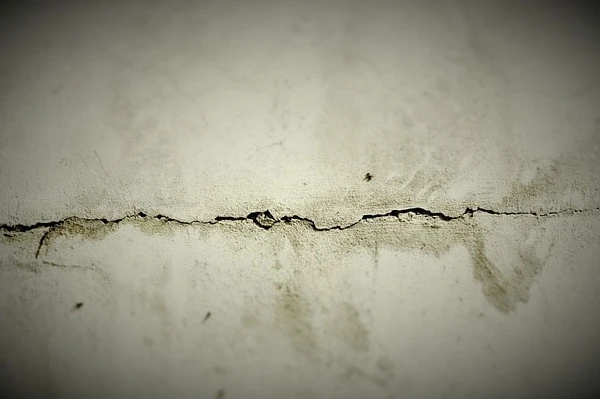
- Vertical Cracks and Diagonal Cracks: These types of cracks usually indicate normal house settling, especially for newly constructed structures. They are also called “shrinkage cracks” due to how concrete contracts as it hardens. However, there are also times when vertical and diagonal cracks suggest bigger underlying issues. If they’re wider than 1/8 of an inch wide and you find them in the corners of the wall, it’s best to have them checked.
3. Sticking Doors and Windows
If your doors and windows don’t shut properly anymore, it can be another sign of foundation problems. When your foundation starts moving or shifting unevenly, it can cause issues with the alignment of your doors and door frames as well as windows and their frames. Because of the misalignment, you’ll notice they don’t work as they used to and can stick awkwardly as you try to open or close them. We recommend immediately calling a professional in these scenarios so the necessary repairs can be carried out as soon as possible.
4. Leaning Chimney
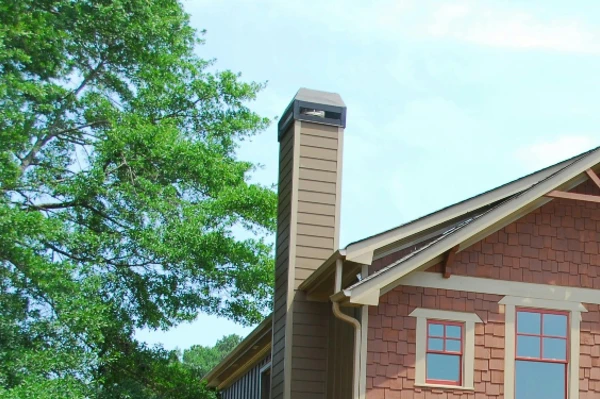
Another obvious sign that you may be dealing with foundation problems is if you have a leaning chimney. A compromised foundation means the ground under the chimney is shifting, unsupported, or uneven, causing the chimney to tilt away from the rest of the house and create gaps where it’s supposed to connect with the roof. Professional assistance is necessary in this situation.
5. Bowed Walls
Bowed foundation walls or basement walls mean the foundation isn’t supporting the structure as well as it should. Lateral forces or pressure from the outside is often what leads to walls curving inward. This pressure can come from various things, including expansive soil, frozen soil, and hydrostatic (water) pressure.
It’s not always easy to spot a bowing wall since it happens gradually, but you’ll often find cracks first, which is then followed by the actual bowing of the wall. Call a professional right away if you notice any problems with your foundation or basement walls.
What Causes Foundation Damage?
Knowing the causes of foundation damage is just as important as resolving existing issues because it helps you prevent foundation problems from developing in the first place. This preventative approach is beneficial for when you renovate in the future because it helps prevent complications and makes the process smoother and quicker for everyone involved.
Foundations are affected by a number of factors, including:
1. Unstable Soil
Foundations need stable soil to remain level and supported. Unstable soil due to poor compaction and excess water, as well as specific looser types of soil (e.g. sand or silt), can lead to a sinking and shifting foundation. So, it’s important to make sure that the soil you’re building on is properly compacted, well-drained, and can handle the type of foundation you’re constructing.
2. Flawed Construction
One of the causes of foundation problems is the flawed construction of the structure. This includes poor workmanship, wrong or low-quality materials, as well as various mistakes during the construction process. A flawed construction process means your house may have been built on a shaky base, leaving everything on top of it at risk of damage.
3. Water Damage and Moisture Issues
Water damage from plumbing leaks and poor drainage can cause moisture issues in basements and crawl spaces.
It can also come from external sources; for instance, if you have a cracked siding, rainwater can seep in through the cracks and pool around the foundation, which can weaken the material over time. Additionally, too much moisture can cause the soil near the foundation to swell and expand, which puts pressure on the foundation and causes shifting, settling, or movement.
4. Large Tree Roots
Having plants—especially large trees—near your house’s foundation can lead to some serious foundation problems. This is because the tree’s roots can find their way to your house and add pressure to the foundation walls, leading to damage.
It’s not just about the roots themselves either. Large trees can steal a lot of moisture from the soil near the foundation, which can be problematic for soil types like clay which becomes unstable when faced with moisture level changes. This unevenness can cause the foundation to shift and settle unevenly, leading to various problems.

5. Earthquakes
Earthquakes can cause all sorts of foundation problems. The movement can cause the soil under your house to shift, and if the foundation itself isn’t properly anchored or well-constructed, cracks can also appear. In worst-case scenarios, it can even start to collapse completely.
Since homeowners can’t really predict when earthquakes happen, the best approach is to have a foundation specialist like Powerlift Foundation Repair evaluate your foundation after an earthquake so they can identify any emerging problems, if any. You can also fortify or further strengthen your foundation so it can better handle natural disasters like earthquakes.
Powerlift Foundation Repair: Your Lasting Solution to Foundation Issues
Homeowners spend a lot of resources and money on home renovations, so it’s important to resolve any foundation concerns first for a trouble-free construction process. At Powerlift Foundation Repair, expect nothing less than high-quality foundation repair services that can help prepare your home for any renovation or home improvement project.
Give us a call today at 1-800-562-5438 for a free quote!