

Your home’s foundation is its backbone, giving you stability and safety for you and your loved ones. However, just like any other structural component, foundations require regular attention to preserve their integrity and prevent costly damage. Regular foundation checks are essential for identifying potential problems early, allowing you to address them before they escalate into major issues.
In this guide, we’ll explore why these checks are crucial, how to conduct a preliminary DIY inspection, and when it’s time to bring in a professional foundation inspector. By staying proactive, you can protect your investment and maintain your home’s value over time.
Related Article: What Factors Contribute to Foundation Settlement or Failure?
At Powerlift Foundation, we understand the importance of a secure foundation, and we’re here to help homeowners in North Carolina, Oklahoma, Tennessee, Arkansas, and Arizona with top-notch foundation inspection and repair services.
Why Regular Foundation Inspections are Crucial
Foundation inspections are crucial for early detection of issues that could lead to costly repairs down the line. Regular checks will help identify potential foundation problems, enabling you to address them promptly with the help of a structural engineer. Common issues include stair step-shaped cracks, widening cracks, moisture issues, and more.
DIY Foundation Inspection vs. Professional Inspection
While DIY foundation inspections can initially help identify visible signs of foundation issues such as cracked floors, bowed framing, and sloped floors, hiring a professional foundation inspector guarantees a thorough evaluation. Professionals provide a detailed inspection report that examines everything from underground foundation watering systems to the structural soundness of your home.
Signs You Need to Inspect Your Foundation
Walking through your home and around the exterior can reveal signs that your foundation might need attention:
Exterior Inspection
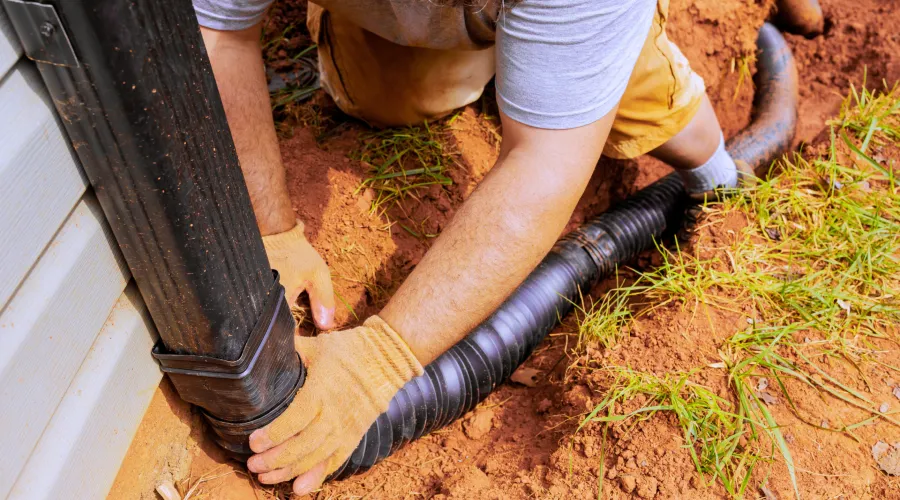
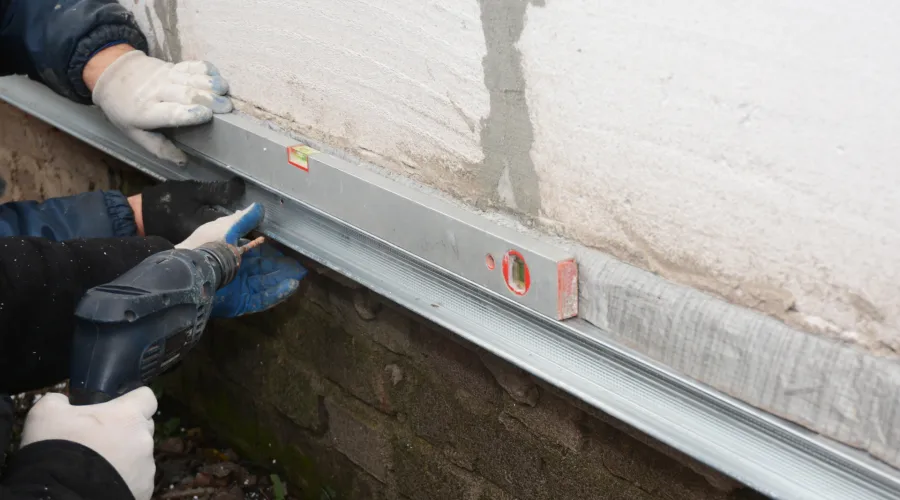
During an exterior inspection, walk around the exterior of your home to check for any visible cracks in the foundation, particularly paying attention to stair-step-shaped cracks in brickwork or concrete block walls. It’s important to note their size and any changes over time. Additionally, examine the foundation line to make sure it is straight by using a long level or a straight piece of lumber to detect any bulges or warps that might indicate shifts. Inspect the drainage and downspouts to make sure they direct water away from the foundation, as proper drainage is essential to prevent moisture buildup that can lead to foundation erosion.

Interior Inspection
During an interior inspection, begin by opening and closing all doors and windows to check if they stick or don’t fit into their frames properly, as this can be a sign of shifting foundations. Next, observe the floors and ceilings for any signs of unevenness or slopes, which may be detected by rolling a ball to see if it moves without assistance; also, look for gaps between the ceiling and walls. Additionally, inspect the walls for cracks in the drywall, paying particular attention to areas around windows, door frames, and where walls meet ceilings. Horizontal cracks or bowing in basement walls are especially strong indicators of foundation stress that should be addressed.

Basement and Crawl Space
In basements and crawl spaces, carefully examine the area for signs of moisture, mold, or mildew, which may indicate leaks or foundation cracks; a flashlight can help you spot dark patches or mold growth. Next, check the support posts and beams for any leaning or weaknesses, as these could signify foundation settling. Additionally, inspect the floor joists and beams under the house to make sure they appear straight and are free of damage. Again, a flashlight can be useful to examine thoroughly for any sagging or bowing that could indicate structural issues.

Surrounding Environment
When inspecting the surrounding environment, pay attention to the soil around your home for any signs of shifting or pulling away from the foundation, and check for tree roots growing too close, as these can disturb the foundation. Additionally, inspect the external masonry or siding for signs of deterioration or gaps, which may indicate movement or settling of the foundation.
By conducting these routine checks, you can monitor changes over time and determine when it might be necessary to call in a professional foundation inspector. This proactive approach will help safeguard your home against major foundation issues. If you identify any significant concerns, don’t hesitate to contact Powerlift Foundation for a comprehensive assessment.
Professional Foundation Inspection
Initial Consultation and Visual Assessment with Powerlift Foundation
When you choose Powerlift Foundation, we begin the inspection with a thorough discussion of any issues you’ve noticed, such as foundation damage, cracks, sticking doors, or water damage. We’ll also gather an overview of your home’s history to better understand potential problem areas.
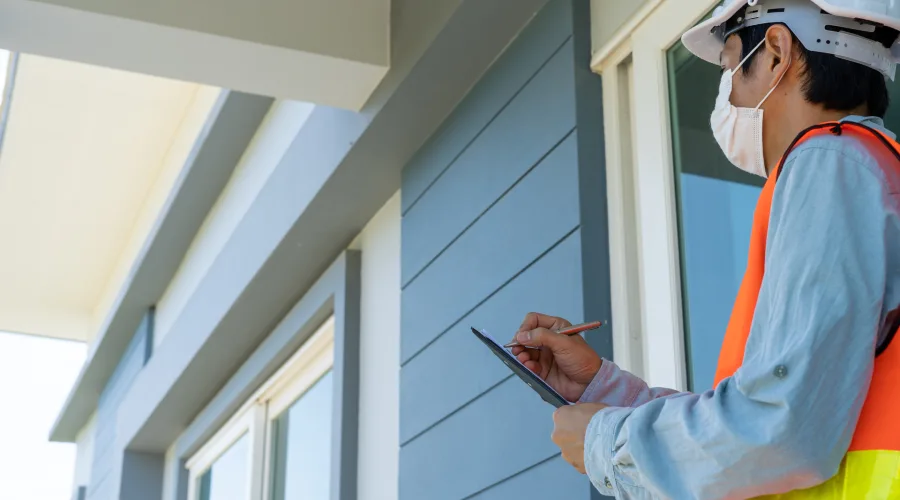
Our expert team conducts a comprehensive visual inspection, both inside and outside your home, to assess foundation conditions meticulously. We look for cracks, signs of settling, moisture damage, and any structural distortions or deviations that could affect your home’s stability.
Detailed Structural Inspection
At Powerlift, we use specialized tools, including laser levels and advanced digital equipment, to measure the foundation’s levelness, essential for detecting any alignment and settling issues, especially in concrete slab foundations.
Our professionals inspect supporting structures, such as beams, floor joists, and support posts in your crawl spaces or basement, looking for damage or signs of stress. Ensuring compliance with building codes is a crucial part of our inspection process to guarantee safety and reliability.
Moisture Assessment and Specialized Testing
We thoroughly assess your home for moisture presence and potential sources of water intrusion, evaluate the efficiency of drainage systems like gutters and downspouts, and verify appropriate grading around your home to prevent foundation damage.
For more in-depth issues, Powerlift provides specialized testing, including soil tests to determine if soil conditions are affecting the foundation, particularly in areas prone to expansive clay soils or high moisture content. Advanced inspections might employ equipment to detect unseen underground issues like sinkholes or debris impacting the foundation’s integrity.
Comprehensive Inspection Report
After the inspection, Powerlift delivers a detailed report summarizing our findings and depicting your foundation’s condition with photographs and diagrams. This ensures that any issues are documented clearly and according to current building codes.
Our inspectors provide specific repair and maintenance recommendations, possibly suggesting preventative measures such as enhancing drainage or installing an underground foundation watering system, along with cost estimates for suggested repairs.
Post-Inspection Support
Powerlift offers post-inspection support, including a follow-up discussion to review the report thoroughly, explain any complex findings, and discuss the foundation inspection cost. We encourage homeowners to ask questions to fully understand the results and next steps.
Our experts may also offer maintenance advice tailored to your specific concerns, helping to extend the health of your foundation and prevent future problems.
Choose Powerlift Foundation for a comprehensive evaluation of your home’s foundation to preserve its structural integrity and avoid future complications. Schedule your professional inspection with us today!
When to Hire a Foundation Repair Specialist
If you notice any significant issues, such as bowed floors or cracked walls, it’s crucial to consult a foundation repair specialist. They will assess the foundation problems and propose solutions that might include installing supportive piers beneath the structure or addressing moisture issues impacting the foundation’s health.
The Homeowners Guide to Foundation Types
Choosing the right foundation is essential to your home’s stability. Here’s a brief look at some common foundation types:
Slab Foundations
A concrete slab foundation is a single, thick layer of concrete poured directly on the ground. It’s cost-effective and well-suited for warmer climates, providing durability with minimal maintenance.
Pier and Beam Foundation
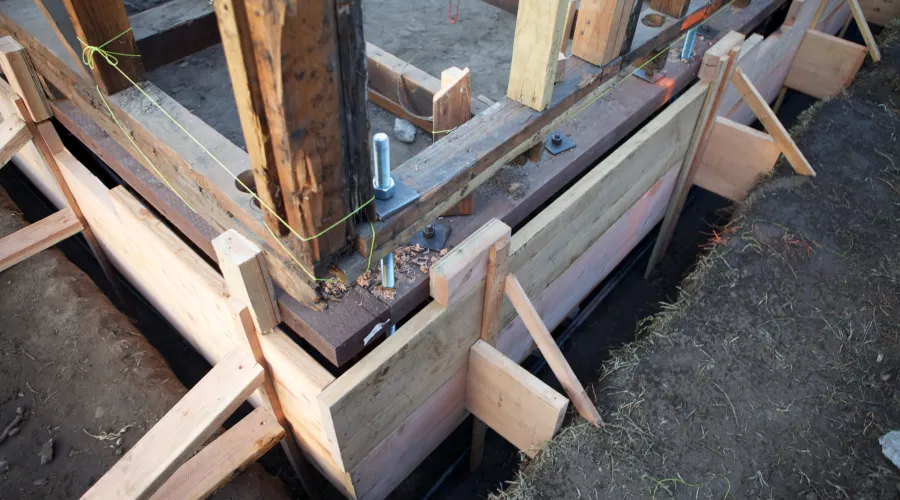
This type of foundation uses piers to support beams, lifting the home and creating a crawlspace underneath. Ideal for areas prone to flooding or with expansive soil, it allows easy access to utilities for repairs.
Crawl Space Foundation
Built with deeper excavation, basements offer extra living or storage space and are common in colder climates. While more expensive, they provide significant value and utility to a home.
Why Choose Powerlift for Your Foundation Repairs?
When searching for “foundation repair near me,” Powerlift Foundation should be your top choice.
With our extensive experience and dedication to quality, we stand out as a trusted partner for all your foundation repair needs. Here are just a few of the benefits you’ll receive when you choose us:
- Expertise: With over 50 years of experience, we guarantee your foundation is repaired right the first time.
- Comprehensive Services: We provide tailored solutions for all foundation types, including concrete slabs and piers and beams.
- Advanced Technology: We use cutting-edge tools and techniques to guarantee precise and long-lasting repairs.
- Quality & Safety: Our work meets strict industry standards and building codes, providing dependable repairs.
- Customer Focus: We prioritize your needs with transparent communication and a satisfaction guarantee.
- Proven Track Record: We’re known for excellence across North Carolina, Oklahoma, Tennessee, Arkansas, and Arizona.
Securing Your Home’s Future with a Strong Foundation
Regular foundation inspections are essential to maintaining your home’s structural integrity. Whether you decide to conduct an initial check yourself or hire a professional, staying proactive about foundation health helps prevent costly issues. By keeping an eye on areas around your foundation, you can spot early signs of trouble, making sure your home stays strong and secure.
A solid foundation not only supports your home’s beauty but also keeps doors and windows functioning properly and preserves the exterior view of custom features.

Trust Powerlift Foundation for expert foundation inspections and repairs.
Contact us to schedule a consultation today to protect your investment for years to come.