

Keeping your building’s foundation in good shape is one of the smartest things you can do to protect your home or commercial property. Powerlift Foundation Repair is here to share the best and most effective foundation maintenance tips to keep your building secure and safe for years to come.
1. Keep an Eye on Moisture Levels
The soil surrounding your property tends to shift around, and it’s heavily influenced by how much water it gets. Too much water and the soil expands, while long, dry spells make the soil shrink. Both scenarios can stress your foundation. In places like Oklahoma and Arkansas, where the weather can swing wildly, you’ll want to maintain consistent moisture levels to prevent issues like foundation upheaval.
Related Article: What Disruptions to Expect When Doing Foundation Repairs
During dry periods, you can use a soaker hose to manually water the soil surrounding your foundation. Just place the hose about 18 inches from your house and let it run for a short time—not long enough to saturate the ground, but just enough to keep the soil from pulling away from your foundation. On the flip side, don’t overwater. Another option is to use an automatic lawn sprinkler or an underground foundation watering system to keep moisture levels balanced. Alternatively, you can also implement a water control program.
2. Check Your Drainage
Rain happens, and when it does, you want to make sure you have a proper drainage system in place as this will help prevent water from accumulating near your foundation. Without a sound drainage system, foundation problems are very likely.
Start by making sure your gutters and downspouts are clean and in good working order. They should direct water at least five feet away from your home. If water tends to pool near your foundation, you might need to adjust the grading or the slope of the ground around your home. Ideally, the ground should slope away from your home’s foundation to keep water moving in the right direction (more on this later).

3. Inspect for Cracks
Take a few minutes every now and then to walk around your house—inside and out—and check for any cracks in the walls, floors, or foundation itself. Hairline cracks in reinforced concrete are normal, but anything wider than a quarter-inch is something you should take a closer look at.
If you spot something concerning in your building structure, don’t ignore it. At Powerlift Foundation Repair, we specialize in assessing and repairing all kinds of foundation issues, including cracks that could eventually lead to bigger problems.
4. Manage Trees and Plants
We all love some greenery around our homes, but it can cause trouble for your foundation if you’re not careful. Trees and shrubs planted too close to your house can affect the soil because as large tree roots grow, they pull moisture away or even push into your foundation if cracks exist.
If you’re planting new trees, keep them at least 15 feet away from your home. For shrubs, stick to about 2 feet away. But if you already have mature trees near your foundation, you might want to look into root barriers, which work by redirecting roots away from your house without harming the tree itself.

5. Watch Out for Plumbing Leaks
Leaking pipes can saturate the soil around your foundation, leading to uneven settling or worse issues. This is especially a problem in areas like Oklahoma with clay-rich soil, where water causes the soil to expand and puts pressure on your foundation.
Pay attention to any signs of leaks, like sudden spikes in your water bill or damp areas around your home. Regularly inspecting outdoor faucets, sprinklers, and indoor plumbing. Doing this will let you catch leaks early and give you enough time to address the issue before it gets worse.
6. Control Humidity Indoors
Humidity might not seem like it has much to do with your foundation, but it does—especially if you have a crawl space or basement. Too much moisture in these areas can lead to mold, wood rot, and even issues with your building’s structural integrity.
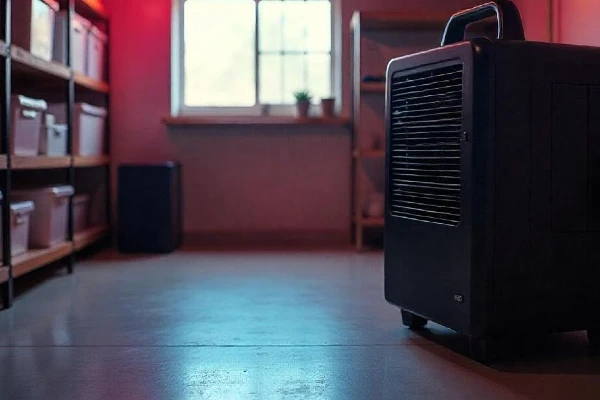
Dehumidifiers are great for keeping humidity levels in check, particularly during muggy months. In drier seasons, a humidifier can help prevent too much dryness that might cause wood floors or other structural elements to contract and pull away.
7. Don’t Forget the Grading
We mentioned it briefly earlier, but grading around your home deserves its own section. The ground around your home should slope away to keep water from sitting near your foundation. A good rule of thumb is to have a slope of about 6 inches over 10 feet.
If there’s water pooling around your house after heavy rains, it’s a sign that the grading isn’t doing its job. This might mean adding soil to areas where the ground has settled or hiring a professional landscaper to regrade your yard.
8. Keep Basements and Crawl Spaces Dry
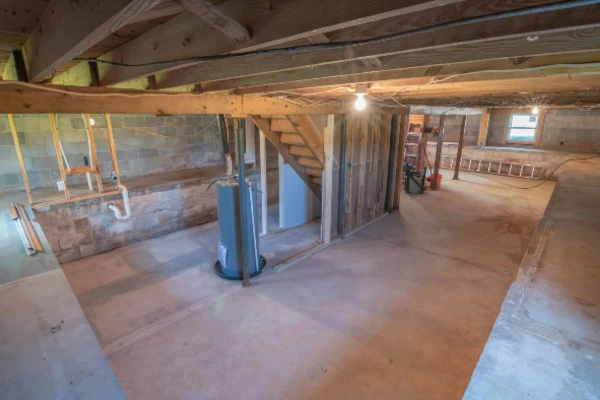
Having a basement or crawl space means you also have to keep those areas dry. Water in these rooms can lead to mold, mildew, and even structural damage.
Check for any cracks or leaks where water might be sneaking in. Using a dehumidifier can also help keep moisture under control. But if dampness is particularly persistent in your basement or crawl space, it might be time to look into installing a better drainage system, waterproofing, or sump pumps.
9. Be Cautious With Excavation
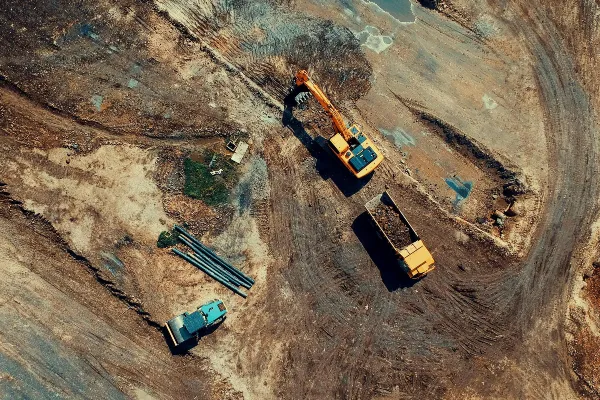
Got a construction project coming up? Perhaps you’re thinking about digging near your home for a new patio, pool, or garden. Whatever it is, remember that digging too close to your foundation can disturb the soil and lead to issues. So before starting any major excavation work, make sure it won’t affect the stability of your foundation. If in doubt, get advice from a professional.
10. Know Your Soil
Different soils behave differently, and your foundation needs to work with—not against—the ground it sits on. Here are some of the most common soil types and their compatibility with various foundation types:
Clay Soil
Clay soil isn’t ideal because it expands when it’s wet and shrinks when it dries out, which can cause your foundation to move or crack. If you have clay soil under your property, you’ll need a foundation that can handle its constant and inevitable shifting.
- Best Foundations for Clay Soil
- Deep Foundations (Pile and Caisson Foundations): These foundations go deep enough to bypass the clay and rest on more stable soil or bedrock. Pile foundations are long columns driven into the ground, while caisson foundations are large, drilled shafts filled with concrete. Both keep your foundation stable despite clay soil’s insecure nature.
- Raft Foundations (Mat Foundations): These work by spreading the building’s entire weight evenly over a large area, which removes some of the stress caused by clay’s movement.
- What to Avoid: Shallow foundations like isolated footings aren’t a great choice for clay soil. They sit too close to the surface, where the soil is most active.
Sandy Soil
Sandy soil drains well, so you won’t have to worry about it expanding or contracting like clay. But on the flip side, it can be a little loose and less stable, meaning it needs some extra help to support a structure.
- Best Foundations for Sandy Soil
- Shallow Foundations (Spread Footings and Isolated Footings): These work well in the sand because they spread the building’s weight over a larger surface, which helps stabilize it.
- Mat Foundations: If you’re building larger commercial buildings, a mat foundation is a solid option. It covers the entire footprint of the building and provides excellent support.
- What to Avoid: Deep foundations like piles aren’t usually necessary for sandy soil unless it’s loose or uncompacted.
Silt Soil
Silt, similar to clay, is prone to holding onto water and shifting under load. This makes it one of the trickier soils to deal with.
- Best Foundations for Silt Soil
- Deep Foundations (Pile and Caisson Foundations): These are great for bypassing the unstable silt layer and anchoring the building to firmer ground below.
- Raft Foundations: If you’re working with silt, raft foundations can help by reducing settlement. This is possible because they distribute the building’s weight across a larger piece of land.
- What to Avoid: Shallow foundations like spread footings are usually not a good idea unless the silt is compacted and stable (which isn’t very common).
Gravel Soil
Gravel soil drains water well and stays stable. It’s one of the best soils for building.
- Best Foundations for Gravel Soil
- Shallow foundations (Spread and Isolated Footings): These are perfect for gravel soil because it’s naturally stable and doesn’t need a lot of extra reinforcement.
- Mat Foundations: If you’re dealing with a larger building, a mat foundation is another great option for evenly distributing the load.
- What to Avoid: Gravel soil doesn’t have many downsides, so most foundation types work well here. Deep foundations are usually unnecessary unless there’s a specific design need.
Rocky Soil
Rocky soil—or bedrock—is the gold standard for stability. It’s incredibly strong and provides an excellent base for foundations, but the downside is that excavating it can be expensive and time-consuming.
- Best Foundations for Rocky Soil
- Shallow Foundations (Spread Footings and Isolated Footings): These are ideal for rocky soil since you’re already working with a stable base.
- Caisson Foundations: In cases where the rock layer isn’t uniform, caissons can give your structure stable, reinforced support.
- What to Avoid: Rocky soil is solid enough for most foundation types. The real challenge is the cost and effort of digging through it.
Loamy Soil
Loamy soil is the happy medium—a mix of sand, silt, and clay that balances drainage, stability, and weight-bearing capacity. If you have loamy soil, consider yourself lucky.
- Best Foundations for Loamy Soil
- Shallow Foundations (Spread and Isolated Footings): Loamy soil’s stability makes these a perfect match.
- Mat Foundations: For larger buildings, a mat foundation is another great option for evenly distributing weight.
- What to Avoid: Loamy soil is pretty forgiving, so most foundation types will work well here.
11. Schedule Regular Foundation Inspections
While it’s great to handle small maintenance tasks yourself, having a professional perform regular foundation inspections every few years is a smart move. They can spot potential foundation issues in both commercial and residential buildings and help you rectify them right away.
At Powerlift Foundation Repair, we’re pros at proper foundation maintenance and repairs. We offer thorough inspection to evaluate the health of your foundation and recommend any necessary repairs. It’s an easy way to stay ahead of any potential trouble.
Contact Powerlift Foundation Repair Today
If you notice cracks, settling, or any signs of foundation damage, let our team help! With years of experience serving homeowners in Oklahoma, Arkansas, North Carolina, Arizona, and Tennessee, we’re here to help you properly maintain your home’s foundation and repair issues with our wide range of services, including foundation lifting.
Visit our website and contact us today for a free estimate!