

Powerlift Foundation Repair‘s comprehensive guide on hurricanes and foundation safety aims to help homeowners stay safe during hurricanes while also protecting their home’s foundation. We’ve seen the kind of damage hurricanes can do under the surface (and the costly repairs that come with them), so we’re here with everything you need to know about protecting your home before, during, and after the storm.
What to Do If a Hurricane Damages Your Foundation
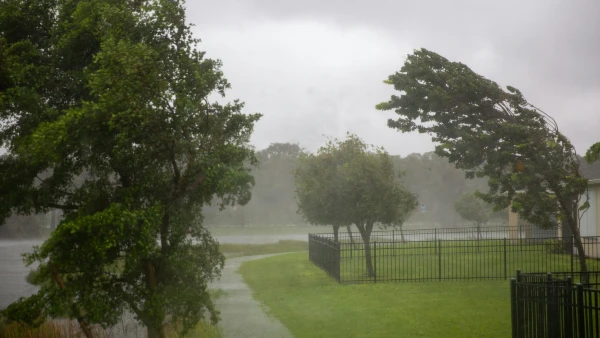
Once the strong winds have calmed down, the rain has stopped, and there are no more flying debris in the wind, we recommend checking for foundation damage so you get an idea of the potential repair costs (if any).
1. Check for Visual Signs of Trouble
Start with the basics. Walk around the outside of your home and look for cracks in the foundation. Are they new? Are they bigger than they were before? Afterward, go to your interior rooms and look at the walls, floors, and ceilings. Some signs that something might’ve shifted underneath include doors that don’t close like they used to, windows that stick to the frame, and sloping floors.
2. Take Photos of Everything
Take clear pictures of every crack, gap, or spot that seems to have issues. That’s your record. It will help when you talk to your insurance company, or if a contractor needs a quick look at what’s going on.
3. Don’t Try to Patch It Yourself
YouTube has a video tutorial for everything, but damage to your home’s foundation due to powerful storms isn’t the kind of thing you want to tackle by yourself. A hairline crack might not seem like much, but patching over it without fixing the root cause can lead to further damage and make things worse later. This is a job for professionals who know how to check the soil, measure the shift, and properly improve the structure’s overall stability.
4. Call a Foundation Specialist
Reach out to someone who deals with storm-related damage often, like our crew at Powerlift Foundation Repair. We’ll do a thorough inspection after the hurricane, tell you our findings, and recommend the right, long-term fix for your specific foundation and soil type.
Proactive Ways to Protect Your Foundation
Hurricane-force winds and rain are unfortunately unstoppable. However, you can make your home tougher against the damage they bring. These steps aren’t foolproof, but they go a long way in keeping your foundation out of trouble.
1. Grade Your Yard Properly
Water should always flow away from your house. The soil around your foundation should slope downward so rainwater moves out and away instead of pooling near the slab or crawl space
2. Install a French Drain or Drain Tile System
If your yard tends to hold water after storms, talk to a contractor about drainage solutions like French drains or underground pipes. They help direct water away from your house and reduce pressure against the foundation walls.
3. Keep Your Gutters and Downspouts Working
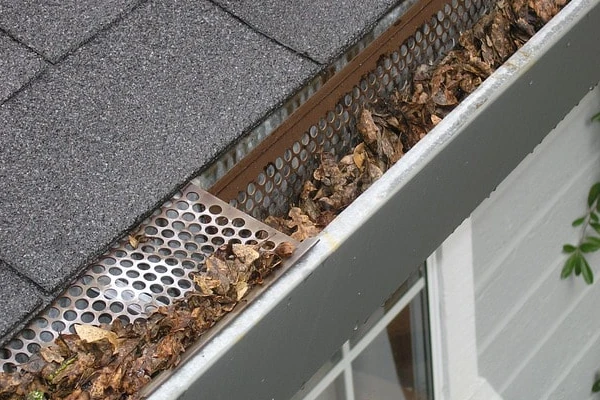
Gutters that overflow send water straight down to your foundation. Make sure they’re clear of leaves, and that the downspouts extend at least 4-6 feet away from the house.
4. Waterproof Your Basement or Crawl Space
This can mean applying waterproof coatings, installing a sump pump, sealing foundation cracks, or even using vapor barriers. The goal is to keep water out before it has a chance to accumulate and cause water damage.
Safety Precautions Before, During, and After the Storm
Protecting your family and property from destructive forces like hurricanes starts with a solid plan. Hurricanes don’t always hit with much warning, so it helps to prepare ahead of time. Below, Powerlift Foundation Repair has prepared a combination of safety tips and proactive steps that property owners can take to protect their foundation:
1. Before the Storm
- Check your home’s surroundings and clear any debris or items that can turn into flying hazards.
- Make sure your gutters are clean so water can flow away from the house.
- If you live in an area where flooding is common, consider adding sandbags or barriers around your foundation.
- Store important documents in waterproof containers and make sure you know where your shutoff valves are (for gas, water, and power).
- Make sure your cell phone is fully-charged, or that you have a way to charge your device if you ever need to (for example: a fully-charged power bank).
- If local authorities advise you to evacuate, then do so right away.
2. During the Storm
- Make sure you’re in a safe place—a spot where the hurricane’s powerful forces can’t easily affect you.
- Stay inside and away from windows.
- Avoid going into the basement or crawl space during active flooding or high winds.
- Unplug electronics and shut off power if it’s safe to do so.
3. After the Storm
- If you were advised by local officials to evacuate, then wait for their confirmation that it’s safe for you to return home before doing so.
- Be cautious when walking around the property. Floodwater can hide debris or sharp objects.
- You might be tempted to clean up right away, but doing so when you’re not physically up to the task can increase the risk of medical issues like heart attacks and heat strokes. If you really need to clean up, make sure you do it without overexerting yourself.
- Determine essential repairs that you’ll need to arrange.
- If you’re dealing with urgent, catastrophic damage to your foundation and house, call for professional help immediately.
You can find plenty of other resources about hurricane safety online, including the American Red Cross’ Hurricane Preparedness Checklist.
How Hurricanes Affect Different Types of Foundations
Hurricanes can wreak havoc on all types of properties and cause all kinds of foundation issues. But how that damage shows up ultimately depends on the kind of foundation you have.
1. Slab-on-Grade Foundations
Slab foundations are built right on top of the soil with no crawl space underneath, so they’re usually low on the ground. That’s great for stability, but it can be vulnerable to flooding. Heavy rain during a hurricane can affect the soil conditions beneath the slab, leading to issues like soil erosion, foundation cracks, and foundation settlement. Even if you don’t notice it right away, the potential damage caused by hurricanes can build as time passes.
One thing to watch for: If water starts pooling around your house and doesn’t drain fast enough. You could end up with pressure against the slab that pushes it out of alignment.

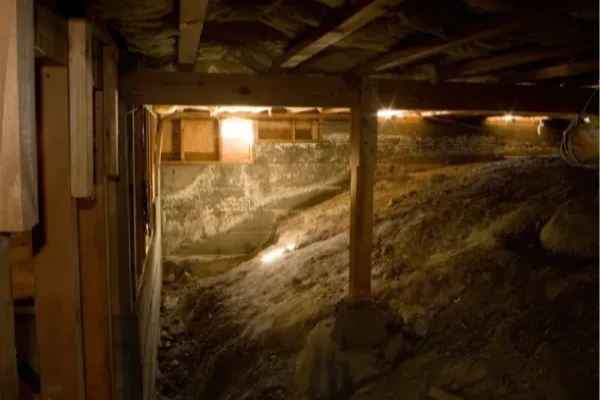
2. Crawl Space Foundations
Properties with crawl spaces sit a little higher off the ground, which helps with ventilation and moisture control—at least under normal circumstances. But once a hurricane rolls through and dumps several inches of rain in a short amount of time, that crawl space can accumulate water.
The problem isn’t just the water level, either. It’s what the water does. It can soften the soil and cause the support piers to shift. If the wood beams under your house soak up moisture, they can start to rot, sag, or twist. That leads to creaky, uneven floors, water damage, and in serious cases, compromised structural integrity wherein parts of the house can sink.
Additionally, if you get mold down there, that can also cause a host of other problems. Mold growth happens fast in dark, damp crawl spaces, and once it gets into your air ducts, you’re breathing it in.
3. Basement Foundations
If your home has a basement, you’ve got another set of things to think about during hurricane season, especially if the hurricane brings storm surges and torrential rain with it. Basements are magnets for water, and if you’re not careful, you might end up with foundation problems.
Once the soil around your basement gets waterlogged, the pressure on the walls builds up. That’s how you end up with bowing walls, leaks, or cracks that widen as time passes. It’s important to check your basement and sump pump (if applicable) after heavy rainfall and other natural disasters.

Commonly Asked Questions About Hurricanes and Foundation Safety
Reach Out Before Small Problems Get Bigger
If your home took a hit from a hurricane, or you’ve noticed signs that something’s not quite right underneath, reach out to Powerlift Foundation Repair to learn about our residential and commercial foundation repair. We can help prevent water damage, repair existing foundation issues, or improve your foundation’s overall protection.
Give us a call at 1-800-562-5438 or get a free quote!