Natural Disasters

Permits for Home Foundation Work

When homeowners think about foundation repairs, permits are rarely the first thing that comes to mind. Cracks, uneven floors, and sticking doors usually get all the attention. But permits for home foundation work play a critical role in protecting your house, your safety, and your investment. Whether you are dealing with minor repairs or major structural changes, understanding when a building permit is required can save you time, money, and serious legal trouble.

At Powerlift, we help homeowners navigate not just foundation repairs, but also the process behind them. Knowing when a foundation repair permit is needed and how the permit process works makes foundation work smoother and far less stressful.

Why Permits Matter for Foundation Repairs

Permits for Home Foundation Work

Building permits exist for one main reason: safety. Foundation work directly affects the structural integrity of a home. When foundation walls, grade beams, or foundation piers are altered, local authorities want to make sure the work follows building codes and protects the home’s structural framework.

Permits also protect homeowners from unpermitted work that could cause problems later. Selling a house with unpermitted foundation work can lead to legal repercussions, failed inspections, or costly corrections. Proper permits confirm that the work meets local building codes, international building code standards, and city regulations.

Not All Foundation Repairs Require a Permit

One common misconception is that every foundation repair automatically requires a permit. That is not always the case. Not all foundation repairs fall under the same category.

Minor repairs like sealing small cracks, cosmetic fixes, or surface-level concrete patching often do not require a permit. These repairs do not typically affect the structural building system or load-bearing components.

However, foundation repairs require permits when they involve structural work. Examples include installing foundation piers, helical piers, grade beams, or making structural changes to existing structures. Any work that affects the home’s structural integrity or alters foundation walls usually requires a foundation repair permit.

When in doubt, it is always best to check with the local building department before work begins.
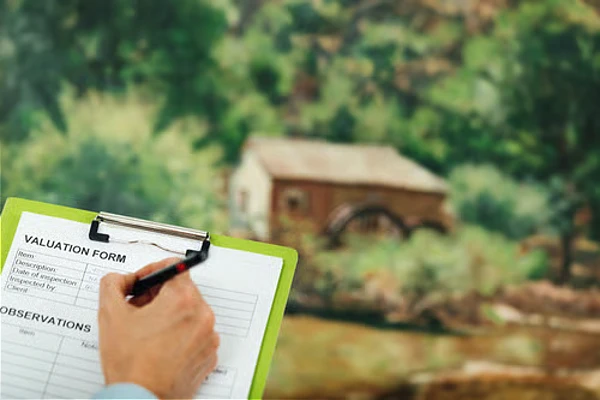
home foundation repair form

Understanding the Local Building Department’s Role

The local building department oversees building permits, inspections, and code compliance. This department reviews permit applications, construction documents, site plans, and structural work details before issuing permit approval.

They also conduct multiple inspections at different stages of the project. These inspections help verify that foundation work follows local building codes and safety standards.

Local authorities are not there to make things difficult. Their role is to protect homeowners and the surrounding community by making sure foundation repairs are completed correctly.

Common Foundation Work That Requires a Permit

Foundation work that typically requires a permit includes:

  • Installing foundation piers or helical piers
  • Structural changes to foundation walls
  • Structural framework modifications
  • Grade beams or support system installation
  • Crawl space structural repairs
  • Fire restoration that impacts the foundation
  • Structural work affecting existing structures
  • Repairs near property lines

If a contractor tells you no permit is needed for major structural work, that should be a red flag.

The Permit Process Explained Simply

construction worker uses blending drill

The permit process may sound intimidating, but it is usually straightforward when handled correctly.

First, permit applications are submitted to the building department. These applications often include construction documents, site plans, and details about the foundation work.

Next, the building department reviews the plans to confirm they meet building codes and local regulations. Once approved, the permit is issued, and work can begin.

During construction, inspections are scheduled at different stages. These inspections help verify that the foundation repairs are progressing safely and correctly. After the final inspection, the permit is marked as completed.

Experienced contractors handle this process regularly and help homeowners avoid delays or mistakes.

Who Is Responsible for Obtaining the Permit?

In most cases, the contractor is responsible for obtaining the proper permits. Homeowners should always confirm this before work begins.

At Powerlift, we guide homeowners through the process and work directly with the local building department when permits are required. When homeowners work with Powerlift Foundation Repair in OKC, they know the necessary permits are handled correctly from start to finish.

If a homeowner chooses to manage permits themselves, it is important to understand local codes and requirements. Improper permits or missing documentation can delay the project and increase costs.

Permits, Inspections, and Costs

Permits do come with a cost, but that cost is small compared to the risk of unpermitted work. Permit fees vary by city and project size. Minor permits may cost less, while large structural projects may involve higher fees and multiple inspections.

Skipping permits to save money often leads to bigger expenses later. Unpermitted foundation work can cause failed inspections, fines, and forced corrections.

Why Building Codes Matter

Building codes exist to protect homes from unsafe structural changes. Local building codes and the international building code provide standards for structural integrity, fire safety, and long-term durability.
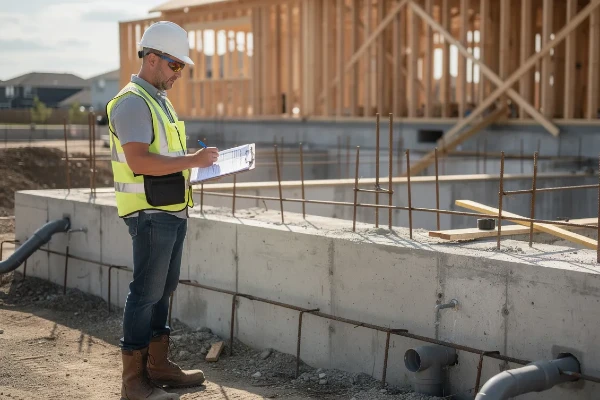
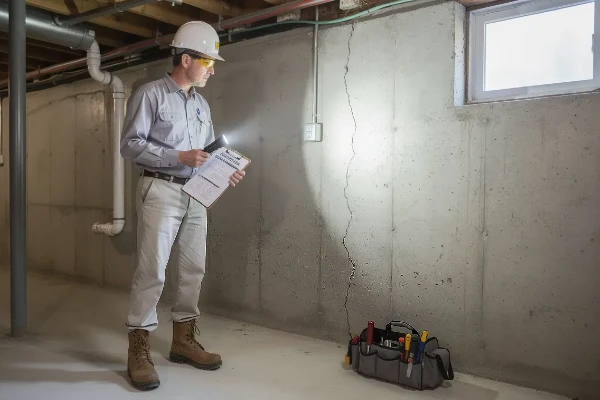
man conducting an inspection while holding a checklist

The Risks of Unpermitted Foundation Work

Unpermitted work can lead to serious consequences. Homeowners may face legal repercussions, failed home inspections, insurance issues, or difficulty selling the property.

Insurance companies may deny claims related to unpermitted foundation repairs. Homeowners insurance policies often require proof that work followed building codes.

Unpermitted work can also compromise safety. Without inspections, mistakes may go unnoticed until major damage occurs.

How Powerlift Helps Homeowners Navigate Permits

Powerlift understands that homeowners want foundation repairs done right the first time. We help determine when a permit is required, work with the local building department, and schedule inspections when needed.

Our experience with similar situations allows us to guide homeowners through the permit process without unnecessary stress. From minor repairs to major structural projects, we help ensure all necessary permits are in place before work begins.

Frequently Asked Questions About Foundation Permits

Do all foundation repairs require a permit?

No. Minor repairs such as sealing small cracks often do not require a permit. Structural repairs usually do.

Who checks if a permit is required?

The local building department determines permit requirements based on the scope of work.

Can homeowners apply for permits themselves?

Yes, but most homeowners prefer the contractor to handle it due to complexity.

What happens if work starts without a permit?

The city may stop the project, issue fines, or require costly corrections.

Do permits delay the project?

When handled properly, permits usually cause minimal delays.

What Homeowners Should Do Before Foundation Work Begins

Before foundation work begins, homeowners should:

  • Ask the contractor if permits are required
  • Confirm who will obtain the permits
  • Verify inspections are included
  • Avoid unpermitted work
  • Work with experienced professionals

Taking these steps protects the home and prevents future problems.

Start Your Foundation Repair the Right Way

Start Your Foundation Repair the Right Way

Permits for home foundation work may seem like a hassle, but they play a vital role in protecting homeowners and their property. From maintaining structural integrity to avoiding legal repercussions, proper permits make all the difference.

Foundation repairs are an investment in your home’s future. Working with a contractor who understands the permit process helps ensure that investment is protected.

If you are planning foundation repairs and are unsure whether a permit is required, contact Powerlift. Our team is ready to answer your questions, handle the permit process when needed, and complete your foundation work safely and professionally.

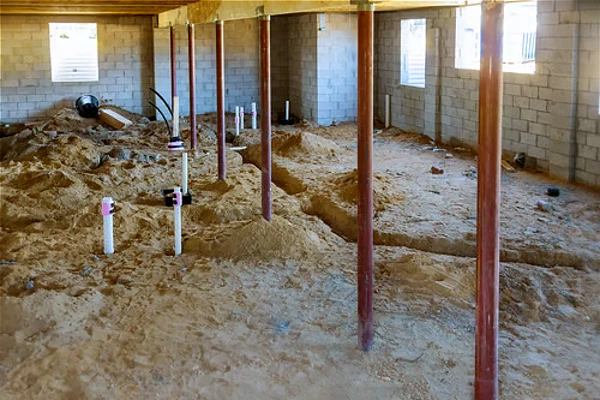
Permits for Home Foundation Work2026-01-26T09:50:20-06:00

Understanding Residential Foundation Failures: Causes and Solutions

Your home’s foundation is the bedrock of your property’s safety and value. When foundation problems emerge, they can threaten your entire structure, leading to costly repairs and compromising your home’s structural integrity. Understanding residential foundation failures isn’t just about recognizing warning signs—it’s about protecting your investment and ensuring your family’s safety for years to come.

Foundation issues affect thousands of homeowners annually, with repair costs ranging from minor fixes to extensive structural interventions. The soil beneath your home, moisture changes, and even extreme weather conditions all play critical roles in foundation health. Whether you’re dealing with hairline cracks or bowing basement walls, early detection and prompt attention can mean the difference between a simple repair and structural collapse.

Our goal at Powerlift is simple: protect your home’s structural integrity and give you peace of mind. When foundation issues are handled early and correctly, you’re not just repairing damage — you’re preserving your home for years to come.

Understanding Residential Foundation Failures

What Causes Residential Foundation Failures?

Foundation failure doesn’t happen overnight. Multiple factors work together to compromise your home’s structural integrity, with soil composition and moisture infiltration being the primary culprits. Understanding these causes helps you take immediate action before minor problems escalate into serious issues.

Poor Soil Conditions and Settlement

The soil beneath your foundation determines its long-term stability. Clay soils, common in many regions, present unique challenges because they undergo dramatic volume changes with moisture fluctuations. When clay soil expands during wet seasons, it puts pressure on foundation walls, pushing them inward and creating stress fractures. Conversely, during dry periods, the same soil shrinks, leaving voids that cause foundation settlement.

Poorly compacted fill soil represents another major concern. When builders don’t properly compact the soil before construction, the weight of the entire house gradually compresses it over time, leading to uneven or sloping floors throughout your home. This settling process can continue for years after construction, causing progressive foundation damage that worsens without intervention.

Expansive soils can exert tremendous force—up to 5,000 pounds per square foot—on foundation walls and concrete slabs. This hydrostatic pressure creates horizontal cracks in basement walls and can even crack concrete slab foundations. Tree roots near your foundation compound these issues by extracting moisture from the soil, creating voids and causing the foundation to settle unevenly.

Installing sewer pipe in the ground basement mount a new pipe on the floor

Water Drainage and Foundation Problems

Poor drainage stands as the leading preventable cause of foundation issues. When water accumulates around your foundation, it saturates the soil beneath, reducing its load-bearing capacity and causing foundation shifts. Gutters clogged with debris overflow during heavy rains, directing water straight down beside foundation walls instead of away from your home’s exterior.

Plumbing leaks beneath your concrete slab or near foundation walls introduce excess moisture that undermines structural stability. These hidden leaks can persist for months, gradually eroding soil and creating voids that lead to foundation settlement. The constant moisture infiltration also promotes mold growth in crawl spaces and along basement walls, creating health hazards alongside structural concerns.

Improper grading around your entire structure directs surface water toward rather than away from your foundation. Ideally, the ground should slope away from your home’s foundation at a rate of six inches over ten feet. Without proper drainage, heavy rainfall pools against exterior walls, eventually finding its way through even minor cracks and compromising your home’s structural integrity from within.

Weather and Environmental Factors

Extreme weather events increasingly threaten foundation stability across all regions. Heavy rains saturate the soil, causing it to expand and push against foundation walls with enormous force. This pressure creates vertical cracks and stair step cracks in block walls, particularly where mortar joints prove weaker than the blocks themselves.

Freeze-thaw cycles in colder climates pose serious threats to foundations. When water seeps into small cracks and freezes, it expands with incredible force, widening existing damage into large cracks. Each freeze-thaw cycle throughout winter progressively worsens foundation damage, transforming hairline cracks into structural problems requiring extensive foundation repair.

Drought conditions present the opposite challenge. Extended dry periods cause soil shrinkage, particularly in clay-heavy soil composition. As the soil contracts, it pulls away from your foundation, leaving gaps and reducing support. When heavy rains eventually arrive, the suddenly rehydrated soil expands rapidly, creating dramatic pressure changes that cause foundation shifts and new stress fractures.

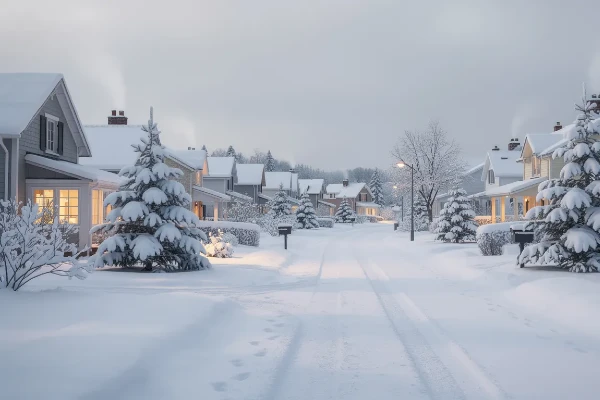
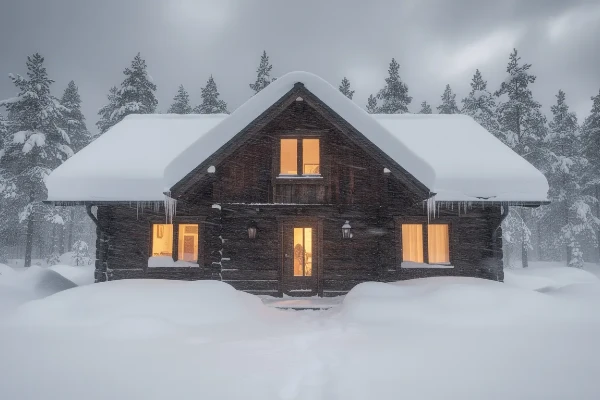
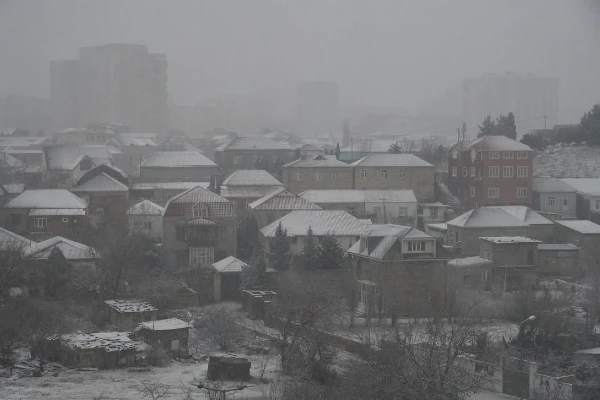
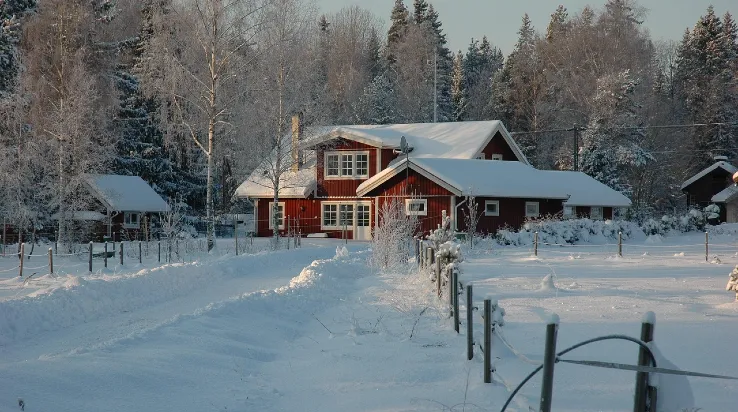
houses blanketed in snow during the winter season

Flooding represents an extreme case where water completely saturates the soil beneath your foundation. The buoyant force of groundwater can actually lift lighter foundations, while the erosion undermines heavier structures. Post-flood soil compaction issues often lead to progressive foundation settlement as the ground resettles unevenly.

Recognizing Signs of Foundation Issues

Early detection of foundation problems dramatically reduces increased repair costs and prevents structural damage from spreading throughout your entire house. Knowing what warning signs to look for empowers you as a homeowner to seek professional help before minor issues become catastrophic structural problems.

Structural Warning Signs

Foundation cracks represent the most obvious indicators of foundation failure. However, not all cracks signal serious trouble. Hairline cracks less than 1/16 inch wide in newly poured concrete often result from normal curing shrinkage. By contrast, horizontal cracks in basement walls indicate serious lateral pressure from soil and moisture—these demand immediate action from skilled professionals.

Stair step cracks following mortar joints in block walls reveal foundation settlement or lateral movement. These diagonal cracks typically start small but widen progressively as foundations fail to adequately support your home’s weight. Wall cracks wider than 1/4 inch or those allowing light or water penetration require prompt attention from a structural engineer.

Uneven floors signal foundation settlement beneath specific areas of your home. Place a marble on your floor—if it rolls consistently toward one area, you’re experiencing sloping floors caused by differential settlement. Floor cracks often accompany this settling, particularly where floor joists attach to foundation walls or where stress concentrates around doorways and load-bearing walls.

Bowing basement walls indicate severe hydrostatic pressure pushing against foundation walls from outside. This structural issue typically worsens during spring thaws and after heavy rainfall when groundwater levels peak. Walls bowing inward more than two inches require immediate intervention to prevent structural collapse.

Exterior and Interior Indicators

Doors and windows that suddenly stick or refuse to close properly often indicate foundation shifts changing your home’s frame geometry. As foundations settle unevenly, they twist the entire structure minutely, binding doors in their frames and preventing windows from operating smoothly. This common foundation problem frequently appears before visible foundation cracks emerge.

Gaps between walls and ceilings or walls and floors reveal your home’s exterior pulling away from its foundation. These separations start small but expand as foundation damage progresses. You might also notice cracks in exterior brick or siding following a stair step pattern—a sure sign of underlying foundation issues affecting your entire house.

Basement or crawl space moisture signals poor drainage allowing water near your foundation. Standing water, dampness, or musty odors indicate water infiltrating through foundation cracks or seeping through porous concrete. This excess moisture not only threatens structural integrity but also promotes mold growth that damages stored items and degrades indoor air quality.

Nature in the window

Counters and cabinets separating from walls indicate significant foundation movement. These fixtures, once level and flush, pull away as foundations settle unevenly. In extreme cases, you might observe floor cracks radiating from corners where stress concentrates, or notice that interior walls no longer meet at perfect right angles.

Professional Foundation Inspections and Diagnosis

While homeowners can identify obvious warning signs, comprehensive foundation inspections require skilled professionals with specialized equipment. A structural engineer or foundation repair specialist examines your entire structure systematically, identifying both visible damage and underlying causes that escape untrained observation.

Professional inspectors use laser levels to measure floor slopes precisely, documenting even minor settlement patterns. They examine crawl spaces and basement areas where foundation problems often first appear but go unnoticed by homeowners. Advanced techniques like soil testing reveal soil composition issues, while moisture meters detect hidden water infiltration even through apparently dry walls.

The inspection process typically includes examining exterior walls for cracks, checking proper drainage systems, and assessing how tree roots might affect your foundation. Professionals also evaluate your home’s structural integrity holistically, understanding how foundation issues in one area create stress fractures elsewhere throughout the structure.

Don’t wait until you notice cracks or uneven floors to schedule foundation inspections. Annual preventive inspections catch minor problems before they escalate, potentially saving tens of thousands in increased repair costs. If you’re buying a home, insist on thorough foundation evaluation—ignoring foundation problems during purchase negotiations leaves you responsible for expensive repairs discovered later.

Foundation Repair Solutions and Prevention

Modern foundation repair techniques address both symptoms and underlying causes of foundation failure. From underpinning settled foundations to waterproofing basement walls, today’s solutions provide permanent fixes backed by transferable warranties that protect your investment.

Steel piers driven to bedrock or load-bearing strata stabilize settled foundations permanently. These hydraulically-driven piers bypass unstable surface soils, anchoring your foundation to stable earth deep underground. The synchronized lifting system raises settled portions of your foundation, often achieving dramatic crack closure and restoring floor levelness.

For concrete slab foundations, high density polyurethane foam injection fills voids beneath the slab and raises settled areas precisely. This minimally invasive technique requires only small drill holes and typically completes in a single day. The expanding foam also waterproofs the area, preventing future moisture infiltration that could cause additional foundation settlement.

Powerlift working

Waterproofing addresses moisture-related foundation problems at their source. Exterior drainage systems divert water away from foundation walls, while interior drainage with sump pumps handles groundwater infiltration. Applying waterproof coatings to basement walls and installing vapor barriers in crawl spaces prevents moisture changes from affecting your home’s foundation.

Wall anchors and carbon fiber straps stabilize bowing basement walls without excavation. These systems counteract the hydrostatic pressure pushing walls inward, preventing further movement and often allowing gradual straightening over time. For severely damaged block walls, complete wall replacement or rebuilding may prove necessary in extreme cases.

Preventing Foundation Problems

Preventing foundation problems costs far less than foundation repair. Maintain proper drainage by keeping gutters clean and ensuring downspouts discharge water at least six feet from your foundation. During dry periods, water your foundation perimeter to maintain consistent soil moisture, preventing dramatic shrinkage that causes settlement.

Monitor large trees near your home’s foundation—roots seeking water can extend one to two times the tree’s canopy width. Consider removing trees within ten feet of your foundation or install root barriers to direct growth away from foundation walls. The small crack created by an invasive root can become a large crack admitting significant water during heavy rains.

Address small problems immediately. That hairline crack you’re tempted to ignore allows water infiltration that freezes, expands, and transforms minor cracks into structural issues requiring professional help. Seal foundation cracks promptly with appropriate materials, and investigate underlying causes rather than just treating symptoms.

Regular foundation inspections every three to five years catch developing problems while repairs remain simple and affordable. After extreme weather events—flooding, drought, or unusually heavy rainfall—conduct visual inspections for new warning signs. Prompt attention to emerging foundation issues prevents structural damage from spreading throughout your entire structure.

Your Home Deserves a Solid Foundation

Understanding residential foundation failures empowers you to protect your home’s structural integrity and avoid catastrophic structural damage. From recognizing signs of foundation problems like wall cracks and uneven floors to implementing proper drainage and scheduling professional inspections, proactive homeowners prevent minor issues from becoming serious structural problems.

Foundation walls and the soil beneath them work together to support your entire house. When moisture changes, poor soil composition, or structural stress compromise this system, putting pressure on your investment and your family’s safety. Whether you’re dealing with foundation settlement, bowing basement walls, or hairline cracks that concern you, immediate action prevents increased repair costs and preserves your home’s value.

Don’t wait to address foundation issues. Contact us today for a comprehensive foundation inspection.

a house with a strong foundation

Our experienced team identifies signs of foundation failure early and provides permanent solutions backed by lifetime warranties. Call 1-800-562-5438 for your free estimate and protect your home’s foundation before minor problems require major intervention.

Understanding Residential Foundation Failures: Causes and Solutions2026-01-26T07:11:13-06:00

Essential Foundation Inspection: Winter Tips To Protect Your Home

Winter has a way of exposing problems that were easy to ignore during warmer months. When temperatures drop, soil freezes, moisture expands, and foundation issues that once seemed minor can quickly turn into costly repairs. That is why knowing how to spot foundation problems before winter arrives is one of the smartest moves a homeowner can make.

At Powerlift, we help homeowners take a proactive approach to foundation care. The perfect time to inspect your home’s foundation is during fall, before cold weather, snow, and ice begin to place extra stress on the structure. Spotting early warning signs now can save you from expensive repairs in the spring.

Why Foundation Inspection Before Winter Is Crucial

Essential Foundation Inspection Winter Tips To Protect Your Home

Winter creates the toughest conditions for your foundation. When the ground freezes, the soil beneath your house expands and shifts. This movement places pressure on foundation walls and concrete slabs. If foundation concerns already exist, winter months can worsen them quickly.

A foundation inspection; winter scheduling by homeowners helps address issues before freezing temperatures amplify them. Waiting until spring to fix foundation problems typically means facing worse damage and higher repair costs.

Foundation inspections help identify:

  • Early signs of foundation movement
  • Cracks that may worsen during winter
  • Areas at risk for water intrusion
  • Structural issues that could affect stability

Catching these problems early protects your home’s structural integrity and keeps repairs manageable.

Common Causes of Foundation Problems Before Winter

Understanding what leads to foundation damage makes it easier to spot the warning signs. Some of the most common causes include:

  • Soil shifting due to moisture changes
  • Foundation settlement over time
  • Poor drainage allowing water to collect near the foundation
  • Melting snow soaking into the ground around the house
  • Cold weather causing the ground to freeze and expand
  • Cracks that allow moisture to seep into concrete

Even homes that appear stable can develop foundation issues if these conditions are present.

Why Foundation Inspection Before Winter Is Crucial

Signs of Foundation Problems to Watch For

Your home often tells you when something is wrong. Knowing what signs of foundation issues look like helps you act before winter makes them worse.

Cracks in Walls or Floors

Cracks are one of the most obvious signs of foundation damage. Small hairline cracks can be normal, but widening cracks, stair-step cracks, or cracks that reappear after repair can signal foundation movement.

Check interior walls, exterior walls, basement walls, and floors for new or expanding cracks.

Uneven Floors

If floors feel sloped or uneven, this may indicate foundation settlement. Uneven floors often become more noticeable as temperatures drop and soil shifts beneath the house.

Doors and Windows That Stick

When foundation movement occurs, door and window frames can shift. If you notice doors that do not close properly or windows that suddenly stick, this could be a sign of foundation problems.

Gaps Around Doors and Windows

Gaps between walls and door frames or windows may indicate shifting in the structure. These gaps often grow larger during winter months.

Leaning Walls or Chimney

Signs of Foundation Problems to Watch For

Leaning walls or a leaning chimney are serious warning signs of foundation damage. These issues require professional inspection immediately.

Water Intrusion and Moisture Issues

Water intrusion in basements or crawl spaces is a leading cause of foundation concerns. Moisture combined with freezing temperatures can worsen foundation damage rapidly.

How Winter Makes Foundation Issues Worse

Winter does not usually create foundation problems from scratch. Instead, it magnifies existing issues.

Here is what happens when cold weather arrives:

  • Ground freezes and expands
  • Soil shifts and applies pressure to foundation walls
  • Existing cracks widen as moisture freezes inside them
  • Foundation movement becomes more severe
  • Structural issues spread throughout the house

Foundation problems that might seem manageable in fall can become expensive repairs by spring if left unaddressed.

Why Fall Is the Best Time for Foundation Inspection

Fall offers ideal conditions for inspecting your foundation. The ground is still accessible, temperatures are moderate, and damage from winter has not yet occurred.

Scheduling a foundation inspection before winter allows homeowners to:

  • Assess foundation stability
  • Address cracks and moisture issues
  • Plan foundation repair without emergency pressure
  • Avoid dealing with contractors during peak winter demand

Waiting until winter or spring often means dealing with worsening damage and fewer scheduling options.

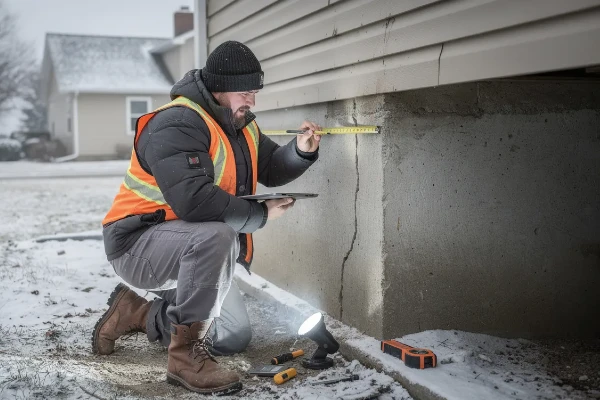
A professional is conducting a thorough foundation inspection in a home

Professional Foundation Inspection vs DIY Checks

While homeowners can spot visible signs, a professional foundation inspection provides a deeper assessment. Foundation contractors use experience and tools to evaluate foundation walls, floors, soil conditions, and structural integrity.

A professional inspection can determine:

  • Whether cracks are cosmetic or structural
  • The cause of foundation movement
  • Risk areas for winter damage
  • The right repair approach for your specific situation

Working with a trusted foundation company like Powerlift gives you clear answers and reliable solutions. When foundation settlement or voids beneath concrete are identified early, high density polyurethane foam injection can be an effective solution. This method stabilizes the ground beneath the foundation, lifts settled areas, and helps restore stability before winter freeze cycles make the damage worse.

Foundation Repair Options Before Winter

Not all foundation problems require major repairs, especially when caught early. Common foundation repair options include:

  • Crack sealing to prevent moisture intrusion
  • Drainage improvements to manage water flow
  • Soil stabilization to reduce movement
  • Structural support for settling foundations

Early repairs significantly reduce the risk of further damage during winter months.

The Cost of Waiting Too Long

Ignoring foundation problems often leads to expensive repairs. What begins as a minor crack or small settlement issue can escalate into major structural damage.

Winter can cause:

  • Larger cracks
  • Increased foundation movement
  • Mold growth due to moisture
  • Greater repair complexity

Addressing foundation issues before winter is one of the most cost-effective decisions homeowners can make.

What Homeowners Should Do Before Winter

Here are proactive steps to take before temperatures drop:

  • Schedule a foundation inspection
  • Check for cracks around the house
  • Monitor doors and windows for changes
  • Inspect crawl spaces and basements for moisture
  • Address drainage issues around the site
  • Contact a foundation professional for expert advice

Taking these steps helps protect your home and reduces the risk of winter damage.

How Powerlift Helps Homeowners Prepare

Powerlift specializes in foundation inspections and foundation repair services designed to protect homes through winter and beyond. Our team understands how cold weather, soil shifting, and moisture affect foundations.

We help homeowners by:

  • Identifying foundation concerns early
  • Offering tailored repair solutions
  • Providing professional inspections
  • Preventing costly repairs through proactive work

Our hard work focuses on long-term stability, not quick fixes.

Do Not Wait Until Spring

Many homeowners wait until spring to deal with foundation issues. By then, winter damage has already occurred. Cracks widen, floors shift, and repairs become more expensive.

Fall is the perfect time to inspect, assess, and address foundation problems. Acting now gives your home the protection it needs before winter sets in.

Partner With Powerlift for Foundation Protection

Spotting foundation problems before winter can make all the difference for your home. Cold weather, freezing temperatures, and soil movement place extra stress on foundations that already have potential issues.

By scheduling a foundation inspection, addressing early signs, and working with experienced contractors, homeowners can protect their house from further damage and costly repairs.

If you have noticed cracks, uneven floors, sticking doors, or moisture issues, do not wait. Contact Powerlift today to schedule an inspection and take proactive steps to protect your foundation before winter arrives.

A powerlifting professional is conducting a foundation inspection during the winter months
Essential Foundation Inspection: Winter Tips To Protect Your Home2026-01-26T07:07:23-06:00

Winter Property Foundation Care: Winterizing Your Property to Prevent Issues

Winter weather can be tough on any property. The home’s foundation is especially important, as winter weather, soil movement, and moisture can impact its stability and integrity. While snow-covered roofs and icy sidewalks are obvious concerns, what happens beneath your building is just as important. Winterizing your property to protect the foundation is one of the smartest steps you can take to avoid foundation issues, structural damage, and costly repairs when temperatures drop.

At Powerlift, we help property owners prepare their homes and buildings for winter long before freezing temperatures arrive. Proper foundation care during fall and early winter can make all the difference in maintaining structural integrity and avoiding long-term problems.

Let’s break down how winter affects foundations, what warning signs to watch for, and the proactive steps that protect your property. Foundation care should be a year-round concern for homeowners to prevent costly repairs.

winter property foundation care

Understanding Foundation Care

Foundation care is the cornerstone of maintaining your home’s structural integrity. Your foundation supports the entire structure, and its health directly impacts the safety and value of your property. Taking proactive steps to protect your foundation is essential for preventing costly repairs and avoiding foundation issues that can threaten your investment.

A strong foundation care routine starts with ensuring proper drainage around your home. Directing water away from foundation walls helps prevent soil erosion and excessive moisture, both of which can weaken the foundation and lead to structural damage. Regular inspections are also key—catching small problems early can make all the difference in avoiding major repairs down the line.

By prioritizing foundation care, homeowners can prevent soil erosion, protect against structural damage, and address potential foundation issues before they escalate. Simple, proactive steps like maintaining proper drainage, monitoring for excessive moisture, and inspecting foundation walls help safeguard your home’s foundation and preserve the stability of your entire structure.

Why Winter Property Foundation Care Matters

During winter, the soil around your property changes constantly. The stability and integrity of your home’s foundation can be affected by winter weather, soil movement, and moisture, which together create conditions that may lead to foundation problems if not addressed. When temperatures drop, soil freezes and expands. When temperatures rise, it contracts. This repeated freeze thaw cycle causes soil movement and pressure against foundation walls.

If your property has clay rich soil, the risk is even higher. Clay holds moisture, which leads to greater soil expansion during freezing temperatures. Over time, this can cause foundation settling, uneven floors, visible cracks, and even significant movement that affects the entire structure.

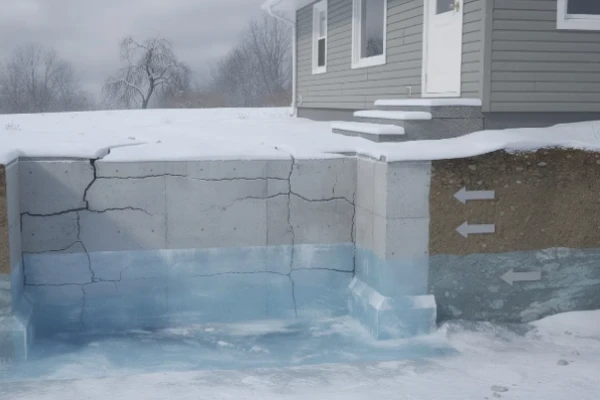
The foundation is insulated with special blue polystyrene, the bars of the reinforced.

Winter property foundation care is not about reacting to damage. It is about preventing it.

The Role of Moisture and Drainage in Winter Foundation Damage

Moisture is one of the biggest threats to any foundation during winter weather. Excessive moisture in the surrounding soil increases soil pressure and creates conditions for frost heave. Frost heave occurs when frozen soil pushes upward, potentially leading to foundation damage and structural issues.

Key moisture-related risks include:

  • Improper drainage near the foundation
  • Clogged gutters and downspouts
  • Water pooling around the foundation perimeter
  • Excess water from melting snow and ice buildup
  • Poor grading that allows water to sit near the structure

To protect your foundation, it is essential to direct water away from the building and maintain a consistent moisture level around the foundation.

Common Winter Foundation Problems to Watch For

As winter approaches, property owners should stay alert for early warning signs. Minor cracks can grow quickly once freezing temperatures set in.

Common foundation issues during winter include:

  • Hairline cracks or stair step cracks in foundation walls
  • Uneven floors inside the building
  • Visible cracks near windows or doors
  • Water intrusion in crawl space or basement areas
  • Moisture buildup and mold growth
  • Gaps forming around the foundation perimeter

Catching these signs early allows for timely repairs and helps prevent further damage.

Unfinished construction - a house made of porous blocks in winter, suspension during

Fall Maintenance Makes All the Difference

Fall foundation care sets the stage for winter protection. A solid fall maintenance routine helps reduce winter damage and keeps moisture under control.

Important fall maintenance steps include:

  • Cleaning gutters and downspouts to prevent clogs
  • Extending downspouts away from the foundation
  • Checking grading around the foundation to avoid water pooling
  • Inspecting foundation walls for minor cracks
  • Sealing visible cracks to prevent moisture infiltration
  • Verifying sump pump operation before heavy snow arrives

Preventing moisture infiltration before winter begins helps protect your foundation when snow accumulates and ice melts repeatedly.

Mid-Article Linking Keyword Placement

For property owners managing larger buildings or business facilities, winter preparation is even more critical. Structural movement and foundation settlement can disrupt operations and create safety concerns. That is why many property managers turn to commercial foundation repair services to address early warning signs and stabilize foundations before winter damage escalates.

How Soil Movement Affects Foundations in Winter

Soil movement is not always visible, but its effects are. As soil freezes, it expands upward. When it thaws, it contracts. This upward movement and settling can put stress on foundation walls and lead to uneven settling.

In areas with heavy snow, the weight of snow combined with moisture infiltration increases soil pressure. When ice melts, excess moisture flows toward low spots near the foundation unless proper drainage is in place.

Without proactive steps, this cycle can lead to:

  • Foundation settling
  • Structural damage
  • Uneven floors
  • Worsening cracks
  • Water intrusion

Over time, even minor cracks can develop into serious foundation problems.

Rural farming community, agricultural fields covered by snow.

Preventing Soil Erosion and Water Pooling

Soil erosion weakens the support beneath your foundation. Winter conditions accelerate erosion when melting snow and ice wash soil away from the foundation perimeter.

To prevent soil erosion:

  • Maintain proper grading around the foundation
  • Use gravel or soil to fill low spots
  • Install exterior drainage solutions when needed
  • Keep water flow directed away from the structure

Preventing soil erosion helps maintain consistent support for the foundation and reduces the risk of significant movement.

The Importance of Proper Ventilation and Crawl Space Care

Crawl spaces are especially vulnerable during winter. Poor ventilation and excess moisture can lead to mold growth, wood damage, and foundation issues.

Winter foundation care should include:

  • Inspecting crawl spaces for moisture buildup
  • Improving ventilation to reduce condensation
  • Using vapor barriers when necessary
  • Monitoring moisture levels throughout winter

Proper ventilation helps protect not only the foundation but also the health of the building’s occupants.

Seasonal Considerations for Year-Round Foundation Health

Maintaining your foundation’s health requires attention throughout the year, as each season brings unique challenges. During winter weather, freezing temperatures can cause the soil around your foundation to expand, leading to frost heave and visible cracks in foundation walls. As temperatures drop, soil contraction may result in uneven floors and foundation settling, while rising temperatures can trigger soil expansion and moisture infiltration, potentially causing structural damage.

To prevent these issues, it’s crucial to maintain a consistent moisture level around the foundation. This means ensuring the surrounding soil is neither too dry nor too saturated, which can be achieved by using a soaker hose during dry spells or installing a sump pump to manage excess water. Regular inspections and timely repairs help catch foundation problems early, preventing costly repairs and further damage.

Proper ventilation in crawl spaces and basements also plays a vital role in preventing moisture infiltration and mold growth.

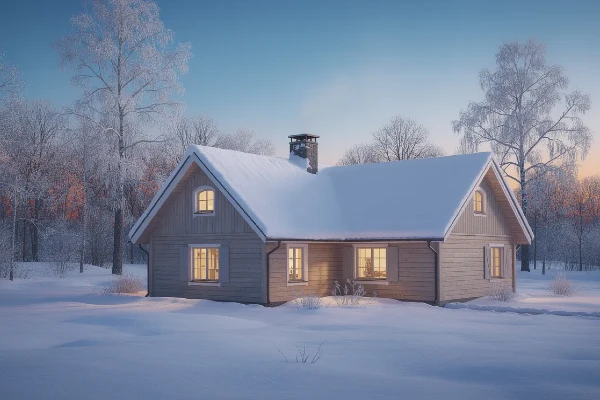
residential house in gray winter day

By taking proactive steps—such as monitoring moisture levels, addressing visible cracks, and implementing appropriate solutions—homeowners can protect their foundation from seasonal stresses. Considering these seasonal factors and maintaining a year-round foundation care routine will help prevent foundation settling, soil contraction, and other foundation issues, ensuring the long-term stability and value of your home.

Why Regular Inspections Are Key

Regular inspections allow property owners to identify foundation problems before they become expensive repairs. Inspections are especially important after temperature changes, heavy snow, or prolonged freezing periods.

A foundation specialist can identify:

  • Early signs of foundation damage
  • Drainage issues near the foundation
  • Soil movement patterns
  • Areas at risk for water intrusion

Early detection allows for appropriate solutions and prevents winter damage from spreading.

Protect Your Foundation With Proactive Steps

Winter foundation care is about being proactive rather than reactive. Simple steps taken early can significantly reduce the risk of foundation damage.

Proactive steps include:

  • Keeping gutters and downspouts clear
  • Directing water away from the foundation
  • Maintaining proper drainage systems
  • Sealing minor cracks
  • Managing moisture levels around the structure
  • Scheduling inspections before winter weather intensifies

These actions help protect your foundation and prevent costly repairs down the line.

Powerlift Helps You Prepare for Winter

At Powerlift, we understand how winter weather affects foundations. Our team provides tailored solutions for both residential and commercial properties. From fall foundation care to timely repairs and long-term stabilization, we help property owners protect their investments.

Whether you are dealing with minor cracks, moisture infiltration, or foundation settlement, Powerlift offers the expertise and solutions that make all the difference.

Trust Powerlift to Protect Your Foundation

Winterizing your property to prevent foundation issues is one of the smartest decisions you can make as a property owner. Freezing temperatures, soil movement, moisture buildup, and ice accumulation can all potentially lead to structural damage if ignored.

With proper drainage, regular inspections, fall maintenance, and proactive steps, you can protect your foundation throughout winter and avoid further damage.

If you want expert guidance and reliable foundation care, contact Powerlift today. Our team is ready to help you protect your foundation, your property, and your peace of mind through every winter season.

a large gray house in the snow with trees surrounding it
Winter Property Foundation Care: Winterizing Your Property to Prevent Issues2025-12-29T11:28:06-06:00

Effective Snow Foundation Protection Tips for Homeowners

Winter weather brings beautiful snowy landscapes, but it also poses serious threats to your property’s structural integrity. Effective snow foundation protection isn’t just about convenience—it’s crucial for preventing costly repairs and maintaining your home’s value. At Powerlift, we help homeowners understand that protecting your foundation from snow and ice damage requires knowledge, vigilance, and the right preventative measures.

How Winter Weather Threatens Your Foundation

Snow and ice create multiple risk factors for your home’s foundation. When temperatures drop and snow accumulates against foundation walls, several damaging processes begin.

Effective Snow Foundation Protection Tips for Homeowners

The weight of heavy snow puts direct pressure on walls, while continuous freezing and thawing cycles cause soil expansion that can crack concrete and compromise structural issues.

As melting snow turns to water, it can seep into even minor cracks in your concrete foundation. When temperatures drop again and this water freezes, it expands, widening small cracks into larger problems. This freeze thaw cycle repeats throughout winter months, potentially leading to significant foundation damage that requires extensive foundation repair.

The Dangers of Snow Accumulation

When snow piles build up against your house, they create several concerning conditions. Heavy snow exerts considerable pressure against foundation walls—a cubic foot of wet, compacted snow can weigh up to 20 pounds. As temperatures rise during warm spells, melting snow produces excess water that seeps into the soil, saturating it and increasing the risk of water intrusion through foundation walls into your basement or crawl space.

Ice dams form when snow on your roof melts and refreezes at the eaves, preventing proper drainage and causing water to back up. The freeze thaw cycles throughout winter are particularly destructive—water from melting snow seeps into cracks, then expands when it freezes, making those cracks larger with each cycle.

Essential Snow Foundation Protection Strategies

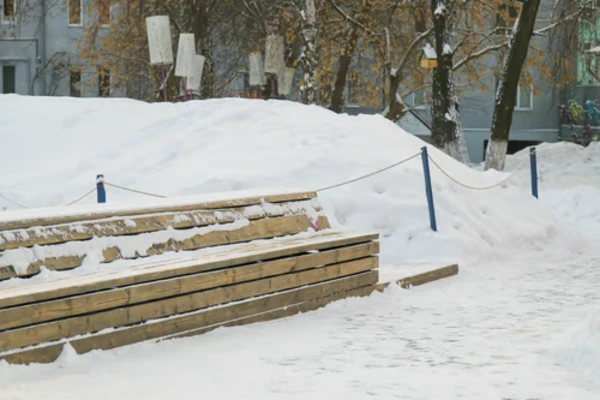
Bench in park with snow in winter season

Protecting your foundation from winter weather requires a multi-layered approach combining regular maintenance and preventative measures.

Clear Snow Away from the Foundation

The most important action is to clear snow from around your foundation regularly. When snow accumulates against your house, remove it as soon as possible. Keep at least 3-4 feet of clearance around your foundation walls, use a plastic shovel to avoid damaging surfaces, and never pile snow directly against foundation walls. Remove ice buildup carefully to prevent damage to concrete. This significantly reduces the risk of water damage throughout the winter season.

Maintain Proper Drainage Systems

Your gutters and downspouts are crucial for directing water away from the foundation. Clean gutters before winter to prevent them from becoming clogged with ice and debris. Clogged gutters cause water to overflow and pool around your foundation, and ice buildup adds weight that can damage the system and create conditions for ice dams.

Ensure downspouts extend at least 6-10 feet away from your foundation. When ice melts and rain falls, downspouts must direct water far enough from your house that it can’t seep back toward foundation walls. A French drain system provides subsurface drainage that intercepts groundwater before it reaches your foundation, preventing water pooling and soil saturation.

Install and Maintain a Sump Pump

A properly functioning sump pump is essential during winter months. As snow and ice melt, the resulting excess water can overwhelm soil drainage capacity, especially when the ground is frozen. Your sump pump removes water from around your foundation and pumps it away from your house. Test your sump pump before winter, ensure the discharge line won’t freeze, and consider a battery backup system for power outages.

Implement Proper Insulation

Proper insulation serves multiple protective functions. Insulating basement walls helps maintain consistent temperatures, reducing the severity of freeze thaw cycles near your foundation. Insulating exposed pipes prevents them from freezing and bursting, which could cause water damage.

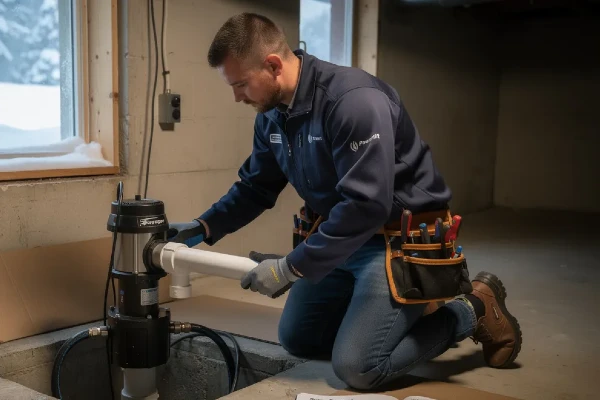
A professional from Powerlift is installing a sump pump at a house

Attic insulation prevents heat loss that can contribute to ice dam formation, helping you prevent ice dams that lead to moisture buildup and water intrusion.

Recognizing Warning Signs of Foundation Damage

Watch for warning signs that winter weather is affecting your foundation. Inspect foundation walls regularly for new cracks or existing cracks that are widening. Small cracks allow water to seep into your foundation where it can freeze and cause further damage.

Any signs of moisture in your basement or crawl space indicate water is getting past protective barriers. Look for damp spots, standing water, or efflorescence on concrete. Doors that stick, windows that won’t open properly, or uneven floors can indicate foundation shifting due to soil expansion or freeze thaw damage. Excess moisture from melting snow can lead to mold growth—musty odors or visible mold indicate ongoing moisture problems requiring immediate attention.

The Foundation Repair Process: What to Expect

When foundation damage occurs despite preventative measures, understanding the foundation repair process helps you make informed decisions. At Powerlift, we follow a systematic approach:

  1. Professional Foundation Inspection: The foundation repair process begins with a thorough foundation inspection. Our experts examine your entire foundation, identify all damage, and determine underlying causes—whether soil expansion from freeze thaw cycles, poor drainage, or other structural issues.
  2. Accurate Assessment: We assess visible damage and potential hidden problems, evaluating soil conditions, drainage patterns, crack extent, and whether foundation walls have shifted or bowed.
  3. Customized Repair Plan: We recommend tailored solutions specific to your home’s needs. The foundation repair process isn’t one-size-fits-all—different damage types require different approaches.
  4. Implementation and Prevention: Whether repairs involve sealing minor cracks, installing drainage systems, basement waterproofing, or more extensive structural work, we execute with minimal disruption. A complete foundation repair process includes recommendations for preventing future damage.
a house made of porous blocks in winter

Comprehensive Winter Maintenance Checklist

  1. Before Winter: Clean gutters and downspouts, inspect and seal existing cracks, test your sump pump, and ensure proper grading slopes away from your foundation.
  2. During Winter: Clear snow from around your foundation after each storm, remove ice buildup carefully, monitor for ice dams, check downspouts are directing water away, and watch for warning signs.
  3. After Winter: Inspect your foundation for damage caused by freezing temperatures, address any cracks immediately, and review drainage patterns as snow melts.

The Cost of Prevention vs. Repair

Implementing snow foundation protection measures requires time and investment, but these costs pale in comparison to foundation repair expenses. Minor cracks ignored during winter can become major structural issues by spring, potentially leading to repairs costing thousands of dollars. The effort to clear snow and ice regularly is far less expensive than dealing with foundation damage after it occurs.

Professional Support for Foundation Protection

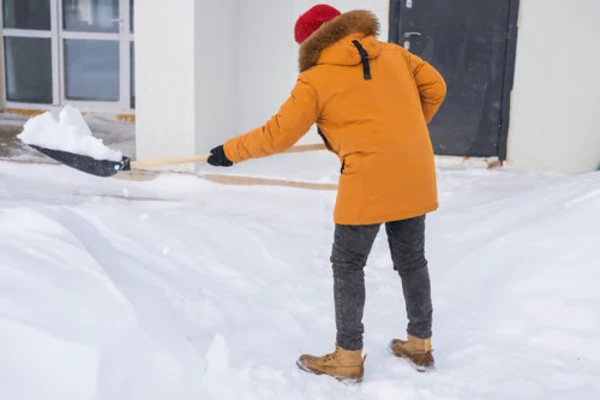
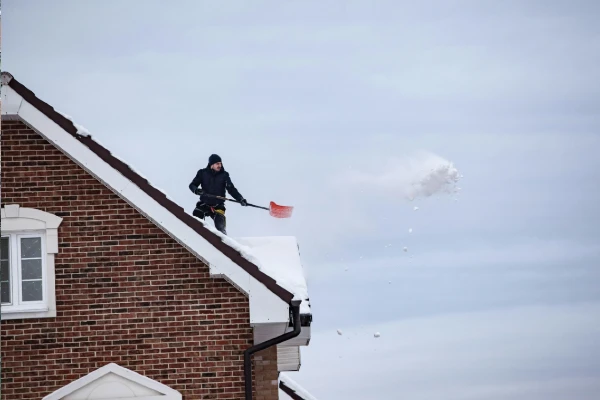
Man removing snow and ice from the sidewalk in front of house

While many protection strategies can be implemented by homeowners, some situations require professional expertise. Consider calling Powerlift when you notice cracks in your foundation walls or concrete foundation, water intrusion occurs despite preventative efforts, you observe signs of structural issues, or heavy snow has accumulated against your foundation for extended periods.

Protect Your Foundation This Winter

Effective snow foundation protection combines knowledge, regular maintenance, and prompt action.

Winter weather will inevitably bring snow, ice, and freezing temperatures that threaten your home’s foundation, but understanding how these elements cause damage empowers you to protect your property’s structural integrity.

From clearing snow away from foundation walls to maintaining gutters, from operating your sump pump to preventing ice dams, each preventative measure contributes to comprehensive protection. Watch for warning signs, address minor cracks before they become major problems, and seek professional help when needed.

At Powerlift, we’re committed to helping homeowners maintain strong, stable foundations year-round. If you’re concerned about how winter weather has affected your foundation, or if you want to ensure your house is prepared for the winter season ahead, contact us today for a comprehensive foundation inspection.

a sturdy house standing resiliently against winter weather

Contact Powerlift now to schedule your foundation inspection and implement a customized snow foundation protection plan. We’ll help you protect your most valuable investment from the damaging effects of freezing temperatures, melting snow, and continuous freeze thaw cycles.

Effective Snow Foundation Protection Tips for Homeowners2025-12-19T10:35:39-06:00

Foundation Cracks Caused by Winter Freezing

When winter hits and temperatures drop, your home’s foundation faces one of its greatest challenges. Foundation cracks caused by winter freeze are among the most common and potentially damaging issues homeowners encounter during the cold months. Understanding how below 32 degree temperatures affect your foundation and knowing the warning signs of trouble can help you protect your home from serious damage.

At Powerlift, we see first-hand how snowy weather can impact foundations through freeze-thaw cycles, soil movement, and water infiltration. Our experienced foundation specialists help homeowners identify early warning signs and provide proven repair solutions before minor cracks turn into costly structural problems.

How the Freeze Thaw Cycle Affects Your Foundation

Foundation Cracks Caused by Winter Freezing

The freeze thaw cycle occurs when water in the soil freezes and expands, then thaws and contracts as temperatures fluctuate. This process puts tremendous pressure on foundation walls and basement walls, creating conditions that lead to foundation damage. When the earth freezes, soil expands by up to 9% of its volume, literally pushing the ground upward and putting pressure against your foundation from all directions.

Understanding Frost Heave and Soil Expansion

As temperatures rise and the frozen earth begins to thaw, the soil thaws unevenly, causing soil movement that forces your foundation to settle unevenly. This constant cycle of freezing and thawing throughout winter months creates stress fractures that can worsen existing cracks or lead to new cracks forming in previously sound foundation walls.

Frost heave is a phenomenon where frozen ground literally lifts upward as water infiltration freezes and expands below the surface. When the soil freezes at depths beneath your foundation, this upward movement can cause big structural problems. The ground beneath your home essentially shifts, creating uneven floors inside and placing additional stress on basement walls.

Soil expansion during freezing temperatures is particularly problematic for homes built on clay-rich soil, which retains more moisture and experiences more dramatic volume changes. As the freeze thaw cycle continues through winter weather, these repeated expansion and contraction cycles can transform small cracks into larger cracks that compromise your foundation’s structural integrity.

Common Signs of Freeze Thaw Damage

freezing and thawing

Foundation problems caused by the freeze thaw cycle manifest in several ways. Homeowners should watch for these warning signs:

  • Visible Cracks: Foundation cracks may appear as hairline fractures initially but can quickly expand as temperatures fluctuate. Horizontal cracks in basement walls are especially those that indicate serious pressure from frozen soil outside.
  • Interior Changes: Uneven floors, doors that stick, or windows that won’t open properly often signal that your foundation has shifted due to frost damage. These minor issues can escalate quickly if left unaddressed.
  • Water Problems: When ice melts and snow melts in spring, water pooling around your foundation indicates drainage problems. This water intrusion can lead to moisture issues in your basement or crawl space, creating conditions for further freeze thaw cycles to affect your foundation.
  • Stair-Step Cracking: This distinctive pattern in masonry foundation walls shows where frost has caused the ground to shift unevenly, forcing the foundation to crack along mortar joints.

The Role of Water and Temperature Fluctuations

Water is the primary culprit behind foundation cracks caused by winter freeze. When melting snow and rain allow water in the soil to accumulate around your foundation, this moisture becomes a ticking time bomb once temperatures drop again. The water infiltration penetrates existing cracks, then expands when it freezes, widening those cracks further.

The freeze thaw cycle is most destructive when temperatures fluctuate rapidly. A constant temperature below freezing is actually less harmful than repeated cycles where the earth freezes, thaws, and freezes again. Each cycle compounds the damage, turning what started as tiny cracks into pathways for more water damage.

water pooling in the soil beneath melting snow

Prevention and Protecting

Taking proactive steps before winter can significantly reduce the risk of freeze thaw damage:

  1. Ensure Proper Drainage: Exterior drainage systems are your first line of defense. Gutters, downspouts, and grading should direct water away from your foundation, preventing water pooling that leads to soil saturation. Even a slight slope can prevent water from accumulating against basement walls.
  2. Maintain Proper Insulation: Insulating your foundation walls and maintaining a consistent temperature in your basement or crawl space helps prevent the soil immediately adjacent to your foundation from experiencing the most extreme temperature fluctuations.
  3. Seal Cracks Proactively: Before winter months arrive, seal cracks in your foundation walls to prevent water infiltration. Even minor cracks can become pathways for water, which will expand and worsen existing cracks when it freezes.
  4. Install Preventative Measures: Sump pumps help manage groundwater levels, while foundation drains can stop water from accumulating around your home. These systems are particularly important in areas with poor natural drainage or during years with heavy precipitation.

When Damage Occurs: Foundation Repair Solutions

  • Professional Inspection: A professional inspection provides a correct diagnosis of your foundation problems. Experts can determine whether cracks indicate surface-level issues or point to deeper issues with movement and structural integrity.
  • Helical Piers for Permanent Stabilization: For homes experiencing significant structural problems from frost heave and soil expansion, helical piers offer a permanent repair solution. These steel piers are screwed deep into the ground beneath your foundation, anchoring into stable soil below the frost line. Helical piers transfer the weight of your home to load-bearing strata unaffected by freeze thaw cycles, preventing further settlement and actually lifting settled foundations back toward their original position.Unlike temporary repairs that only address symptoms, helical piers solve the underlying problem of unstable soil. They’re particularly effective for homes that settle unevenly due to frost heave or where frozen ground has caused differential movement across the foundation.
a community blanketed in fresh snow
  • Tailored Solutions: Every foundation requires tailored solutions based on the specific conditions affecting your home. Factors like soil type, the extent of existing damage, drainage conditions, and the depth of frost penetration all influence the appropriate repair approach.

Understanding Your Earth Type and Climate Risks

Not all soil responds to freezing temperatures the same way. Clay soils are particularly susceptible to frost heave because they retain water and experience dramatic expansion. Sandy soils drain better and typically cause fewer foundation problems, though they can still create issues during extended dry spells followed by saturation and freezing.

Understanding how deeply the ground freezes in your region is also critical. In northern climates where soil freezes several feet deep, foundations must be built below the frost line to avoid frost damage. However, even properly constructed foundations can experience problems if poor drainage allows water to accumulate and freeze against foundation walls.

The Cost of Inaction: Why Timing Matters

Foundation repair becomes increasingly expensive when damage is allowed to progress. What begins as small cracks can evolve into significant structural problems requiring extensive and costly repairs. Water intrusion through foundation cracks can damage basement finishing, create mold growth, and compromise the structural integrity of your entire home.

Acting quickly when you notice warning signs allows for more targeted, less expensive repairs. Addressing minor issues before winter weather intensifies them can save thousands in future repair costs and prevent water damage to your basement and belongings.

Comprehensive Winter Foundation Protection

Protecting your foundation from freeze thaw cycles requires a multi-faceted approach:

  1. Manage Water: Ensure proper drainage directs water away from your foundation year-round, not just during spring when snow melts.
  2. Monitor Conditions: Regular inspections, especially those conducted before and after winter, help catch problems early when they’re easier and less expensive to fix.
  3. Address Damage Promptly: When cracks appear or you notice uneven settlement, consult foundation repair professionals for an accurate diagnosis and appropriate repair solutions.
  4. Invest in Permanent Solutions: For homes with recurring foundation problems or significant frost heave issues, permanent stabilization with helical piers prevents future damage and provides peace of mind.

Your foundation is literally what your home is built upon, and foundation cracks caused by winter freeze pose a real threat to your property’s value and safety. The freeze-thaw cycle will continue affecting foundations every winter, but understanding the process and taking proactive steps can minimize damage and costly repairs.

melting snow from roof

Whether you’re dealing with existing cracks that need attention or want to implement preventative measures before the ground freezes again, professional guidance from Powerlift ensures you’re making the right decisions for your home’s specific situation. From proper drainage and insulation to permanent stabilization with helical piers, Powerlift offers comprehensive foundation care that protects your home from the inevitable challenges of freezing temperatures and frost heave.

Don’t wait until tiny cracks become massive structural problems. By monitoring your foundation, maintaining water drainage, and addressing issues promptly, you can protect your home from freeze-thaw damage and avoid the costly consequences of neglected foundation problems. When deeper issues require professional intervention, Powerlift’s proven solutions—such as helical piers—provide permanent stability that withstands even the harshest winter conditions, keeping your foundation solid regardless of what winter weather brings. Contact us today!

Foundation Cracks Caused by Winter Freezing2025-12-15T10:41:16-06:00

Freezing Temperatures & Foundation Damage: Causes, Signs, and Solutions

When freezing temperatures hit your area, your foundation quietly takes the impact. Cold weather does far more than make your roof frosty or your driveway slippery. It affects the ground beneath your home, shifts the soil, and creates pressure against concrete foundations. The freeze-thaw cycle can turn tiny cracks into bigger problems and can cause soil movement that puts stress on your entire structure.

At Powerlift, we help homeowners understand how cold weather and winter damage can affect a house foundation so they can stay ahead of these issues before they grow into costly repairs. If you live in areas prone to freezing, dry spells, or extreme temperature swings, this topic matters more than you think.

Let’s explore how freezing temperatures affect your home’s foundation, the early warning signs, and the solutions that can protect your property from serious damage.

Freezing Temperatures Foundation Damage

How Freezing Temperatures Affect Your Foundation

Winter weather impacts your foundation in ways that are easy to overlook. The biggest culprit is the freeze-thaw cycle.

The freeze-thaw cycle occurs all winter long

Here is what happens during a freeze-thaw cycle:

  1. Water absorbs into the soil around your foundation.
  2. Temperatures drop below the freezing point.
  3. That water freezes and expands.
  4. Soil expands and pushes against your foundation walls.
  5. Temperatures rise.
  6. Ice melts, and the soil contracts.

Then the process repeats.

When this cycle happens again and again throughout the winter months, it creates pressure changes on foundation walls, basement walls, concrete foundations, crawl spaces, and slab foundations.

Over time, this repeated stress can cause foundation cracks, uneven floors, sticking doors, and other structural issues.

Clay soil makes winter damage worse

Clay soil absorbs water easily. When clay soil freezes, it expands dramatically. When it thaws, it shrinks. These changes cause soil movement that puts pressure on a house foundation and can cause damage even in newer homes.

Saturated soil increases pressure

When the soil around your home stays wet for too long, it becomes saturated. Saturated soil expands more aggressively when it freezes. This raises the frost line and increases pressure against concrete slab and basement foundations.

a pile of houses covered with snow

Dry spells and summer heat matter too

Hot weather and long dry spells in summer can cause the ground beneath your home to shrink. When winter arrives and moisture returns, the soil expands again. These constant shifts weaken concrete strength and make your foundation more vulnerable.

The Most Common Types of Foundation Damage Caused by Cold Weather

Cold weather damage shows up in several ways. Some signs are obvious, and others hide quietly until you start noticing subtle changes in your home.

1. Foundation cracks

Both vertical cracks and small cracks can appear when soil expands and contracts. Even tiny cracks become bigger when water freezes inside them and expands.

2. Uneven floors

Soil movement shifts the structure and leads to uneven floors. You may notice furniture not sitting level or floors feeling slightly wavy.

3. Sticking doors and windows

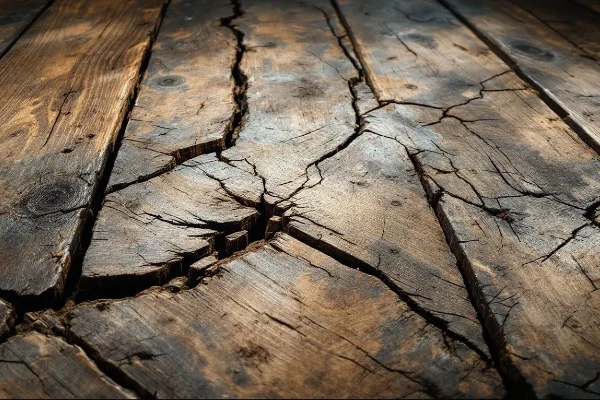
crack on walls

If the frame becomes slightly twisted due to shifts in the foundation, doors and windows begin to stick or fail to close properly.

4. Basement and crawl space moisture issues

Water infiltration becomes more common during winter when ice formation pushes moisture into cracks or gaps.

5. Concrete slab settlement

Slab foundation homes often experience movement during winter because the soil beneath them expands and contracts repeatedly.

6. Hydrostatic pressure

Hydrostatic pressure increases when groundwater freezes and expands. This pressure pushes against the walls of your basement foundation and can cause bowing or cracking.

Why Proper Drainage Matters in Cold Weather

Poor drainage makes winter foundation damage worse. When water pools around your house, freezes, and expands, the pressure can wreak havoc on your foundation.

If you want to prevent cracking, your home needs proper drainage before cold weather arrives.

Here is what you should check:

  • clear debris from gutters
  • extend downspouts
  • check drainage systems for blockages
  • fix grading issues around your foundation
  • watch for water pooling on the surface
  • check crawl space moisture levels
roof gutters

A drainage system that directs water away from the home keeps soil movement under control and helps maintain consistent soil moisture around the structure.

Foundation Types and How They Handle Winter Weather

Cold climates affect different foundation types in different ways.

Slab foundation

Concrete slab homes often experience frost line movement beneath the slab. Soil freezes and expands upward, then contracts. This can lead to uneven areas or cracks in the slab.

Crawl space foundation

Crawl spaces often deal with moisture issues, cold air, and ice formation. These conditions can lead to winter damage if the space is not protected.

Basement foundation

Basement walls take on hydrostatic pressure from saturated, frozen soil. This can create cracks or push the walls inward.

Concrete foundations

Concrete foundations overall are strong, but concrete absorbs water. When temperatures drop, water inside the pores freezes and expands. Over time, this can weaken the concrete.

concrete walls

Every home needs frost protection, proper insulation, and consistent temperature control to minimize freeze-thaw damage.

Winter weather creates pressure changes that affect even the strongest foundations. That is why so many homeowners in cold climates choose the powerlift system. It provides long-term stability by supporting your foundation at deeper, load-bearing layers where soil movement is minimal. This keeps your home steady even when temperatures fluctuate or soil freezes and contracts.

Warning Signs Your Foundation Is Struggling in Winter

If your foundation is under stress from cold weather, your home will give you clues. Watch for these warning signs:

  • cracks in walls or floors
  • gaps near windows or doors
  • sticking doors
  • small cracks growing wider
  • uneven floors
  • moisture inside the basement or crawl space
  • cold air coming through cracks
  • frost inside crawl spaces
  • water pooling near the house

These signs can begin quietly. The sooner you address them, the easier the repair process will be and the less likely you are to face costly repairs later.

uneven floors, which can be a sign of potential foundation issues

How to Prevent Freezing Temperatures From Damaging Your Foundation

Here are practical steps you can take to protect your home when temperatures drop.

1. Improve drainage around your home

Proper drainage is key to preventing saturated soil.

2. Seal cracks before winter

Even small cracks expand when water freezes inside them.

3. Add proper insulation

Proper insulation helps keep your crawl space and basement foundation at a more consistent temperature.

4. Maintain consistent soil moisture

Do not let the soil become extremely dry in summer or overly wet during winter.

5. Keep gutters clear

Clear debris so water flows away instead of soaking the ground.

6. Direct water away from the home

Downspouts should discharge several feet away from the foundation.

Powerlift working on foundation

7. Protect crawl spaces

Crawl space insulation can help prevent freezing and moisture buildup.

8. Schedule an inspection

Foundation experts can identify minor issues before they turn into major problems.

Why Winter Foundation Problems Should Not Be Ignored

Cold-weather foundation damage rarely improves on its own. When temperatures fluctuate, cracks grow, gaps widen, and soil continues to shift.

Here is why you should not wait:

  • small cracks turn into larger problems
  • soil movement continues all season
  • hydrostatic pressure increases
  • poor drainage becomes worse during thawing
  • repairs become more expensive the longer you wait

Minor issues are easiest to fix before they become serious.

How Powerlift Helps Protect Your Foundation in Freezing Temperatures

Why Winter Foundation Problems Should Not Be Ignored

Powerlift specializes in foundation repair that addresses cold-weather damage and soil movement. Our team understands how freezing temperatures affect the ground beneath your home and knows the right repair methods for each foundation type.

We help homeowners with:

  • crack repair
  • drainage solutions
  • structural issues
  • uneven floors
  • slab settlement
  • crawl space repairs
  • long-term stability solutions

When cold weather puts pressure on your foundation, Powerlift is ready with a solution that lasts.

Protect Your Foundation Before Winter Hits

Freezing temperatures have a bigger impact on your foundation than most homeowners realize. The freeze-thaw cycle, soil expansion, water infiltration, and hydrostatic pressure all work together to create structural issues if they are left unaddressed.

If you want to protect your home’s foundation from winter damage, now is the time to act. Do not wait for small cracks to become bigger. Do not ignore sticking doors or uneven floors. Powerlift is here to help you prevent further damage and keep your home stable through the toughest weather conditions.

Contact Powerlift today for a free evaluation. Our foundation experts will help you protect your home, fix existing problems, and keep your foundation steady throughout the winter season.

protect your house foundation during winter
Freezing Temperatures & Foundation Damage: Causes, Signs, and Solutions2025-12-05T10:46:10-06:00

Essential Foundation Maintenance Winter Tips for Homeowners

How Winter Actually Affects Your Foundation

The cold months bring conditions that can cause foundation movement, new cracks, and even structural damage.

Here are the main things happening to the ground beneath your home:

1. Soil will freeze and expands

This is known as frost heave. As the ground expands, it pushes against your foundation walls and concrete. The pressure can cause foundation cracks and can even force your home to settle unevenly.

Essential Foundation Maintenance Winter Tips for Homeowners

2. Soil contracts when it thaws

As the frozen ground thaws, the soil contracts and leaves gaps beneath the foundation. These gaps allow your home to shift or sink.

3. Melting snow increases water flow

If you do not direct water away from the house properly, it will soak into the ground around your foundation. Too much moisture plus freezing temperatures means even more soil expansion and more strain on the concrete.

4. Frost line shifts throughout the season

The frost line is the depth at which the ground freezes. When this depth changes throughout the winter months, it causes repeated movement in the soil. Repeated movement equals greater risk to your house’s foundation.

All of this can lead to cracks, shifting, and long-term stability issues if you do not take preventative measures early.

The Importance of Proper Drainage Before Winter

Every home needs a working drainage system long before the first snowy day arrives.

When water cannot drain properly, the ground becomes saturated. When that saturated soil freezes, it expands dramatically. This can push against your foundation with surprising force.
Things to look out for:

  • clogged gutters
  • downspouts draining too close to the house
  • low spots around your foundation
  • old or damaged drain systems
  • improper grading that with settling water near your walls
brown wooden house on snow covered ground

Before winter approaches, look around your foundation to make sure water is flowing away from your house and not collecting next to it.

Cleaning gutters and downspouts is one of the simplest steps you can take. Gutters full of debris allow water to spill over and pool around your foundation. This becomes a major risk when freezing temperatures arrive.

If you notice low spots in your yard, fill them with soil or gravel to prevent water from pooling. Even small dips can lead to ongoing moisture problems during the winter months.

The Role of Foundation Repairs Before the Cold Sets In

Small cracks in your foundation may not seem serious during the warmer months. Once winter sets in, those cracks can grow much faster. Water slips into even tiny openings, and when it freezes, it expands and forces the cracks wider.

That is why foundation repairs before winter are so important. Fixing and sealing cracks early can prevent them from becoming larger structural issues.

Powerlift specializes in foundation repairs that stabilize the structure, straighten shifting walls, and protect the foundation from water intrusion.

A foundation repair specialist from Powerlift working on a home's foundation during winter

When cracks are repaired professionally, freezing temperatures become far less of a threat.

This leads us to your linking keyword placement:

Many homeowners who wait too long end up needing more complex foundation repair later on, especially if the damage spreads.

Why Regular Inspections Make a Big Difference

Foundation issues do not always start with dramatic signs. A small hairline crack, a sticking door, or a tiny gap along a window frame can be one of the early warning signs that the foundation is shifting.

When winter arrives, these small issues can become bigger problems. That is why regular inspections during the fall are essential. A trained eye can spot potential issues long before they become costly repairs.

Here are common signs to watch for before winter:

  • new cracks in walls or floors
  • sticky doors or windows
  • gaps between walls and trim
  • moisture around foundation walls
  • soil pulling away from the home
  • uneven areas on floors
  • water intrusion in the basement or crawl space
Why Foundation Inspections Make a Big Difference

If you spot any of these, it is time to take proactive steps.

How Soil Movement Creates Problems in Winter

You might not think much about the ground your house sits on, but during winter, it is constantly expanding and contracting. This creates repeated pressure changes around your foundation.

Clay soil, which is common in many areas, can hold a huge amount of moisture. When clay soil freezes, it expands rapidly and puts stress on your foundation walls. When it thaws, it leaves pockets of space beneath the foundation.

Over time, this cycle can cause:

  • cracks
  • foundation settlement
  • uneven floors
  • bowed walls
  • sticking doors

The colder the winter, the more aggressive the soil movement can be.

soil with no proper grading

Preventative Measures Every Homeowner Should Take Before Winter

Preparing your foundation for winter does not have to be complicated. A few simple steps go a long way toward preventing foundation damage.

1. Check grading around your foundation

You want water to slope away from your home, not toward it. Notice low spots and fill them before winter.

2. Clean gutters and downspouts

Remove leaves, twigs, and debris. Water should not overflow or pool around your foundation.

3. Direct water away from the house

Extend downspouts or install a French drain system if necessary.

4. Seal foundation cracks

white house near trees during daytime

Even small cracks can allow water intrusion. Sealing them before winter reduces the risk of frost expanding them.

5. Inspect windows and doors

Look for gaps or sticking. These can signal foundation movement or allow cold air inside.

6. Check your drainage system

If your drainage system struggles during rain, it will struggle even more once the ground begins to freeze.

7. Take care of any moisture issues

Moisture around your foundation during the fall often becomes ice in the winter.

8. Schedule a foundation inspection

Foundation repair specialists can detect early problems and recommend the right fixes.

These proactive steps help keep your foundation stable throughout the colder months.

Why Foundation Problems Get Worse in Winter

Winter is not the time when foundation issues begin. Instead, it is the time when existing problems get worse. Cracks grow, walls shift, gaps widen, and moisture becomes ice that puts pressure on the structure.

Here is what winter does to existing damage:

  • pushes cracks wider
  • makes gaps along windows and doors more noticeable
  • turns moisture into ice that expands inside concrete
  • causes the ground to pull away from the foundation as it freezes
  • increases the risk of water intrusion when temperatures rise again

This is why fall is the best time to check for potential issues and fix anything that could grow worse in the coming months.

a pile of snow covering houses

The Right Time To Prepare Is Before Winter Starts

Foundation maintenance in the fall is all about staying ahead of the problems winter creates. Preparing early gives your home a much better chance of staying stable and dry.

When you take the right steps before winter arrives, you help:

  • Protect your home’s foundation
  • reduce the chance of structural issues
  • prevent water intrusion
  • keep cracks from spreading
  • avoid costly repairs down the line

Your home relies on a strong, stable foundation. Winter weather puts that stability to the test more than any other season.

Essential Foundation Maintenance Winter Tips for Homeowners2025-11-28T11:06:42-06:00

Winter Foundation Damage: The Effects of Winter on Your Foundation

Winter is not just about cozy blankets and hot cocoa. It also brings some challenges to your home, especially your foundation. Home foundations are particularly vulnerable to winter weather, as cold temperatures can cause significant issues if not properly addressed. When temperature drops, your soil, pipes, and overall structure react in ways that can lead to real foundation problems if left unaddressed. Many homeowners may not realize how much cold weather impacts the stability of their house until the signs begin to show.

At Powerlift, we help homeowners deal with winter foundation damage every year. So, let’s break down what actually happens during the cold winter months, why your foundation is affected, and what you can do to protect your home before issues get worse.

Winter Foundation Damage The Effects of Winter on Your Foundation

How Winter Weather Impacts Your Foundation

When winter rolls in, the ground beneath your home experiences major changes. Cold temperatures cause the soil to freeze, and when soil freezes, it expands. When water freezes in the soil, it expands as well, increasing the pressure on your foundation. This puts pressure on your foundation walls and concrete slab. When the soil eventually thaws, it settles again, often unevenly.
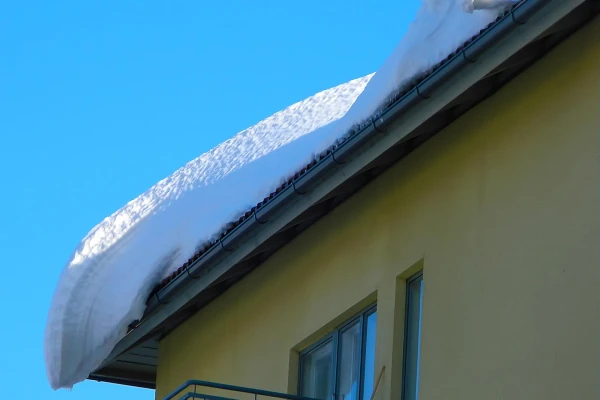
This process is known as frost heave.

  • Soil freezes and expands
  • Pressure builds around your foundation
  • Thawing leads to shifting and settling
  • Result: foundation cracks and movement

These constant changes in pressure can weaken the structural integrity of your entire home over time.

When Soil Expands, Foundations Feel It

There is a specific depth at which the ground freezes, known as the frost line. The measurement used to determine how deep the ground freezes is called frost depth, and it is crucial for foundation protection because foundational supports and pipes should be installed below this level to prevent damage from frost heave.

How Winter Weather Impacts Your Foundation

The deeper the frost line, the more the soil beneath your home is affected. When the soil beneath your foundation expands from the cold, the concrete above it must either resist the pressure or crack under it.

Clay soil, which is common in many areas, is especially reactive. It absorbs moisture, then freezes, expands, and puts strain on the foundation. When the ice melts, the soil contracts and causes the foundation to settle unevenly. These repeated cycles during winter can lead to noticeable foundation cracks and shifting.
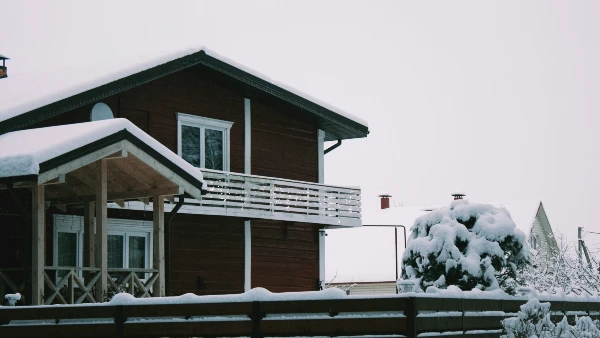
The Risk of Frozen Pipes and Burst Lines

Winter can be tough on your plumbing system too. When pipes freeze, the water inside expands. As water expands during freezing, it puts tremendous pressure on the pipe walls, increasing the risk of cracks or bursts. If the pressure becomes too strong, you can end up with burst pipes, which lead to excess water around your home’s foundation. Water pooling near the house during winter and early spring is a problem many homeowners overlook. It’s important to protect every pipe in your home, including discharge lines and water supply pipes, from freezing temperatures to prevent water damage.

If the sump pump or discharge line is blocked with ice, water has nowhere to go and ends up seeping into your basement or crawl space. Over time, this contributes to moisture damage and structural issues. Do your best to insulate pipes, especially those located in the basement, crawl space, or near exterior walls. A small drip from a faucet during extremely cold nights can also prevent frozen pipes.

frozen pipe

Recognizing the Warning Signs of Winter Foundation Damage

You don’t have to wait until spring to notice something is wrong. Catching the first sign of foundation damage—such as cracks, bowing walls, or sticking doors—can help you take action early and prevent more severe issues. Watch for:

  • New cracks in walls or floors
  • Windows or doors that no longer open or close easily
  • Uneven or sloping floors
  • Gaps where walls meet ceilings
  • Water pooling near the foundation
  • Damp crawl space or basement areas

If you notice any of these, it may be time to look into cracked foundation repair before the issue spreads and becomes harder to fix later.

How Melting Snow and Ice Play a Role

During warmer spells in winter, melting snow and ice dams on your roof can cause large amounts of water to run down next to your foundation. If your gutters and downspouts are blocked with debris, the water cannot drain properly and will soak into the ground directly around your foundation, increasing pressure on the foundation wall.

The more water in the soil, the more it expands when temperatures drop again. This repeated cycle is one of the leading causes of foundation cracks during winter.

Keep your gutters clean, direct downspouts away from the foundation, and make sure your yard slopes slightly so water flows away from the house instead of collecting around it.

Preventative Measures That Make a Difference

melting snow

Taking a few steps during fall and early winter can go a long way in protecting your home:

  • Clean gutters and make sure water drains away from the house
  • Add gravel or proper grading to encourage water drainage
  • Insulate exposed or exterior pipes
  • Check for cracks before winter and schedule repairs if needed
  • Install or inspect your sump pump before freezing weather arrives
  • Look for any water pooling after heavy snow or rain

Being proactive now helps prevent more serious damage later, including costly structural damage to your home.

Foundation Repair Options for Winter Damage

When winter’s freezing temperatures set in, your foundation faces a unique set of challenges. Frozen pipes, frost heave, and ice dams can all contribute to foundation cracks and water damage, putting your home at risk for serious structural problems. Fortunately, there are several foundation repair options and preventative measures homeowners can take to protect their property during the coldest months.

If you notice foundation cracks or signs of water pooling near your walls, it’s important to act quickly. Sealing foundation cracks is a crucial first step to prevent water intrusion and further damage. For homes prone to frozen pipes, installing a hydronic heating system can help keep pipes above the freezing point, reducing the risk of burst pipes and the excess water that can follow. Proper insulation around pipes and in your basement or crawl space also minimizes the risk of freezing and frost heave, which occurs when soil expands and contracts as it freezes and thaws.

a man repairing foundation damage during winter

In cases where burst pipes or ice dams have already caused water damage, foundation repair may involve replacing damaged materials and improving water drainage around your home. Ensuring your gutters and downspouts are clear and direct water away from the foundation is essential to prevent water from seeping into the soil and causing further cracks.

Regular inspections are key—look for warning signs like new cracks in your walls, water pooling near the foundation, or damp spots in your basement. By taking these preventative measures and addressing foundation problems early, you can protect your home from the harsh effects of winter and maintain its structural integrity for years to come.

Crawl Space Considerations in Cold Weather

The crawl space beneath your home is especially vulnerable during the cold winter months. As the soil freezes and expands, it can put significant pressure on your foundation, leading to cracks and other forms of foundation damage. Pipes running through the crawl space are also at risk—if they’re not properly insulated, they can freeze and burst, resulting in water damage and even mold or mildew growth.

To protect your crawl space and maintain the structural integrity of your home, start by making sure the area is properly insulated. Insulation helps keep pipes from reaching the freezing point and reduces the risk of frost heaving beneath your foundation. Good ventilation is also important, as it helps prevent moisture buildup that can lead to further problems.

Installing a sump pump in your crawl space is a smart move for managing excess water, especially in regions like Kansas City where harsh weather and unpredictable weather patterns are common. Be sure to check that the discharge line is properly insulated and sloped so it doesn’t freeze and block water drainage during the coldest days.

Regular inspections of your crawl space can help you spot early warning signs of trouble, such as cracks, dampness, or water pooling. Preventative measures like cleaning gutters and ensuring water drains away from your foundation will further reduce the risk of water damage and foundation issues.

By staying proactive and addressing crawl space concerns before winter hits, homeowners can protect their foundation from the risks of freezing soil, burst pipes, and excess water—helping to keep their entire home safe and sound all season long.

Why Winter Foundation Problems Should Not Be Ignored

Your foundation literally supports your entire home. Even small cracks and shifts can grow into bigger issues that impact your walls, floors, structural stability, and basements. Basements are especially vulnerable to foundation problems in winter, as freezing and thawing can cause or worsen cracks, leading to potential water intrusion and foundation damage. The longer foundation issues continue, the more expensive repairs can become. Winter problems rarely fix themselves when spring arrives. In many cases, they worsen.

If you have concerns about your foundation during winter, it’s best to address them sooner rather than later.

Looking Out for Your Foundation This Winter

Winter may be harsh, but your foundation does not have to suffer because of it.

visible cracks on the walls indicating potential foundation damage

A little awareness and early action can go a long way in protecting your home, especially when it comes to safeguarding your home’s foundation from winter-related damage.

If you are noticing foundation cracks, shifting floors, or signs of water intrusion this winter, Powerlift is here to help. We specialize in professional foundation repair throughout Kansas City and nearby regions. Our team understands how weather patterns and soil conditions affect local homes, and we are here to guide you every step of the way.

Contact Powerlift today to schedule an evaluation. Let’s keep your foundation strong, stable, and ready for whatever winter brings next.

Winter Foundation Damage: The Effects of Winter on Your Foundation2025-11-14T07:25:23-06:00

Winter Foundation Preparation: 14 Steps to Protect Your Home

We all get busy as the holidays roll in, but skipping winter foundation preparation could cost you big in the long run. So if you’re like most homeowners, you want your property to stay safe and steady through rough winter weather. A little early effort goes a long way, and Powerlift Foundation Repair is here to help you prepare by discussing the essential steps to take.

1. Schedule a Thorough Inspection of Your Home’s Foundation

Start your winter foundation preparation with a thorough inspection of your home’s foundation. Walk around the outside and check for signs like small cracks, bowing walls, or moisture near the base. Inside, inspect basements, crawlspaces, and floors for movement, soft spots, or leaks.

Winter Foundation Preparation

A professional can spot problems you might miss. At PowerLift, we look for more than surface damage. We measure for subtle shifts, check the drainage system, and identify anything that might become worse as temperatures drop. A detailed inspection is your first line of defense in avoiding major repair costs later.

2. Seal Existing Foundation Cracks Before Temperatures Drop

Even minor cracks in your concrete can lead to trouble once freezing temperatures hit. Rain, melting snow, or surface runoff can seep into those openings. Then, as the water freezes and expands, those cracks can spread fast, turning cosmetic flaws into serious structural issues.

Sealing foundation cracks with weather‑resistant epoxy or polyurethane filler adds immediate protection. Be sure to use sealants rated for cold air and wet surfaces. If you’re unsure whether the damage is just surface‑level or deeper, bring in a professional to assess. Catching problems early can help prevent water from entering and avoid long‑term repair.

3. Improve Grading Around the House to Direct Water Away

Poor grading means rainwater and melting snow can pile up around your home’s base. That moisture soaks into the ground, saturating the soil, and increases the risk of foundation movement.

To reduce this pressure, regrade the soil so it gently slopes away from your house. Ideally, the slope should fall 6 inches over the first 10 feet. Use clay-rich soil if you can, as it holds shape better and helps direct water away.

4. Clean and Extend Gutters and Downspouts for Added Protection

Blocked or broken gutters are a major cause of winter water damage. If functional gutters can’t flow properly, water spills over the edges, pooling near the foundation.

To prevent this, remove debris like leaves and twigs before the first frost. Then, ensure downspouts extend at least 4 to 6 feet from the house. Use extenders or splash blocks to prevent backflow and direct water away from the base of your foundation walls. If you don’t already have one, consider tying your downspouts into a drainage system or French drain.

5. Check for Signs of Structural Issues Inside the Home

Some structural issues start indoors. Take time to check for new or growing cracks in walls, gaps between floors and baseboards, or doors that no longer close properly. Floors that slope or windows that stick can be subtle signs that your house’s foundation is shifting. Mark any areas you’re concerned about, and if you see changes over a few weeks or months, it’s time to call in help.

These issues are often easier and cheaper to fix when caught early. Ignoring them can eventually lead to larger movements and heavier repair costs.

6. Install Foundation Insulation to Combat Temperature Changes

Rapid temperature changes can make soil expand and contract, and that movement transfers pressure to your foundation. One way to reduce that stress is with foundation insulation.

Adding rigid foam board or insulated skirting along crawl spaces and exposed walls helps maintain more stable temperatures around your foundation. That means less shifting, less moisture condensation, and more year‑round comfort. It’s especially helpful in colder areas, where freezing soil and warm interior air create a harsh mix. This step might not be on everyone’s checklist, but it’s a smart way to add some long‑term protection.

a brick wall next to a body of water

7. Avoid De-Icers Near the Foundation to Prevent Chemical Damage

Be careful using de-icers around your walkways, sidewalks, and driveways close to the house. Many of them contain harsh salts that can eat into concrete, wear down surfaces, and worsen existing cracks. Plus, when they melt ice, the water can seep into your foundation and refreeze, which amplifies the damage.

Instead, use sand for traction or look for de‑icing products labeled as safe for concrete and vegetation. And if you do use any kind of de‑icer, keep it well away from your foundation walls.

8. Keep Soil Moisture Consistent to Minimize Winter Shifting

One of the lesser-known ways to protect your foundation is to maintain consistent soil moisture around it. Dry soil shrinks and pulls away from the foundation, while saturated soil expands and adds pressure. That constant shifting can do serious harm over time.

So before the temperatures drop, water the ground around your home one last time, especially if it’s been a dry fall. You don’t want it soaked, just evenly moist. That balance keeps things stable as the ground freezes. This is especially helpful in states like Oklahoma and Arizona, where winter dryness can cause big moisture swings.

9. Trim Trees and Shrubs Growing Too Close to the Foundation

Roots from large trees or thick shrubs can pull moisture from the soil, making it dry out faster in winter. Then, when rain or melting snow rehydrates the ground, that sudden change can create uneven pressure on your house’s foundation.

Keep all landscaping at least 3 to 5 feet from your foundation walls, and remove any large root systems that may already be encroaching. Avoid placing mulch too close to the base, as it traps moisture against the wall, increasing the chance for leaks and cracks.

10. Inspect Basement Walls and Floors for Leaks or Cracks

If your home has a basement, you need to take a close look at the interior foundation walls and slab. These are often the first places where leaks, water stains, or small cracks show up.

Check for:

  • White mineral deposits (efflorescence)
  • Water pooling in corners
  • Discoloration on walls
  • Musty smells or cold drafts

If water is coming in now, it’s only going to get worse with snow, rain, or ice buildup pressing in. Waterproof coatings, sump pumps, and interior drains can offer strong protection, especially when used as part of a full drainage system.

Trim Trees and Shrubs Growing Too Close to the Foundation

11. Caulk Gaps Around Pipes and Utility Penetrations

Where pipes or cables run into your house, tiny gaps or holes can let in cold air, moisture, or even pests. Those little spaces can lead to foundation cracks, wall damage, or even higher energy bills. Be proactive and use exterior-grade caulk or low-expansion foam to seal these areas up tight. It’s a quick fix that pays off in better insulation and long‑term protection from ice, water, and soil movement.

12. Drain Exterior Water Lines to Prevent Underground Expansion

Leaving water inside outdoor pipes or sprinkler lines through the winter is asking for trouble. As soon as temperatures drop, that water freezes, expands, and can burst pipes underground. That damage can loosen the surrounding soil and affect the foundation nearby.

The trick is to disconnect hoses, shut off outside spigots, and, if you have underground irrigation, have it professionally drained or blown out. You’ll avoid ruptures and keep the ground stable throughout the season.

13. Use Window Well Covers for Basements to Block Snow and Ice

If your basement has window wells, those recessed spaces are easy places for snow, rain, or ice to pile up. Without protection, water builds up against the foundation walls, increasing the chances of leaks or cracking.

Install clear polycarbonate covers or solid shields that keep out debris and melting snow. Make sure they’re snug but breathable to prevent condensation. These covers are an important part of your proactive care plan for keeping water out and heat in.

14. Monitor Your Foundation Throughout the Season

Winter foundation preparation doesn’t stop once the weather hits—it’s an ongoing process. As the season moves on, keep an eye on areas you’ve already inspected. Recheck those small cracks, monitor any shifts in doors or windows, and walk around the house after big storms. You’re looking for anything new or different, something that might point to movement or moisture.

If anything seems concerning, don’t wait. Get a professional out for a second look because waiting too long can lead to more serious problems and bigger repair costs.

Bonus Tips

  • Make a seasonal checklist so you don’t forget these steps next year
  • Add a vapor barrier in crawl spaces to manage moisture
  • Use French drains or surface swales to redirect rainwater and snowmelt away from patios and walkways

Don’t Risk Bigger Problems This Winter

Some foundation problems don’t look urgent, but you’ll never know until it’s too late. If you’re noticing crucial changes or anything unusual, now’s the time to act. PowerLift Foundation Repair offers fast, dependable services to help you prevent costly repairs and long-term damage.

Whether you need a quick fix or full residential foundation repair, we’re here to help you safeguard your home, give you peace of mind, and protect what matters.

man shovelling snow off a roof
Winter Foundation Preparation: 14 Steps to Protect Your Home2025-10-27T09:41:54-05:00
Go to Top